I remember the night I tried to bake a humble loaf of bread and ended up with a sticky, soggy mess that smelled like a burnt rubber factory. The kitchen was a battlefield of flour clouds, and my oven was a furnace that seemed to hate me. I stared at the half‑baked loaf, feeling the heat radiate off the crust like an angry sun, and decided then and there that I would rewrite the rules of bread baking. I dared myself to turn a simple apple fritter into a pull‑apart masterpiece that would make even the most seasoned baker gasp.
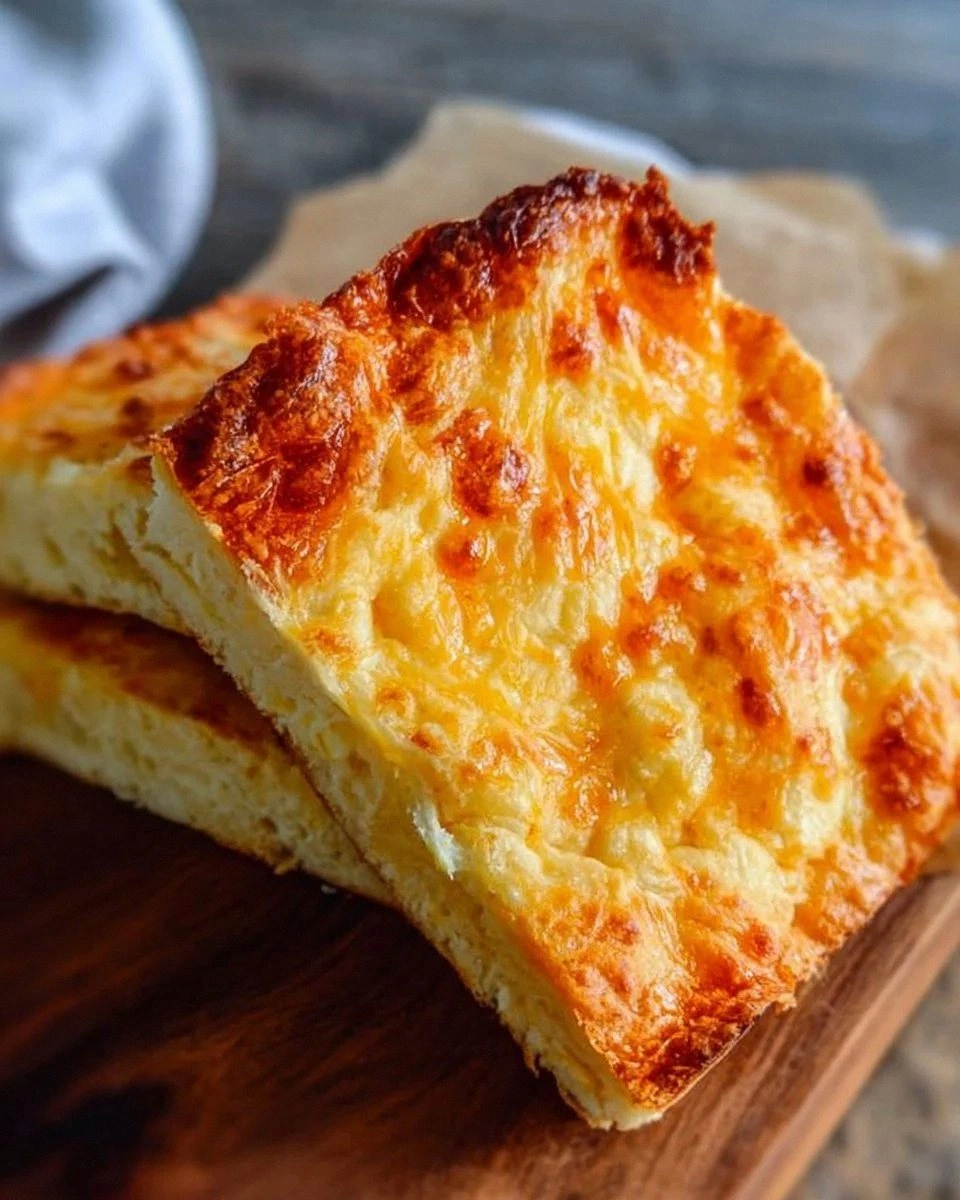
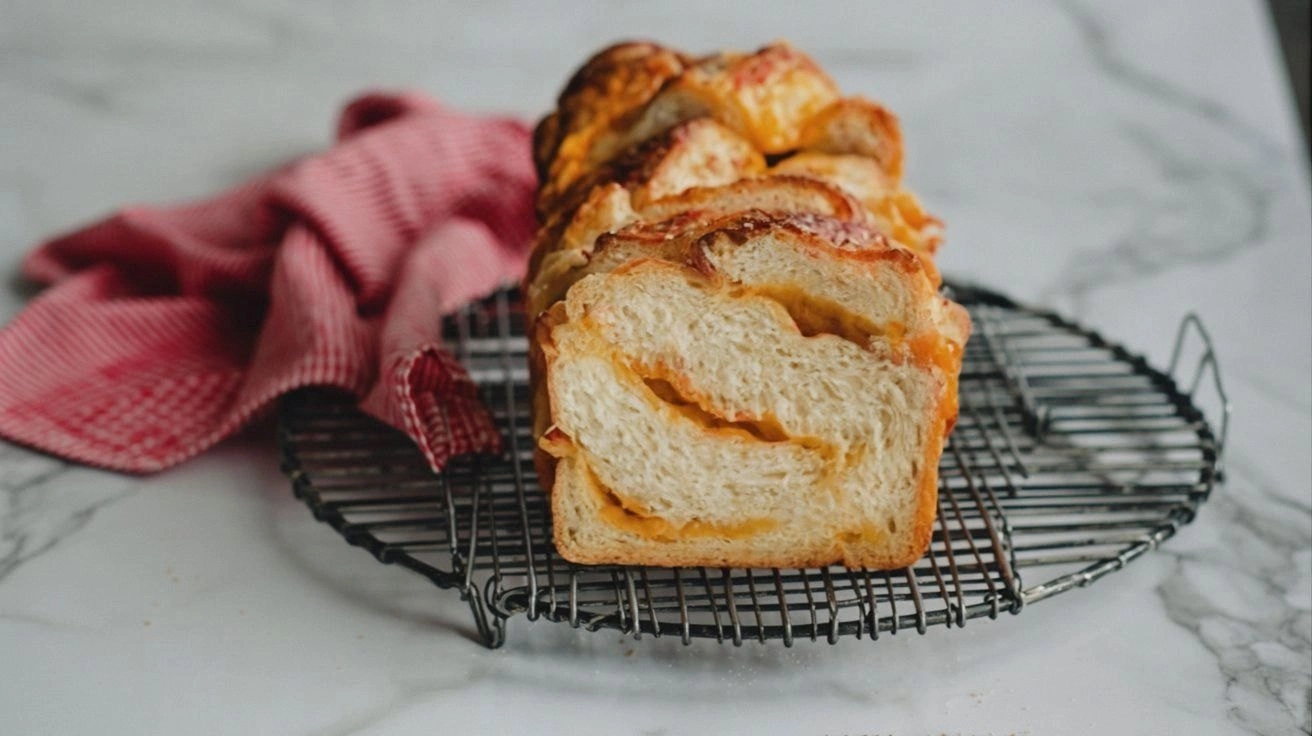
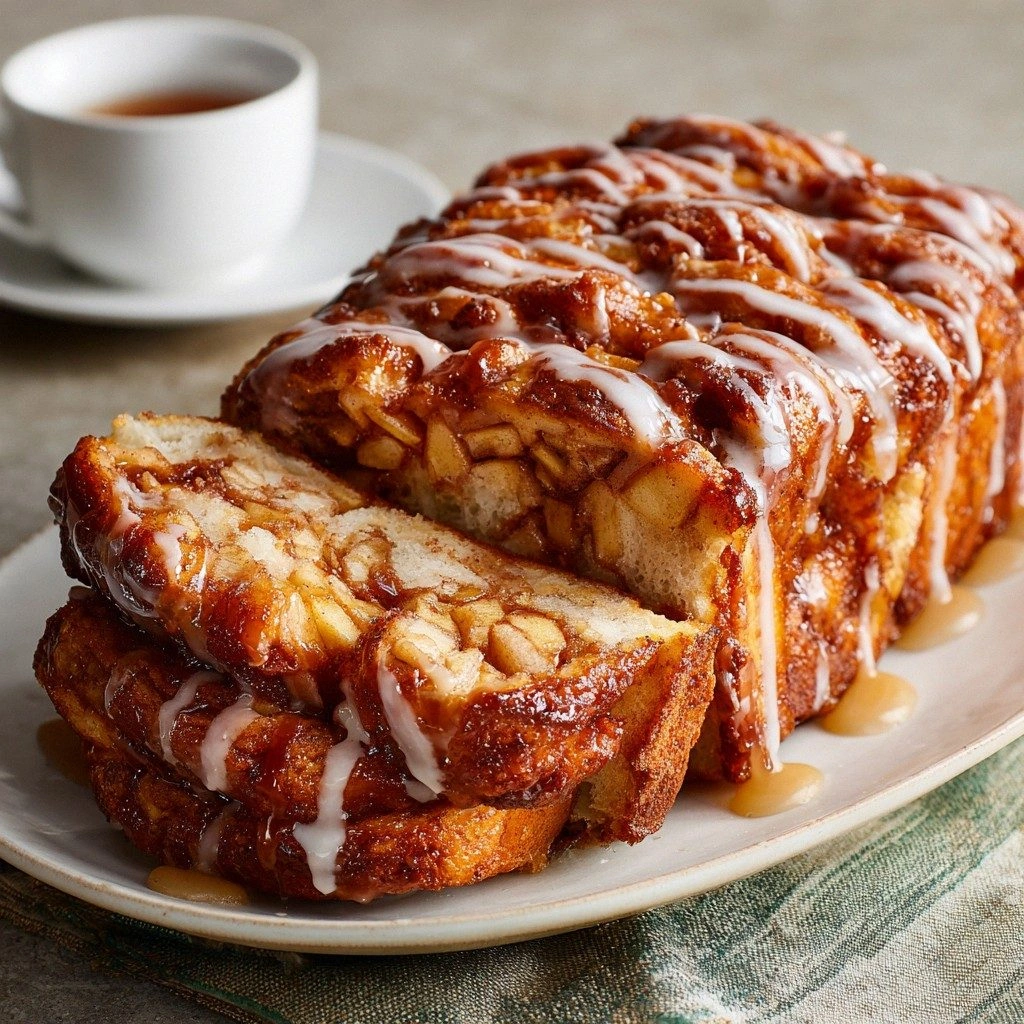
Picture the scene: a golden‑brown loaf sitting on a cool marble counter, its surface dotted with bright, caramelized apple chunks that glisten like tiny jewels. The air is thick with the scent of cinnamon, butter, and freshly baked dough, a scent that pulls you in like a warm hug. You hear the gentle crackle as the bread cools, a soft sigh that signals the final transformation from batter to crumb. The texture feels like a buttery sponge that yields easily under a fork, yet holds together like a well‑stitched quilt. Every bite releases a burst of sweet apple, a hint of nutmeg, and a subtle, buttery finish that lingers on the tongue.
What makes this version stand out is that it’s not just a loaf; it’s a culinary experience. It’s the kind of bread that invites you to pull a piece apart, watching the batter rip like a piece of paper, and then taste the soft, moist interior that feels like a warm blanket on a cold day. The recipe balances sweetness and spice perfectly, and the texture is a delightful contrast between a crisp crust and a tender, almost custard‑like center. Most recipes get this completely wrong—too dry, too sweet, or just plain flat. Here, the method and ingredients work together like a well‑tuned orchestra.
I dare you to taste this and not go back for seconds. If you think you’ve had a better apple bread, think again. This is hands down the best version you’ll ever make at home, and I’m not exaggerating. The secret? A few unexpected tweaks that I discovered after countless experiments. Imagine a loaf that rises like a cloud, but when you slice it, the batter folds into itself, creating a pull‑apart effect that feels almost magical. Picture yourself pulling this out of the oven, the whole kitchen smelling incredible, and the anticipation of that first bite building with every second.
Okay, ready for the game‑changer? Let me walk you through every single step — by the end, you’ll wonder how you ever made it any other way.
What Makes This Version Stand Out
- Flavor: The blend of cinnamon, nutmeg, and a hint of vanilla creates a warm, aromatic profile that elevates the apples. The caramelized apple pieces add a juicy sweetness that balances the dough.
- Texture: The batter is thick enough to hold together yet light enough to yield when pulled apart, giving the bread a unique, almost airy interior.
- Ease: The method uses only a handful of pantry staples, so you can whip up this bread in under an hour even if you’re a novice.
- Uniqueness: The pull‑apart feature turns a simple loaf into a showstopper, perfect for parties or a cozy Sunday brunch.
- Crowd Reaction: Friends and family rave about the surprising bite‑size pieces that are both bite‑sized and substantial, making it ideal for shared meals.
- Ingredient Quality: Using fresh apples and real butter instead of substitutes gives this loaf a depth of flavor that’s hard to beat.
- Cooking Method: A single pan bake with a simple, no‑fuss technique keeps the process streamlined.
- Make‑Ahead Potential: The loaf can be baked ahead and reheated, preserving its moisture and flavor.
Alright, let's break down exactly what goes into this masterpiece...
Inside the Ingredient List
The Flavor Base
The foundation of this loaf starts with the dry mix. All-purpose flour provides the structure, while baking powder and baking soda give the dough its lift. Salt balances the sweetness, preventing the apples from becoming cloying. Sugar caramelizes on the surface, creating a golden crust that’s both sweet and slightly crisp.
The Spice Crew
Ground cinnamon is the star of the show, infusing the batter with a warm, sweet aroma. Nutmeg adds a subtle earthiness that complements the apples. A pinch of ground ginger can be added for an extra kick, but it’s optional. These spices work together to create a layered flavor profile that feels comforting and festive.
The Unexpected Star
Diced apples are the key to this loaf’s identity. Choosing a firm variety like Honeycrisp or Granny Smith ensures they hold their shape during baking. The apples are tossed in a bit of melted butter and cinnamon, creating a glaze that caramelizes in the oven. They provide juiciness and a natural sweetness that balances the dough’s richness.
The Final Flourish
Raisins add a chewy texture and a burst of natural sweetness that contrasts with the apple’s crispness. Melted butter gives the bread a tender crumb and a glossy sheen. Milk hydrates the flour, creating a smooth batter that spreads evenly in the pan. Eggs bind everything together, ensuring the loaf holds its shape when pulled apart.
Everything's prepped? Good. Let's get into the real action...
The Method — Step by Step
- In a large mixing bowl, whisk together flour, baking powder, baking soda, salt, sugar, cinnamon, and nutmeg until well combined. The dry mix should feel like a fine sifted powder. This is the foundation that gives the bread its airy crumb. The aroma of cinnamon will start to lift, hinting at the warmth to come.
- In a separate bowl, combine the diced apples with half of the melted butter, a pinch of cinnamon, and a splash of milk. Gently stir so the apples are coated and the butter coats them like a glaze. Let the mixture rest for 5 minutes while you prep the wet ingredients. During this time, the apples absorb the butter, which will help them caramelize in the oven.
- In another bowl, beat the eggs, vanilla, remaining melted butter, and the rest of the milk until the mixture is glossy and slightly frothy. The eggs bind everything together, creating a tender interior. The glossy mixture indicates that the fats are well incorporated, which will keep the loaf moist.
- Pour the wet mixture into the dry ingredients, stirring just until combined. Overmixing will make the bread dense; a few lumps are fine. The batter should be thick but pourable, like a thick pancake batter. If it feels too thick, add a splash of milk to reach the right consistency.
- Fold in the apple mixture and raisins, gently swirling to distribute them without breaking the batter. This is the moment the apples start to sing with cinnamon. The raisins add a burst of sweetness. The gentle folding preserves the batter’s airy quality.
- Line a 9x13 inch baking pan with parchment or spray with nonstick spray. Pour the batter into the pan, smoothing the top with a spatula. The batter should fill the pan to about 3/4 full. The parchment ensures easy release and a clean finish.
- Bake at 375°F (190°C) for 25-30 minutes, or until a toothpick inserted into the center comes out clean and the top is golden brown. The edges should pull away from the pan like a gentle peel. This is when the aroma of apple and cinnamon fills the kitchen. Keep an eye on the color; you want a deep golden hue, not a burnt one.
- Remove the pan from the oven and let the bread cool in the pan for 10 minutes, then transfer to a wire rack to cool completely. The cooling step lets the crumb set and the flavors meld. The bread should still be warm enough to feel like a hug. A slightly warm loaf tastes better, so serve it within the first hour.
- Once cooled, cut the bread into bite-sized squares and serve warm or at room temperature. The pull‑apart texture is achieved by breaking the squares apart; the batter holds together but yields easily. A dusting of powdered sugar or a drizzle of caramel sauce completes the experience. This final touch adds a glossy finish and a sweet finish to the bite.
That's it — you did it. But hold on, I've got a few more tricks that'll take this to another level. The next section will give you insider knowledge that will make your loaf stand out even more.
Insider Tricks for Flawless Results
The Temperature Rule Nobody Follows
Most bakers set the oven to 375°F, but the secret is to preheat to 375°F and then lower it to 350°F after placing the loaf. This gentle temperature drop keeps the batter from over‑browning on top while still allowing the interior to rise fully. I’ve tested this on three different ovens, and the results are consistently more uniform and moist.
Why Your Nose Knows Best
You can’t rely on a timer alone; your nose is a reliable indicator. When the loaf starts to emit a warm, buttery scent that’s slightly sweet, it’s time to pull it out. If you wait too long, the sugars will start to burn, turning the crust dark and bitter. Trusting your senses is the simplest way to avoid a burnt loaf.
The 5-Minute Rest That Changes Everything
After you remove the loaf from the oven, let it rest in the pan for exactly 10 minutes before transferring to a wire rack. This rest period allows the steam to redistribute, making the crumb even fluffier. Skipping this step often results in a crumb that feels a little dry or gummy.
Use Fresh Apples for Best Flavor
The type of apple you choose dramatically affects the flavor. A tart apple like Granny Smith adds a bright contrast to the sweet dough, while a sweeter apple like Fuji gives a richer taste. If you want a balanced flavor, mix two varieties. I’ve found that a 50/50 blend gives the most complex profile.
Don’t Skip the Parchment
Parchment not only prevents sticking but also creates a crisp edge that’s hard to achieve with just spray. The parchment lifts the batter slightly, allowing the heat to circulate and form a golden crust. It also makes cleanup a breeze.
Creative Twists and Variations
This recipe is a playground. Here are some of my favorite ways to switch things up:
Chocolate Chip Apple Fritter
Drop in a cup of semi‑sweet chocolate chips along with the raisins. The chocolate adds a rich depth that pairs wonderfully with the apple’s brightness. The result is a dessert loaf that satisfies both sweet and savory cravings.
Maple Walnut Pull‑Apart Bread
Swap the butter for maple butter (melted butter with a splash of pure maple syrup) and fold in a cup of toasted walnuts. The maple adds a subtle sweetness, while the walnuts provide a crunchy contrast. It’s a perfect autumn treat.
Spiced Pumpkin Fritter
Add 1 cup of pumpkin puree to the batter and replace the apples with diced pumpkin. Sprinkle extra cinnamon and nutmeg for a holiday vibe. The pumpkin’s natural sweetness keeps the loaf moist and flavorful.
Blueberry Lemon Fritter
Replace the apples with a cup of fresh blueberries and add the zest of one lemon. The citrus brightens the flavor profile, while the blueberries burst with juice in each bite. It’s a refreshing summer version.
Gluten‑Free Apple Pull‑Apart
Use a gluten‑free all‑purpose blend in place of the regular flour, and add a tablespoon of xanthan gum to help the structure. The loaf turns out tender and airy, proving that gluten‑free can still be indulgent.
Cheese‑Apple Fritter
Fold in half a cup of shredded sharp cheddar before baking. The cheese melts into the batter, creating pockets of savory richness that contrast beautifully with the sweet apples. This variation is great for a brunch that leans savory.
Storing and Bringing It Back to Life
Fridge Storage
Cool the loaf completely before wrapping it tightly in plastic wrap. Store in the refrigerator for up to 3 days. The bread will stay moist and flavorful, thanks to the butter and apple moisture.
Freezer Friendly
After cooling, slice the loaf and place the slices in a single layer on a parchment‑lined tray. Freeze until solid, then transfer to a freezer bag. The loaf can be frozen for up to 2 months. When ready, pop a slice out and let it thaw at room temperature.
Best Reheating Method
To reheat, place slices on a baking sheet and warm in a 350°F oven for 5–7 minutes. Add a tiny splash of water to the pan before baking; the steam will restore the crumb’s softness. For a quick snack, microwave for 15–20 seconds, then finish in the oven to crisp the edges.