
Bouillabaisse
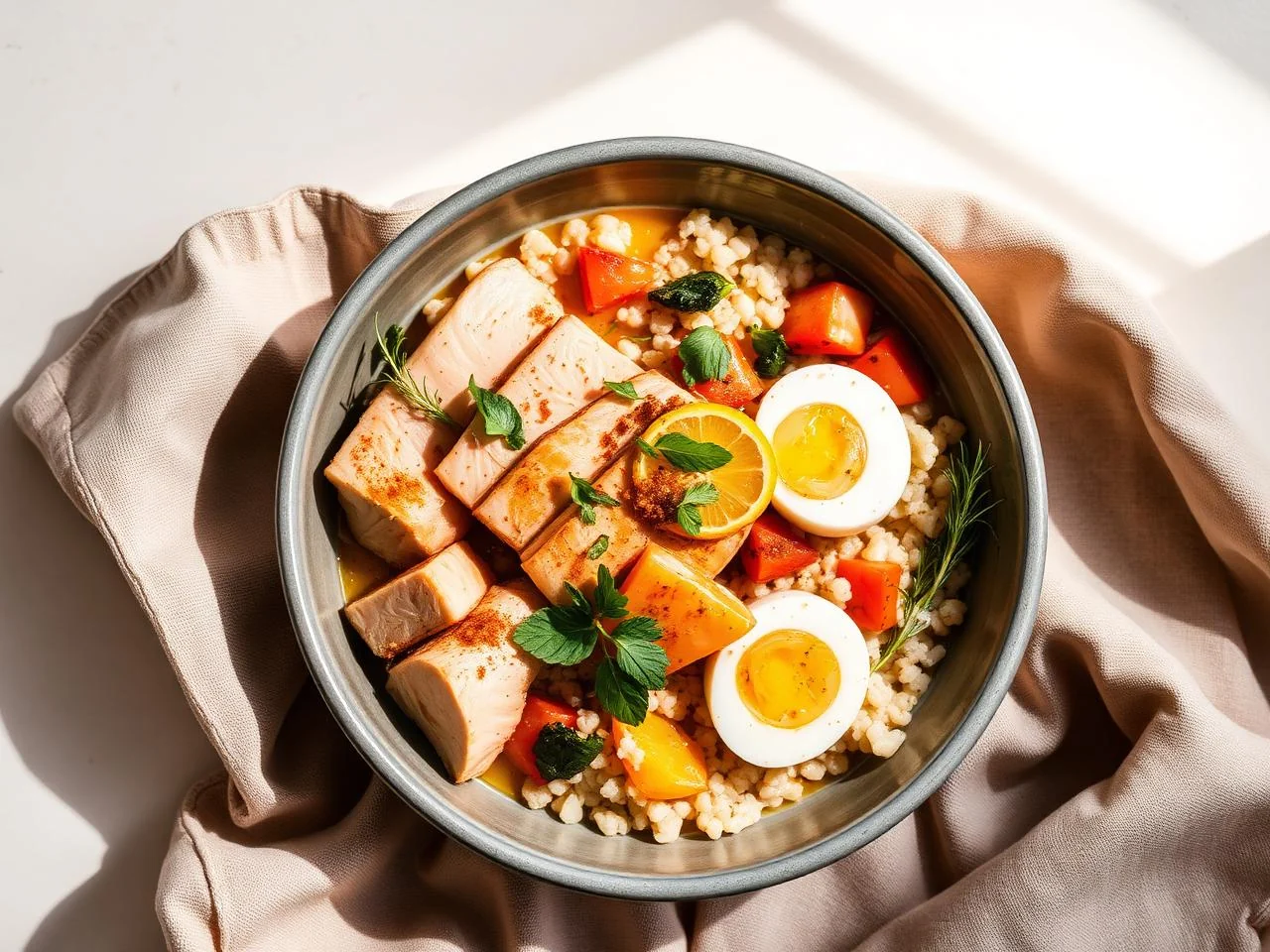
As a home cook and founder of Gets Recipes, I'm excited to share with you one of my favorite dishes - Bouillabaisse, a classic French seafood stew originating from the port city of Marseille. This recipe is a staple of French cuisine, and for good reason - it's a hearty, flavorful, and satisfying meal that's perfect for special occasions or cozy nights in.
I remember the first time I tried Bouillabaisse - I was visiting Marseille with friends, and we stumbled upon a quaint little restaurant serving the most incredible seafood stew. The flavors were rich and complex, with a depth of flavor that I'd never experienced before. From that moment on, I was hooked, and I've spent years perfecting my own recipe to share with you.
What makes this recipe special is the combination of tender seafood, flavorful broth, and aromatic spices. It's a dish that's both comforting and elegant, making it perfect for dinner parties or special occasions. And the best part? It's relatively easy to make, requiring just a few simple ingredients and some basic cooking techniques.
In this recipe, I'll guide you through the process of making a traditional Bouillabaisse, with a few tweaks to make it more accessible to home cooks. We'll start with the basics - selecting the freshest seafood, preparing the broth, and cooking the stew. Then, we'll add some finishing touches, including a flavorful rouille and a sprinkle of fresh herbs.
So, if you're looking for a recipe that's both delicious and impressive, look no further than Bouillabaisse. With its rich flavors and hearty portions, it's sure to become a staple in your kitchen - and a favorite among your friends and family.
Why You’ll Love This Recipe
- This recipe is perfect for special occasions or dinner parties, as it's both impressive and delicious.
- The combination of seafood and flavorful broth makes for a satisfying and filling meal.
- The dish is relatively easy to make, requiring just a few simple ingredients and basic cooking techniques.
- The rouille adds a spicy and creamy kick to the dish, balancing out the flavors of the seafood and broth.
- The finishing touches - fresh herbs, lemon juice, and rouille - add a bright and refreshing note to the dish.
- This recipe is perfect for seafood lovers, as it features a variety of fish and shellfish.
- The dish is also great for those looking for a hearty and comforting meal, as it's both warming and satisfying.
Why This Recipe Works
The key to a great Bouillabaisse is in the layers of flavor - the broth, the seafood, and the spices all come together to create a rich and satisfying stew. By using a combination of fish and shellfish, we get a variety of textures and flavors that add depth to the dish. And by cooking the seafood in a flavorful broth, we infuse it with the aromas of the sea.
The broth is also an important component of the dish, as it provides a rich and savory base for the seafood. By using a combination of fish stock, white wine, and aromatics, we create a broth that's both flavorful and light. And by simmering the broth for a long time, we extract all the flavors and gelatin from the bones, making the broth thick and velvety.
Another important aspect of Bouillabaisse is the rouille - a spicy mayonnaise-like condiment made with garlic, saffron, and cayenne pepper. The rouille adds a creamy and spicy kick to the dish, balancing out the flavors of the seafood and broth.
Finally, the finishing touches - a sprinkle of fresh herbs, a squeeze of lemon juice, and a dollop of rouille - add a bright and refreshing note to the dish, cutting through the richness of the seafood and broth.
Ingredients You’ll Need
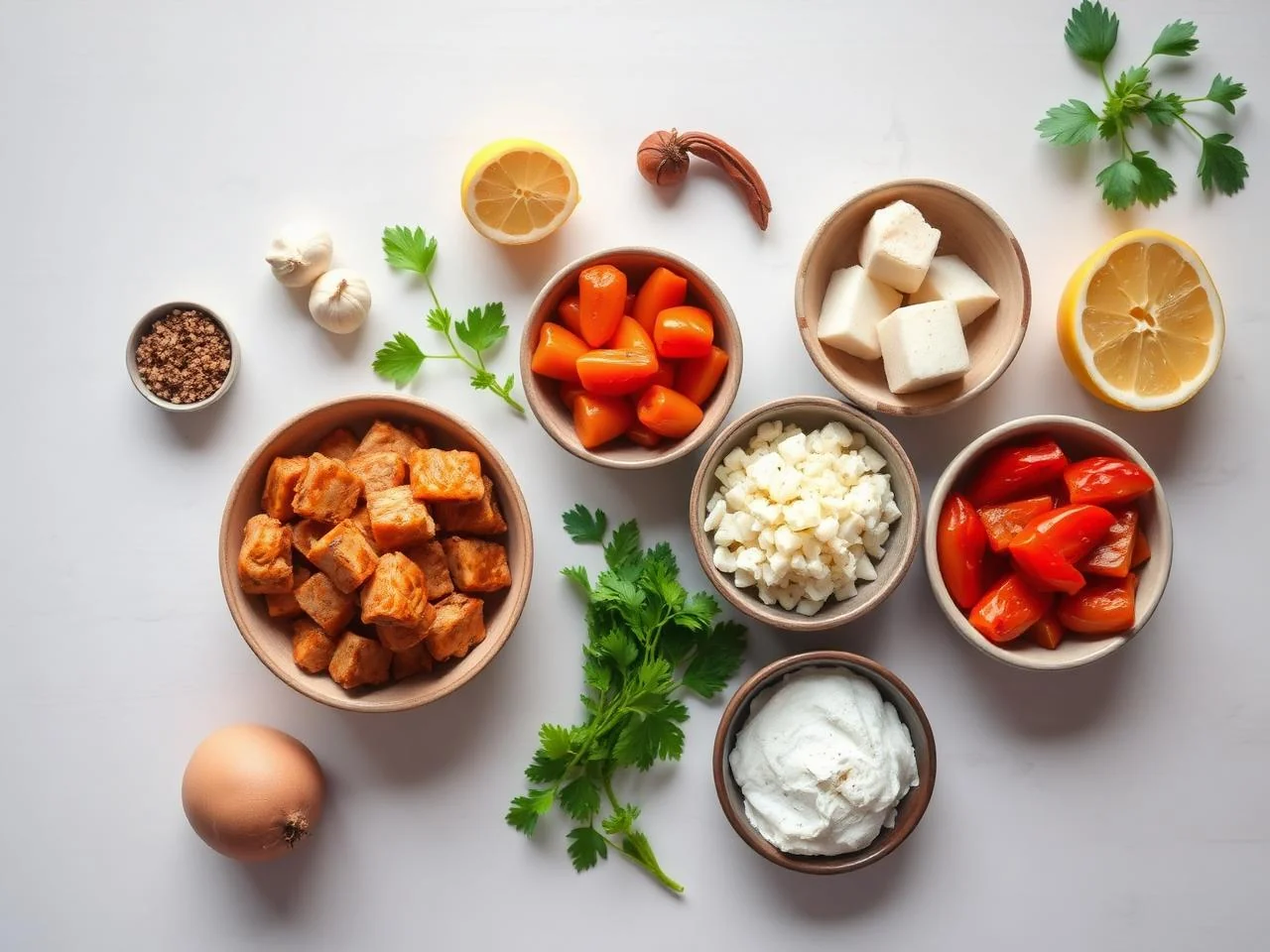
To make a great Bouillabaisse, you'll need a variety of fresh seafood, including fish, mussels, clams, and shrimp. You'll also need some aromatics, such as onions, garlic, and fennel, to add depth to the broth. And of course, no Bouillabaisse would be complete without a spicy rouille to add a kick to the dish.
When shopping for ingredients, be sure to choose the freshest seafood you can find, and don't be afraid to ask your fishmonger for advice on what's in season. For the broth, you can use a combination of fish stock and white wine, or make your own stock from scratch using fish bones and vegetables.
- 2 lbs (1 kg) assorted fish and shellfish (such as mussels, clams, shrimp, and cod)Choose the freshest seafood you can find, and don't be afraid to ask your fishmonger for advice on what's in season. You can also use a combination of fish and shellfish to add variety to the dish.
- 2 tablespoons olive oilUse a good quality olive oil to add flavor to the dish, and to help cook the seafood and aromatics.
- 1 onion, choppedUse a sweet onion, such as Vidalia or Maui, to add a depth of flavor to the broth.
- 3 cloves garlic, mincedUse fresh garlic to add a pungent flavor to the broth, and to help cook the seafood and aromatics.
- 2 stalks fennel, choppedUse fresh fennel to add a bright and anise-flavored note to the broth, and to help cook the seafood and aromatics.
- 1 cup (250 ml) fish stockUse a good quality fish stock to add a rich and savory flavor to the broth, or make your own stock from scratch using fish bones and vegetables.
- 1 cup (250 ml) white wineUse a dry white wine, such as Sauvignon Blanc or Pinot Grigio, to add a crisp and refreshing flavor to the broth.
- 1 teaspoon saffron threadsUse high-quality saffron threads to add a deep yellow color and a subtle earthy flavor to the broth.
- 1 teaspoon cayenne pepperUse cayenne pepper to add a spicy kick to the rouille, and to balance out the flavors of the seafood and broth.
- 2 tablespoons mayonnaiseUse a good quality mayonnaise to add a creamy and rich texture to the rouille, and to help balance out the flavors of the seafood and broth.
- 1 lemon, cut into wedgesUse fresh lemon juice to add a bright and refreshing note to the dish, and to help cut through the richness of the seafood and broth.
- 1/4 cup (15 g) chopped fresh parsleyUse fresh parsley to add a bright and fresh flavor to the dish, and to help garnish the soup.
- Salt and pepper to tasteUse salt and pepper to season the dish to taste, and to help bring out the flavors of the seafood and broth.
Equipment You’ll Need
How to Make Bouillabaisse
- 1Start by preparing the seafood - rinse the fish and shellfish under cold water, and pat them dry with paper towels.
- 2Heat the olive oil in the large pot or Dutch oven over medium heat, and add the chopped onion, garlic, and fennel. Cook until the vegetables are softened, about 5 minutes.
- 3Add the fish stock, white wine, and saffron threads to the pot, and bring the mixture to a boil. Reduce the heat to low and simmer for 10 minutes.
- 4Add the seafood to the pot, and cook until it reaches an internal temperature of 145 F (63 C). Check the temperature with an instant-read thermometer in the thickest part of the fish.
- 5While the seafood is cooking, prepare the rouille - mix the mayonnaise, cayenne pepper, and garlic in a small bowl until smooth.
- 6Once the seafood is cooked, remove it from the pot with a slotted spoon, and place it on a plate or tray. Cover the seafood with foil to keep it warm.
- 7Strain the broth through a fine-mesh strainer into a clean pot, and discard the solids. Bring the broth to a simmer, and cook until it's reduced by half, about 10 minutes.
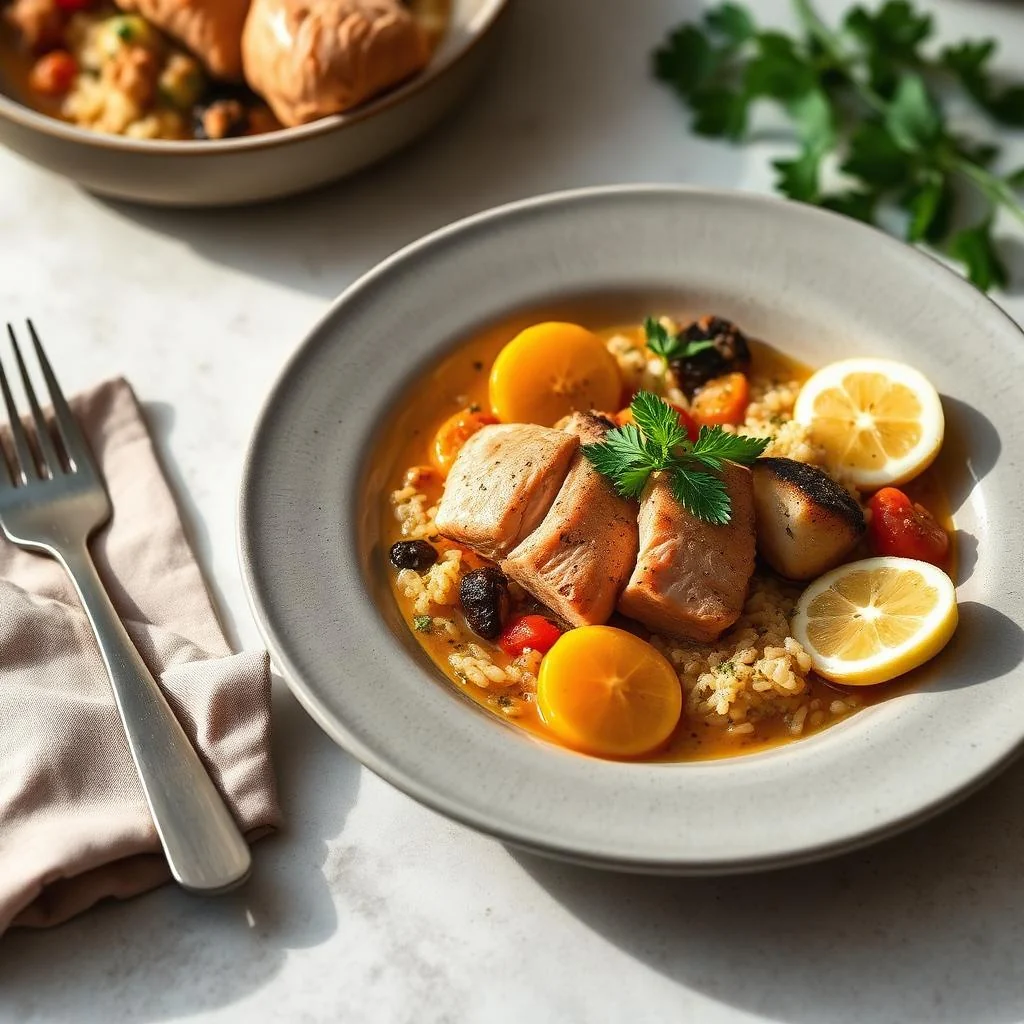
- 8To serve, place a portion of the seafood in a bowl, and ladle the hot broth over the top. Dollop the rouille on top of the seafood, and garnish with chopped fresh parsley and a lemon wedge.
- 9Serve the Bouillabaisse hot, with crusty bread on the side for dipping in the broth.
- 10To make ahead, prepare the broth and seafood up to a day in advance, and refrigerate or freeze until ready to serve. Reheat the broth and seafood over low heat, and serve as directed.
- 11To freeze, place the cooled broth and seafood in airtight containers or freezer bags, and store in the freezer for up to 3 months. Reheat the broth and seafood over low heat, and serve as directed.
- 12To reheat, place the cooled broth and seafood in a pot, and heat over low heat until warmed through. Serve as directed.
Expert Tips
- Use the freshest seafood you can find to ensure the best flavor and texture.
- Don't overcook the seafood - it should be cooked until it reaches an internal temperature of 145 F (63 C).
- Use a good quality fish stock to add a rich and savory flavor to the broth.
- Don't skip the rouille - it adds a spicy and creamy kick to the dish.
- Use fresh parsley to add a bright and fresh flavor to the dish.
- Serve the Bouillabaisse with crusty bread on the side for dipping in the broth.
- To make ahead, prepare the broth and seafood up to a day in advance, and refrigerate or freeze until ready to serve.
- To freeze, place the cooled broth and seafood in airtight containers or freezer bags, and store in the freezer for up to 3 months.
Common Mistakes to Avoid
- Overcooking the seafood - it should be cooked until it reaches an internal temperature of 145 F (63 C).
- Not using fresh seafood - it's essential to use the freshest seafood you can find to ensure the best flavor and texture.
- Not straining the broth - it's essential to strain the broth to remove any solids and impurities.
- Not serving the Bouillabaisse with crusty bread - it's essential to serve the soup with bread on the side for dipping in the broth.
- Not making the rouille - it adds a spicy and creamy kick to the dish.
- Not using a good quality fish stock - it's essential to use a good quality fish stock to add a rich and savory flavor to the broth.
Variations and Substitutions
- Add some diced vegetables, such as carrots or celery, to the pot with the onion and garlic for added flavor and nutrition.
- Use different types of seafood, such as shrimp or scallops, to add variety to the dish.
- Add some diced ham or bacon to the pot for a smoky flavor.
- Use a different type of broth, such as chicken or beef broth, for a different flavor profile.
- Add some spices, such as paprika or cumin, to the pot for added depth of flavor.
- Serve the Bouillabaisse with a side of rice or pasta for a more filling meal.
- Add some chopped fresh herbs, such as parsley or dill, to the pot for added freshness and flavor.
What to Serve With Bouillabaisse
Serve the Bouillabaisse hot, with crusty bread on the side for dipping in the broth. You can also serve it with a side of rice or pasta for a more filling meal. Garnish with chopped fresh parsley and a lemon wedge for added freshness and flavor.
Some other ideas for serving the Bouillabaisse include:
Crusty bread: Serve the Bouillabaisse with a side of crusty bread, such as baguette or ciabatta, for dipping in the broth.
Rice: Serve the Bouillabaisse over a bed of rice, such as white or brown rice, for a more filling meal.
Pasta: Serve the Bouillabaisse over a bed of pasta, such as linguine or fettuccine, for a more filling meal.
Salad: Serve the Bouillabaisse with a side salad, such as a green salad or a grain salad, for a lighter and fresher meal.
Make-Ahead, Storage, Freezing and Reheating
To make ahead, prepare the broth and seafood up to a day in advance, and refrigerate or freeze until ready to serve. Reheat the broth and seafood over low heat, and serve as directed.
To freeze, place the cooled broth and seafood in airtight containers or freezer bags, and store in the freezer for up to 3 months. Reheat the broth and seafood over low heat, and serve as directed.
To reheat, place the cooled broth and seafood in a pot, and heat over low heat until warmed through. Serve as directed.
Some tips for storing and reheating the Bouillabaisse include:
Refrigerate the broth and seafood separately to prevent the seafood from becoming soggy.
Freeze the broth and seafood separately to prevent the seafood from becoming icy.
Reheat the broth and seafood over low heat to prevent the seafood from becoming overcooked.
Serve the Bouillabaisse hot, with crusty bread on the side for dipping in the broth.
Frequently Asked Questions
What type of seafood should I use for the Bouillabaisse?
You can use a variety of seafood, such as fish, mussels, clams, and shrimp. Choose the freshest seafood you can find, and don't be afraid to ask your fishmonger for advice on what's in season.
How do I make the rouille?
To make the rouille, mix the mayonnaise, cayenne pepper, and garlic in a small bowl until smooth. You can adjust the amount of cayenne pepper to taste.
Can I make the Bouillabaisse ahead of time?
Yes, you can make the Bouillabaisse ahead of time. Prepare the broth and seafood up to a day in advance, and refrigerate or freeze until ready to serve. Reheat the broth and seafood over low heat, and serve as directed.
How do I store the Bouillabaisse?
To store the Bouillabaisse, refrigerate the broth and seafood separately to prevent the seafood from becoming soggy. You can also freeze the broth and seafood separately to prevent the seafood from becoming icy.
How do I reheat the Bouillabaisse?
To reheat the Bouillabaisse, place the cooled broth and seafood in a pot, and heat over low heat until warmed through. Serve as directed.
What type of bread should I serve with the Bouillabaisse?
You can serve the Bouillabaisse with a variety of breads, such as crusty bread, baguette, or ciabatta. Choose a bread that's crusty on the outside and soft on the inside, and that will hold up well to dipping in the broth.
Can I add other ingredients to the Bouillabaisse?
Yes, you can add other ingredients to the Bouillabaisse, such as diced vegetables or spices. Just be sure to adjust the amount of broth and seasoning accordingly.
Is the Bouillabaisse spicy?
The Bouillabaisse has a spicy kick from the cayenne pepper in the rouille. However, you can adjust the amount of cayenne pepper to taste, and omit it altogether if you prefer a milder flavor.
Can I make the Bouillabaisse for a crowd?
Yes, you can make the Bouillabaisse for a crowd. Simply multiply the ingredients accordingly, and cook the seafood and broth in batches if necessary. Serve the Bouillabaisse hot, with crusty bread on the side for dipping in the broth.
Ingredients
- 2 lbs (1 kg) assorted fish and shellfish (such as mussels, clams, shrimp, and cod)
- 2 tablespoons olive oil
- 1 onion, chopped
- 3 cloves garlic, minced
- 2 stalks fennel, chopped
- 1 cup (250 ml) fish stock
- 1 cup (250 ml) white wine
- 1 teaspoon saffron threads
- 1 teaspoon cayenne pepper
- 2 tablespoons mayonnaise
- 1 lemon, cut into wedges
- 1/4 cup (15 g) chopped fresh parsley
- Salt and pepper to taste
Instructions
- Start by preparing the seafood - rinse the fish and shellfish under cold water, and pat them dry with paper towels.
- Heat the olive oil in the large pot or Dutch oven over medium heat, and add the chopped onion, garlic, and fennel. Cook until the vegetables are softened, about 5 minutes.
- Add the fish stock, white wine, and saffron threads to the pot, and bring the mixture to a boil. Reduce the heat to low and simmer for 10 minutes.
- Add the seafood to the pot, and cook until it reaches an internal temperature of 145 F (63 C). Check the temperature with an instant-read thermometer in the thickest part of the fish.
- While the seafood is cooking, prepare the rouille - mix the mayonnaise, cayenne pepper, and garlic in a small bowl until smooth.
- Once the seafood is cooked, remove it from the pot with a slotted spoon, and place it on a plate or tray. Cover the seafood with foil to keep it warm.
- Strain the broth through a fine-mesh strainer into a clean pot, and discard the solids. Bring the broth to a simmer, and cook until it's reduced by half, about 10 minutes.
- To serve, place a portion of the seafood in a bowl, and ladle the hot broth over the top. Dollop the rouille on top of the seafood, and garnish with chopped fresh parsley and a lemon wedge.
- Serve the Bouillabaisse hot, with crusty bread on the side for dipping in the broth.
- To make ahead, prepare the broth and seafood up to a day in advance, and refrigerate or freeze until ready to serve. Reheat the broth and seafood over low heat, and serve as directed.
- To freeze, place the cooled broth and seafood in airtight containers or freezer bags, and store in the freezer for up to 3 months. Reheat the broth and seafood over low heat, and serve as directed.
- To reheat, place the cooled broth and seafood in a pot, and heat over low heat until warmed through. Serve as directed.