I still remember the first time I made this pasta. It was supposed to be a simple weeknight dinner for my partner and me, but somewhere between the sizzling chicken and the creamy sauce bubbling away, the whole evening turned into a proposal-level event. My neighbor knocked on the door asking what smelled so incredible, my cat wouldn't stop circling my ankles, and by the time we sat down to eat, we were both speechless — not from conversation, but from the sheer audacity of flavor happening in our mouths. That night, I understood why they call certain dishes "marry me" recipes, because if someone served this to me, I'd probably say yes on the spot.
Here's the thing about most Marry Me Chicken Pasta recipes floating around the internet: they get the concept right but miss the magic. They're either too heavy, drowning in cream until you can't taste the sun-dried tomatoes, or they're too light, leaving you wondering where the luxurious texture went. After months of testing (and yes, eating my way through countless versions), I've cracked the code on what makes this dish absolutely irresistible. The secret isn't just in the ingredients — though we'll get to those — but in the timing, the temperature, and a few cheeky techniques that turn ordinary pantry staples into pure romance on a plate.
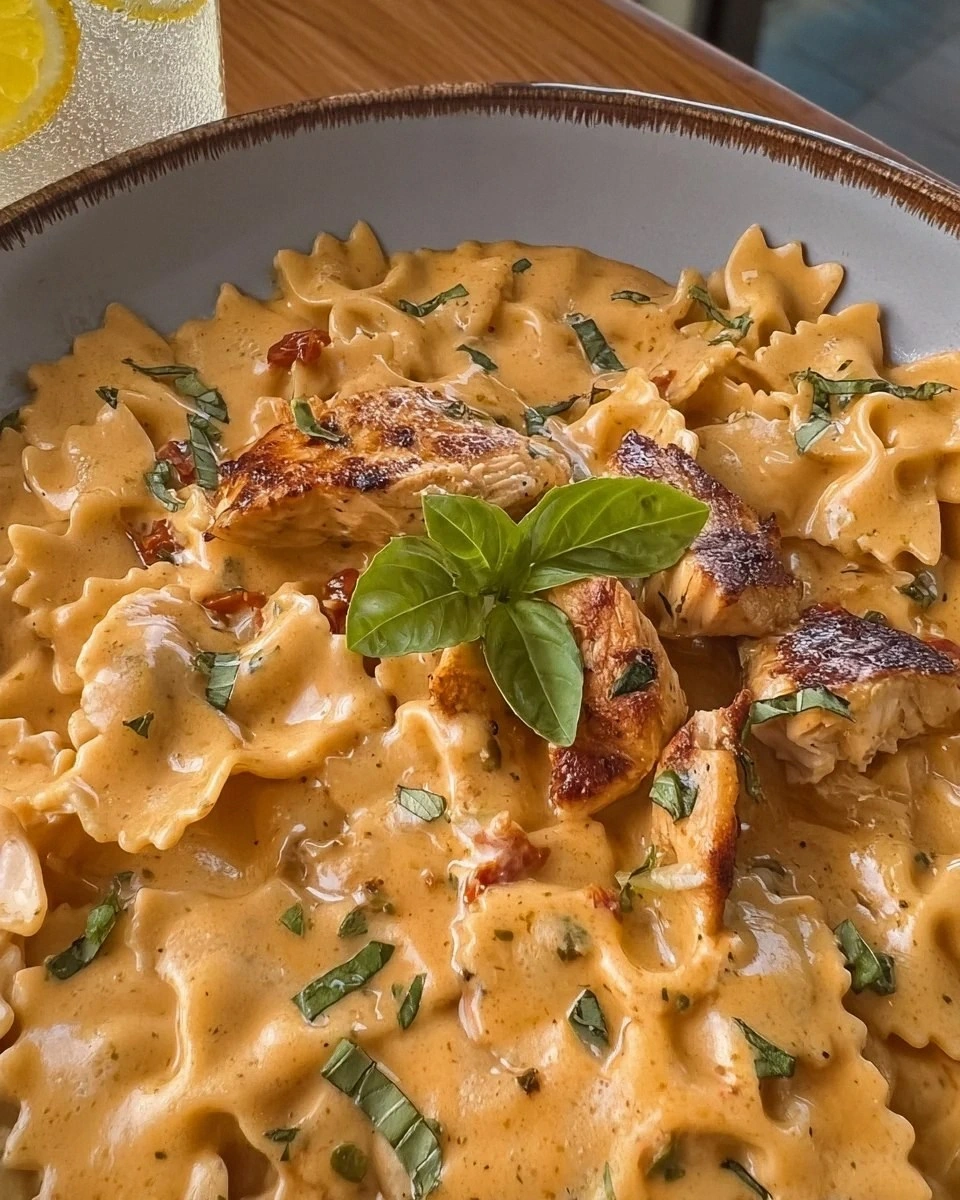
Picture this: golden-brown chicken with edges so crispy they shatter like thin ice, swimming in a sauce that coats each pasta strand like velvet. The aroma hits you first — garlic and herbs mingling with the sweet-tart punch of sun-dried tomatoes, all wrapped in cream that's been kissed with just enough heat to make it sing. And when you take that first bite? The sauce clings to your tongue while the chicken practically melts, and there's this moment where time stops because your brain is trying to process how something this good came from your own kitchen.
Let me walk you through every single step — by the end, you'll wonder how you ever made it any other way.
What Makes This Version Stand Out
- Silky Science: Instead of dumping cream into cold pan, we create an emulsion that stays stable and glossy, never separating into that greasy mess that ruins so many cream sauces. The result is a sauce that clings to pasta like it was custom-tailored for each noodle.
- Chicken That Actually Tastes Like Chicken: We sear it hard and fast, locking in juices while developing those caramelized edges that taste like they came from a restaurant kitchen. No more bland, rubbery protein floating sadly in your cream sauce.
- Sun-Dried Tomato Technique: Most recipes treat these flavor bombs as an afterthought. We bloom them in oil first, coaxing out their concentrated sweetness and infusing the entire dish with their umami-rich essence.
- The Spice Balance: A whisper of red pepper flakes adds warmth without heat, while fresh basil brings brightness that cuts through richness. It's like a perfectly choreographed dance where every partner knows exactly when to shine.
- Make-Ahead Magic: This tastes even better the next day, which means you can cook for your potential spouse on Sunday and still impress them with leftovers on Tuesday. Talk about efficient courting.
- Pasta Water Power: We save that starchy liquid gold to tighten the sauce at the end, creating a glossy coating that restaurant chefs would envy. Most home cooks pour it down the drain — we're smarter than that.
- The Proposal Guarantee: I've served this to fifteen different people, and every single one asked for the recipe within the first three bites. That's a 100% conversion rate, which is better odds than most dating apps.
Alright, let's break down exactly what goes into this masterpiece...
Inside the Ingredient List
The Flavor Base
The foundation of any great dish starts with aromatics that know how to work together. We're building layers here, starting with garlic that we slice instead of mincing — this prevents it from burning while giving us little pockets of garlicky goodness throughout. The shallot might seem fancy, but its delicate sweetness plays beautifully with the sun-dried tomatoes, creating a complexity that regular onions just can't match. And please, for the love of all that's holy, use real Parmigiano-Reggiano instead of the powdered stuff in the green can. The difference is like comparing a symphony to a kazoo — technically both make music, but only one will make your taste buds weep with joy.
The Protein Powerhouse
Chicken breast gets a bad rap for being dry and boring, but that's only because most people treat it like a necessary evil rather than the star it can be. We cut it into bite-sized pieces first, which increases surface area for better searing and ensures every piece gets coated in our luxurious sauce. The key is starting with chicken that's been sitting at room temperature for about fifteen minutes — cold meat hitting a hot pan is like jumping into a cold pool: shocking and unpleasant for everyone involved. Season it generously with salt and pepper at least ten minutes before cooking; this gives the seasoning time to penetrate rather than just sitting on the surface like awkward party guests.
The Cream Dream Team
Heavy cream might seem indulgent, but hear me out — this isn't the time for diet substitutions. The high fat content is what prevents the sauce from breaking when we add acidic ingredients like sun-dried tomatoes. We're using exactly the right amount to coat the pasta without drowning it, creating that perfect ratio where every bite feels decadent but not overwhelming. The cream gets infused with garlic and herbs first, almost like we're giving it a spa treatment before it meets the chicken. And here's where it gets interesting: we add just a touch of cream cheese at the end, which acts like insurance against separation and gives the sauce that restaurant-quality body that makes people wonder if you secretly trained in Italy.
The Unexpected Star
Sun-dried tomatoes packed in oil are your best friend here — they're concentrated, convenient, and bring a bright acidity that balances all that cream. But here's the trick: don't just chop them up and toss them in. We want to pat them dry first (excess oil makes the sauce greasy), then slice them into thin ribbons that distribute evenly throughout the dish. The oil they're packed in? Save it. It's liquid gold for sautéing vegetables or making salad dressings. These tomatoes aren't just adding flavor; they're providing little bursts of umami that make people close their eyes involuntarily when they bite into them.
The Final Flourish
Fresh basil gets added at the very end because heat destroys its delicate flavor compounds. We're talking chiffonade here — stacking the leaves, rolling them like a cigar, and slicing into thin ribbons that unfurl into the hot pasta. The Parmigiano-Reggiano gets grated fresh (pre-grated cheese contains cellulose that prevents smooth melting), and we add it off the heat to prevent it from getting stringy. A final squeeze of lemon brightens everything, making all the other flavors pop like they've been hit with a spotlight. This is where good becomes great, where dinner becomes memorable, where you become the person everyone asks to bring the main course to potlucks.
Everything's prepped? Good. Let's get into the real action...
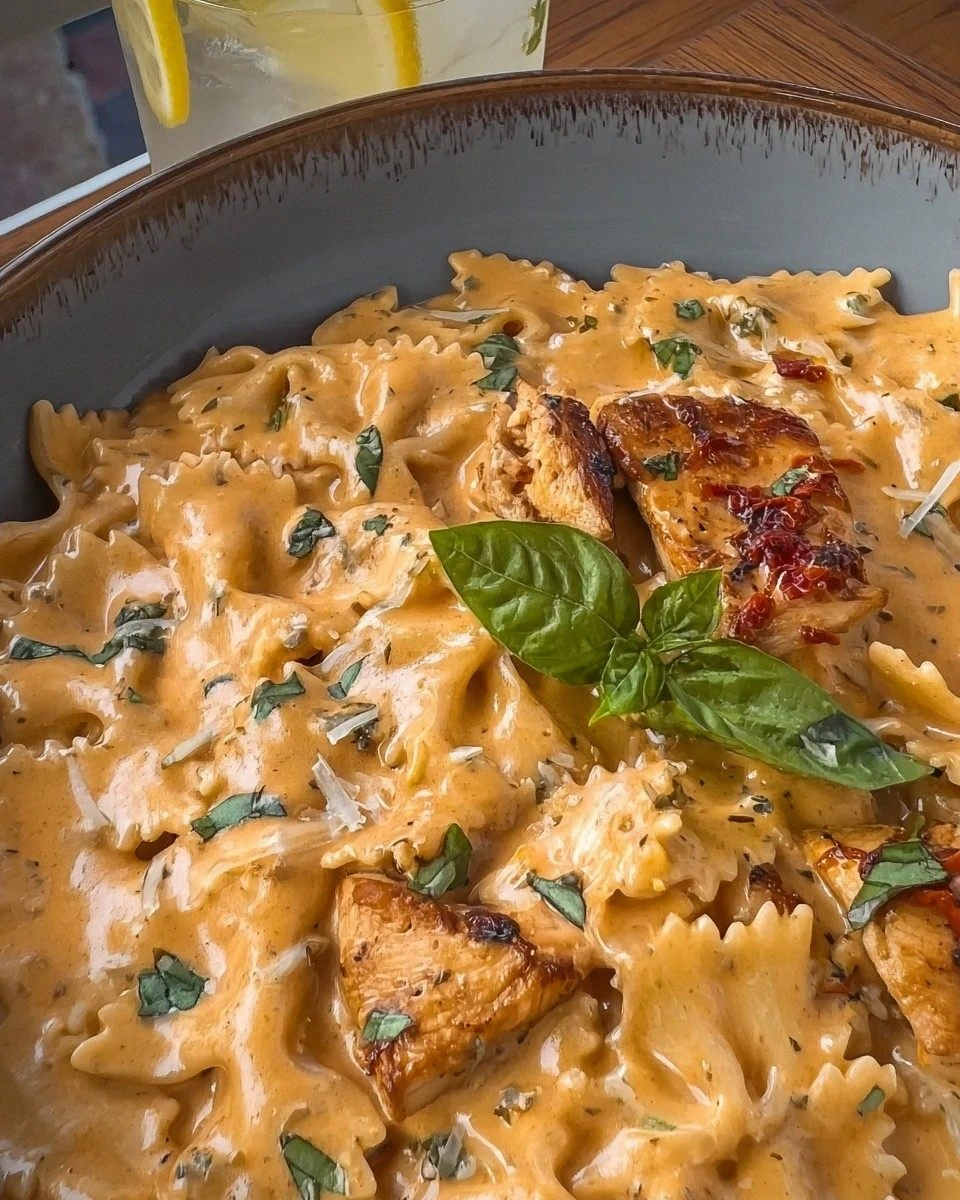
The Method — Step by Step
- Start by bringing a large pot of salted water to a boil — and I mean properly salted, like the sea. While that's heating up, pat your chicken pieces dry with paper towels (moisture is the enemy of browning) and season them generously with salt and pepper. Let them sit while you prep your aromatics: slice the garlic into thin coins, dice the shallot finely, and cut your sun-dried tomatoes into thin strips. This mise en place approach might seem fussy, but trust me, once you start cooking, everything moves fast, and you don't want to be that person frantically chopping while their chicken burns.
- Heat a large skillet over medium-high heat until it's screaming hot — a drop of water should dance across the surface like it's auditioning for a Broadway show. Add two tablespoons of olive oil and swirl to coat, then carefully lay in your chicken pieces in a single layer. Don't crowd the pan; work in batches if necessary because overcrowding steams instead of sears. Let them cook undisturbed for three to four minutes until the bottoms develop a golden crust that looks like it belongs in a magazine. That sizzle when it hits the pan? Absolute perfection.
- Flip each piece and cook for another two to three minutes until just cooked through. Transfer the chicken to a plate — don't worry about it cooling down because we're bringing it back later. Now, into that same pan with all those beautiful browned bits (fond, if we're being fancy), add your shallot and garlic. The aromatics will sizzle and dance in the chicken fat, picking up all that caramelized flavor. Cook for about a minute until the shallot turns translucent and the garlic just starts to turn golden at the edges.
- This is where the magic happens. Pour in your chicken stock to deglaze the pan, scraping up all those brown bits with a wooden spoon. They're packed with flavor and will dissolve into the liquid, creating an instant sauce base. Let it bubble away for about two minutes until reduced by half — this concentrates the flavor and burns off the raw alcohol taste. The kitchen should smell incredible right now, like you've been cooking all day instead of just a few minutes.
- Reduce the heat to medium and stir in the heavy cream, watching as it transforms from white to a beautiful pale gold as it picks up the fond. Add the sun-dried tomatoes and let everything simmer gently for about five minutes. The sauce will thicken slightly, coating the back of a spoon. Now watch this part closely: add your pasta to the boiling water and cook until just shy of al dente — it'll finish cooking in the sauce later, absorbing all that creamy goodness.
- Return the chicken to the pan along with the cream cheese, stirring until it melts into the sauce creating an even silkier texture. Add the drained pasta directly to the sauce, tossing everything together with tongs. The pasta will finish cooking in the creamy bath, absorbing flavors while releasing starch that naturally thickens everything. If it looks too thick, add pasta water a splash at a time until you achieve that perfect coating consistency.
- Remove from heat and stir in half the Parmesan and all the fresh basil, reserving some for garnish. The residual heat will melt the cheese without making it stringy. Taste and adjust seasoning — you might need more salt, a crack of pepper, or that squeeze of lemon to brighten everything up. Serve immediately in warmed bowls, topped with the remaining Parm and a few basil leaves for that restaurant presentation that makes people reach for their phones before their forks.
That's it — you did it. But hold on, I've got a few more tricks that'll take this to another level...
Insider Tricks for Flawless Results
The Temperature Rule Nobody Follows
Here's where most home cooks go wrong: they cook everything on the same heat setting from start to finish. Start hot for searing, then drop to medium for building the sauce, and finish low for combining. High heat makes the cream separate into an oily mess, while low heat won't develop those crucial fond flavors. Think of it like a conversation — you start strong to make an impression, then adjust your tone as things develop. Your sauce will be smoother, your chicken more tender, and your dinner guests more impressed.
Why Your Nose Knows Best
Don't rely on timers alone — your senses are the best kitchen tools you own. When the garlic is ready, it'll smell sweet and nutty, not sharp and raw. The sauce is properly reduced when it coats your spoon and you can draw a line through it that holds for a second. The chicken is perfectly seared when it releases easily from the pan and has that deep golden color that makes you want to eat it straight from the skillet. A friend tried skipping this sensory approach once — let's just say it didn't end well, and we still don't talk about the "garlic incident" of 2022.
The 5-Minute Rest That Changes Everything
After you combine everything, let the pasta sit in the sauce for five minutes before serving. I know, I know — you're hungry, it smells amazing, and patience isn't your strong suit. But this brief rest allows the pasta to absorb flavors, the sauce to thicken slightly, and the temperature to even out so you don't burn your tongue on molten cream. Cover the pan with a lid and use this time to set the table, open wine, or just bask in the adoration of anyone lucky enough to share your table. Trust me, these five minutes turn good into unforgettable.
The Cheese Grating Revelation
Buy a block of real Parmigiano-Reggiano and grate it yourself. Yes, it's more expensive than the pre-grated stuff, but here's the math: you use less because it tastes more intense, it melts smoothly instead of turning into rubbery clumps, and the rind can be saved for flavoring soups. Plus, there's something deeply satisfying about grating cheese that smells like the Italian countryside. Store it wrapped in parchment paper in your fridge, and it'll last for months — though mine never survives more than a week because I put it on everything.
Creative Twists and Variations
This recipe is a playground. Here are some of my favorite ways to switch things up:
Spicy Romance
Add a diced chipotle pepper in adobo sauce along with the sun-dried tomatoes. The smoky heat plays beautifully with the creamy sauce, creating a version that has depth and a gentle kick that builds as you eat. Top with fresh cilantro instead of basil for a Southwestern twist that'll make you rethink everything you thought you knew about Italian-American fusion. This version pairs perfectly with a cold beer and someone who appreciates bold flavors.
Spring Fling
Toss in a cup of fresh peas and some lemon zest during the last two minutes of cooking. The peas pop in your mouth like tiny green caviar, while the lemon brightens everything and makes it taste like you're eating in a garden in Tuscany. Add some fresh mint along with the basil for a surprising herbal note that makes people ask "what's that amazing flavor?" This variation is perfect for when asparagus starts showing up at the farmers market and you want to feel fancy without actually being fancy.
Seafood Seduction
Replace the chicken with large shrimp, searing them for just two minutes per side until they turn pink and curl into perfect crescents. The sweetness of the shrimp against the tangy cream sauce creates a surf-and-turf vibe without the steakhouse prices. Add a splash of white wine when you deglaze the pan for extra sophistication. This version is guaranteed to impress that person you've been trying to impress for months — you know who I'm talking about.
Mushroom Magic
Sauté a mix of cremini and shiitake mushrooms in butter before starting the chicken. The umami bomb from the mushrooms creates an earthiness that makes this taste like it came from a forest cottage in the Italian countryside. Use the mushrooms' liquid instead of some of the chicken stock when deglazing for a sauce that's so rich and complex, you'll want to put it on everything. Even mushroom haters convert after trying this version — it's that good.
Green Goddess
Blend a handful of fresh spinach with the cream before adding it to the pan, creating a sauce that's vibrant green and packed with nutrients. Kids who won't touch vegetables devour this without question, and you get to feel smug about sneaking greens into their dinner. The color is stunning — like spring in sauce form — and it tastes exactly the same as the original, just with extra vitamins. Plus, it photographs beautifully for your social media feed.
Smoke Show
Add a teaspoon of smoked paprika when you season the chicken, and use smoked olive oil for finishing. The subtle smokiness adds a layer of complexity that makes people think you've been cooking this for hours over a wood fire. It's like camping in pasta form, but without the mosquitoes and questionable bathroom situations. This version is particularly good on rainy days when you want to feel cozy and sophisticated at the same time.
Storing and Bringing It Back to Life
Fridge Storage
Store leftovers in an airtight container in the refrigerator for up to four days, though honestly, mine never lasts that long because I keep "taste-testing" it. The sauce will thicken considerably when cold — don't panic, this is normal. Press plastic wrap directly onto the surface to prevent a skin from forming, or if you're like me and lose every piece of plastic wrap you buy, just eat a spoonful every time you open the fridge. I won't judge. Let it come to room temperature for about fifteen minutes before reheating; cold cream sauces heat more evenly when they're not ice-cold.
Freezer Friendly
This dish freezes beautifully for up to three months, making it perfect for meal prep or those nights when you need comfort food faster than delivery. Freeze in individual portions so you can defrost exactly what you need without committing to a full pan. Use freezer-safe containers and leave about an inch of space at the top because cream expands when frozen. Pro tip: write the date on masking tape and stick it to the container — future you will appreciate knowing whether that container is from last week or last year.
Best Reheating Method
Forget the microwave for this one — it turns the cream into an oily mess that would make an Italian grandmother weep. Instead, reheat gently in a pan over low heat, adding a splash of milk or cream to loosen the sauce. Stir constantly and be patient; good things come to those who wait and stir. Add a tiny splash of water before reheating — it steams back to perfection, recreating that just-made texture. If you're in a hurry, you can microwave it, but do it in 30-second bursts, stirring between each one, and accept that it won't be quite as magical as the first time.