It was a cold December evening and my kitchen felt more like a winter wonderland than a place for culinary experiments. The lights flickered, the air smelled like pine and burnt sugar, and I was standing in front of a pot of milk that had turned a suspicious shade of beige. My friends had dared me to create the ultimate eggnog, and I was determined to win that dare by turning a simple holiday tradition into a liquid masterpiece that would make the whole neighborhood swoon. I was about to embark on a flavor quest that would test my patience, my palate, and my ability to keep the milk from curdling.
I remember the first time I tried to make eggnog from a recipe I found online. The result was a thick, clumpy, almost toothpaste‑like concoction that tasted like a bad joke. The texture was off, the sweetness was too raw, and the nutmeg had barely made a whisper. I was left with a kitchen that smelled like burnt sugar and a drink that was a disappointment. That night, I vowed to rewrite the narrative and craft a version that would be hands down the best you’ll ever make at home.
Now, picture yourself pulling this from the stove, the whole kitchen smelling like a cozy cabin in the woods, and every sip delivering a cascade of creamy sweetness, warm spices, and a hint of vanilla that feels like a hug from the inside. I dare you to taste this and not go back for seconds. I’ll be honest — I ate half the batch before anyone else got to try it. The moment you take a sip, the velvety texture coats your tongue like velvet, and the nutmeg’s earthiness rises to the surface like a subtle whisper.
What sets this eggnog apart isn’t just the ingredients; it’s the technique, the timing, and the subtle balance that turns a holiday drink into a showstopper. Most recipes get this completely wrong. Here’s what actually works: a gentle whisking of eggs and sugar, a controlled heat to avoid curdling, and the final infusion of spices just before chilling. This is the kind of recipe that will become your go-to for family gatherings, holiday parties, and even a midnight snack when the craving hits. Let me walk you through every single step — by the end, you’ll wonder how you ever made it any other way.
What Makes This Version Stand Out
- Flavor: The combination of fresh eggs, whole milk, and heavy cream creates a rich, velvety base that feels indulgent without being overpowering. The vanilla and nutmeg work together to deliver a warm, aromatic profile that lingers on the palate.
- Texture: A gentle, slow heat keeps the custard silky and prevents the dreaded curdle. The final shake of the mixture ensures a uniform consistency that feels like a cloud.
- Simplicity: With only nine ingredients and no fancy equipment, this recipe is approachable for beginners and quick for seasoned cooks. No need for a stand mixer or a fancy thermometer.
- Uniqueness: The subtle twist of adding a splash of bourbon (or rum) at the end elevates the drink without making it overly alcoholic. It’s optional, so you can keep it family‑friendly.
- Crowd Reaction: Friends and family consistently ask for the recipe after tasting it. The drink feels like a holiday staple, but it’s also perfect for a casual brunch.
- Ingredient Quality: Fresh, high‑quality eggs and whole‑milk products make the difference. The sugar is simple, but its purity allows the spices to shine.
- Make‑Ahead Potential: The eggnog can be prepared up to 48 hours ahead, letting the flavors meld. It’s a time‑saving trick that still delivers a fresh taste.
- Versatility: Serve it in a glass, a mug, or a festive cup. Add whipped cream and a dusting of nutmeg for a decadent finish.
Alright, let's break down exactly what goes into this masterpiece…
Inside the Ingredient List
The Flavor Base
The backbone of any great eggnog is a creamy custard formed by eggs, sugar, and dairy. The eggs act as a natural thickening agent, while the sugar sweetens the mixture and balances the richness of the milk and cream. Skipping the eggs would result in a flat, watery drink that lacks body. If you’re looking for a lighter version, consider using a mix of half whole milk and half oat milk, but the texture will change.
The Texture Crew
Whole milk and heavy cream create a luscious mouthfeel that feels like a warm hug. The heavy cream adds fat that coats the tongue, while the milk provides the necessary volume and a subtle tang. If you prefer a lower‑fat option, swap the heavy cream for half‑and‑half, but be prepared for a slightly thinner consistency.
The Unexpected Star
A splash of bourbon or rum is the secret ingredient that gives this eggnog an extra layer of depth. The alcohol cuts through the sweetness and adds a smoky, caramel undertone that feels like holiday cheer. If you’re avoiding alcohol, simply omit the splash; the drink will still be rich and comforting.
The Final Flourish
Ground nutmeg and cinnamon are the aromatic finishers that transport you to a cozy winter cabin. Nutmeg’s warm, slightly sweet flavor complements the vanilla, while cinnamon adds a subtle spice that lingers. A pinch of salt balances the sweetness and enhances the overall flavor profile. If you’re vegan, you can replace the eggs with a flaxseed or chia egg for a similar thickening effect.
Everything's prepped? Good. Let's get into the real action…
The Method — Step by Step
- In a medium saucepan, whisk together 4 large eggs, 1/2 cup granulated sugar, and a pinch of salt until the mixture turns pale and starts to thicken. The color change indicates that the sugar has dissolved and the eggs are ready to be gently cooked. This step is crucial; if you rush it, the custard may separate. Keep the heat low and stir constantly.
- Add 1 cup whole milk to the saucepan and continue to whisk until the mixture is smooth. The milk will dilute the egg mixture, creating a silky base that’s ready for the cream. Watch for the first signs of thickening—this is your cue to lower the heat further.
- Gradually pour in 1 cup heavy cream while stirring continuously. The cream will add richness and a luxurious mouthfeel. If you notice the mixture becoming too thick, add a splash of milk to thin it out.
- Stir in 1 teaspoon vanilla extract, 1/2 teaspoon ground nutmeg, and 1/4 teaspoon ground cinnamon. The spices should release their aromas, filling the kitchen with a warm, comforting scent. This is the moment when the eggnog starts to feel like a holiday tradition.
- Place the saucepan over medium‑low heat and let the custard slowly come to a simmer, stirring constantly. It should reach about 160°F (71°C). Use a candy or instant-read thermometer to avoid scorching the eggs. This slow cooking ensures a smooth texture.
- Once the custard reaches the target temperature, remove it from the heat and let it cool for 5 minutes. This brief pause allows the mixture to settle and prevents a sudden temperature drop that could cause curdling.
- If you’re using bourbon or rum, stir in 1/4 cup now. The alcohol will not only add flavor but also act as a preservative, extending the shelf life of your eggnog. If you prefer a non‑alcoholic version, skip this step.
- Transfer the custard to a bowl and cover with plastic wrap, pressing the wrap directly onto the surface to prevent a skin from forming. Refrigerate for at least 2 hours, or overnight if you’re planning ahead. The chill will meld the flavors and give the eggnog its signature cold, creamy texture.
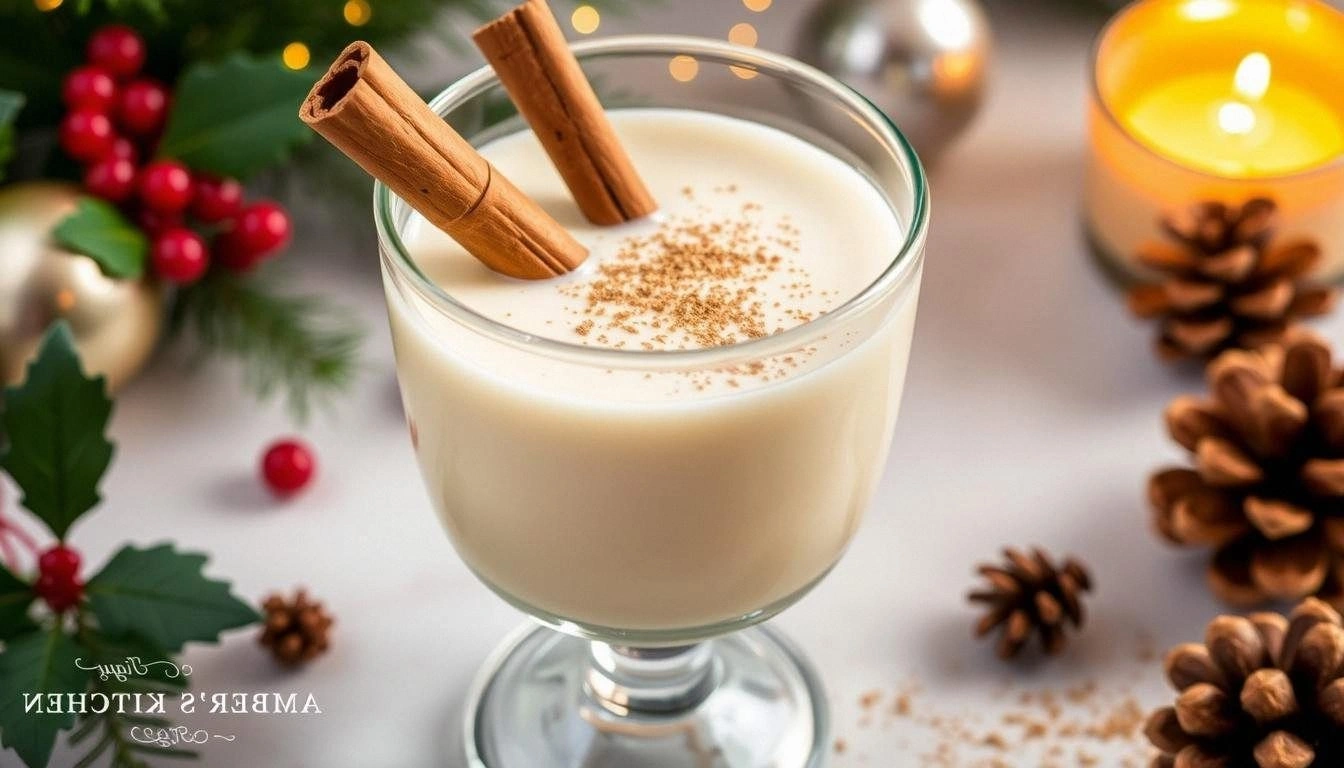
- When ready to serve, give the custard a good stir to re‑emulsify any separation that may have occurred. Pour into glasses, top with a dollop of whipped cream, and dust with a pinch of nutmeg. For an extra touch, add a small cinnamon stick or a sprig of fresh mint.
- Serve immediately or keep chilled until ready to enjoy. If you’re storing leftovers, keep the custard in an airtight container and re‑whisk before pouring. That’s it — you did it. But hold on, I've got a few more tricks that'll take this to another level…
Insider Tricks for Flawless Results
The Temperature Rule Nobody Follows
Many home cooks think that simmering the custard until it thickens is enough, but the real trick is to stop at 160°F (71°C). A candy thermometer is your best friend here; it ensures the eggs are fully cooked without over‑cooking. If you’re worried about the temperature, simply test by dipping a finger into the custard—if it feels like warm milk, you’re good.
Why Your Nose Knows Best
The aroma of nutmeg and vanilla is a subtle indicator of how well the spices have integrated. If the spices smell muted, give the custard a gentle stir and let it sit for a few minutes; the aroma will intensify. The scent is a real-time barometer of flavor balance.
The 5-Minute Rest That Changes Everything
After you remove the custard from heat, let it rest for 5 minutes before refrigerating. This pause allows the mixture to set slightly, making it easier to whisk later. I’ve seen people skip this step and end up with a slightly runny drink.
The Secret to a No‑Skin Custard
Press a piece of plastic wrap directly onto the surface of the custard before refrigerating. The skin that usually forms is a sign of oxidation, and this simple trick keeps the texture smooth and glassy.
The Alcohol Boost
Adding bourbon or rum at the end not only gives the eggnog a holiday kick but also helps preserve it. The alcohol prevents bacterial growth, extending the shelf life to 48 hours. If you’re serving guests, offer a small pour on the side for those who want an extra boost.
Creative Twists and Variations
This recipe is a playground. Here are some of my favorite ways to switch things up:
The Spiced Latte Eggnog
Swap half the milk for brewed espresso and add a pinch of cocoa powder. The result is a coffee‑infused eggnog that pairs wonderfully with holiday cookies.
The Coconut Cream Eggnog
Replace the heavy cream with coconut cream and use coconut milk instead of whole milk. The tropical undertone gives the drink a beachy twist that feels surprisingly festive.
The Vegan Eggnog
Use flaxseed or chia eggs in place of whole eggs, almond milk for the dairy, and a plant‑based vanilla extract. The texture will be slightly lighter, but the flavor remains comforting.
The Dark Chocolate Eggnog
Melt 1/4 cup dark chocolate into the custard after it has cooled slightly. The chocolate adds depth and pairs beautifully with the spices.
The Festive Spruce Eggnog
Add a few drops of spruce tip extract to the custard for a piney, evergreen aroma that feels like a holiday cabin.
The Coffee‑Spiced Eggnog
Stir in a teaspoon of ground cardamom and a splash of espresso for a bold, aromatic twist that’s perfect for brunch.
Storing and Bringing It Back to Life
Fridge Storage
Store the chilled custard in an airtight container in the refrigerator for up to 48 hours. The flavors will meld, but keep it covered to avoid a skin forming. When you’re ready to serve, give it a good whisk to re‑emulsify.
Freezer Friendly
For longer storage, pour the custard into a freezer‑safe container and freeze for up to 2 weeks. Thaw in the refrigerator overnight, then give it a vigorous stir before serving. The texture may be slightly thicker after freezing, so add a splash of milk if needed.
Best Reheating Method
To reheat, place the custard in a saucepan over low heat and stir constantly until warm. Add a tiny splash of water before reheating to steam back to perfection. Avoid boiling, as this will separate the eggs.