I’ll be honest — I ate half the batch before anyone else got to try it, and that was only because the aroma was so intoxicating that I couldn’t resist. It all started on a rainy Tuesday when my soup pot boiled over, my kitchen turned into a steam‑filled sauna, and I swore I’d never touch a pot of broth again. Then a daring friend dared me to “make something that actually heals a cold and still tastes like a hug.” I accepted, and the result is what I’m calling the ultimate comfort weapon: Healing Chicken and Rice Soup. Imagine a bowl that feels like a warm blanket, tastes like sunshine on a winter day, and packs enough zing to make a sleepy palate sit up and cheer.
Picture yourself pulling this out of the pot, the whole kitchen smelling incredible, the steam curling up like little white ribbons, and the first spoonful hitting your tongue with a symphony of ginger fireworks, garlic whispers, and a bright lime snap. The broth is salty enough to make you think of sea breezes, yet the spinach and fresh herbs give it a garden‑fresh finish that dances on the palate. The peanuts add a crunch that’s like a surprise confetti pop at a party you didn’t know you were attending. This isn’t just soup; it’s a culinary hug that heals from the inside out.
Most recipes get this completely wrong. They either drown the chicken in bland broth or overload you with spices that clash like a bad karaoke duet. Here’s what actually works: a precise balance of aromatics, a gentle simmer that coaxes flavor from the rice, and a finishing splash of lime that awakens every sense. I dare you to taste this and not go back for seconds. The secret? A turmeric dusting that adds a golden glow and an anti‑inflammatory boost, and a handful of spinach that turns the soup into a nutrient powerhouse without turning it into a green slime.
Let me walk you through every single step — by the end, you’ll wonder how you ever made it any other way. Okay, ready for the game‑changer? This next part? Pure magic. Stay with me here — this is worth it.
What Makes This Version Stand Out
- Flavor Explosion: The ginger and garlic create a base that’s both spicy and soothing, while the lime juice adds a bright, cleansing finish that makes every bite feel like a mini celebration.
- Texture Harmony: Tender chicken, fluffy rice, and the occasional peanut crunch create a mouthfeel that’s simultaneously comforting and exciting.
- Simplicity Meets Sophistication: Only eight core ingredients, but each is treated with respect, so you don’t need a culinary degree to nail it.
- Ingredient Quality: Using fresh herbs and high‑quality broth makes the soup sing; cheap substitutes will leave it flat and lifeless.
- Crowd Reaction: This soup has a reputation for clearing sinuses, soothing sore throats, and turning skeptics into lifelong fans.
- Cooking Method: A low‑and‑slow simmer extracts deep flavor without overcooking the rice, preserving its fluffy integrity.
- Make‑Ahead Potential: It stores beautifully, and the flavors actually deepen after a night in the fridge.
- Healing Power: Turmeric and ginger are natural anti‑inflammatories, turning a comfort food into a wellness tonic.
Inside the Ingredient List
The Flavor Base
Ginger. So much ginger. Fresh ginger is the heart‑beat of this soup. It provides that warm, peppery heat that clears your sinuses and awakens your taste buds. If you skip it, the broth loses its signature zing and becomes just another chicken soup. For a milder version, grate only half the amount, but expect a less dramatic aroma. When shopping, look for ginger that’s firm and slightly knobby; the fresher, the better, because old ginger turns fibrous and bitter.
Garlic and shallots. Just the right amount of potency. The combination creates a layered aromatic foundation. Garlic gives depth, while shallots add a subtle sweetness that balances the ginger’s heat. Missing these means a flat broth that feels like water with chicken. If you’re allergic to shallots, try a splash of white wine vinegar to mimic the sweet acidity.
The Texture Crew
A turmeric dusting. Turmeric isn’t just for color; it’s a powerhouse anti‑inflammatory. A light dusting turns the soup golden and adds earthy undertones that complement the ginger. Skip it, and you lose both the visual appeal and health boost. If you don’t have turmeric, a pinch of smoked paprika can lend a warm hue, though the flavor profile will shift.
Salty broth. The broth is the canvas. Use homemade chicken stock if possible; it provides a richer, more nuanced flavor than store‑bought. Too much salt can overwhelm, but under‑seasoned broth feels bland. Taste as you go, and remember that the peanuts and lime will add their own saltiness later.
The Unexpected Star
A handful of spinach. Spinach brings a subtle earthiness and a burst of green that makes the soup look vibrant. If omitted, the soup loses its fresh lift and can become too heavy. For a vegan twist, swap the chicken for tofu and keep the spinach; the flavor balance remains delightful.
Excessive amounts of lime juice. Lime is the bright spark that cuts through the richness, adding a citrusy zing that wakes up the palate. Too little and the soup feels heavy; too much and it becomes sour. The key is to add gradually, tasting as you go. If you’re not a fan of lime, lemon works as a substitute, but the flavor will be slightly different.
The Final Flourish
A lil pile of fresh mint and cilantro. These herbs add a fragrant finish that feels like a garden breeze. They also introduce a cooling contrast to the ginger heat. If you forget them, the soup still tastes great, but you’ll miss the bright herbal lift. For a more exotic twist, try Thai basil.
Peanuts for crunch. The peanuts give a surprising texture contrast, turning each spoonful into a mini adventure. They also add a nutty richness that rounds out the flavors. If you have a nut allergy, toasted pumpkin seeds make a safe and equally crunchy alternative.
Everything's prepped? Good. Let's get into the real action...
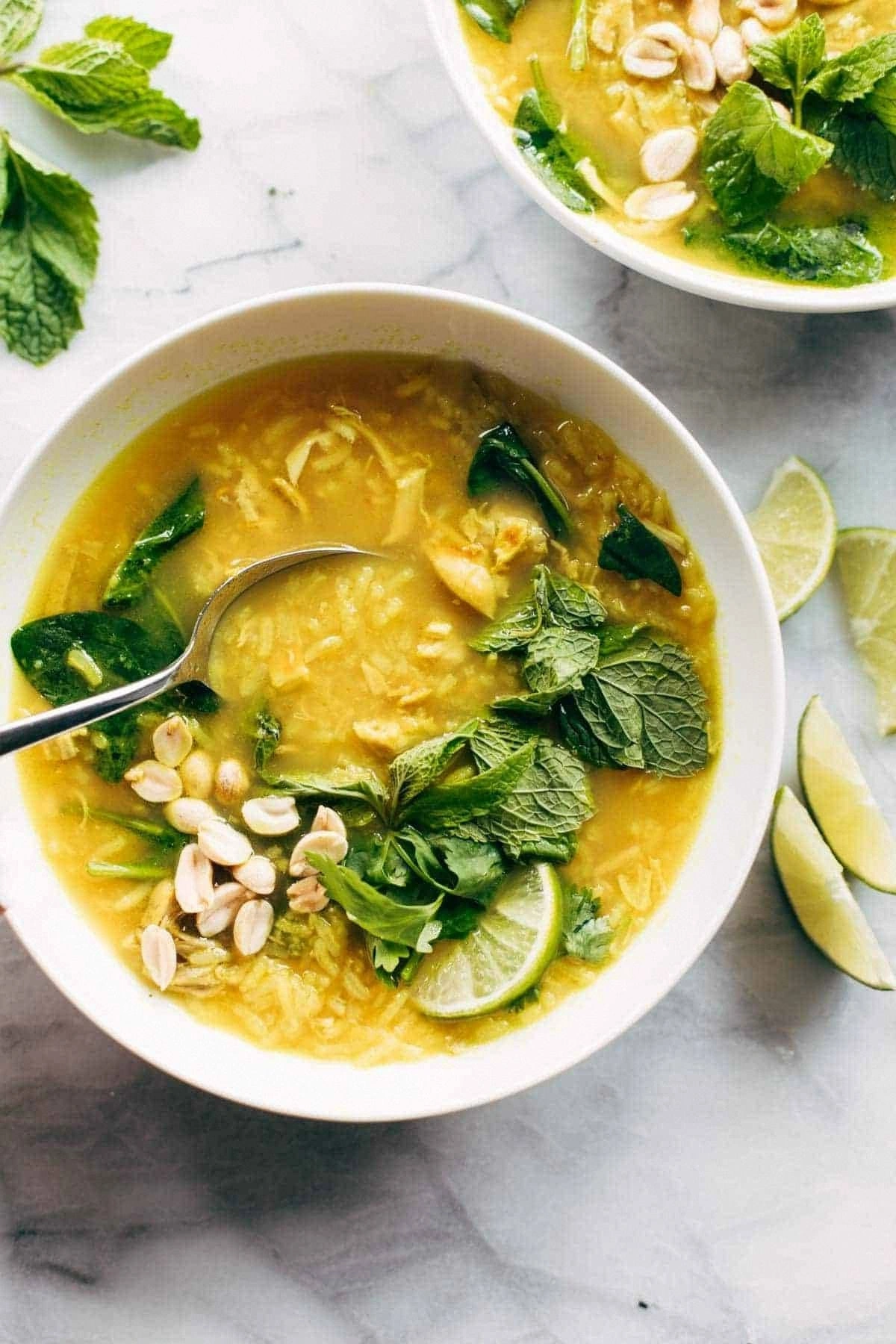
The Method — Step by Step
Start by heating a large, heavy‑bottomed pot over medium heat. Add a splash of oil, then toss in the grated ginger, minced garlic, and finely diced shallots. That sizzle when it hits the pan? Absolute perfection. Cook, stirring constantly, until the aromatics turn fragrant and the shallots become translucent, about 2‑3 minutes. This base is where the magic begins, so keep your eyes on it; you don’t want the garlic to brown and turn bitter.
Next, pour in the salty broth, letting it come to a gentle boil. Once bubbling, reduce the heat to a low simmer and add the turmeric dusting. Watch the broth turn a warm, golden hue—this is the moment of truth when the soup starts to look like a pot of liquid sunshine.
Add the rice (preferably jasmine or basmati for a fragrant fluff) and let it cook uncovered. Stir occasionally to prevent sticking. After about 10 minutes, the rice will have softened but still retain a slight bite, giving the soup body without turning mushy. Feel the steam on your face? That’s the aroma locking in.
While the rice cooks, season your chicken. I use boneless, skinless thighs because they stay juicy. Sprinkle a pinch of salt and pepper, then sear the pieces in a separate pan until golden on both sides—about 3‑4 minutes per side. This step creates a caramelized crust that adds depth to the broth.
Transfer the seared chicken into the simmering broth, letting it finish cooking for another 8‑10 minutes. The meat will release juices, enriching the broth further. At this point, taste the soup and adjust salt if needed—remember the peanuts and lime will add their own seasoning later.
Now, stir in the handful of spinach. It will wilt almost instantly, turning a deeper green. Follow with the excessive lime juice—add it in a slow drizzle while tasting. The lime should brighten the soup without making it sour; you’re aiming for a balanced zing that makes your taste buds do a little dance.
Finish with the fresh mint, cilantro, and a generous handful of peanuts. Give the soup a final gentle stir, then remove from heat. The herbs should stay vibrant, not wilted, providing that final burst of freshness.
Ladle the soup into bowls, making sure each serving gets an even mix of chicken, rice, and greens. Garnish with an extra sprinkle of peanuts and a wedge of lime on the side for those who like an extra punch. Serve hot, and watch as your guests dive in, eyes widening with each spoonful. That’s it — you did it. But hold on, I've got a few more tricks that'll take this to another level...
Insider Tricks for Flawless Results
The Temperature Rule Nobody Follows
Never rush the simmer. Keeping the broth at a gentle 180‑190°F (82‑88°C) ensures the flavors meld without breaking down the rice into mush. I once tried a rapid boil, and the rice turned into a gluey mess that no amount of seasoning could fix. Patience is your best friend here; a slow simmer lets the ginger and turmeric release their oils fully, creating a broth that feels silky on the tongue.
Why Your Nose Knows Best
Your sense of smell is a more reliable gauge than a timer. When the ginger starts to perfume the kitchen, you’ll know the aromatics are ready. If you’re unsure, take a quick sniff—if you can smell the citrus notes of lime before adding, you’re on the right track. Trusting your nose prevents over‑cooking and guarantees a vibrant flavor profile every time.
The 5‑Minute Rest That Changes Everything
After you finish cooking, let the soup sit uncovered for five minutes. This tiny rest allows the flavors to settle and the rice to finish absorbing the broth. I used to serve immediately, and the soup tasted “flat.” Now, that brief pause makes the broth richer, and the herbs stay brighter. It’s a simple tweak that transforms a good soup into a great one.
Peanut Power Boost
Don’t just sprinkle peanuts on top—toast them first and then crush them lightly. The toasted oils add a depth that raw peanuts lack, and the crush releases their buttery essence into each bite. One of my friends tried skipping the toast and complained the peanuts felt “dry.” That’s why I always give them a quick heat before the final garnish.
Lime Timing Mastery
Add lime juice in stages. Start with a small splash during cooking to integrate the acidity, then finish with a final drizzle right before serving. This layered approach prevents the soup from turning sour too early and keeps the lime’s bright pop alive until the last spoonful. I once poured all the lime at once, and the soup ended up tasting like a sour candy—lesson learned.
Creative Twists and Variations
This recipe is a playground. Here are some of my favorite ways to switch things up:
Coconut Curry Remix
Swap half the broth for coconut milk and add a spoonful of red curry paste. The result is a creamy, exotic spin that pairs beautifully with the peanuts and lime. Perfect for those who love a Thai‑style kick.
Spicy Szechuan Splash
Add a drizzle of Szechuan pepper oil and a pinch of crushed red pepper flakes. The numbing heat complements the ginger, turning the soup into a bold, adventurous bowl that will impress spice lovers.
Veggie‑Heavy Boost
Add diced carrots, celery, and mushrooms when you sauté the aromatics. This not only adds texture but also boosts the nutritional profile, making the soup a hearty vegetarian main when you replace chicken with tofu.
Lemon‑Herb Elegance
Replace lime with lemon and swap mint for dill. The citrus shift creates a brighter, cleaner flavor that’s perfect for springtime gatherings.
Smoky Chipotle Twist
Stir in a teaspoon of chipotle in adobo sauce for a smoky, slightly sweet depth. It pairs surprisingly well with the earthy turmeric and the crunchy peanuts.
Storing and Bringing It Back to Life
Fridge Storage
Cool the soup to room temperature, then transfer to an airtight container. It keeps fresh for up to 4 days. When reheating, add a splash of water or broth to revive the silky texture; the rice will absorb the extra liquid, keeping the soup from drying out.
Freezer Friendly
Portion the soup into freezer‑safe bags or containers, leaving a little headroom for expansion. Freeze for up to 3 months. Thaw overnight in the fridge, then reheat gently on the stove, again adding a splash of liquid to restore the broth’s sheen.
Best Reheating Method
Reheat on the stovetop over low heat, stirring occasionally. Avoid microwaving at high power, as it can make the rice gummy and the peanuts soggy. A tiny splash of water before reheating creates steam that brings the soup back to its original velvety consistency.