I was standing in my kitchen on a Tuesday night, half‑asleep, when a sudden craving for something buttery, garlicky, and just a little bit sinful hit me like a wave. I tried to settle for a bag of frozen fish sticks, but the thought of limp, flavor‑less seafood made me cringe. That’s when I remembered an old Italian seaside tavern where the chef would toss calamari in a hot butter sauce right in front of you, the scent curling through the air like a promise. I grabbed a bag of fresh calamari, a slab of butter, and a handful of garlic, and set out to recreate that magic at home.
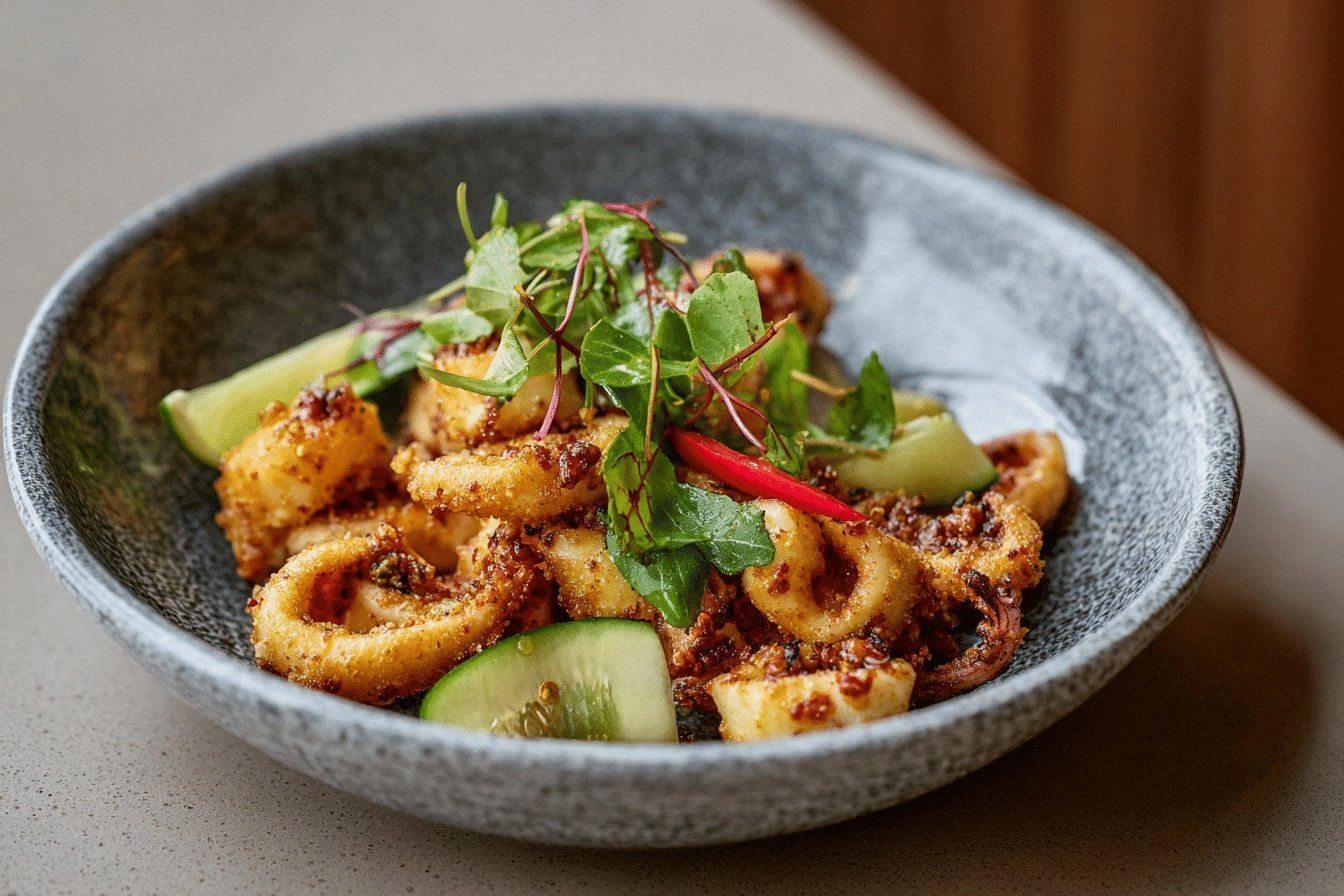
The kitchen instantly transformed into a sensory playground. The sizzle of butter hitting the pan was a crisp, high‑pitched whisper that made my heart race. As the garlic hit the bubbling butter, it released an intoxicating aroma that seemed to hug every corner of the apartment, while the bright zing of lemon juice cut through the richness like a spotlight on a stage. The calamari rings, still glistening with a faint sea‑salt sheen, began to curl and turn golden, their edges crisping to a perfect, delicate crunch that shatters like thin ice under a footstep.
Most recipes for fried calamari either drown the tender rings in a greasy batter or under‑season them, leaving you with a bland bite that feels like chewing on a rubber band. This version, however, skips the flour and deep‑fry routine entirely, opting for a quick sear that locks in moisture while the butter‑garlic sauce clings to each piece like a silk scarf. The result? A dish that is simultaneously light and indulgent, with a buttery coating that melts in your mouth while the paprika adds a smoky whisper that lingers on the palate.
And here’s the kicker: I’m throwing in a secret technique—finishing the calamari with a splash of lemon juice right at the end, which not only brightens the flavor but also prevents the butter from turning greasy. I dare you to taste this and not go back for seconds. Let me walk you through every single step — by the end, you’ll wonder how you ever made it any other way.
What Makes This Version Stand Out
- Taste: The buttery sauce, enriched with garlic and a hint of lemon, creates a flavor profile that is both luxurious and balanced, never overwhelming the delicate sweetness of the calamari.
- Texture: A quick, high‑heat sear gives the rings a crisp outer edge that shatters like thin ice, while the interior stays tender and juicy, delivering a satisfying bite contrast.
- Simplicity: No heavy batters or deep‑frying required; just a pan, a few ingredients, and a few minutes of your time, making it perfect for weeknight cravings.
- Uniqueness: The hot butter finish is a game‑changer, turning a standard seafood appetizer into a restaurant‑level experience that feels indulgent yet approachable.
- Crowd Reaction: I’ve watched friends’ eyes widen and jaws drop the moment they taste the first bite—this dish practically forces applause.
- Ingredient Quality: Using fresh calamari and real butter (never margarine) ensures a clean, pure taste that store‑bought mixes can’t match.
- Cooking Method: The high‑heat pan sear locks in moisture, while the butter sauce finishes the flavor, a technique most home cooks overlook.
- Make‑Ahead Potential: You can prep the calamari and sauce separately, then combine them quickly for a fast, impressive appetizer any time.
Inside the Ingredient List
The Flavor Base
Butter: This isn’t just any butter; it’s the golden heart of the dish. When melted, it becomes a glossy, aromatic lake that carries the garlic and lemon juice, coating each calamari ring in silk. Skipping butter for oil will rob the dish of its luxurious mouthfeel and cause the sauce to separate. If you’re looking for a richer flavor, try a blend of 70% butter and 30% clarified butter (ghee) for a higher smoke point without sacrificing taste.
The Texture Crew
Calamari: Fresh or frozen, the calamari is the star, offering a tender, slightly sweet base that absorbs the butter sauce like a sponge. Fresh rings should be firm to the touch and translucent; frozen rings need a quick thaw in cold water, then a gentle pat‑dry. If you accidentally over‑cook, the texture turns rubbery—a fate we’ll avoid with precise timing. Pro tip: look for rings that are ½‑inch thick; they sear evenly and stay juicy.
The Unexpected Star
Garlic: Fresh minced garlic infuses the butter with a fragrant depth that turns a simple sauce into something unforgettable. Too much garlic can dominate, so a tablespoon of minced cloves is perfect for four servings. If you’re sensitive to raw garlic’s bite, let it bloom in the butter for a minute before adding the calamari; this mellows the sharpness while preserving aroma.
The Final Flourish
Lemon Juice & Seasonings: A splash of lemon juice brightens the buttery richness, while salt, pepper, and paprika create a balanced seasoning layer. The acidity also helps keep the butter from separating, acting like a culinary glue. If you prefer a milder heat, swap paprika for smoked sweet paprika or a pinch of cayenne for a subtle kick.
Everything's prepped? Good. Let's get into the real action...
The Method — Step by Step
First, gather all your ingredients and set them within arm’s reach. This is the moment of truth—having everything pre‑measured ensures you won’t be scrambling mid‑sizzle. Pat the calamari rings dry with paper towels; this simple step prevents steam and guarantees that coveted crisp edge. While you do that, melt 4 tablespoons of butter in a large skillet over medium‑high heat, watching it foam and turn a light amber color.
Once the butter is shimmering, add 1 tablespoon of minced garlic. Let it bloom for about 30 seconds, stirring gently so it doesn’t burn; you’ll know it’s ready when the kitchen fills with a sweet, earthy perfume.
Kitchen Hack: If the garlic starts to brown too quickly, lower the heat a notch—burnt garlic brings bitterness that can ruin the entire sauce.Now, carefully add the calamari rings in a single layer, making sure not to overcrowd the pan. Overcrowding drops the temperature, causing the rings to steam instead of sear. You should hear a confident sizzle the instant they touch the butter—That sizzle when it hits the pan? Absolute perfection. Let them cook undisturbed for 1 minute; the edges will start to turn a golden‑brown hue.
Flip the rings using tongs and season with ½ teaspoon of salt, ¼ teaspoon of black pepper, and ¼ teaspoon of smoked paprika. The paprika adds a subtle smoky depth that elevates the dish from ordinary to unforgettable. Cook for another 45 seconds to a minute, watching the rings curl slightly and the butter turn a richer amber.
At this point, the butter may start to foam—this is normal. Add a generous squeeze of fresh lemon juice (about 1 tablespoon) and give everything a quick toss. The acid will deglaze the pan, lifting any browned bits (fond) and incorporating them into the sauce, creating a glossy coating that clings to each piece.
- Once the sauce is glossy and the calamari are just opaque, remove the pan from heat. This is the moment where timing matters most—overcooking by even 30 seconds turns the rings rubbery.Watch Out: Do not let the butter burn; if it turns dark brown or smells burnt, discard and start over. A burnt butter base will impart a bitter aftertaste that no amount of lemon can fix.
Transfer the calamari to a serving platter, spooning any remaining buttery sauce over the top. The sauce should coat the rings like velvet, leaving a slight sheen that hints at the buttery richness inside. Sprinkle a pinch of extra paprika for color and a final grind of fresh black pepper for aroma.
Serve immediately with lemon wedges on the side for those who love an extra burst of acidity. Pair with a crisp white wine or a light sparkling water to cut through the richness. And now the fun part—watch your guests dive in, eyes widening with each bite. I’ll be honest — I ate half the batch before anyone else got to try it.
Insider Tricks for Flawless Results
The Temperature Rule Nobody Follows
High heat is your ally, but you must control it. If the pan is too hot, the butter will brown before the calamari has a chance to sear, resulting in a burnt flavor. Keep the heat at a medium‑high level—enough to sizzle, but not so high that the butter smokes. I once cranked the stove to max and ended up with a bitter mess; lesson learned, never sacrifice control for speed.
Why Your Nose Knows Best
Don’t rely solely on a timer—listen to the sound of the butter and watch the color. When the butter turns a light amber and gives off a nutty aroma, that’s your cue to add the garlic. If you miss that window, the garlic will scorch, turning bitter. Trust your senses; they’re more reliable than any kitchen gadget.
The 5‑Minute Rest That Changes Everything
After cooking, let the calamari rest for just a minute before serving. This brief pause lets the butter re‑absorb into the rings, ensuring every bite is juicy. Skipping this step can cause the sauce to pool on the plate, making the dish feel greasy rather than buttery.
Seasoning Layers for Depth
Season in stages: a pinch of salt before searing, a dash of pepper after flipping, and a final sprinkle of paprika at the end. Each layer builds complexity, preventing the flavor from feeling one‑dimensional. If you’re adventurous, finish with a pinch of smoked sea salt for an extra umami punch.
Butter vs. Oil: The Great Debate
Butter provides flavor, but it has a lower smoke point than many oils. By adding a splash of high‑smoke‑point oil (like grapeseed) to the butter, you get the best of both worlds: the butter’s richness and the oil’s stability. This trick keeps the sauce from breaking, especially if you’re cooking at higher temperatures.
Creative Twists and Variations
This recipe is a playground. Here are some of my favorite ways to switch things up:
Spicy Chili Butter
Swap half the butter for a chili‑infused butter (mix softened butter with a teaspoon of chili paste). The heat adds a tongue‑tingling kick that pairs beautifully with the sweet calamari. Great for guests who love a little fire.
Coconut Curry Butter
Replace regular butter with coconut oil and stir in a teaspoon of yellow curry powder. The resulting dish has an exotic, slightly sweet undertone that transports you to a tropical beachside market.
Herb‑Infused Butter
Add chopped fresh parsley, thyme, and a pinch of rosemary to the butter before searing. The herbs introduce a fresh, earthy aroma that brightens the richness, perfect for spring gatherings.
Garlic‑Lemon Aioli Dip
Serve the calamari with a side of homemade aioli made from mayo, extra lemon juice, and a hint of smoked paprika. Dipping adds an extra layer of creaminess and lets diners control the flavor intensity.
Crunchy Panko Coating
Lightly dust the calamari rings with panko breadcrumbs before searing. The breadcrumbs add an extra crunch that mimics deep‑fried calamari while still keeping the dish relatively light.
Cheese‑Stuffed Calamari
If you’re feeling adventurous, stuff the calamari tubes with a mixture of ricotta, lemon zest, and a dash of chili flakes before cooking. The cheese melts into the butter sauce, creating pockets of creamy surprise.
Storing and Bringing It Back to Life
Fridge Storage
Place any leftovers in an airtight container and store them in the refrigerator for up to 2 days. The butter sauce will solidify; simply re‑heat gently in a pan over low heat, adding a splash of water to re‑emulsify the butter.
Freezer Friendly
Cool the cooked calamari completely, then transfer to a freezer‑safe bag, removing as much air as possible. Freeze for up to 1 month. To reheat, thaw overnight in the fridge, then quickly pan‑sear with a knob of butter to restore crispness.
Best Reheating Method
The secret to reviving this dish is gentle heat and a little moisture. Add a teaspoon of water or lemon juice to the pan before reheating; the steam will bring the butter back to a glossy sheen without drying out the calamari. Avoid microwave reheating—it makes the rings rubbery.