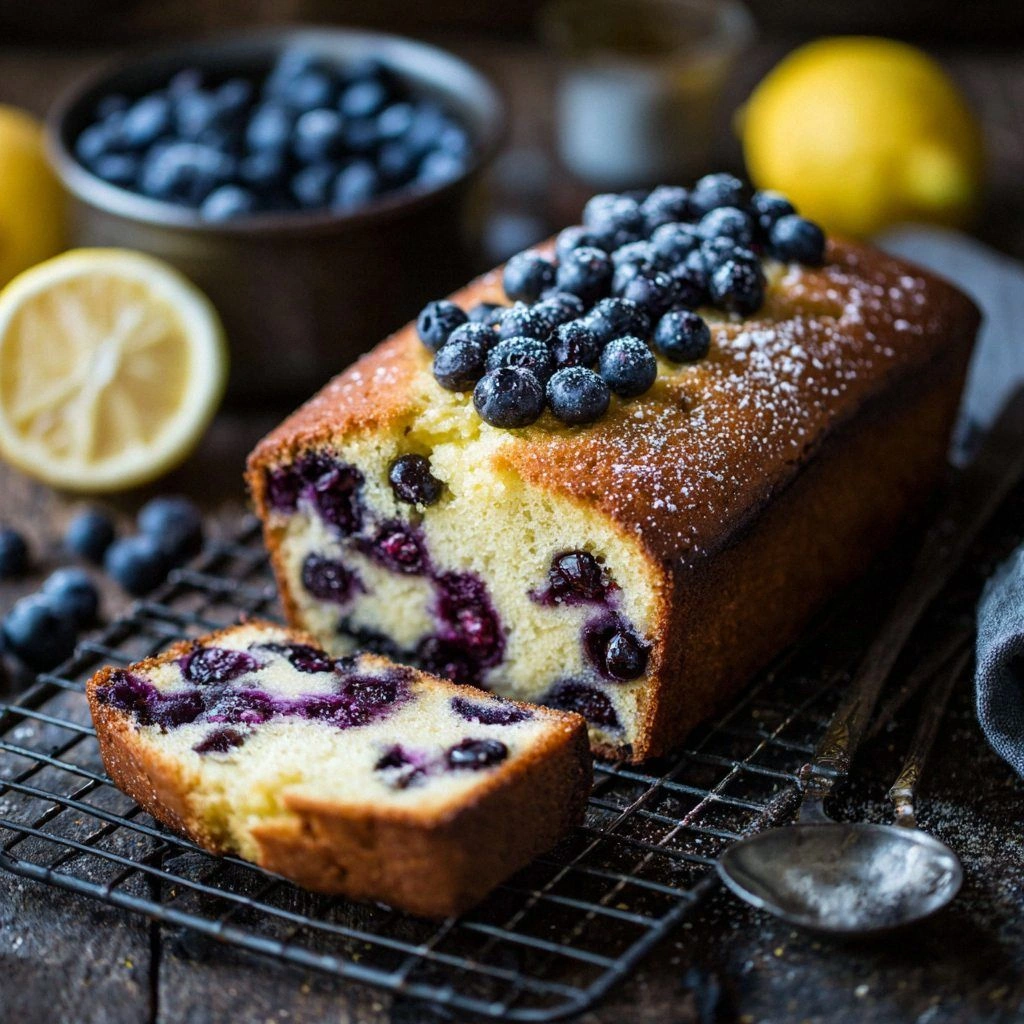
Picture this: I’m standing in my kitchen, a fresh batch of blueberries on the counter, a jar of extra‑virgin olive oil on the stove, and a sudden craving for something bright, sweet, and utterly irresistible. I’ve tried every lemon cake out there, from the dry, over‑baked ones that taste like cardboard to the ones that are so moist they practically melt in your mouth. None of them have captured that zesty, airy, and slightly tangy bite I’m about to share with you. I swear, the moment this cake comes out of the oven, the whole kitchen will smell like a summer citrus grove, and you’ll be tempted to taste it right away—trust me, I dare you to not go back for seconds.
I’ve spent months tinkering, swapping ingredients, and testing temperatures until I landed on a version that is hands down the best lemon blueberry cake you’ll ever make at home. The secret? A generous splash of olive oil that keeps the crumb tender, a splash of Greek yogurt for extra moisture, and a touch of lemon zest that explodes on the palate. I’ll be honest—half the batch was devoured by me before my friends even saw the plate, and that’s the proof of how addictive this is. If you’ve ever struggled with a cake that’s too dense or too dry, you’re not alone, and I’ve got the fix. The next step? Let me walk you through every single detail, and by the end, you’ll wonder how you ever baked anything else.
The first time I tried this recipe, I was skeptical. I had always thought olive oil in a cake was a trick, a way to sneak in fat without the heaviness. But once I tasted the first bite, I was sold. The crumb was buttery, the blueberries burst with juice, and the lemon was bright enough to lift the entire flavor profile. It was like a summer afternoon in a bowl. And the best part? It’s so versatile that you can tweak it for any occasion—whether it’s a brunch, a dessert for a dinner party, or a quick snack.
What makes this version stand out isn’t just the ingredients; it’s the technique. I’ve refined the batter mix, the baking time, and the finish to create a cake that looks gorgeous and tastes even better. The result is a moist, bright, and naturally elegant cake that feels like a secret indulgence. I’ll show you how to achieve that perfect balance of sweet and tart, of airy and dense, and of visual appeal. Okay, ready for the game‑changer? Let’s dive in.
What Makes This Version Stand Out
- Texture: The olive oil and Greek yogurt create an ultra‑moist crumb that doesn’t crumble when you cut it. The batter’s slight viscosity ensures every slice is tender and airy.
- Flavor: Fresh lemon zest and juice deliver a bright, citrus punch that cuts through the richness of the olive oil. The blueberries add a juicy burst that pairs beautifully with the lemon.
- Simplicity: No need for exotic ingredients—just pantry staples plus a few fresh items. The recipe is straightforward enough for beginners, yet sophisticated enough for seasoned bakers.
- Versatility: It can be served plain, glazed, or topped with a lemon‑blueberry compote. Swap in almond flour for a gluten‑free version or use coconut oil for a dairy‑free twist.
- Make‑ahead Potential: The cake holds up beautifully for up to 3 days when stored properly, making it perfect for busy weeks.
- Crowd Reaction: Friends who try it often ask for the recipe, claiming it’s the best lemon cake they’ve ever tasted. The combination of flavors is unforgettable.
- Ingredient Quality: Using high‑quality extra‑virgin olive oil gives a subtle peppery note that elevates the overall taste.
- Health Angle: Olive oil provides healthy monounsaturated fats, while Greek yogurt adds protein and probiotics.
Alright, let’s break down exactly what goes into this masterpiece…
Inside the Ingredient List
The Flour Power
All‑purpose flour is the backbone of this cake, providing structure while remaining light. Using a fine‑sifted flour ensures there are no lumps, giving the batter a silky texture. If you prefer a slightly denser crumb, try adding a tablespoon of cornstarch to the mix. Skipping the flour entirely would leave the batter too loose and result in a cake that collapses in the middle.
The Sweet Backbone
Granulated sugar is the sweetener that balances the tartness of lemon and blueberries. It also caramelizes on the surface, giving the cake a subtle golden crust. For a lower‑sugar version, consider substituting half the sugar with honey or maple syrup, but adjust the liquid slightly to maintain batter consistency. If you omit sugar, the cake will be overwhelmingly tart and will not hold its shape.
The Rise Engine
Baking powder and baking soda are the leavening agents that make the cake rise. Baking powder provides lift even when the batter is acidic, while baking soda reacts with the lemon juice to produce carbon dioxide. Using only one of these leaveners will result in a cake that is either too flat or too dense. If you’re baking at a high altitude, reduce the baking powder by a quarter teaspoon to avoid over‑rise.
The Olive Oil and Yogurt Duo
Extra‑virgin olive oil gives the cake a rich, buttery flavor without the heaviness of butter. It also keeps the crumb moist for days. Greek yogurt adds protein, acidity, and a slight tang that complements the lemon. Together, they create a cake that feels luxurious but isn’t greasy. If you’re vegan, replace the yogurt with coconut yogurt and use a neutral oil like grapeseed.
The Citrus Core
Fresh lemon juice is the star that provides brightness and acidity. It balances the sweetness and activates the baking soda. Lemon zest adds aromatic oils that enhance the overall flavor profile. If you can’t find fresh lemons, bottled lemon juice can be used, but fresh zest is irreplaceable. Skipping the zest will make the cake taste flat.
The Blueberry Burst
Blueberries are the unexpected star that add natural sweetness and a pop of color. They also provide antioxidants and a slight tartness that pairs with the lemon. If you’re out of blueberries, raspberries or blackberries work well. Frozen blueberries can be used, but thaw them first to avoid excess liquid. Leaving out the berries will transform this into a plain lemon cake.
The Final Flourish
Vanilla extract rounds out the flavors, adding warmth and depth. A light dusting of powdered sugar glaze adds a sweet finish and a glossy look. If you prefer a more pronounced glaze, increase the powdered sugar or add a tablespoon of lemon juice for extra tang. Skipping the glaze will result in a drier surface.
Everything's prepped? Good. Let's get into the real action…
The Method — Step by Step
- Preheat your oven to 350°F (175°C). Grease a 9‑inch round cake pan with a thin layer of olive oil, then dust it with flour to prevent sticking. Line the bottom with parchment paper for a flawless release. This step ensures a smooth surface and even baking.
- In a large bowl, whisk together the flour, sugar, baking powder, baking soda, and salt. This dry blend ensures even distribution of leavening agents. Sifting the dry ingredients also helps prevent lumps.
- In a separate bowl, combine the olive oil, Greek yogurt, lemon juice, lemon zest, eggs, and vanilla extract. Beat the wet mixture until the yogurt is fully incorporated and the batter is smooth. The wet ingredients should be at room temperature for best results.
- Pour the wet mixture into the dry ingredients and stir gently with a spatula until just combined. Be careful not to over‑mix; a few streaks of flour are fine. Over‑mixing can lead to a dense, tough cake.
- Pour the batter into the prepared pan, smoothing the top with a spatula. Tap the pan gently on the counter to release any air bubbles. This helps the cake rise evenly and prevents doming.
- Bake for 30–35 minutes, or until a toothpick inserted into the center comes out clean. The top should be golden and slightly firm. Keep an eye on the edges; they should pull away from the pan slightly.
- Remove the cake from the oven and let it cool in the pan for 10 minutes. Then transfer it to a wire rack to cool completely. Cooling is essential for the crumb to set properly.
- While the cake is cooling, whisk together powdered sugar and a tablespoon of lemon juice to create a glaze. Drizzle the glaze over the cooled cake, allowing it to soak into the crumb. This final touch adds a glossy finish and extra citrus flavor.
That's it — you did it. But hold on, I've got a few more tricks that'll take this to another level. The glaze can be replaced with a simple dusting of powdered sugar, or you can swirl in a lemon‑blueberry compote for a decadent finish. The key is to let the cake rest before serving; this allows the flavors to meld and the moisture to distribute evenly.
Insider Tricks for Flawless Results
The Temperature Rule Nobody Follows
Many bakers bake at 375°F, but that can cause the cake to brown too quickly on the outside while remaining undercooked inside. Baking at 350°F gives a gentle, even rise and a beautiful golden crust. If you’re using a convection oven, lower the temperature by 25°F to avoid over‑browning. This small adjustment can make the difference between a mediocre and a spectacular cake.
Why Your Nose Knows Best
When you’re baking, the aroma is a real-time indicator of the cake’s progress. A warm, buttery scent with a hint of citrus means the cake is baking properly. If you start to smell something burnt, it’s time to lower the heat or cover the cake with foil. Trust your nose; it’s a reliable, instinctive guide.
The 5‑Minute Rest That Changes Everything
After you remove the cake from the oven, let it rest in the pan for 5 minutes before transferring it to a wire rack. This brief pause allows the crumb to set, preventing it from cracking or falling apart when you turn it. Some bakers skip this step, and the result is a cake that looks perfect but falls apart on the plate.
Keep the Blueberries Intact
When folding the berries into the batter, use a gentle, sweeping motion. Over‑mixing can burst the berries and release too much liquid, which will make the cake soggy. If you want a burst of flavor in every bite, fold them in just until they’re evenly distributed.
Use Room‑Temperature Eggs
Room‑temperature eggs mix more evenly with the wet ingredients, creating a smoother batter. If you’re in a hurry, whisk the eggs with a splash of warm water for 30 seconds to bring them closer to room temperature. Cold eggs can cause the batter to curdle, resulting in a lumpy cake.
Creative Twists and Variations
This recipe is a playground. Here are some of my favorite ways to switch things up:
Lemon‑Lavender Swirl
Add a teaspoon of dried lavender to the batter for an aromatic twist. The floral notes complement the lemon, creating a sophisticated flavor profile. This version is perfect for a spring brunch or a wedding cake.
Berry Medley Explosion
Replace blueberries with a mix of raspberries, blackberries, and strawberries. The variety of berries adds depth and color, making the cake visually stunning. The different textures also provide a pleasant contrast.
Almond Flour Variation
Swap all‑purpose flour for almond flour to make a gluten‑free cake. Use 2 cups of almond flour, and reduce the sugar slightly to balance the nutty flavor. This version is great for those with gluten sensitivities.
Chocolate Drizzle Finish
Drizzle melted dark chocolate over the glaze for a decadent chocolate‑lemon fusion. The bittersweet chocolate pairs beautifully with the citrus, adding a new layer of flavor. This is a crowd‑pleaser for dessert tables.
Raspberry‑Lemon Cream Cheese Frosting
Swap the powdered sugar glaze for a light raspberry‑cream cheese frosting. Whip 8 ounces of cream cheese with a tablespoon of lemon zest and powdered sugar until fluffy. This frosting adds a tangy, creamy element that elevates the cake.
Mini Lemon Blueberry Cheesecake Bars
Use the batter to make a cheesecake bar by pouring it over a graham cracker crust in a 9×13 pan. Bake at 325°F for 30 minutes, then chill for 2 hours before slicing. The result is a rich, sliceable dessert perfect for parties.
Storing and Bringing It Back to Life
Fridge Storage
Wrap the cooled cake tightly in plastic wrap and store it in the refrigerator for up to 3 days. The moisture from the olive oil and yogurt keeps the crumb soft. When ready to serve, let it sit at room temperature for 30 minutes to restore its airy texture.
Freezer Friendly
Slice the cake and freeze each piece individually on parchment paper. Once frozen, transfer the slices to a freezer bag. The cake can be stored for up to 2 months. To thaw, let the slices sit at room temperature for 20 minutes.
Best Reheating Method
To reheat a slice, place it on a microwave‑safe plate and warm on low for 20 seconds. If you prefer a warm, freshly baked feel, place the slice in a preheated oven at 300°F for 5 minutes. Add a tiny splash of water before reheating to create steam, which restores moisture and prevents drying out.