I was halfway through a late‑night pizza bake, the dough sticking to my hands like a stubborn ex, when the kitchen lights flickered and a sudden craving hit me. I wanted something fresh, bright, and full of flavor—something that could turn the chaos of a burnt crust into a triumph of taste. That’s when I remembered the Levantine salad I’d tried at a roadside market, a bowl of parsley, bulgur, and a zesty dressing that seemed to sing on the tongue. The memory sparked a daring idea: a vegan version that would outshine every other parsley‑based dish on my fridge.
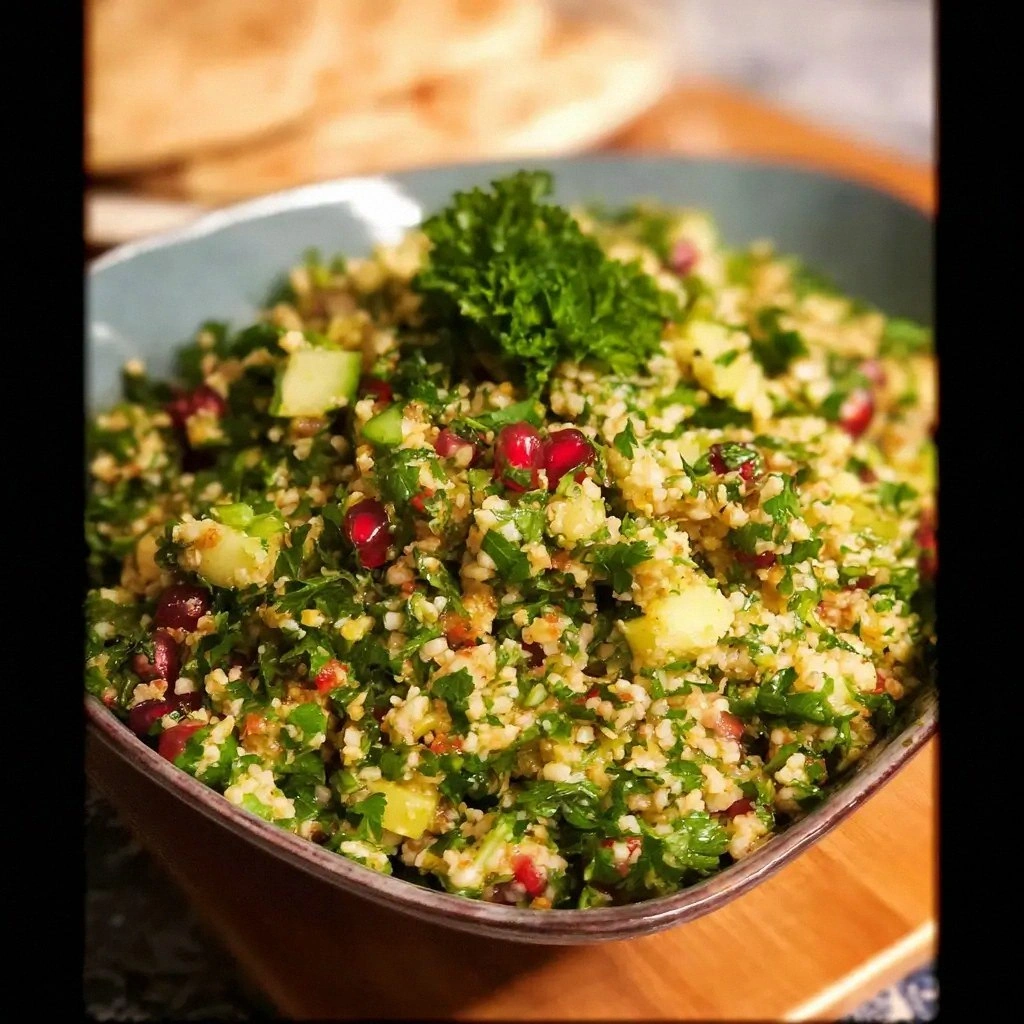
Picture this: a bowl of toasted bulgur, its grains airy and slightly nutty, mingling with a riot of green parsley and mint that smell like a fresh garden after rain. The scent is punctuated by the sharp citrus of lemon and the deep, earthy undertone of sumac. As you stir, the olive oil glistens, coating each grain, while the pomegranate molasses drips like liquid ruby, adding a subtle sweetness that balances the acidity. The crunch of diced cucumber and the soft bite of chickpeas create a textural dance, and the tiny pop of toasted pine nuts adds a final, satisfying bite. Every ingredient is a note in a symphony, and the whole dish sings louder than any single component.
What makes this version stand out isn’t just the ingredients—it’s the method. I toasted the bulgur in a dry skillet until it released a nutty aroma, then let it cool before mixing, giving it a firm yet fluffy texture that holds the dressing beautifully. The dressing is a blend of freshly squeezed lemon, minced garlic, and a splash of pomegranate molasses, whisked until it emulsifies into a silky coat that lingers on the herbs. I added a pinch of sumac for a smoky tang that’s often missing in other parsley salads. The result is a dish that feels like a party in a bowl, with each bite delivering a burst of flavor and a satisfying crunch.
I dare you to taste this and not go back for seconds. I promise, this is hands down the best version of a parsley salad you’ll ever make at home. If you’ve ever struggled with bland salads or overcooked bulgur, you’re not alone—this recipe is a fix for those common pitfalls. Stay with me here—this is worth it. Let me walk you through every single step, and by the end, you’ll wonder how you ever made it any other way.
What Makes This Version Stand Out
- Flavor: The combination of fresh herbs, citrus, and pomegranate molasses creates a layered taste that’s both bright and complex. Each ingredient amplifies the others, delivering a finish that lingers on the palate.
- Texture: Toasted bulgur provides a satisfying bite, while the fresh vegetables add crunch and the chickpeas offer a hearty chew. The dressing coats without weighing the bowl down.
- Simplicity: With fewer than a dozen ingredients, the recipe is straightforward, yet each step is purposeful, ensuring a flawless outcome even for beginners.
- Uniqueness: The use of sumac and pomegranate molasses gives the dish a distinct Levantine flair that sets it apart from typical green salads.
- Audience: Whether you’re a vegan, a health‑conscious foodie, or just looking for a quick, flavorful side, this salad satisfies all cravings.
- Ingredient Quality: Fresh, high‑quality herbs and a good olive oil are the backbone of this dish. The better the ingredients, the more vibrant the final result.
- Cooking Method: Toasting the bulgur before mixing locks in flavor and prevents mushiness—a technique that elevates the dish.
- Make‑ahead Potential: The salad holds well for up to 24 hours, making it a perfect option for meal prep or entertaining.
Alright, let's break down exactly what goes into this masterpiece...
Inside the Ingredient List
The Flavor Base
At the heart of this dish is the bulgur wheat, a staple in Levantine cuisine. It’s a quick‑cooking grain that absorbs flavors like a sponge, making it ideal for salads. If you skip it, the salad loses its body and the dressing will feel light and unanchored. For a richer texture, opt for fine bulgur rather than coarse. When buying, look for a light, sandy color—dark bulgur can indicate a longer cooking time and a different flavor profile.
The Herb Crew
Fresh parsley is the star, but the addition of mint gives a cool, almost minty sweetness that balances the lemon’s sharpness. Parsley provides a bright green color and a mild peppery flavor, while mint adds a refreshing undertone. If you’re out of mint, a splash of chopped cilantro can substitute, though the flavor will shift slightly. The key is to chop both herbs finely so they release their oils and aromas.
The Unexpected Star
Pomegranate molasses is the secret ingredient that brings a subtle, caramelized sweetness with a hint of tartness. It’s a thick, dark syrup that coats the salad like a glossy glaze. If you can’t find pomegranate molasses, a mixture of balsamic vinegar and a dash of honey will approximate its flavor, though the depth won’t be identical. This component is what makes the salad stand out from typical green salads.
The Final Flourish
Sumac adds a smoky, citrusy note that is quintessentially Levantine. It’s a spice that’s often underused in Western kitchens, but it elevates the dish’s complexity. If sumac isn’t available, a pinch of smoked paprika can serve as a makeshift substitute, though it will alter the flavor profile slightly. The toasted pine nuts add a crunchy texture and a buttery taste that complements the grains.
Everything's prepped? Good. Let's get into the real action...
The Method — Step by Step
- Toast the bulgur: Heat a dry skillet over medium heat and add the bulgur. Stir constantly for about 5 minutes until it turns a light golden brown and releases a nutty aroma. Remove from heat and let it cool completely; this prevents the grains from becoming soggy later.
- Prepare the dressing: In a small bowl, whisk together the lemon juice, minced garlic, olive oil, pomegranate molasses, sumac, salt, and pepper. The goal is a silky emulsion that coats the grains without separating. Taste and adjust seasoning—add more salt if needed.
- Combine the greens: In a large mixing bowl, combine the chopped parsley, mint, diced tomato, cucumber, and red onion. Toss gently to distribute the vegetables evenly.
- Add chickpeas: Fold in the cooked chickpeas, which will add protein and a subtle earthiness that balances the citrus.
- Introduce the bulgur: Add the cooled bulgur to the bowl and gently stir to combine. The grains should be well mixed but not mashed.
- Dress the salad: Pour the dressing over the mixture and toss until everything is evenly coated. You should see a glossy sheen on the bulgur and vegetables.
- Finish with pine nuts: Sprinkle toasted pine nuts on top for crunch and a buttery finish. If you prefer a nut-free version, omit them without compromising flavor.
- Rest and serve: Let the salad sit for 10 minutes before serving so the flavors meld. This resting period allows the bulgur to absorb the dressing fully. Serve at room temperature or slightly chilled.
That’s it — you did it. But hold on, I’ve got a few more tricks that will take this to another level. Keep reading to discover how to elevate this dish for any occasion.
Insider Tricks for Flawless Results
The Temperature Rule Nobody Follows
Many people think room temperature ingredients are best, but for this salad, keep the bulgur slightly warm after toasting. Warm grains absorb dressing more quickly, giving you a silkier texture. If you’re serving immediately, a quick 30‑second microwave rinse can bring the bulgur back to a pleasant warmth.
Why Your Nose Knows Best
When the bulgur starts to toast, a distinct nutty aroma will rise. That scent is a cue to stop the skillet. If you let it burn, the flavor will turn bitter and ruin the entire dish. Trust your nose, and you’ll have perfectly toasted grains every time.
The 5‑Minute Rest That Changes Everything
After tossing the dressing, let the salad sit for exactly five minutes. During this time, the bulgur expands slightly and the dressing settles, creating a unified flavor profile. Skipping this step leaves the salad feeling under‑seasoned.
The Quick Toast for Pine Nuts
Toast pine nuts in a dry pan over medium heat, shaking frequently, until they’re golden and fragrant—about 3 minutes. If you skip this step, the nuts will taste raw and lack the buttery crunch that elevates the dish.
The Secret Ingredient Swap
If you can’t find pomegranate molasses, a mix of 1 tablespoon balsamic vinegar and 1 teaspoon honey will mimic the sweet‑tart profile. Though it’s not identical, it delivers a similar depth that keeps the dish balanced.
Creative Twists and Variations
This recipe is a playground. Here are some of my favorite ways to switch things up:
Mediterranean Mix‑up
Swap the chickpeas for diced kalamata olives and add a splash of extra‑virgin olive oil. The olives bring brininess that complements the citrusy dressing, making it feel more Mediterranean.
Spicy Kick
Add a pinch of crushed red pepper flakes or a dash of harissa to the dressing. The heat will contrast the sweetness of the pomegranate molasses, creating a lively flavor profile.
Roasted Veggie Edition
Roast diced sweet potatoes and butternut squash until caramelized, then fold them into the salad. The roasted veggies add a sweet, earthy dimension that pairs well with the bright herbs.
Protein Power
Replace chickpeas with grilled tofu cubes or tempeh for a protein boost. Marinate the protein in lemon juice and garlic before grilling to infuse it with the salad’s core flavors.
Herb‑Infused Olive Oil
Infuse the olive oil with fresh rosemary and thyme before whisking into the dressing. The aromatic oil adds depth and a fragrant finish that elevates the entire dish.
Storing and Bringing It Back to Life
Fridge Storage
Store the salad in an airtight container for up to 24 hours. The bulgur will remain firm, and the dressing will meld with the flavors. If the salad looks dry, drizzle a splash of olive oil before serving.
Freezer Friendly
You can freeze the uncooked bulgur and vegetables separately, but not the dressing. Reheat the bulgur in a microwave for 30 seconds, then toss with fresh dressing before serving.
Best Reheating Method
To revive a chilled salad, gently warm it in a skillet over low heat, stirring constantly. Add a tiny splash of water or vegetable broth to create steam, which will help the dressing re‑emulsify and restore that silky coating.