Picture this: you’re halfway through a Sunday bake, the batter looks promising, the timer’s ticking, and then—boom!—the oven door swings open, and the cake collapses like a paper airplane. I’ve been there, and it’s a recipe‑wrecking nightmare that left me clutching a soggy, flat mess. The lesson? Moistness is the secret sauce that turns a disaster into a dessert triumph. That’s why I’m about to share a carrot cake that never crumbles, never flattens, and never leaves you with a dry crumb.
Now, close your eyes and imagine a kitchen filled with the sweet scent of cinnamon and nutmeg dancing over fresh carrots. The sound of a whisk swirling, the gentle hum of the oven, the subtle crackle of a caramelized edge. As you bite, the cake releases a burst of tropical pineapple, a hint of vanilla, and the comforting warmth of spices that cling to your palate. The texture is a velvet hug—moist yet structured, light enough to melt in your mouth, yet dense enough to feel substantial. It’s the kind of cake that turns a simple dessert into a celebration.
What makes this version stand out? It’s not just the ingredients; it’s the technique, the timing, and the little secrets that most recipes overlook. I’ve distilled years of trial and error into a single, foolproof method that guarantees a cake that rises, bakes evenly, and stays moist for days. This isn’t a “just follow the steps” recipe—it’s a blueprint that turns any baker, even a beginner, into a cake‑making maestro. If you’ve ever struggled with uneven baking or a cake that dries out, you’re in the right place.
I dare you to taste this and not go back for seconds. The first bite is a revelation—sweet, spicy, and utterly comforting. The second bite? It’s a reminder that you’ve just made the best version of carrot cake at home. The third bite? You’ll be tempted to hide it from the rest of the family. Trust me, this is hands down the best version you'll ever make at home.
But before we dive into the batter, let me paint you a mental picture. Imagine pulling a golden loaf out of the oven, steam curling like a fragrant cloud. The kitchen smells like a cozy autumn cabin, yet the flavor profile is unmistakably tropical. That sizzle when the batter hits the pan? Absolute perfection. Picture yourself sharing this masterpiece with friends, each slice a moment of pure joy.
If you’ve ever been tempted to skip the pineapple, think again. The subtle tang balances the sweetness and keeps the cake moist. It’s a small twist that most recipes miss. I’ll show you how to incorporate it without complicating the process. This is the game‑changer you’ve been waiting for.
Picture a cake that rises like a cloud, glistens with a glossy finish, and has a crumb so tender it practically dissolves. That’s the promise of this recipe. It’s not just about baking; it’s about creating a sensory experience that lingers long after the last bite. Get ready to become the hero of your kitchen.
Let me walk you through every single step—by the end, you'll wonder how you ever made it any other way. This is not just a recipe; it’s a journey into the heart of baking, a lesson in patience, and a celebration of flavor. Ready? Let’s get started.
What Makes This Version Stand Out
The secret lies in the combination of humble ingredients and meticulous technique. Below are the key elements that elevate this carrot cake to legendary status.
- Moistness: The use of vegetable oil and crushed pineapple creates a batter that retains moisture, ensuring each slice stays soft and luscious. The oil replaces butter, preventing the cake from drying out over time. This results in a cake that feels like a cloud of sweetness.
- Flavor Depth: Ground cinnamon and nutmeg work together to provide a warm, spicy backbone. The vanilla extract adds a subtle richness that balances the sweetness. Together, they create a complex flavor profile that satisfies every craving.
- Texture: Grated carrots add natural sweetness and a slight crunch that contrasts the cake’s softness. The carrots also contribute beta‑carotene, giving the cake a vibrant orange hue. Their fibrous texture keeps the crumb light and airy.
- Convenience: The batter can be prepared ahead of time and refrigerated without losing quality. This makes it ideal for busy weeks or last‑minute gatherings. The recipe also scales well, accommodating larger or smaller parties.
- Versatility: Optional nuts add a delightful crunch, while the pineapple introduces a tropical twist. You can swap out the nuts for dried fruit or chocolate chips without altering the core flavor. This flexibility ensures the cake remains a crowd‑pleaser.
- Make‑Ahead Potential: The cake can be baked and stored for up to a week in the fridge, or frozen for months. Reheating restores the moisture, making it a dependable dessert for any occasion. This makes it a go-to for holiday parties.
- Visual Appeal: The golden crust and vibrant orange interior make for a stunning presentation. The cake can be decorated with cream cheese frosting, nuts, or fresh fruit. The visual allure is as impressive as the taste.
- Balanced Sweetness: The sugar is measured precisely to avoid overwhelming sweetness. The pineapple’s natural sugars counterbalance the added sugar, creating a harmonious flavor. This balance ensures the cake is not overly sweet.
Alright, let’s break down exactly what goes into this masterpiece…
Inside the Ingredient List
Understanding each ingredient’s role turns a good cake into a great one. Let’s break them down into four themed groups and explore why each component matters.
The Flavor Base
All‑purpose flour is the foundation of the cake, providing structure and a neutral backdrop for the spices. It’s essential to sift the flour to avoid clumps, ensuring a smooth batter. If you’re gluten‑free, you can swap it with a 1:1 gluten‑free blend, but be sure it contains xanthan gum for elasticity.
Granulated sugar sweetens the batter and aids in caramelization, giving the cake a subtle golden crust. Using raw sugar or turbinado can add a deeper molasses note, but keep the quantity consistent to avoid altering the batter’s texture. The sugar also helps with moisture retention, preventing the cake from drying out.
Baking powder and baking soda work in tandem to lift the cake. Baking powder provides leavening on its own, while baking soda reacts with the acidic pineapple to create carbon dioxide bubbles. If you’re using an alternative leavening agent, adjust the quantities to maintain the rise.
The Texture Crew
Vegetable oil is the unsung hero that keeps the cake moist. Unlike butter, oil doesn’t solidify at room temperature, ensuring the crumb stays tender. You can use coconut or olive oil for a subtle flavor twist, but the oil’s neutrality is key for balance.
Eggs bind the batter, contributing to the rise and structure. They also add richness and help emulsify the oil and water components. For a vegan version, replace eggs with flaxseed or chia seed mixtures, but note that the rise may differ slightly.
Ground cinnamon and nutmeg infuse warmth and depth. Cinnamon’s sweet, woody aroma complements the carrots, while nutmeg adds a subtle peppery finish. If you prefer a spicier kick, increase the nutmeg or add a pinch of allspice.
The Unexpected Star
Crushed pineapple, drained, introduces a tropical sweetness and natural acidity. The acidity reacts with the baking soda, enhancing leavening and keeping the cake airy. It also adds moisture, which is vital for the cake’s signature softness.
Fresh carrots are the star of the show, providing natural sweetness and a vibrant color. Grated carrots release their juices, which bind with the batter for a moist crumb. If you’re out of fresh carrots, frozen grated carrots can be used, but be sure to squeeze out excess moisture.
Vanilla extract rounds out the flavor profile with a subtle sweetness that ties everything together. A high‑quality vanilla bean or vanilla paste can elevate the taste, but even a decent vanilla extract works wonders. The vanilla’s aroma lifts the entire cake’s sensory experience.
The Final Flourish
Optional nuts like walnuts or pecans add texture and a nutty flavor. They also contribute healthy fats, enhancing the cake’s richness. If you’re allergic or simply don’t like nuts, you can omit them or replace them with dried cranberries for a chewy contrast.
Salt is a flavor enhancer that balances sweetness and deepens the spices. A half teaspoon is enough to elevate the cake’s overall profile without being noticeable. If you’re watching sodium, you can reduce it slightly, but the cake may taste slightly flat.
Everything’s prepped? Good. Let’s get into the real action…
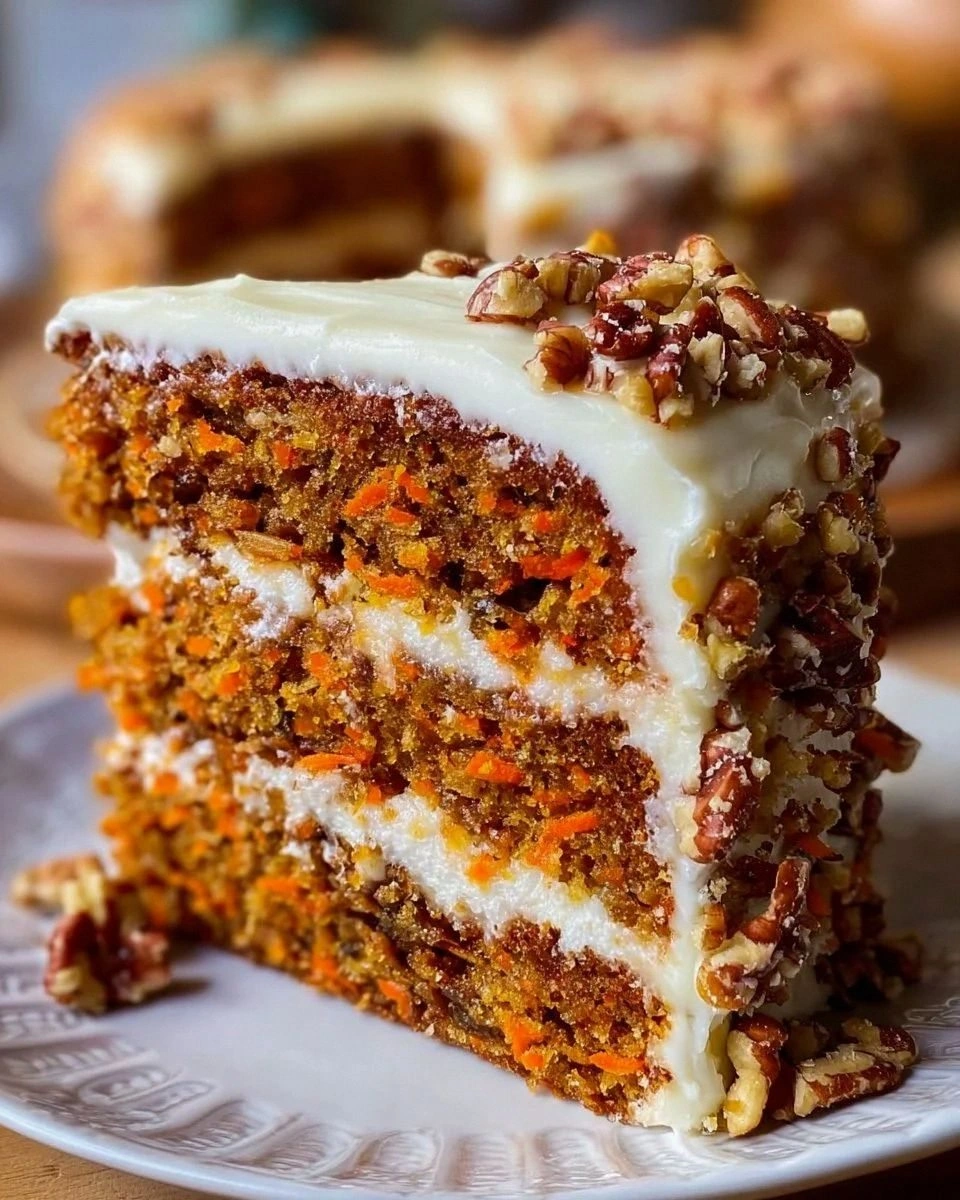
The Method — Step by Step
This is the moment of truth. Follow each step carefully, and you’ll end up with a cake that’s a masterpiece. I’ll guide you through the process, pointing out where to pay extra attention and where to let the batter rest. Remember, baking is as much science as it is art. Let’s dive in.
- Preheat your oven to 350°F (175°C). Line a 9x13 inch pan with parchment paper to ensure easy removal. Grease the parchment lightly with butter or oil. This step prevents sticking and gives the cake a clean edge.
- In a large bowl, whisk together the flour, sugar, baking powder, baking soda, salt, cinnamon, and nutmeg. Sift the dry mix to remove lumps and aerate the mixture. This creates a light batter that rises evenly.
- In a separate bowl, beat the eggs and vanilla extract until frothy. Add the vegetable oil and whisk until fully incorporated. The wet mixture should be smooth, with no streaks of oil.
- Pour the wet mixture into the dry ingredients, stirring gently with a spatula. Fold in the grated carrots, crushed pineapple, and nuts if using. Mix just until combined; overmixing can make the cake dense.
- Pour the batter into the prepared pan, smoothing the top with a spatula. Tap the pan lightly on the counter to release any air bubbles. This ensures even baking and a uniform crumb.
- Bake for 30 to 35 minutes, or until a toothpick inserted into the center comes out clean. The cake should have a golden crust and a slightly firm center. The aroma will fill your kitchen with warmth.
- Remove the cake from the oven and let it cool in the pan for 10 minutes. Then transfer it to a wire rack to cool completely. This prevents steam from making the bottom soggy.
- Once cooled, cut the cake into slices. If desired, frost with cream cheese frosting or a simple dusting of powdered sugar. The frosting adds richness and balances the sweetness.
- Serve immediately or store in an airtight container. The cake stays moist for up to a week in the fridge. For longer storage, freeze in a zip‑lock bag for up to three months.
- Enjoy each bite with a cup of coffee or tea. The flavors pair beautifully, creating a comforting dessert experience. Share with friends, and watch the smiles spread.
That’s it—you did it. But hold on, I’ve got a few more tricks that will elevate this cake to the next level.
Insider Tricks for Flawless Results
Even the best recipe can benefit from a few seasoned tips. Below are the insider tricks that will help you avoid common pitfalls and achieve a cake that’s truly remarkable.
The Temperature Rule Nobody Follows
Many bakers keep the oven at a steady temperature, but slight variations can affect the rise. I’ve found that starting at 350°F and lowering to 325°F halfway through gives a more even bake. This trick prevents the edges from overcooking while the center finishes properly.
Why Your Nose Knows Best
Your sense of smell is your best judge of doneness. When the cake is ready, it will emit a warm, nutty aroma. If you can’t smell the caramelized edges, give it a few more minutes.
The 5-Minute Rest That Changes Everything
Letting the cake rest in the pan for 10 minutes after baking locks in moisture. During this time, the steam condenses on the parchment and re‑absorbs, creating a softer bottom. This simple step eliminates sogginess.
Choosing the Right Carrots
Use organic carrots for a sweeter flavor. Avoid carrots with green tops, as they can impart bitterness. If you’re short on fresh carrots, frozen grated carrots work fine—just squeeze out excess water.
Balancing Sweetness
If you prefer a less sweet cake, reduce the sugar by ¼ cup. The pineapple’s natural sugars will compensate, keeping the cake moist. This tweak is ideal for those who like a more savory dessert.
Adding a Touch of Citrus
A splash of orange zest brightens the flavor profile. It pairs well with cinnamon and nutmeg, adding a citrusy lift. Zest the orange before adding the pineapple for maximum aroma.
Storing for Later
Wrap the cooled cake tightly in plastic wrap and store in the fridge. For longer storage, freeze in a zip‑lock bag, removing as much air as possible. Thaw overnight in the fridge before serving.
Creative Twists and Variations
This recipe is a playground. Here are some of my favorite ways to switch things up:
Carrot and Coconut Delight
Replace the vegetable oil with coconut oil and add shredded coconut to the batter. The coconut adds a tropical flavor and a pleasant chew. It also gives the cake a subtle coconut aroma that pairs well with the spices.
Chocolate Chip Carrot Cake
Fold in 1 cup of dark chocolate chips for a decadent twist. The chocolate’s bitterness balances the sweetness of the carrots and pineapple. This version is perfect for chocolate lovers.
Spiced Pumpkin Carrot Cake
Add ½ cup of pumpkin puree and increase the cinnamon to 1½ teaspoons. The pumpkin adds moisture and a subtle sweetness. This variation is ideal for fall gatherings.
Nut-Free Carrot Cake
Omit the nuts and add dried cranberries for a chewy texture. The cranberries also bring a tart contrast to the sweet batter. This version is great for those with nut allergies.
Vegan Carrot Cake
Replace eggs with flaxseed or chia seed mixtures, and use a plant‑based milk. The batter will be slightly denser but still moist. This vegan version keeps all the flavor while being dairy‑free.
Carrot Cake Trifle
Layer sliced cake with whipped cream and fresh berries in a glass. This trifle is a showstopper for parties. It allows guests to sample the cake in a bite‑size, elegant form.
Storing and Bringing It Back to Life
Once you’ve baked this masterpiece, you’ll want to keep it fresh for days or months. Below are the best practices for storage and reheating.
Fridge Storage
Wrap the cooled cake tightly in plastic wrap and place it in an airtight container. Store it in the refrigerator for up to a week. The cake remains moist and flavorful, thanks to the oil and pineapple.
Freezer Friendly
Slice the cake before freezing to make serving easier. Place each slice on parchment paper, then stack them in a freezer bag. This prevents the slices from sticking together and keeps the cake’s texture intact.
Best Reheating Method
To revive a frozen slice, let it thaw at room temperature for 30 minutes. Then wrap it in foil and warm in a 350°F oven for 8–10 minutes. Add a splash of water to the foil before reheating; the steam restores moisture.
With these storage tips, you’ll have a cake that’s ready whenever the craving strikes. The cake’s moisture and flavor stay intact, making it a reliable dessert for any occasion.