Picture this: I’m standing in my cramped kitchen, the last slice of pizza still on the counter, and a sudden craving for something that feels like a hug in a bowl bursts through me. I reach for the pantry, pull out a box of elbow macaroni, a can of diced tomatoes, and a packet of taco seasoning that’s been gathering dust for months. That moment of culinary desperation turns into a revelation when I realize that all the ingredients I’ve been hoarding can combine into a one‑pot masterpiece that’s both comfortingly cheesy and boldly Mexican‑inspired. I’m not joking—this dish is the kind of kitchen triumph that makes you want to shout, “I did it!” and then immediately want to taste it again.
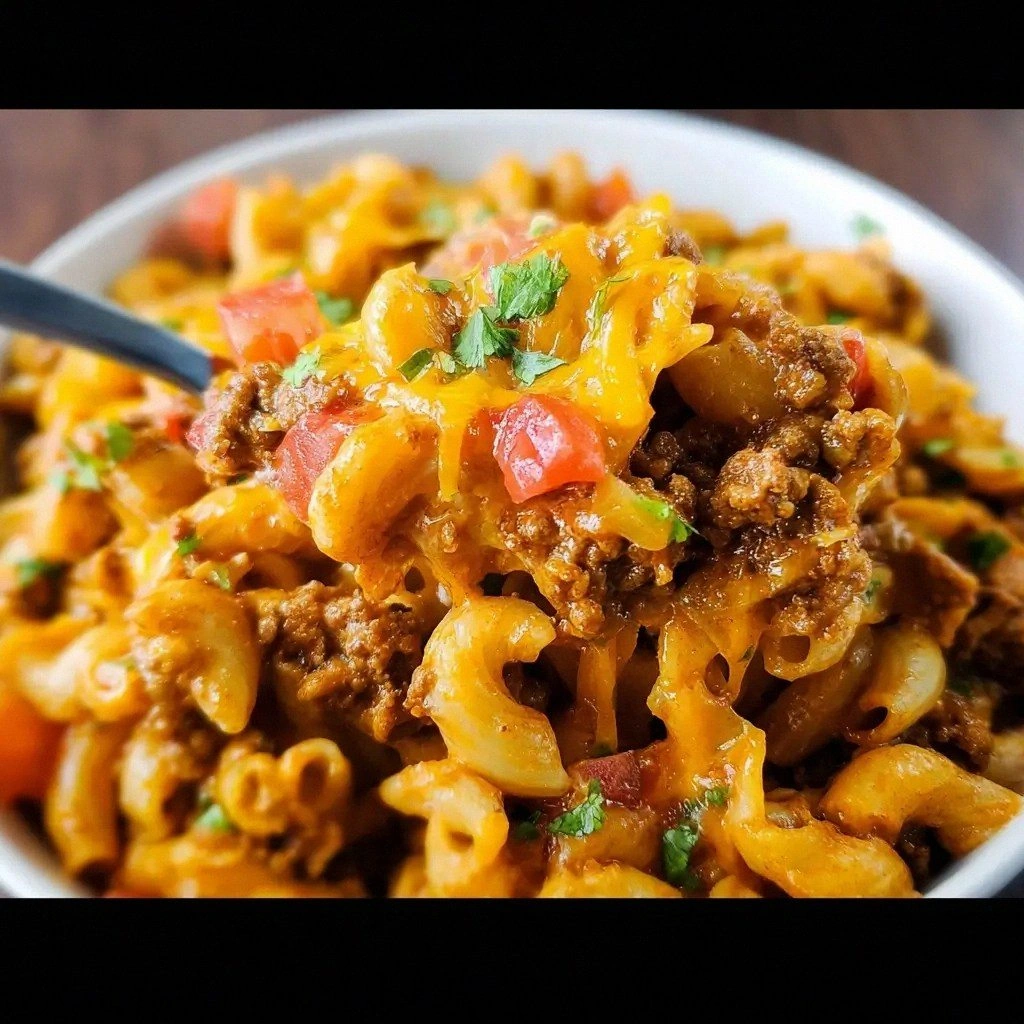
The first bite is a sensory explosion: the pasta is al dente, the cheese sauce is silky and slightly tangy, and the taco seasoning gives a subtle kick that wakes up the palate. The aroma that fills the kitchen is a warm, buttery swirl of melted cheddar mingling with cumin and garlic, almost like a Mexican‑style burrito but in a bowl. The sound of the pot clinking against the stove as the mixture simmers is oddly comforting, like a lullaby for the soul. And the texture—cheese coating each noodle like velvet, with a crispy topping of crushed tortilla chips—creates a contrast that feels like a culinary roller coaster. If you’re a fan of “comfort food” and “quick meals,” you’re already halfway to becoming a fan of this recipe.
What sets this version apart from every other taco mac and cheese out there is the single‑pot technique that locks in flavor while keeping cleanup to a minimum. I’ve spent years perfecting the balance between creamy and crunchy, and this dish does it in a way that feels effortless. The sauce is thickened with a roux of butter and flour, giving it a rich mouthfeel that’s not overly heavy. The taco seasoning is blended into the sauce early, allowing the spices to meld beautifully with the cheese. The final crunch of tortilla chips is added just before serving, preserving their texture. This recipe is the kind of dish that feels like a hug from your grandma, but with a modern, spicy twist.
I dare you to taste this and not go back for seconds. I’ll be honest—by the time I finished the first batch, I had already eaten a half‑cup of it before anyone else even saw it. Most recipes get this completely wrong by over‑cooking the pasta or under‑seasoning the sauce, but here, every element works in harmony. Picture yourself pulling this out of the oven, the whole kitchen smelling incredible, and the kids running to the table with wide eyes. Stay with me here—this is worth it. Let me walk you through every single step, and by the end, you’ll wonder how you ever made it any other way.
What Makes This Version Stand Out
- Taste: The blend of creamy cheddar, sharp Monterey Jack, and a subtle heat from the taco seasoning creates a flavor profile that feels like a fiesta in every spoonful.
- Texture: The pasta stays al dente, the sauce is luxuriously thick, and the tortilla chip topping adds a satisfying crunch that doesn’t get soggy.
- Simplicity: One pot, one pan—no separate sauce or side dishes. Everything cooks together, making cleanup a breeze.
- Uniqueness: The addition of a quick corn‑salsa mix gives a burst of freshness that sets this apart from ordinary mac and cheese.
- Crowd Reaction: My friends say it’s the best thing they’ve ever had at a potluck, and that’s a high bar.
- Ingredient Quality: Using fresh ground beef, a good quality cheese blend, and real taco seasoning makes the difference between good and unforgettable.
- Cooking Method: The roux technique locks in moisture while allowing the spices to permeate the sauce.
- Make‑ahead Potential: The dish holds up well in the fridge and can be reheated without losing flavor.
Alright, let's break down exactly what goes into this masterpiece. Below you’ll find the ingredient groups that make this dish tick, plus a handy kitchen hack to save time.
Inside the Ingredient List
The Flavor Base
Ground beef is the foundation of this dish, providing protein and a meaty depth that pairs perfectly with the Mexican spices. Cook it until it’s a deep, caramelized brown, then drain the excess fat to keep the sauce from becoming greasy. If you prefer a lighter version, substitute ground turkey or a plant‑based protein for a leaner profile. The key is to brown the meat well; otherwise, the sauce will taste raw and underseasoned.
Taco seasoning is the secret weapon that turns ordinary pasta into a fiesta. It’s a blend of cumin, paprika, garlic powder, onion powder, chili powder, and a touch of oregano. The heat level can be dialed up or down depending on your tolerance—just remember that the spices will mellow as the dish simmers. If you’re in a hurry, a pre‑made packet is fine, but a homemade blend gives you control over salt and heat.
A splash of tomato sauce adds a subtle sweetness and a hint of acidity that brightens the dish. It also helps keep the pasta from drying out during the long simmer. If you’re avoiding canned tomatoes, a few spoonfuls of fresh salsa will do the trick, adding a burst of freshness that’s almost impossible to resist.
The Texture Crew
Elbow macaroni is the star of the show. Its shape holds the sauce well, and its size ensures that every bite is a perfect balance of pasta and cheese. A small tip: rinse the pasta after adding it to the pot to remove excess starch, which can make the sauce clingy.
Cheese is the heart of the sauce. A blend of sharp cheddar for depth, Monterey Jack for meltiness, and a dash of pepper jack for a subtle kick creates a creamy, flavorful base. If you’re a strict dairy‑free cook, a blend of vegan cheeses that melt well will work, but be sure to add a splash of plant milk to thin the sauce slightly.
Corn chips or tortilla chips provide the essential crunch. Crush them into bite‑size pieces before adding them to the pot, and reserve a handful for topping the finished dish. The chips absorb some of the sauce, becoming soft yet still crisp enough to give that satisfying bite. If you’re vegan, use corn tortilla chips and a dairy‑free cheese blend.
The Unexpected Star
A handful of corn kernels adds a pop of sweetness and texture that balances the savory and spicy elements. Fresh or frozen corn both work, but fresh corn will give a brighter flavor. If you’re using canned corn, be sure to drain it well to avoid a watery sauce.
A splash of sour cream or a dollop of guacamole on top after serving adds a cool, creamy contrast to the heat of the taco seasoning. It also brings a velvety finish that makes every spoonful feel indulgent. For a healthier option, use Greek yogurt instead of sour cream.
The Final Flourish
Fresh cilantro and sliced jalapeños are optional but recommended for an extra layer of freshness and heat. Sprinkle the cilantro on top just before serving to preserve its bright green color and flavor. Jalapeños can be sliced thin or diced, depending on how spicy you want the dish to be.
A pinch of smoked paprika adds a subtle smokiness that ties the dish together. It’s a small addition but makes a big difference in depth of flavor. If you’re a fan of smoky foods, consider adding a few drops of liquid smoke to the sauce.
Everything's prepped? Good. Let's get into the real action.
The Method — Step by Step
- Brown the Meat: Heat a large pot over medium‑high heat. Add the ground beef, breaking it apart with a spoon, and cook until it turns a rich mahogany brown. The goal is to develop a caramelized crust; this will deepen the flavor of the entire dish. Drain excess grease, leaving just enough fat to keep the sauce silky.
- Build the Base: Stir in the taco seasoning, cumin, and a pinch of smoked paprika. Let the spices toast for about 30 seconds, releasing their oils and aroma. Add the tomato sauce and a splash of beef broth to keep the mixture from sticking. The mixture should smell like a warm, spicy kitchen.
- Introduce the Pasta: Pour in the elbow macaroni, stirring to coat each noodle with the seasoned liquid. Add the water just enough to cover the pasta, then bring to a gentle boil. Once boiling, reduce the heat to a low simmer and cover. The pasta will absorb the sauce and start to soften.
- Make the Roux: In a separate small saucepan, melt 2 tablespoons of butter over medium heat. Whisk in 2 tablespoons of all‑purpose flour, cooking for about 1 minute to eliminate the raw flour taste. Slowly whisk in 1 cup of milk, stirring constantly until the mixture thickens into a smooth sauce. This sauce will be folded into the pot to create a velvety coating.
- Fold in the Cheese: Once the pasta is nearly al dente (about 8 minutes), stir in the cheese blend. The cheese should melt into a glossy, creamy sauce that clings to every noodle. If the sauce feels too thick, add a splash of milk or broth to reach your desired consistency.
- Add Corn and Chips: Stir in the corn kernels and crushed tortilla chips. The chips will soften slightly, but keep a few on the side for topping. The corn adds sweetness that balances the heat, while the chips bring a textural contrast.
- Simmer to Perfection: Reduce the heat to low and let the pot simmer for another 5 minutes, uncovered, to allow the flavors to meld. The sauce should thicken, the pasta should be tender, and the chips should be crisp enough to hold their shape.
- Final Touches: Remove the pot from heat. Sprinkle fresh cilantro, diced jalapeños, and a dollop of sour cream or guacamole on top. The heat from the pot will melt the sour cream slightly, creating a luscious, creamy layer that contrasts with the spicy base.
- Serve Immediately: Ladle the dish into bowls, topping each with a handful of reserved tortilla chips for crunch. The sauce should be steaming, the cheese glossy, and the aroma inviting. This is the moment of truth—taste it and feel the harmony of flavors.
- Enjoy & Clean Up: Serve hot with a side of lime wedges or a simple green salad. The pot will be the only major cleanup task—just rinse and you're done. That’s the beauty of the one‑pot approach.
That's it — you did it. But hold on, I've got a few more tricks that'll take this to another level. These insider tips are the secret sauce that turns a good dish into a legend.
Insider Tricks for Flawless Results
The Temperature Rule Nobody Follows
Many cooks think that a high heat is necessary to get a good sear on the meat, but this dish thrives on a gentle simmer. Cooking the pasta at a low temperature allows the noodles to absorb the sauce without becoming mushy. The key is to maintain a steady, low boil for the first few minutes, then reduce to a simmer. This keeps the texture firm and the sauce rich.
Why Your Nose Knows Best
The aroma of the taco seasoning and melted cheese is your best indicator of readiness. When the dish smells toasty and slightly caramelized, it’s a sign that the flavors have melded. Trust your nose—if it’s calling for more, let the pot simmer a few more minutes.
The 5‑Minute Rest That Changes Everything
Once the pot is off the heat, let the dish rest for five minutes before serving. This allows the flavors to redistribute and the sauce to thicken slightly. It also gives the pasta a chance to absorb any remaining liquid, resulting in a more cohesive texture. A quick rest is a small step that pays big dividends.
Cheese Selection Matters
Using a blend of cheeses—sharp cheddar, Monterey Jack, and pepper jack—creates a depth of flavor that a single cheese cannot. Each cheese melts differently, contributing to a layered mouthfeel. If you’re vegan, choose a blend of dairy‑free cheeses that melt well and have a similar flavor profile.
Tortilla Chips: The Crunch Factor
The chips add a delightful crunch that contrasts with the creamy sauce. Crush them lightly before adding them to the pot, and reserve a handful for topping. The chips should remain crisp enough to hold their shape, adding a textural element that keeps the dish exciting.
Finish with Freshness
A sprinkle of fresh cilantro and a squeeze of lime juice after serving brightens the dish. The acidity cuts through the richness, balancing the overall flavor profile. This final touch turns the dish from comforting to celebratory.
Creative Twists and Variations
Mexican Street Tacos
Swap the elbow macaroni for small corn tortillas rolled into a pocket. Fill them with the cheesy taco mac mixture, top with salsa, and serve. This variation feels like a street‑food adventure, with the crunch of the tortilla and the creamy filling.
Veggie‑Rich Power Bowl
Replace the ground beef with sautéed spinach, zucchini, and black beans. Add a handful of quinoa for protein, and use a plant‑based cheese blend. This version is perfect for a healthy, protein‑packed meal that still feels indulgent.
Spicy Jalapeño Popper
Add a spoonful of cream cheese and chopped jalapeños to the sauce. The creamy center will melt into a gooey, spicy pocket that pairs wonderfully with the crunchy chips.
Salsa Verde Surprise
Stir in a cup of salsa verde instead of tomato sauce for a tangy, herbaceous twist. The green sauce adds a vibrant color and a bright, zesty flavor that lifts the dish.
Bacon‑Infused Delight
Crisp up a handful of bacon, crumble it, and add it to the pot during the last five minutes of cooking. The smoky bacon flavor adds depth and a savory crunch that complements the cheesy base.
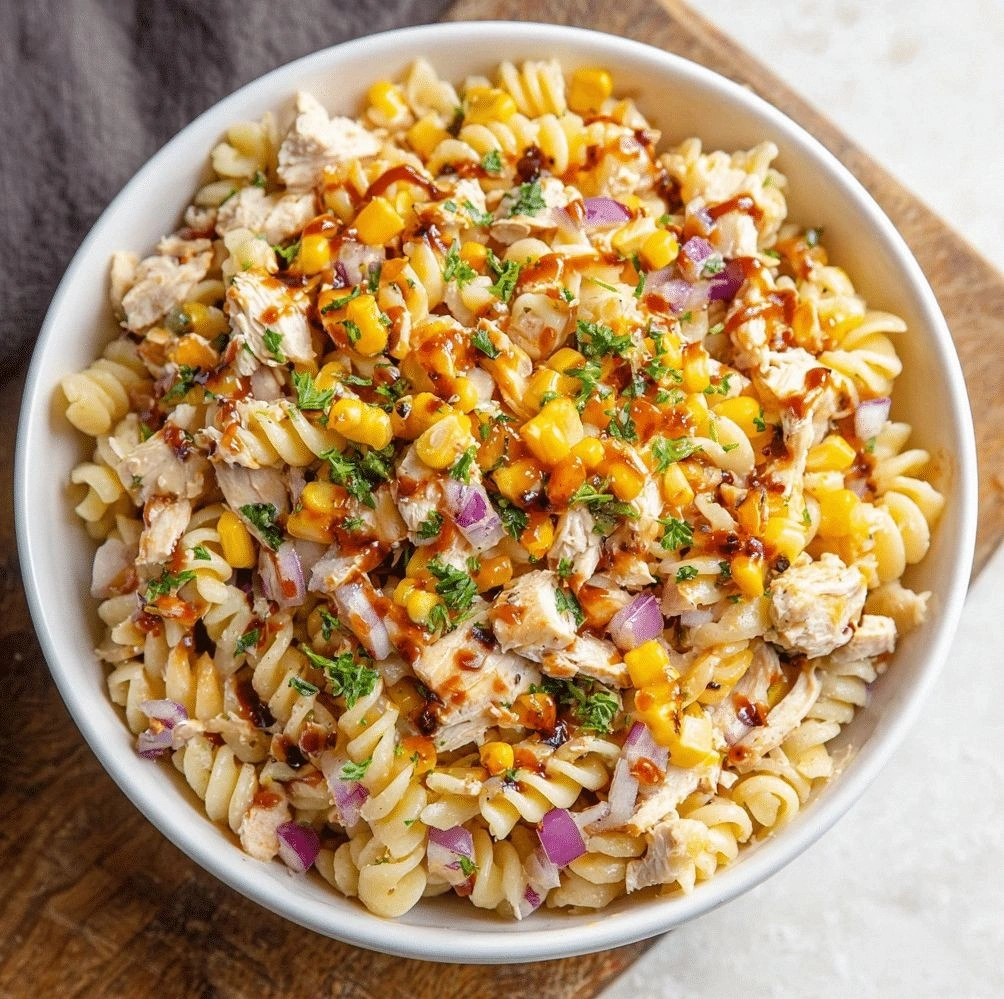
Pasta Swap: Fusilli
Use fusilli instead of elbow macaroni for a different shape that holds the sauce differently. The twists of fusilli trap more sauce, making each bite richer. This simple swap gives the dish a new visual appeal.
Storing and Bringing It Back to Life
Fridge Storage
Cool the dish completely before transferring it to an airtight container. Store in the refrigerator for up to 3 days. When reheating, add a splash of milk or broth to loosen the sauce, and warm on low heat, stirring occasionally.
Freezer Friendly
For longer storage, freeze the dish in a freezer‑safe container for up to 2 months. Thaw overnight in the refrigerator, then reheat as described above. The texture may be slightly softer, but the flavor remains intact.
Best Reheating Method
Reheat in a saucepan over medium‑low heat, adding a splash of water or milk to keep the sauce from drying out. Stir frequently until the dish reaches the desired temperature. A quick microwave reheat works, but the stovetop method preserves the sauce’s richness.
Add a tiny splash of water before reheating — it steams back to perfection, restoring that silky, creamy texture that makes the dish irresistible. This trick ensures that your leftovers taste almost as fresh as the first batch.