Picture this: you’re in the middle of a Sunday brunch scramble, the kitchen is a whirlwind of eggs, bacon, and a stubborn stack of pancakes that never seem to rise. You’re scrolling through a recipe book, half‑expecting another bland, over‑cooked sheet of batter, when a friend texts you a link titled “Sausage Cheese Sheet Pan Panca.” You’re skeptical, but the promise of sausage, cheese, and pancakes all in one pan? That’s a dare you can’t refuse.
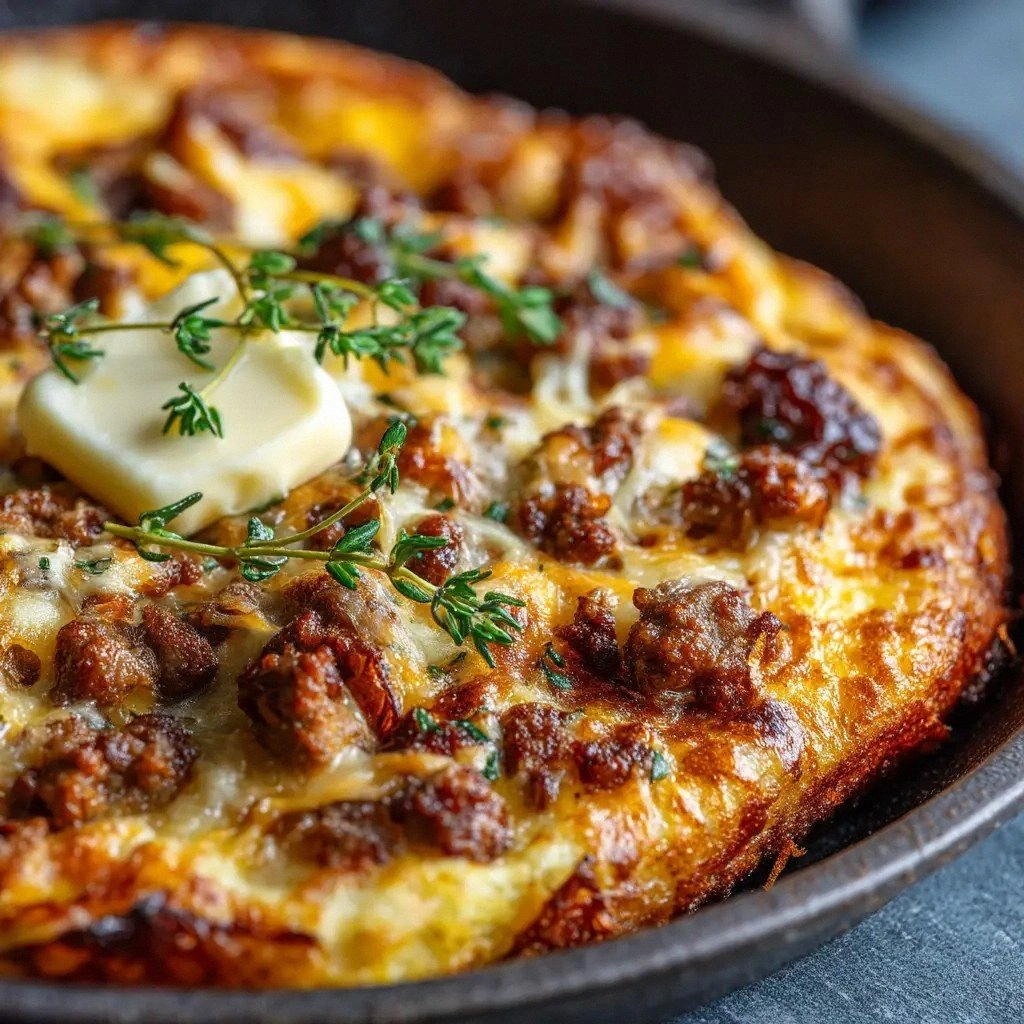
I remember the first time I tried it—my stove was already hot from a previous batch of scrambled eggs, and I thought, “Why not combine everything into one pan?” The moment the sausage hit the skillet, the room filled with a savory aroma that made my mouth water. As the batter spread, the sizzle turned into a rhythmic soundtrack, each bubble popping like tiny fireworks. The heat kissed the edges, creating a golden crust that crackled when you pressed it, and the inside stayed moist, fluffy, and utterly irresistible.
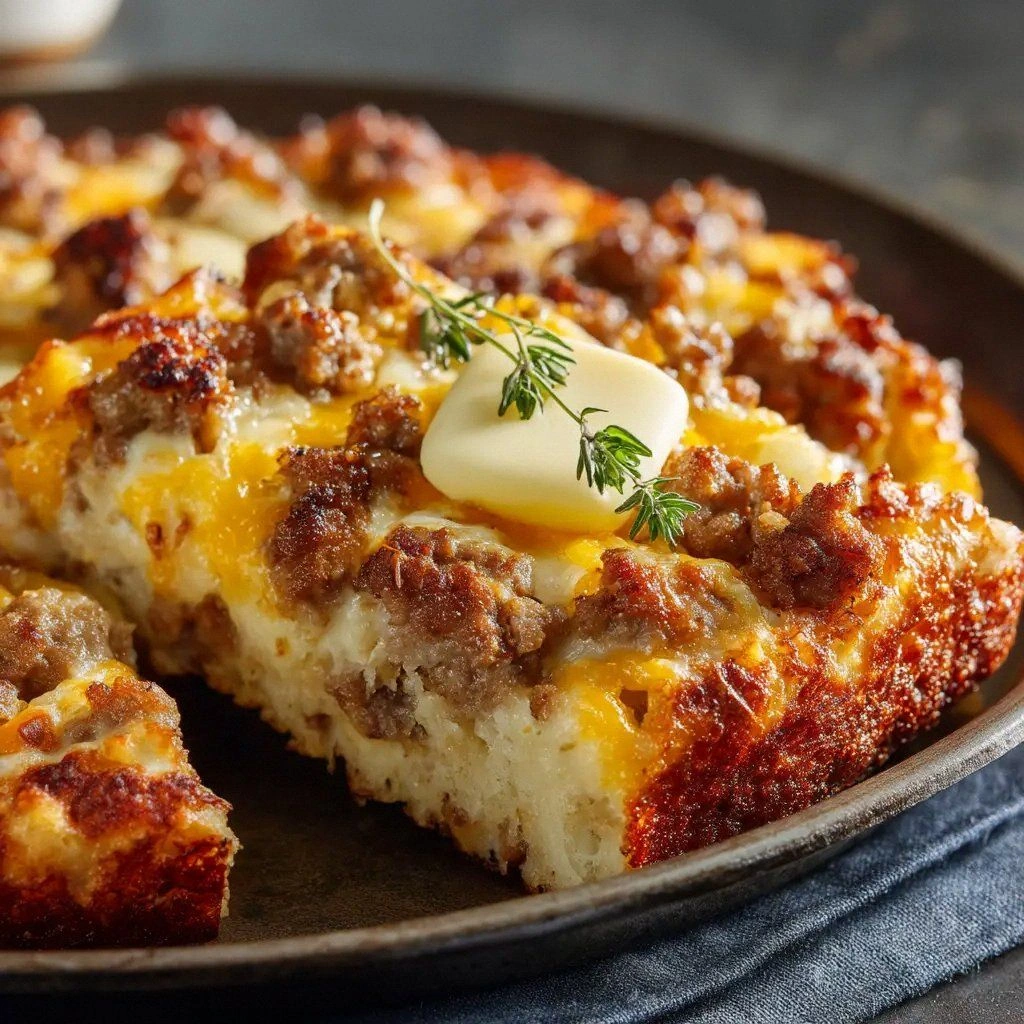
This isn’t just another breakfast hack; it’s a culinary revelation that turns a routine morning into a feast. The secret lies in the balance—crisp sausage, sharp cheddar, and a batter that’s thick enough to hold its shape but light enough to stay airy. It’s the kind of dish that feels indulgent without the guilt, because you’re not drowning in butter or syrup—just a drizzle of maple that sweetly ties everything together. I dare you to taste this and not go back for seconds.
If you’ve ever struggled with pancakes that are either too flat or too dense, this is the answer. Most recipes get this completely wrong, but here we’ll keep the batter just right, the sausage perfectly browned, and the cheese melting into a velvety coating. Picture yourself pulling this out of the oven, the whole kitchen smelling incredible, and everyone asking for the recipe—while you’re already planning the next batch. Let me walk you through every single step—by the end, you’ll wonder how you ever made it any other way.
What Makes This Version Stand Out
- Flavor: The sausage’s smoky depth is amplified by the sharp cheddar, creating a savory symphony that pairs perfectly with maple’s sweet finish.
- Texture: The batter’s thickness gives it a sturdy base, while the cheese melts into a gooey layer that clings to each pancake, offering a satisfying bite.
- Simplicity: One pan, one stove, one oven—no separate skillet for sausage, no mixing bowls for batter. Clean‑up is a breeze.
- Uniqueness: Combining pancakes and sausage in a sheet pan is a rare twist that transforms a humble breakfast into a party‑ready dish.
- Crowd‑Pleaser: The savory base attracts the whole family, while the maple drizzle satisfies those with a sweet tooth.
- Ingredient Quality: Using a complete pancake mix means you can skip the flour entirely, ensuring consistent results every time.
- Cooking Method: Baking instead of pan‑frying locks in moisture and allows the sausage to finish cooking evenly.
- Make‑Ahead Potential: Prepare the batter in advance; the pan can be assembled later, making this an ideal brunch or weekend brunch.
Inside the Ingredient List
The Flavor Base
Breakfast sausage is the backbone of this dish. It provides that smoky, savory kick that anchors the entire flavor profile. Opt for a high‑quality pork sausage with a moderate spice level to keep the heat balanced. If you’re a vegetarian, a plant‑based sausage with similar seasoning can work, though the texture will differ slightly. Skipping the sausage would turn this into a plain pancake, losing the hearty, meaty component that makes it so satisfying.
The Texture Crew
The pancake mix is the canvas that holds everything together. A complete mix includes leavening agents, salt, and a touch of sugar, ensuring a fluffy interior without the need for additional flour. Water and milk hydrate the mix, creating a batter thick enough to hold the cheese and sausage without becoming runny. Eggs act as a binder, adding structure and a subtle richness that elevates the overall mouthfeel. Together, they form a batter that’s thick yet pourable, allowing the sheet pan to stay intact during baking.
The Unexpected Star
Shredded sharp cheddar isn’t just a garnish; it’s the glossy, melty layer that crowns each pancake. The cheese’s sharpness cuts through the richness of the sausage, creating a balanced bite. If you prefer a milder flavor, try a half sharp cheddar, half mozzarella blend for a creamier melt. Skipping the cheese would result in a plain pancake that lacks the indulgent gooeyness people love.
The Final Flourish
Maple syrup is the finishing touch that brings a subtle sweetness, balancing the savory elements. A light drizzle adds a glossy sheen and a burst of natural flavor that contrasts beautifully with the cheese. If you’re not a fan of maple, a drizzle of honey or a splash of brown butter can offer a similar sweet undertone. Omitting the syrup will leave the dish purely savory, which can still be delightful but will miss that caramelized finish.
Everything’s prepped? Good. Let’s get into the real action.
The Method — Step by Step
- Preheat your oven to 375°F (190°C). Line a 13x9 inch sheet pan with parchment paper or lightly grease it with butter or non‑stick spray. The heat will create a golden crust while preventing sticking.
- In a large skillet, crumble the sausage and cook over medium heat until it’s browned and fully cooked, about 8–10 minutes. Stir occasionally so the meat releases its fat and crisps evenly. Remove from heat and set aside.
- In a mixing bowl, combine the pancake mix, water, milk, and eggs. Whisk until just incorporated; over‑mixing can make the batter tough. The batter should be thick but pourable.
- Fold in the shredded cheddar and cooked sausage, ensuring even distribution. The cheese will begin to melt slightly, creating pockets of gooeyness throughout.
- Pour the batter mixture onto the prepared pan, spreading it evenly with a spatula. The batter should fill the pan to about ½ inch high.
- Slide the pan into the preheated oven. Bake for 25–30 minutes, or until the edges are golden brown and a toothpick inserted into the center comes out clean. The batter should rise slightly and develop a crisp exterior.
- Remove the pan from the oven and let it cool for 5 minutes. The surface will still be hot, so handle with care. The cheese will set, making the sheet easier to cut.
- Using a sharp knife or pizza cutter, slice the sheet into squares or wedges. Drizzle maple syrup over each serving and serve immediately. The contrast of sweet syrup against savory cheese and sausage is pure magic.
- If you’re serving a crowd, keep the sheet warm in a low‑heat oven (200°F) until ready to serve. This prevents the cheese from hardening too much.
That’s it—you did it. But hold on, I’ve got a few more tricks that’ll take this to another level.
Insider Tricks for Flawless Results
The Temperature Rule Nobody Follows
Many people bake at 350°F, but 375°F gives a better rise and crisp edges. The higher temperature ensures the batter cooks quickly, sealing the surface and preventing sogginess. I’ve tried baking at 400°F, and while the edges get a darker color, the interior stays undercooked. Stick with 375°F for the perfect balance.
Why Your Nose Knows Best
When the first golden crust forms, that smell is a tell‑tale sign that the batter is done. Your nose can detect the subtle transition from raw batter to caramelized sugars. Trust that scent; it’s a reliable indicator that the pancakes are ready to be pulled out of the oven.
The 5‑Minute Rest That Changes Everything
Letting the sheet rest for five minutes after baking allows the cheese to set, making it easier to slice. Cutting too soon can cause the cheese to ooze, ruining the presentation. A short rest also lets the heat distribute evenly, ensuring each bite is uniform.
The “One‑Pan” Advantage
Using a single sheet pan eliminates the need for a separate skillet for sausage. This not only saves time but also reduces the number of dishes to wash. It’s a win‑win for busy mornings and lazy weekends.
The Perfect Drizzle
Instead of pouring maple syrup all at once, drizzle it in a spiral pattern across the sheet. This creates a visual effect and ensures an even distribution of sweetness. You’ll notice the syrup wicks into the cheese, adding a subtle caramelized flavor.
Creative Twists and Variations
This recipe is a playground. Here are some of my favorite ways to switch things up:
Vegan Victory
Replace the sausage with crumbled tempeh seasoned with soy sauce and smoked paprika. Use a plant‑based pancake mix and dairy‑free cheese. The result is a hearty, plant‑based breakfast that still delivers the same comforting texture.
Mediterranean Flair
Swap the cheddar for feta and add sun‑dried tomatoes and black olives. This variation gives a salty, tangy kick that pairs wonderfully with a drizzle of honey instead of maple.
Spicy Kick
Add a handful of chopped jalapeños to the batter and sprinkle chili flakes on top before baking. The heat from the sausage and the fresh jalapeños create a layered spicy experience.
Breakfast Bowl
Cut the sheet into squares, then spoon over a dollop of Greek yogurt and fresh berries. This transforms the sheet pan into a breakfast bowl that’s both indulgent and refreshing.
Cheese Lover’s Dream
Increase the cheddar to 2 cups and add a handful of shredded mozzarella for extra gooeyness. The extra cheese creates a molten, melty interior that’s hard to resist.
Savory & Sweet Duo
Serve half of the sheet with maple syrup and the other half with a savory sauce like a garlic aioli. This duality allows guests to choose their flavor preference and keeps the dish interesting.
Storing and Bringing It Back to Life
Fridge Storage
Cool the sheet completely, then wrap tightly in plastic wrap and store in the refrigerator for up to 3 days. The cheese remains creamy, and the batter’s structure holds up well when reheated.
Freezer Friendly
Slice the sheet into portions before freezing. Place each slice in a freezer bag and freeze for up to 2 months. When ready to eat, thaw overnight in the refrigerator or heat directly from frozen in a preheated oven at 350°F for 10–12 minutes.
Best Reheating Method
Add a splash of milk or water to the pan before reheating; this steams the batter back to its original fluffiness. Reheat in a 350°F oven for 8–10 minutes, or microwave on high for 1 minute, covering to retain moisture.