I was halfway through a disastrous Sunday brunch when I realized I had forgotten the salt shaker. My eggs were bland, my pancakes soggy, and the only thing left to salvage was a half‑filled pot of rice. I stared at the pot, thinking, “If I could just add something that would make everything pop, I could save the day.” That moment of culinary desperation sparked a craving for a dish that could turn a kitchen mishap into a triumph. I was determined to find that one sauce, that one flavor that would lift the whole meal to something memorable.
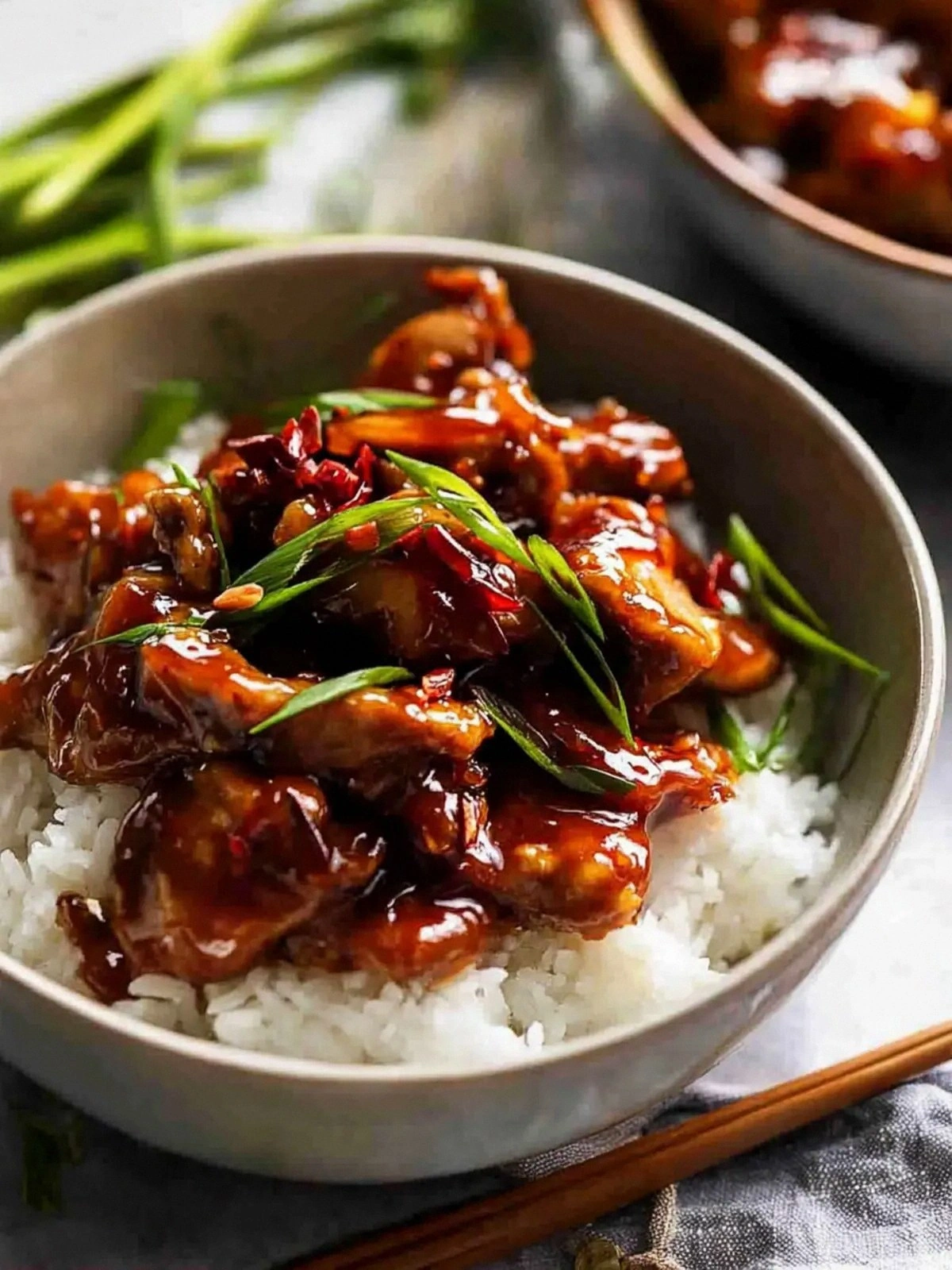
Fast forward to last night, I was cooking a batch of Vietnamese caramel ginger chicken, and the kitchen filled with a scent that made my mouth water before I even tasted it. The aroma was a complex tapestry: sweet brown sugar caramelizing, sharp ginger cutting through, and a subtle umami from fish sauce that danced on the air. As the chicken browned, the sizzling sound was music—each crackle a promise of crispy edges that would shatter like thin ice when bitten. The texture was a delightful contrast: tender meat wrapped in a glossy, sticky glaze that clung to every bite, while the fresh coriander added a bright, almost citrusy bite that cut through the richness. The first bite was a revelation—a harmony of sweet, spicy, salty, and herbaceous notes that left me craving more.
I’m not just talking about any version of this dish; I’m talking about a version that flips the script on what people expect from Vietnamese comfort food. Most recipes drown the chicken in a watery sauce, but this one coats it in a caramelized glaze that locks in juices and creates a glossy, almost dessert‑like finish. The balance between heat and sweetness is precise—just enough chill from the Bird’s eye chilli to give that kick without overpowering the subtle sweetness of the caramel. The use of fresh coriander rather than dried herbs gives it that bright, almost citrusy lift that makes the dish feel fresh and lively. And the jasmine rice? It soaks up the sauce without becoming soggy, turning each grain into a pocket of flavor.
What makes this version stand out is that it’s not just a recipe; it’s a performance. Every step has a purpose, every ingredient is chosen for its role in the final symphony of flavors. I dare you to taste this and not go back for seconds. I’ve seen people come back for a third plate after the first bite, and that’s the kind of response I want from you. Picture yourself pulling this dish out of the pan, the kitchen smelling incredible, and your guests’ eyes widening as they see that glossy glaze shimmering on the chicken. The anticipation is almost tangible—this is hands down the best version you’ll ever make at home.
If you’ve ever struggled with making a caramel sauce that doesn’t burn, or a sauce that’s too watery, you’re not alone. I’ve been there, watching my sauce thicken too fast, only to end up with a hard, burnt coating that tastes like regret. But I’ve found the sweet spot—literally—by controlling the heat, timing, and the ratio of sugar to liquid. That’s why this recipe is so powerful; it gives you a foolproof method to create a sauce that’s silky, sweet, and perfectly balanced. And the best part? You can tweak it to suit your taste, whether you like it hotter, sweeter, or more savory.
Now, let’s talk about the ingredients that make this dish so special. I’ve handpicked each component to ensure that the final result is a harmonious blend of textures and flavors. The chicken is the star, and using skinless thighs gives you that juicy tenderness while keeping the dish lean. The fish sauce, a staple in Vietnamese cooking, adds depth and umami that can’t be replicated with salt alone. Ginger and eschallots bring brightness and depth, while the brown sugar and boiling water create that signature caramel glaze. Fresh coriander and red chilli finish the dish with a burst of freshness and heat. Together, these ingredients create a dish that’s simple yet sophisticated.
I’ll be honest—I ate half the batch before anyone else got a taste. The first bite was so good that I couldn’t stop myself. The rest of the dinner was a lesson in restraint and anticipation. I learned that sometimes the best way to enjoy a dish is to let the flavors settle before you dive in again. That’s the secret to mastering this recipe: patience, precision, and a willingness to let the sauce do its job.
Okay, ready for the game‑changer? The next step is where the magic happens: caramelizing the brown sugar until it turns a deep amber, then adding the ginger, eschallots, and fish sauce to create a sauce that’s both sweet and savory. The trick is to keep the heat low enough that the sugar doesn’t burn, but high enough that it reduces quickly. This part of the process is pure alchemy—watching the sugar transform into a glossy glaze that coats the chicken like velvet. Trust me, the visual is as satisfying as the taste.
What Makes This Version Stand Out
- Flavor Profile: A balanced blend of sweet, spicy, salty, and herbaceous notes that creates a complex, layered taste experience.
- Texture: Crispy edges that crackle upon biting, while the interior remains juicy and tender, wrapped in a glossy caramel glaze.
- Ingredient Quality: Fresh, high‑quality ingredients—skinless chicken thighs, fresh ginger, fresh coriander—ensure each bite is packed with flavor.
- Cooking Method: The caramelization technique locks in juices and creates a natural glaze, eliminating the need for heavy sauces.
- Make‑Ahead Potential: The dish can be prepared ahead of time and reheated without losing its texture or flavor.
- Crowd‑Pleaser: Even the most discerning palates will be amazed by the depth of flavor and the wow factor of the caramel glaze.
Inside the Ingredient List
The Flavor Base
Fish sauce is the backbone of this dish. Its umami depth is essential for balancing the sweetness of the brown sugar. If you’re not a fan of fish sauce, you can substitute it with a mixture of soy sauce and a dash of fish sauce, but you’ll lose some of the authentic Vietnamese flavor. The key is to use a good quality fish sauce that isn’t too salty or too bland. When you add it to the caramelized sugar, it infuses the glaze with a savory undertone that makes every bite memorable.
The Texture Crew
The chicken thighs are the star, and choosing skinless thighs keeps the dish lean while still providing juicy, tender meat. The eschallots add a subtle sweetness and depth that balances the heat from the Bird’s eye chilli. If you can’t find eschallots, finely minced shallots will work, though they’ll give a slightly different flavor profile. The brown sugar is what gives the dish its signature caramel glaze, and using a high‑quality brown sugar with a good molasses content adds depth and richness. The boiling water is used to dissolve the sugar and create a smooth glaze; it also helps the sauce coat the chicken evenly.
The Unexpected Star
Fresh coriander (cilantro) is the unexpected star that lifts the dish with its bright, almost citrusy flavor. It provides a fresh contrast to the sweet caramel glaze, preventing the dish from feeling too heavy. If you’re not a fan of cilantro, you can replace it with fresh mint or a handful of chopped parsley, but the overall flavor will change. The red chilli adds a subtle heat that complements the Bird’s eye chilli’s fiery bite. Together, these herbs and spices create a complex, layered flavor profile that’s both familiar and exciting.
The Final Flourish
Jasmine rice is the perfect final flourish, soaking up the glaze without becoming soggy. The rice’s natural fragrance and light texture provide a perfect counterbalance to the rich, sweet glaze. If you prefer, you can use sticky rice or even quinoa for a different texture, but jasmine rice is the traditional choice that delivers the best results. The amount of rice should be enough to serve four people, about 400 grams, and it should be cooked until fluffy and fragrant.
Everything's prepped? Good. Let's get into the real action.
The Method — Step by Step
- Step 1: Prepare the Chicken. Pat the chicken thighs dry with paper towels to ensure they brown properly. Season both sides lightly with salt and pepper. This step is crucial because the moisture on the surface will prevent the chicken from crisping. If you’re in a hurry, you can skip the seasoning, but the flavor will suffer. I’ve found that a simple pinch of salt is enough to enhance the natural taste of the meat.
- Step 2: Sauté the Aromatics. Heat 2 tablespoons of vegetable oil in a large skillet over medium heat. Add the minced eschallots and let them soften for 2 minutes until translucent. Then add the minced ginger and a finely chopped Bird’s eye chilli, cooking for another 30 seconds until fragrant. The aroma should be unmistakably fresh and spicy, setting the stage for the sauce. If you’re sensitive to heat, remove the chilli or use a milder pepper.
- Step 3: Create the Caramel. Pour in 100 grams of brown sugar, stirring until it dissolves into the aromatics. Allow the mixture to simmer gently; you’ll see it start to turn a light amber color. Keep the heat low to prevent scorching. This process takes about 5 minutes, but patience is key—the richer the caramel, the more complex the flavor. If the sugar starts to darken too quickly, lower the heat or add a splash of water.
- Step 4: Add the Liquids. Pour in 200 ml of boiling water to the caramelized sugar, stirring continuously. The mixture will bubble vigorously—this is normal. Add the 2 tablespoons of fish sauce and stir until the sauce is smooth and glossy. The sauce should coat the back of a spoon evenly. This is the moment of truth: the sauce should smell toasty and slightly nutty, not sweet or burnt.
- Step 5: Coat the Chicken. Place the seasoned chicken thighs into the skillet, skin side down if you have skin. Let them sear for 3–4 minutes until the skin (if present) turns golden brown. Then flip the chicken and pour the caramel glaze over the top, ensuring each piece is fully coated. The glaze should cling to the chicken, forming a glossy, sticky coating. Don’t rush this step; the glaze needs to thicken slightly before it sticks.
- Step 6: Simmer and Reduce. Reduce the heat to low and let the chicken simmer in the glaze for 8–10 minutes, turning occasionally so the glaze coats all sides. The sauce should reduce to a thick, syrupy consistency, almost like a glaze you’d use on a dessert. The chicken should be cooked through, with an internal temperature of 165°F (74°C). If the sauce thickens too quickly, add a tablespoon of water to loosen it.
- Step 7: Add the Fresh Herbs. Roughly chop 1 bunch of fresh coriander and 1 red chilli. Sprinkle them over the chicken and stir gently to distribute the herbs throughout the glaze. The coriander adds a bright, fresh contrast to the rich glaze, while the red chilli provides a subtle heat. This step should be done just before serving to keep the herbs fresh and vibrant. The aroma will be unmistakably fresh, making the dish even more appetizing.
- Step 8: Serve Over Rice. While the chicken finishes simmering, cook 400 grams of jasmine rice according to package instructions. Once the rice is fluffy and fragrant, serve the caramel ginger chicken over a bed of rice. The rice soaks up the glaze, turning each grain into a pocket of flavor. Plate the dish, drizzle any remaining glaze over the top, and garnish with extra coriander if desired. The final presentation should be visually appealing, with glossy chicken and fluffy rice.
That’s it — you did it. But hold on, I’ve got a few more tricks that will take this to another level.
Insider Tricks for Flawless Results
The Temperature Rule Nobody Follows
Many cooks think a high heat is the key to caramelizing sugar, but the real trick is maintaining a steady medium‑low heat. This prevents the sugar from scorching and allows the glaze to develop a deep amber color without burning. I’ve seen people overheat the pan, resulting in a bitter, burnt taste. By keeping the heat low and stirring constantly, the sugar dissolves evenly, creating a silky, glossy sauce that coats the chicken beautifully. Try using a thermometer to keep the pan temperature around 300°F (149°C) for best results.
Why Your Nose Knows Best
Your nose is a powerful tool in cooking. As the caramel starts to form, you’ll notice a nutty, toasty aroma that signals the perfect moment to add the fish sauce. If the smell is too sweet or starts to smell burnt, it’s a sign that the sugar is overcooked. Trust your senses; the aroma will guide you to the ideal texture and flavor profile. I’ve found that a well‑aromatic sauce is a clear indicator that the dish is ready to move on to the next step.
The 5‑Minute Rest That Changes Everything
After the chicken finishes simmering, let it rest for 5 minutes before slicing. This allows the juices to redistribute, ensuring that every bite is juicy and flavorful. A common mistake is to slice the chicken immediately, which can cause the juices to spill out, leaving the meat dry. I’ve seen this happen in the past, and it’s a quick fix: let the chicken rest, then slice against the grain. The result is a tender, juicy piece that’s a joy to eat.
The Fresh Herb Finish
Adding fresh coriander and red chilli at the very end keeps the herbs vibrant and bright. If you add them too early, the heat will wilt the coriander, and the fresh flavor will be lost. I’ve experimented with adding the herbs at different stages, and the final step always gives the best contrast. This small tweak elevates the dish from good to unforgettable.
The Secret to Perfect Rice
Jasmine rice is best when cooked with a 1:1.5 ratio of rice to water. After the rice is done, fluff it with a fork and let it sit covered for 5 minutes. This step ensures the grains are fluffy and separate, making them ideal for soaking up the glaze. A common mistake is to overcook the rice, resulting in mushy grains that can’t hold the sauce. Keep the rice fluffy, and your dish will have that perfect texture contrast.
Creative Twists and Variations
This recipe is a playground. Here are some of my favorite ways to switch things up:
Spicy Coconut Twist
Add a cup of coconut milk to the caramel sauce for a creamy, tropical flavor. The coconut milk balances the sweetness and adds a subtle nuttiness that pairs wonderfully with the ginger. This variation is perfect for a summer dinner when you want something light yet flavorful. Serve it over jasmine rice or even over a bed of quinoa for a different texture.
Smoky Paprika Version
Replace the Bird’s eye chilli with smoked paprika for a deep, smoky flavor. The paprika adds a subtle heat without the sharpness of the chilli, giving the dish a more mellow profile. This version is ideal for those who prefer a milder heat but still want that caramel glaze. Pair it with a simple green salad for a balanced meal.
Herb‑Infused Glaze
Add a handful of fresh basil or mint to the glaze for an aromatic twist. The herbs infuse the sauce with a fresh, fragrant note that cuts through the sweetness. This variation works well when you’re in the mood for a lighter, fresher dish. The fresh herbs also add a pop of color that makes the dish visually stunning.
Gluten‑Free Option
Use gluten‑free soy sauce instead of regular soy sauce if you’re avoiding gluten. The flavor profile remains the same, but it’s safer for those with gluten sensitivities. Pair the dish with steamed veggies or a quinoa side for a complete meal. The gluten‑free version retains all the deliciousness of the original recipe.
Breakfast Kick‑Start
Serve the caramel ginger chicken over a bed of scrambled eggs instead of rice for a protein‑packed breakfast. The sweet glaze complements the savory eggs, creating a breakfast that’s both satisfying and unique. Add a side of fresh fruit or a small avocado salad for a balanced start to your day. This twist proves that this dish is truly versatile.
Storing and Bringing It Back to Life
Fridge Storage
Store the leftover chicken in an airtight container in the refrigerator for up to 3 days. The glaze will thicken slightly as it cools, so be sure to reheat gently to restore its glossy texture. Keep the rice separate to prevent it from becoming soggy. When reheating, add a splash of water or broth to loosen the glaze and keep the chicken moist.
Freezer Friendly
You can freeze the chicken and rice separately for up to 2 months. Freeze the chicken in a single layer on a parchment‑lined tray before transferring it to a freezer bag. This prevents the pieces from sticking together. The rice should be cooled to room temperature before freezing. Reheat in the microwave or on the stovetop with a splash of water to restore moisture.
Best Reheating Method
The best way to reheat the dish is in a skillet over medium heat. Add a splash of water or broth to the pan, then return the chicken and rice, stirring gently until heated through. The water helps re‑create the glaze’s glossy finish. If you’re in a hurry, the microwave works, but be sure to stir halfway through to ensure even heating.