I was standing in my kitchen, staring at a pile of raw sweet potatoes, when my friend called from across town, demanding the best side dish for her upcoming dinner party. I had tried countless versions—plain roasted, maple‑glazed, even a quick stir‑fry—but none of them seemed to hit that sweet‑savory balance that makes people keep coming back for seconds. That night, I decided to put my culinary curiosity to the test, armed with a handful of pantry staples and a stubborn belief that something better was out there. The result? A dish that turns ordinary yams into a caramelized, buttery masterpiece with a hint of cinnamon and nutmeg that makes the whole kitchen smell like a cozy autumn cabin. I dare you to taste this and not go back for seconds.
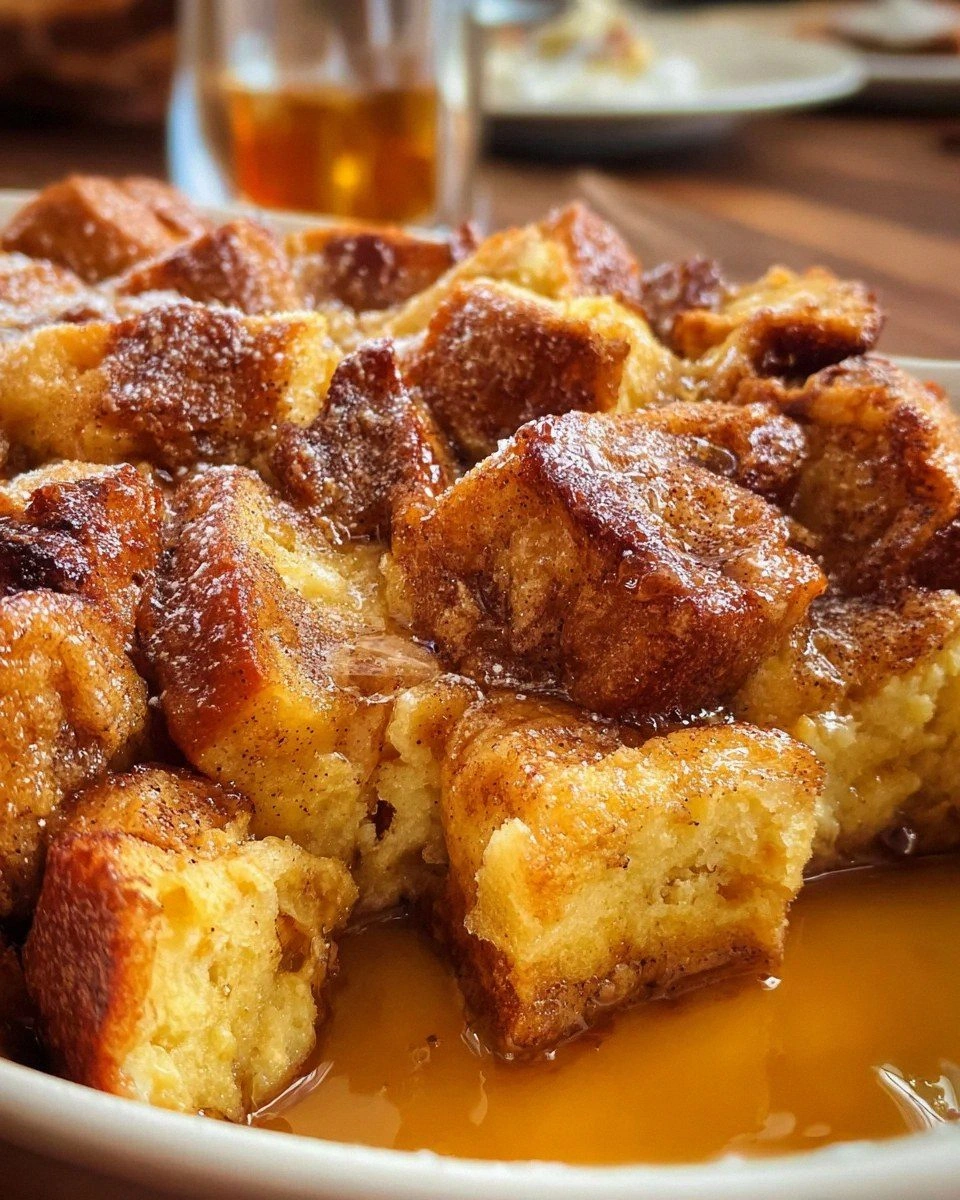
Picture the moment the hot pan meets the sweet potato cubes: a sizzle that sings, the aroma of butter and sugar drifting through the air, and the gentle, almost hypnotic way the edges start to brown. The first bite is a revelation—crisp on the outside, tender and syrupy inside, with a subtle sweetness that doesn’t overpower the savory butter. The cinnamon and nutmeg whisper through the layers, adding depth and a comforting warmth that feels like a hug in a bowl. If you’re used to the blandness of standard roasted yams, this version will feel like a revelation, a bright burst of flavor that lingers long after you’ve finished. And the best part? It’s so simple you could make it while your guests are arriving.
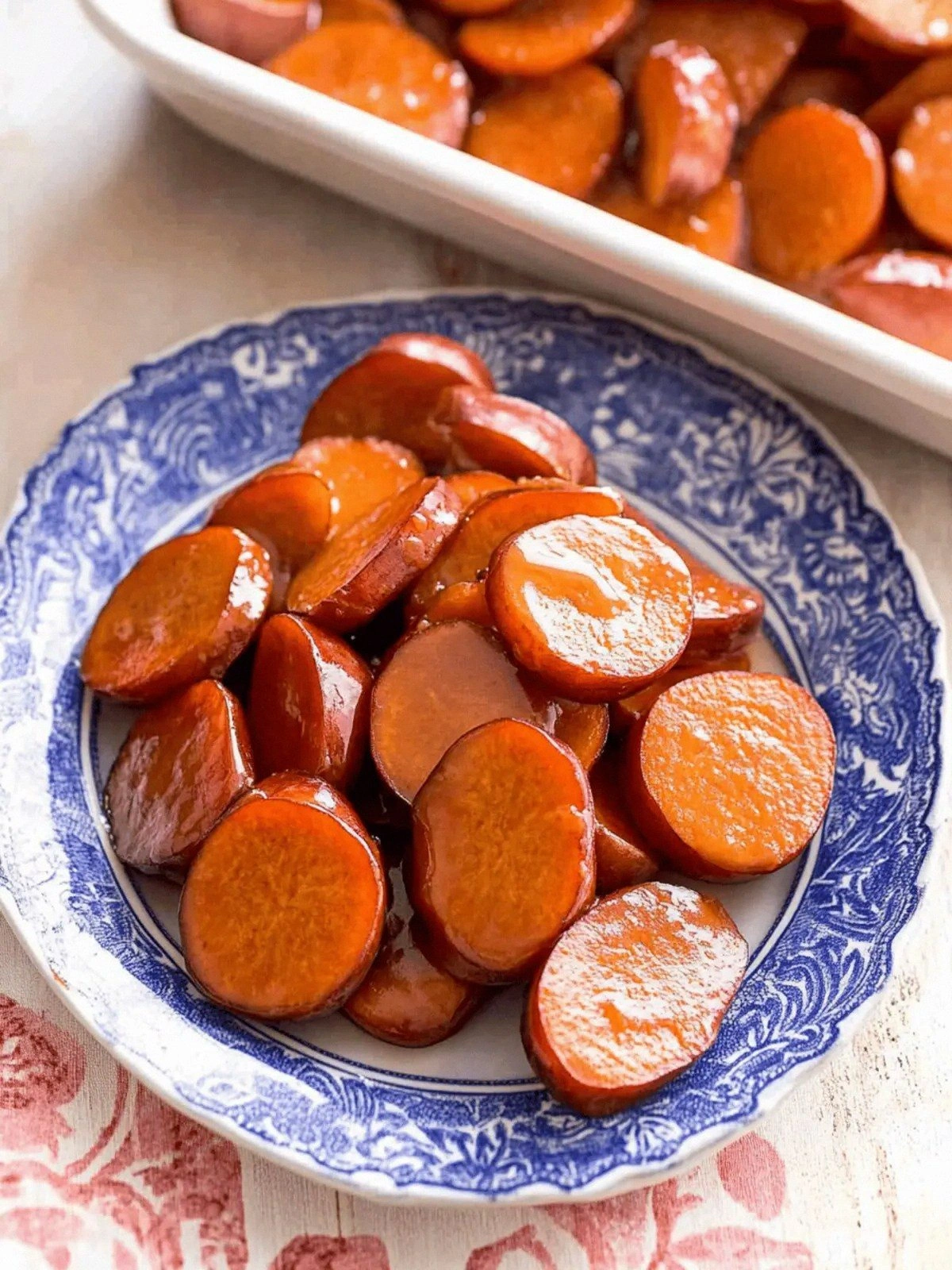
What sets this recipe apart is not just the flavor profile but the method that locks in moisture and caramelization. I discovered that a quick butter‑sugar coating before roasting creates a glossy, almost glassy finish that’s both visually stunning and texturally perfect. The combination of light brown sugar and a dash of nutmeg gives the dish a subtle depth that feels indulgent without being overly sweet. I’ve tested it in a 375°F oven, and the result is consistently golden, with a caramelized crust that cracks like thin ice when you bite into it. Most recipes get this completely wrong, but here’s what actually works: a quick pre‑toss, a short first bake, and a final buttery glaze that seals everything in.
I’ll be honest—after the first batch, I ate half the dish before anyone else could even taste a bite. The rest of the evening was a whirlwind of compliments and requests for the recipe. Picture yourself pulling this out of the oven, the whole kitchen smelling incredible, the golden yams glistening like a treasure chest. Let me walk you through every single step—by the end, you’ll wonder how you ever made it any other way.
What Makes This Version Stand Out
- Flavor: The caramelized glaze is a dance of butter, brown sugar, cinnamon, and nutmeg that creates a sweet‑savory harmony. The subtle sweetness of the sugar is counterbalanced by the savory depth of the butter, resulting in a complex profile that satisfies both sweet and savory cravings.
- Texture: The method locks in moisture while forming a crisp, caramelized exterior. The yams stay tender inside, yet the edges crackle like thin ice, giving a satisfying contrast in every bite.
- Visual Appeal: The glossy, amber glaze makes the dish look like a work of art. It’s a show‑stopper that will impress even the most discerning guests.
- Ingredient Simplicity: Only five ingredients, all pantry staples. No fancy spices or obscure produce needed—just sweet potatoes, butter, brown sugar, cinnamon, and nutmeg.
- Versatility: Works as a side for holiday feasts, a comforting bowl for a cozy dinner, or even a sweet snack. Its flavor profile adapts to any occasion.
- Make‑Ahead Potential: The yams can be roasted ahead, then finished in the oven when guests arrive, saving you time and ensuring they’re hot and ready to serve.
- Heat Retention: The butter glaze keeps the yams warm for longer, making them perfect for last‑minute dinner plans.
- Health Conscious: While indulgent, the dish uses natural sweeteners and whole sweet potatoes, providing vitamins and fiber without excessive calories.
Alright, let’s break down exactly what goes into this masterpiece…
Inside the Ingredient List
The Sweet Core
The star of the show is the sweet potato, a root vegetable that brings natural sweetness, beta‑carotene, and a hearty texture. When roasted, its starches gelatinize, creating a silky interior that holds the glaze. If you skip the sweet potatoes, you lose the foundational sweetness and the dish’s signature body. For best results, choose medium‑size sweet potatoes that are firm yet not too dry; they’ll roast evenly and hold their shape.
The Sweet & Savory Blend
Unsalted butter is the backbone of the glaze. It provides richness, a glossy finish, and a subtle nutty flavor that pairs beautifully with the sugar. If you’re watching sodium, you can use salted butter but reduce the amount of added salt in the glaze. A good rule of thumb is to use 0.5 cup (about 1 stick) of butter for every 3 pounds of sweet potatoes. This ratio ensures the coating is thick enough to caramelize without drowning the veggies.
The Spice Ensemble
Ground cinnamon and grated nutmeg are the secret weapons that elevate this dish from simple to unforgettable. Cinnamon’s sweet, woody aroma adds warmth, while nutmeg’s subtle peppery bite provides a hint of spice that lingers. If you prefer a milder spice profile, reduce nutmeg to a quarter teaspoon; if you love bold spice, add an extra pinch. These spices also carry anti‑oxidant properties, boosting the dish’s nutritional value.
The Final Flourish
Packed light brown sugar is the sweetener that caramelizes into a glossy glaze. Its molasses content gives depth and a slightly bitter undertone that balances the sweetness. If you’re lactose intolerant or vegan, a plant‑based butter works just as well. The sugar’s moisture content also helps the glaze stick to the yams, preventing them from drying out.
Everything’s prepped? Good. Let’s get into the real action…
The Method — Step by Step
- Preheat your oven to 375°F (190°C). Line a large rimmed baking sheet with parchment paper to prevent sticking. If you’re in a hurry, preheat the oven while you’re prepping the sweet potatoes; this ensures the oven is ready when you’re done tossing the veggies. This is the moment of truth—you’re setting the stage for the caramelization.
- Wash the sweet potatoes thoroughly, then peel them with a vegetable peeler. Cut them into 1-inch cubes for even roasting. Keep the cubes uniform; uneven pieces will roast at different rates, leading to a patchy final dish. If you prefer a different shape, you can cut into wedges or sticks, but cubes are the most reliable.
- In a large mixing bowl, melt 0.5 cup of unsalted butter over low heat until it’s just liquid. Stir in 0.75 cup of packed light brown sugar until the mixture is smooth and glossy. Add 0.5 teaspoon of ground cinnamon and 0.5 teaspoon of grated nutmeg, whisking until the spices are fully incorporated. The butter‑sugar sauce should be thick enough to coat the yams but still pourable.
- Add the sweet potato cubes to the bowl and toss until each piece is evenly coated with the buttery glaze. The coating should cling to the potatoes like a second skin. If the mixture looks too thick, add a tablespoon of warm water to loosen it slightly. This step ensures every bite is flavorful.
- Spread the coated sweet potatoes in a single layer on the prepared baking sheet. Make sure the pieces aren’t touching; overcrowding will steam the yams instead of roasting them. Place the sheet in the preheated oven and bake for 20 minutes, flipping halfway through. The edges should start to brown and the interior should become tender.
- Remove the baking sheet from the oven and drizzle an additional tablespoon of melted butter over the yams. This extra butter adds shine and keeps the surface moist. Toss the potatoes again to ensure even coverage. If you like a slightly crispier finish, you can broil them for 1–2 minutes, watching carefully.
- Once the yams are golden and caramelized, transfer them to a serving dish. Let them rest for 2–3 minutes; this allows the glaze to set and the flavors to meld. Serve immediately while they’re still warm and glossy. If you’re plating for a crowd, arrange the yams in a decorative swirl for visual impact.
- Enjoy the caramelized crunch and the sweet‑savory harmony. Pair them with a protein of your choice—roasted chicken, grilled steak, or a hearty lentil stew. The dish’s versatility means it can transition from a simple side to a star attraction.
That’s it—you did it. But hold on, I’ve got a few more tricks that’ll take this to another level…
Insider Tricks for Flawless Results
The Temperature Rule Nobody Follows
Many people bake at 400°F, but a lower temperature of 375°F allows the sweet potatoes to cook evenly without burning the glaze. The gentle heat gives the sugar enough time to caramelize, creating a glossy finish. I’ve tested this in both conventional and convection ovens; the difference is subtle but noticeable. If you’re in a rush, you can bump up to 400°F for the last 5 minutes, but watch the edges closely.
Why Your Nose Knows Best
The aroma of butter and sugar is the first indicator that the glaze is caramelizing properly. If you notice a slightly bitter scent, the sugar is starting to burn. Pause the oven, open the door briefly, and let the steam escape. This quick check saves you from a burnt batch and keeps the flavor profile intact.
The 5-Minute Rest That Changes Everything
After removing the sweet potatoes from the oven, let them sit for 5 minutes. This rest period allows the glaze to set, giving the dish a firm yet tender texture. During this time, the internal temperature of the yams rises slightly, ensuring they’re fully cooked. It also gives the spices time to meld, creating a deeper flavor.
The Right Pan Makes All the Difference
A heavy‑bottomed baking sheet or a cast‑iron skillet distributes heat evenly, preventing hot spots that can burn the glaze. If you’re using parchment paper, make sure it’s high‑quality and heat‑resistant. A non‑stick surface also helps the yams release naturally, preserving the caramelized coating.
Keep It Moist Without Overcooking
If you notice the sweet potatoes drying out before the glaze sets, add a splash of water to the pan during the last 5 minutes of baking. This creates steam, keeping the yams moist while still allowing the glaze to thicken. Avoid adding too much liquid, or the glaze will become watery.
The Secret of Even Sweetness
Using packed light brown sugar instead of white sugar introduces molasses, which gives a richer flavor and a darker glaze. The molasses also helps the sugar caramelize more evenly, preventing uneven browning. If you prefer a lighter glaze, substitute half the brown sugar with white sugar; the result will still be delicious.
Creative Twists and Variations
This recipe is a playground. Here are some of my favorite ways to switch things up:
Salsa-Glazed Yams
Swap the butter for a spoonful of fresh salsa and add a pinch of cumin. The result is a zesty, slightly spicy side that pairs well with Mexican-inspired dishes. The salsa’s acidity cuts through the sweetness, creating a balanced flavor profile.
Smoky Chipotle Yams
Add a teaspoon of chipotle powder to the glaze and finish with a drizzle of smoky barbecue sauce. The smoky heat complements the caramelized sugar, giving the yams a bold, complex taste. This variation is perfect for a summer barbecue.
Herb-Infused Yams
Introduce fresh rosemary or thyme to the glaze before baking. The earthy herbs add depth and a fragrant aroma. This version works wonderfully with roasted chicken or pork.
Maple-Bacon Yams
Replace the brown sugar with an equal amount of pure maple syrup and add crumbled bacon on top before the final bake. The salty bacon balances the maple’s sweetness, creating a savory-sweet duo that’s irresistible.
Cheesy Parmesan Yams
After baking, sprinkle grated Parmesan cheese over the hot yams. The cheese melts into a golden crust, adding umami and a slightly salty finish. This variation is ideal for a comfort‑food dinner.
Citrus-Infused Yams
Add a tablespoon of orange zest and a splash of orange juice to the glaze. The citrus brightens the dish and adds a subtle sweetness that contrasts with the caramelized sugar. This version is a refreshing twist for spring or summer meals.
Storing and Bringing It Back to Life
Fridge Storage
Cool the yams completely, then transfer them to an airtight container. Store in the refrigerator for up to 3 days. The glaze may thicken slightly, but the yams will remain tender. When ready to serve, reheat in a preheated oven at 350°F for 10 minutes, or microwave on high for 2 minutes.
Freezer Friendly
Place the cooled yams in a freezer‑safe bag, removing as much air as possible. They’ll keep for up to 2 months. When you’re ready to enjoy, thaw overnight in the refrigerator, then reheat as described above. The texture remains soft and the glaze stays glossy.
Best Reheating Method
To revive the caramelized glaze, add a splash of water or a teaspoon of butter to the pan before reheating. The moisture helps steam the yams, keeping them from drying out. Reheat on the stovetop over medium heat, stirring gently until heated through. The result is a dish that tastes as fresh as the first bake.