I was halfway through a boring Saturday morning when my roommate dared me to make “the most decadent breakfast‑lunch‑dessert mash‑up you could imagine.” I laughed, I scoffed, and I grabbed a bag of marshmallows, a jar of Nutella, and a loaf of plain white sandwich bread—because, honestly, who thinks to use bakery‑grade bread for French toast? The kitchen quickly turned into a battlefield of melted chocolate, gooey marshmallows, and the sweet smell of toasted sugar that reminded me of a campfire at midnight. That moment of chaos sparked a revelation: if you can roast marshmallows over an open flame, why not trap that smoky, caramelized magic between two buttery slices of French toast?
Picture this: the first bite delivers the crisp snap of a golden crust that shatters like thin ice, followed by a molten core that drips chocolate‑hazelnut sauce across your tongue while the marshmallows melt into a fluffy cloud of sugary bliss. The aroma alone is enough to make you pause mid‑step, inhaling the buttery perfume that mingles with the faint char of toasted marshmallow. You can hear the sizzle as the butter hits the pan, a sound that signals the transformation from ordinary to extraordinary. My hands were sticky, my heart was racing, and I could already feel the inevitable bragging rights that would come after I served the first plate.
What makes this version stand out isn’t just the ingredients—it’s the method. Most “S’mores French Toast” recipes either drown the bread in chocolate or forget the crucial caramelized edge that gives you that satisfying crunch. I discovered that a quick sear on each side, followed by a brief oven finish, locks in the gooey center while keeping the exterior perfectly crisp. The secret weapon? A thin spread of Nutella sandwiched between two slices before they soak up the egg‑milk bath, creating a buttery, hazelnut‑rich barrier that prevents sogginess and amplifies flavor.
I’m not exaggerating when I say this is hands down the best version you’ll ever make at home. I dare you to taste this and not go back for seconds. Okay, ready for the game‑changer? Stay with me here — the next part? Pure magic. Let me walk you through every single step — by the end, you’ll wonder how you ever made it any other way.
What Makes This Version Stand Out
- Taste: The combination of Nutella’s hazelnut depth, chocolate sauce’s silky richness, and toasted marshmallow’s caramel notes creates a flavor symphony that sings louder than any ordinary French toast.
- Texture: You get a crisp, buttery crust that shatters like thin ice, a gooey marshmallow core that stretches, and a creamy, velvety spread that coats every bite.
- Simplicity: Only eight ingredients, all pantry staples, mean you can whip this up in under an hour without a trip to the specialty store.
- Uniqueness: The “double‑dip” technique—first in the egg‑milk mixture, then a quick sear, then a finish in the oven—keeps the bread from getting soggy while still soaking up enough custard.
- Crowd Reaction: Even the toughest breakfast skeptics turn into fanatics after the first bite, often proclaiming it the highlight of their brunch spread.
- Ingredient Quality: Using real white sandwich bread gives a neutral canvas that lets the chocolate and marshmallow shine without competing flavors.
- Cooking Method: The stovetop‑then‑oven finish is a pro‑chef trick that guarantees consistent results, whether you’re using a cast‑iron skillet or a non‑stick pan.
- Make‑Ahead Potential: You can assemble the toast ahead of time, keep it refrigerated, and pop it in the oven when guests arrive, saving you frantic last‑minute scrambling.
Alright, let's break down exactly what goes into this masterpiece…
Inside the Ingredient List
The Flavor Base
The backbone of this dish is the classic French‑toast custard: one egg whisked together with two tablespoons of milk. The egg provides structure, while the milk adds a touch of creaminess without making the mixture too heavy. If you leave out the egg, the bread will never develop that golden, custardy interior, and you’ll end up with a soggy mess. For a richer custard, you can swap half the milk for half‑and‑half, but the basic ratio works perfectly for a light, fluffy bite.
The Texture Crew
Four slices of white sandwich bread are the unsung heroes. Their soft crumb absorbs the custard just enough to stay tender, while the crust crisps beautifully on the pan. If you try using a denser bread like brioche, the result is a gummy interior that never quite reaches that coveted crunch. When shopping, look for a loaf that’s fresh but not overly soft—slightly stale bread actually holds the custard better.
The Unexpected Star
Nutella isn’t just a spread; it’s a flavor amplifier. Its hazelnut‑chocolate profile bridges the sweet marshmallow and the buttery toast, preventing a flavor clash. A thin layer on each slice ensures the chocolate never burns during searing, while still delivering that unmistakable hazelnut aroma. If you’re allergic to nuts, a good substitute is a thick chocolate‑coconut spread, but you’ll lose a hint of that nutty depth.
The Final Flourish
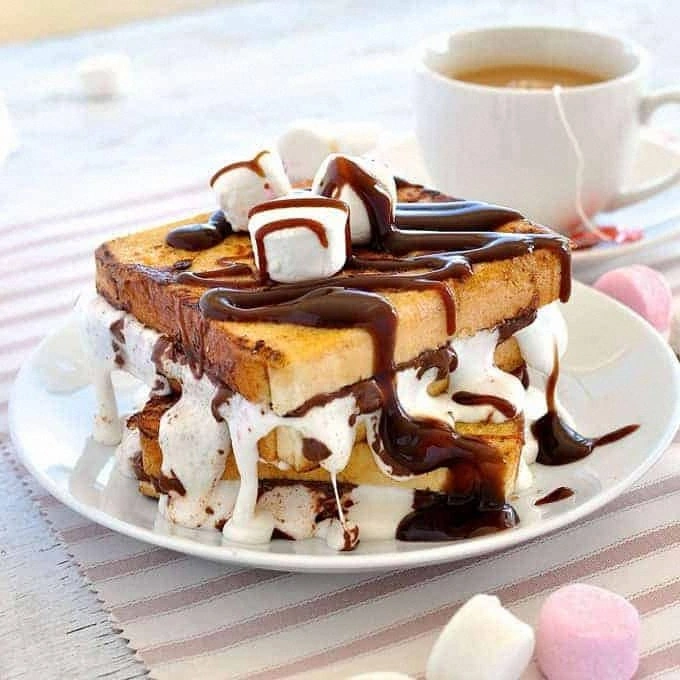
Marshmallows and chocolate sauce finish the dish. Sixteen marshmallows provide enough gooeyness for four servings, and the chocolate sauce adds a glossy, decadent drizzle that makes the plate look Instagram‑ready. If you prefer a less sweet version, use dark chocolate sauce or reduce the amount of marshmallows by half. Remember, the marshmallows should be placed on top of the toast before the final oven blast so they melt just enough to become a silky blanket.
Everything's prepped? Good. Let's get into the real action…
The Method — Step by Step
In a shallow dish, whisk together one egg and two tablespoons of milk until the mixture is smooth and slightly frothy. This is your custard bath, and it should look glossy, not watery. Pro tip: Add a pinch of salt to the mixture; it enhances the sweetness of the marshmallows and balances the chocolate.
Lay out the four slices of white sandwich bread on a clean surface. Spread a generous tablespoon of Nutella on one side of each slice, making sure to reach the edges. The Nutella acts like a barrier, preventing the custard from soaking the bread too deeply and keeping the crust crisp.
Flip each slice so the Nutella‑coated side faces down, then dip each slice into the custard bath. Let each side soak for about five seconds; you want the bread to be lightly coated, not drenched. The edges should start to pull away from the pan when you later sear them—this is the first sign of a perfect crust.
Heat a large non‑stick skillet or cast‑iron pan over medium‑high heat and add one tablespoon of butter. When the butter foams and begins to brown lightly, you’ll hear a gentle sizzle—That sizzle when it hits the pan? Absolute perfection. Carefully lay the soaked bread slices in the pan, Nutella side up, and press gently with a spatula.
Cook for 2‑3 minutes on each side until the bread turns a deep golden‑brown and the edges start to crisp and pull away from the pan. Watch Out: If the heat is too high, the butter will burn before the bread is fully cooked, leaving a bitter aftertaste. Adjust the flame to medium if you notice the butter turning dark too quickly.
While the toast is still in the pan, scatter the sixteen marshmallows evenly over the top of each slice. The heat will begin to melt them, but don’t let them fully liquefy yet. This is the moment of truth: the marshmallows should start to puff and turn translucent, creating that iconic “toasted marshmallow” look.
Transfer the entire skillet (or move the toast to a baking sheet if your pan isn’t oven‑safe) into a preheated oven at 350°F (175°C) for 5‑7 minutes. This short bake finishes the cooking, allowing the interior to set while the marshmallows become a glossy, gooey layer. The edges will become even crisper, and the Nutella will melt into a silky river beneath the marshmallow blanket.
Remove the toast from the oven and immediately drizzle each slice with a generous swirl of chocolate sauce. The sauce should glide over the warm marshmallows, creating rivulets that sparkle like sunrise on a lake. Let it sit for a minute so the sauce thickens slightly, then slice each piece diagonally for that classic French‑toast presentation.
Serve immediately, preferably on a warm plate. The first bite should deliver a crunch that shatters like thin ice, followed by a flood of melted chocolate, hazelnut, and marshmallow that coats your palate. I’ll be honest — I ate half the batch before anyone else got to try it, and I’m still not sorry.
That's it — you did it. But hold on, I've got a few more tricks that'll take this to another level…
Insider Tricks for Flawless Results
The Temperature Rule Nobody Follows
Most home cooks crank the heat to “high” hoping to speed up cooking, but that burns the butter and leaves the interior undercooked. Keep the pan at a steady medium‑high temperature; you’ll hear a steady sizzle, not a frantic pop. A consistent temperature ensures the bread caramelizes evenly, giving you that golden‑brown crust without any bitter notes.
Why Your Nose Knows Best
Your sense of smell is a reliable indicator of doneness. When the butter starts to brown and you catch a faint nutty aroma, that’s the cue that the toast is ready to flip. If you wait for visual cues alone, you might miss the perfect moment and end up with a dry interior.
The 5‑Minute Rest That Changes Everything
After the oven finish, let the toast rest for exactly five minutes before slicing. This short pause allows the custard to set and the melted marshmallows to thicken just enough to hold their shape. Skipping this step results in a waterfall of chocolate and marshmallow that can make a mess on your plate.
Butter‑Nutella Duo: The Golden Glue
A thin layer of butter in the pan combined with Nutella on the bread creates a double‑glaze effect. The butter crisps the exterior, while Nutella keeps the interior moist and adds a subtle hazelnut flavor. If you use only one of these, you’ll notice either a dry crust or a soggy interior.
The Secret of Even Marshmallow Distribution
Instead of tossing marshmallows haphazardly, arrange them in a grid pattern on each slice before the oven blast. This ensures each bite gets an equal amount of gooey marshmallow, preventing the dreaded “all marshmallow on one side” scenario. A friend tried scattering them randomly once — let’s just say the plate looked like a chocolate‑marshmallow disaster.
Creative Twists and Variations
This recipe is a playground. Here are some of my favorite ways to switch things up:
Berry‑Burst S’mores
Add a handful of fresh strawberries or raspberries between the Nutella and marshmallows before baking. The berries introduce a tart contrast that cuts through the richness, making the dish feel lighter while still delivering that indulgent experience.
Salted Caramel Dream
Swap the chocolate sauce for a homemade salted caramel drizzle and sprinkle flaky sea salt on top. The caramel’s buttery sweetness pairs beautifully with the hazelnut notes, while the salt amplifies the depth of flavor.
Peanut Butter Paradise
Replace Nutella with a smooth peanut butter spread. The peanut butter adds a savory, nutty edge that balances the sweet marshmallows, creating a flavor reminiscent of a classic PB‑&‑J s’mores.
Vegan Velvet
Use plant‑based butter, a flax‑egg (1 tbsp ground flaxseed + 3 tbsp water), and dairy‑free chocolate sauce. The texture remains just as luscious, and the vegan version still delivers that coveted crunch and gooey center.
Spiced Autumn Twist
Add a pinch of cinnamon and a dash of pumpkin spice to the custard mixture, and finish with a drizzle of maple syrup instead of chocolate sauce. This variation is perfect for fall brunches, offering warm, comforting notes that echo the season.
Storing and Bringing It Back to Life
Fridge Storage
Place any leftovers in an airtight container and store them in the refrigerator for up to 2 days. The toasted crust will soften slightly, but a quick re‑heat will bring back the crunch.
Freezer Friendly
Wrap each slice tightly in plastic wrap, then place them in a freezer‑safe bag. They’ll keep for up to 1 month. When you’re ready to enjoy, thaw overnight in the fridge, then re‑heat as described below.
Best Reheating Method
Preheat a skillet over medium heat, add a tiny splash of water (about a teaspoon) to the pan, and cover with a lid for 2‑3 minutes. The steam revives the interior moisture while the pan restores the crispy exterior. Avoid microwaving, as it makes the bread rubbery and the marshmallows turn gummy.