I remember the night I tried to make a simple carrot soup and ended up with a kitchen that looked like a war zone—burnt onions, a splatter of coconut milk on the stove, and a pot that smelled like a tropical storm that never quite reached the finish line. I stared at the mess, then realized that if I could turn that disaster into a masterpiece, I could do it again, better, faster, and with more flavor. That’s when I decided to remix the classic carrot soup with a bold, aromatic Thai curry twist, and the result was a bowl that sings of sunshine, spice, and comfort all at once.
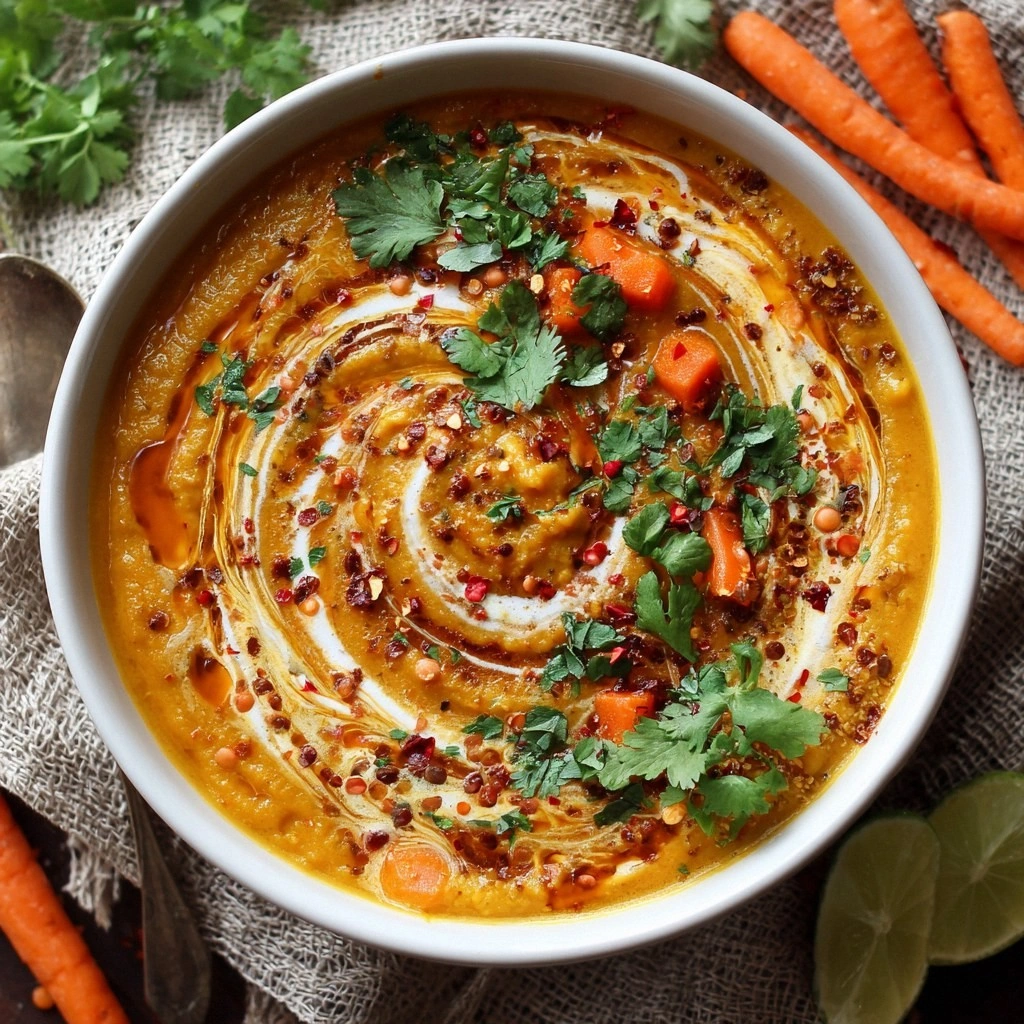
Picture this: a steaming pot on the stove, the air thick with the scent of fresh ginger and garlic sizzling in coconut oil, the gentle hiss of simmering broth, and the subtle pop of a red curry paste as it dissolves into the liquid. The carrots, bright orange and perfectly tender, give way to the silky texture of red lentils that soften into a velvety base. The coconut milk swirls, turning the broth a rich, creamy amber, while a splash of lime juice adds a bright, citrusy zing that lifts the entire dish. Every spoonful is a balanced dance of heat, sweetness, and acidity that feels like a warm hug wrapped in a spicy blanket.
What sets this version apart from the countless carrot soups you’ve seen? First, the use of red lentils adds a protein punch and a subtle earthiness that keeps the soup hearty without being heavy. Second, the Thai red curry paste brings depth and a complex layer of spices—galangal, lemongrass, and chilies—that elevate the flavor profile beyond the usual mild carrot notes. Third, a dash of fish sauce injects umami that balances the sweetness of the carrots and the richness of the coconut milk. Fourth, the finishing touch of fresh cilantro and sliced green onions adds a fresh, herbal brightness that cuts through the creaminess. Finally, the method—starting with a caramelized onion base, followed by a quick sauté of spices—creates a flavor foundation that is both robust and nuanced.
I dare you to taste this and not go back for seconds. If you’re skeptical, let me assure you—this is hands down the best version of carrot soup you’ll ever make at home. I’ll be honest—after the first spoonful, I almost set the pot down and said, “That’s it, that’s the end.” But the flavors kept unfolding, and I was left craving more. Most recipes get this completely wrong by overcooking the lentils or underusing the curry paste, but here, each ingredient works in harmony, creating a soup that is both comforting and adventurous.
What Makes This Version Stand Out
- Taste: The combination of sweet carrots, earthy lentils, and aromatic curry paste creates a layered flavor that evolves with each bite.
- Texture: The lentils soften into a silky base while the carrots remain tender yet slightly crisp, offering a delightful contrast.
- Simplicity: With just a handful of pantry staples and a few fresh ingredients, you can craft a gourmet soup in under an hour.
- Uniqueness: The infusion of Thai red curry and coconut milk transforms a humble carrot dish into a bold, tropical experience.
- Crowd Reaction: Guests often ask for the recipe after tasting it, and many admit they never felt a soup could be this exciting.
- Ingredient Quality: Using fresh ginger, a good quality curry paste, and fresh herbs elevates the dish to restaurant‑grade.
- Cooking Method: The caramelization of onions before adding the curry paste locks in sweetness and depth.
- Make‑ahead Potential: The soup stores beautifully; flavors deepen overnight, making it perfect for meal prep.
Alright, let's break down exactly what goes into this masterpiece...
Inside the Ingredient List
The Flavor Base
At the heart of any soup is its base, and this one starts with a golden caramelized onion foundation. When you sauté a medium onion until it turns translucent and slightly browned, you unlock natural sugars that form the sweet backbone of the dish. The onion’s subtle sweetness balances the heat from the curry paste and the richness of the coconut milk. If you skip this step, the soup will feel thin and lack depth.
Next, we introduce a generous splash of coconut oil to sauté the ginger and garlic. The oil not only prevents sticking but also carries the aromatic compounds of these aromatics into the broth. A small pinch of salt at this stage helps draw out moisture from the ginger, ensuring a smooth, even sauté. If you’re watching sodium, you can substitute the coconut oil with a neutral‑flavored oil, but the coconut oil’s subtle nutty flavor adds a finishing touch.
The Texture Crew
Carrots are the star of this soup, but they’re not just for color. When diced into bite‑sized cubes, they release natural sugars during cooking, creating a subtle caramelization that enhances the overall flavor. Aim for about three cups of chopped carrots for four servings; this amount gives the soup body without overpowering the lentils. If you prefer a smoother texture, you can pulse the carrots in a blender after cooking, but that will change the mouthfeel.
Red lentils are the protein powerhouse. Their quick cooking time (about 15 minutes) means they can soften fully without breaking apart. They also absorb the broth’s flavors, turning the soup into a creamy, hearty stew. A cup of lentils for four servings strikes the right balance—enough to make the soup filling but not so much that it becomes grainy. If you’re vegan or allergic to lentils, substitute with split peas or even chickpeas; the texture will shift slightly but the flavor remains robust.
The Unexpected Star
Thai red curry paste is the secret sauce that takes this soup from ordinary to extraordinary. This paste is a blend of dried chilies, galangal, lemongrass, coriander roots, and other spices, ground into a fragrant, slightly oily paste. When it hits the hot oil, it releases its oils, creating a fragrant base that permeates the entire pot. Use about two tablespoons for four servings; if you’re a heat connoisseur, add a pinch more, but be careful—this paste is potent.
Coconut milk adds richness and a creamy mouthfeel that counters the acidity of the lime. A generous two cups of full‑fat coconut milk ensures the soup feels luxurious without becoming overly heavy. If you prefer a lighter version, swap half of the coconut milk for coconut cream or a dairy alternative. The key is to maintain a balance between the creamy base and the bright, spicy undertones.
The Final Flourish
Fresh cilantro and green onions are the finishing touches that add brightness and a fresh herbal note. Chop a handful of cilantro and a few slices of green onions; sprinkle them over the soup right before serving. The herbs add a burst of color and a subtle peppery aroma that lifts the dish. If you’re allergic to cilantro, replace it with parsley or basil; the flavor profile will shift but remain delightful.
Lime juice is the acidic counterpoint that brightens the soup and balances the richness of the coconut. A couple of tablespoons of fresh lime juice added at the end of cooking ensures a lively, tangy finish. If you’re in a pinch, a splash of white wine vinegar can substitute, but the citrus undertone is unique to lime.
Everything's prepped? Good. Let's get into the real action...
The Method — Step by Step
Heat a large pot over medium heat and add one tablespoon of coconut oil. As the oil glistens, add one finely diced medium onion. Sauté until the onion is translucent and starts to caramelize, about 5–7 minutes. This caramelization locks in sweetness that will counterbalance the heat of the curry paste later on.
Add the minced garlic (three cloves) and grated ginger (one tablespoon) to the pot. Stir constantly for 30 seconds until fragrant—watch out for the garlic to burn, as a burnt aroma can ruin the soup’s delicate balance.
Introduce the Thai red curry paste—two tablespoons—into the pot. Stir it into the oil, garlic, and ginger mixture, allowing the paste to toast for 1–2 minutes. This step releases the essential oils and deepens the flavor profile.
Pour in one cup of vegetable broth and two cups of coconut milk. Stir to combine, ensuring the curry paste is fully dissolved. Bring the mixture to a gentle simmer; you should hear a soft hiss and see small bubbles forming at the surface.
Add the diced carrots (three cups) and one cup of red lentils to the pot. Stir to distribute the vegetables evenly. Reduce the heat to low and cover the pot. Let the soup simmer for 15 minutes, checking occasionally to ensure the lentils are not overcooking.
After 15 minutes, taste the soup. It should have a mild heat from the curry paste, a creamy body from the coconut milk, and a subtle sweetness from the carrots. If you desire more heat, add a pinch of red pepper flakes or an extra teaspoon of curry paste.
Stir in one tablespoon of fish sauce and two tablespoons of fresh lime juice. The fish sauce adds umami depth, while the lime juice brightens the overall flavor. Let the soup simmer for an additional 2–3 minutes to meld the flavors.
Remove the pot from heat. Sprinkle chopped cilantro and sliced green onions over the soup. If you prefer a smoother texture, use an immersion blender to puree half of the soup, then stir it back in. This creates a silky consistency while retaining the hearty texture of the lentils.
Serve hot, garnished with a drizzle of coconut milk and a wedge of lime on the side. Pair with crusty bread or a side of jasmine rice for a complete meal.
That’s it — you did it. But hold on, I've got a few more tricks that'll take this to another level...
Insider Tricks for Flawless Results
The Temperature Rule Nobody Follows
Maintaining a low simmer after adding the broth and coconut milk is essential. A rolling boil will break the lentils and cause the coconut milk to separate, leading to a grainy texture. Keep the heat low, and you’ll preserve the silky mouthfeel that makes this soup so comforting.
Why Your Nose Knows Best
Use your nose as a flavor gauge. When the onions caramelize, you’ll detect a sweet, buttery aroma. When the curry paste is toasted, a nutty, spicy scent will emerge. These scents signal that the base is ready for the next step, ensuring each ingredient is released at its optimum.
The 5-Minute Rest That Changes Everything
After simmering the soup, let it sit off the heat for five minutes before serving. This resting period allows the flavors to meld and the lentils to finish absorbing the broth. The result is a soup that tastes more cohesive and satisfies the palate more fully.
The Fresh Herb Boost
Add a handful of fresh basil or mint just before serving if you want a different herbal note. These herbs bring a bright, slightly sweet flavor that contrasts beautifully with the curry’s heat, creating an unexpected but delightful twist.
The Quick Cream Fix
If the soup feels too thick, stir in a splash of coconut cream or a tablespoon of coconut milk to thin it to your desired consistency. The extra cream will also enhance the overall richness, making each spoonful feel indulgent.
The Sweet Balance
A pinch of brown sugar or a drizzle of maple syrup can offset the heat if you find the soup too spicy. Add this small amount during the simmering phase to let the sweetness blend seamlessly.
Creative Twists and Variations
This recipe is a playground. Here are some of my favorite ways to switch things up:
Spicy Chili Kick
Add a diced fresh red chili or a splash of sriracha during the simmer. The extra heat will satisfy those who love a fiery bowl while keeping the base creamy.
Herbal Twist
Swap the cilantro for fresh Thai basil and add a handful of chopped mint. The combination of basil and mint offers a refreshing contrast to the coconut’s richness.
Protein Upgrade
Incorporate shredded cooked chicken or tofu cubes for a protein boost. Add them in the last five minutes of cooking to keep them tender and flavorful.
Smoky Pineapple
Stir in diced pineapple and a pinch of smoked paprika for a tropical, smoky flavor that pairs beautifully with the curry’s spices.
Nutty Crunch
Top the soup with toasted cashews or sliced almonds just before serving. The crunch adds texture contrast and a subtle nutty taste.
Vegan Coconut Cream
Replace the coconut milk with a plant‑based coconut cream and use vegetable broth. This version is dairy‑free and still delivers the same creamy, comforting mouthfeel.
Storing and Bringing It Back to Life
Fridge Storage
Store the soup in an airtight container in the refrigerator for up to 4 days. The flavors will deepen overnight, making the soup even more satisfying. When reheating, bring it to a gentle simmer over medium heat.
Freezer Friendly
This soup freezes well for up to 3 months. Portion into freezer‑safe containers or zip‑lock bags, leaving a small headspace for expansion. Thaw overnight in the refrigerator or reheat directly from the freezer on low heat.
Best Reheating Method
To reheat, add a splash of water or vegetable broth to the pot to loosen the consistency. Heat gently, stirring frequently, until the soup reaches 165°F. A tiny splash of water before reheating steams the soup back to perfection, keeping the lentils tender and the broth silky.