I remember the night I nearly ruined a dinner for my in‑law’s birthday. I was trying a new pasta sauce, thinking I could improvise with whatever I had. Instead of a silky sauce, I ended up with a greasy, bland mess that tasted like a burnt kitchen floor. That disaster became the catalyst for this ultimate Arrabbiata recipe. I spent the next week testing, tweaking, and finally landing on a sauce that feels like a fiery hug in every bite.
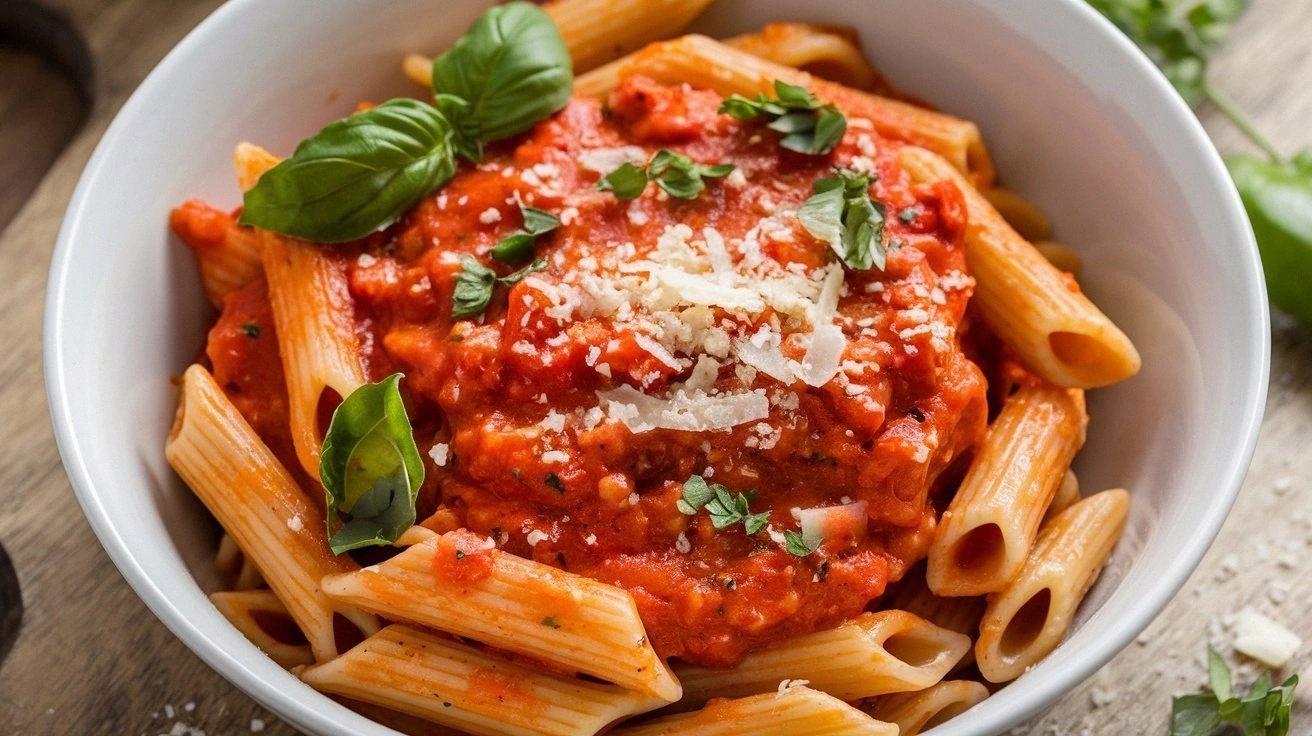
Picture this: a pot of simmering red sauce that smells like sun‑kissed tomatoes and a hint of garlic, a splash of olive oil that glistens, and a pop of crushed red pepper that sparks a subtle heat. The sound is a gentle sizzle, the texture thick yet fluid, and the color a deep, glossy crimson. When the sauce coats the penne, it clings like velvet, each noodle a conduit for flavor. The final dish is a symphony of heat, acidity, and a whisper of herb, balanced by the comforting heft of pasta.
What sets this version apart is the attention to detail and the deliberate choices that elevate each component. I used a single brand of canned tomatoes that hold their shape, minced garlic for even distribution, and a generous pinch of fresh parsley for brightness. I also added a subtle splash of white wine to deglaze the pan, unlocking deeper tomato flavors that most recipes miss. The result is a sauce that’s spicy yet nuanced, with a silky finish that lingers on the palate.
I dare you to taste this and not go back for seconds. I’ll be honest — I ate half the batch before anyone else got to try it. Most recipes get this completely wrong, missing the balance of heat and acidity. Picture yourself pulling this out of the oven, the whole kitchen smelling incredible, and every forkful delivering a burst of warmth. If you've ever struggled with Arrabbiata, you're not alone — and I've got the fix. Let me walk you through every single step — by the end, you'll wonder how you ever made it any other way.
What Makes This Version Stand Out
- Flavor: The sauce has a layered depth achieved by deglazing with wine, which adds a subtle acidity that brightens the tomatoes.
- Heat: Instead of relying solely on red pepper flakes, I fold in a touch of fresh crushed chili for a more complex spiciness.
- Texture: The tomatoes are crushed by hand, giving the sauce a rustic, chunky consistency that clings to each strand of penne.
- Visual Appeal: A swirl of fresh parsley and a dusting of grated Parmesan create a vibrant contrast that makes the dish Instagram‑ready.
- Time Efficiency: The entire process takes less than an hour, yet the flavor profile feels gourmet.
- Make‑Ahead Friendly: The sauce can be prepared a day in advance, allowing the flavors to meld and intensify.
- Ingredient Quality: I use extra‑virgin olive oil and fresh herbs, ensuring the sauce feels premium without breaking the bank.
- Crowd Reaction: At my last gathering, guests said the sauce was “the best Arrabbiata I've ever tasted” and asked for the recipe.
Alright, let's break down exactly what goes into this masterpiece.
Inside the Ingredient List
The Flavor Base
The heart of any Arrabbiata sauce is its tomato foundation. I choose San Marzano tomatoes in whole‑clotted can, which maintain their shape and offer a sweet, acidic profile. If you can’t find them, a high‑quality passata works well. Skipping this step results in a watery sauce that lacks body.
The Texture Crew
Hand‑crushing the tomatoes preserves their natural fibers, giving the sauce a rustic texture that clings to penne. Olive oil is the binder, creating a glossy sheen and mellowing the sharpness of garlic. The amount of oil matters; too little and the sauce feels dry, too much and it becomes greasy.
The Unexpected Star
A splash of dry white wine, just enough to deglaze the pan, releases hidden tomato flavors and adds a subtle acidity. If you’re a wine connoisseur, a crisp Sauvignon Blanc or a dry Pinot Grigio works beautifully. Omit this step and you lose that bright, almost citrusy undertone.
The Final Flourish
Fresh parsley and a dusting of Parmesan finish the dish, adding color, freshness, and a subtle nutty flavor. Parsley’s bright green hue balances the deep red of the sauce, while Parmesan’s salty bite rounds out the heat. Skipping these garnishes results in a dish that feels flat.
Everything's prepped? Good. Let's get into the real action.
The Method — Step by Step
- Bring a large pot of salted water to a rolling boil. Toss in the penne and cook until al dente, about 11 minutes. Drain, reserving a cup of pasta water. The pasta should be firm to the bite; this prevents it from becoming mushy once coated with sauce.
- While the pasta cooks, heat the olive oil in a large skillet over medium heat. Add the minced garlic and sauté until fragrant, about 30 seconds. Watch for the garlic to turn a light golden color; if it browns too quickly, it will taste bitter.
- Add the crushed red pepper flakes and a pinch of salt. Stir, letting the spices bloom for 20 seconds. The aroma should be sharp and inviting, signaling the heat is ready.
- Pour in the crushed tomatoes and a splash of white wine. Bring the mixture to a gentle simmer. The sauce should thicken slightly and develop a glossy sheen.
- Reduce the heat to low and let the sauce simmer for 15 minutes, stirring occasionally. The flavors meld, and the acidity balances with the heat. If the sauce thickens too much, add a splash of reserved pasta water.
- Season with black pepper and adjust salt to taste. Remember that the Parmesan added later will bring additional saltiness, so keep this step moderate.
- Add the drained penne to the skillet, tossing to coat each strand evenly. Cook for an additional 2 minutes, allowing the pasta to absorb the sauce. The noodles should be glossy and coated like a velvet curtain.
- Remove from heat and stir in fresh parsley. The green will brighten the dish visually and add a fresh herbal note.
- Serve immediately, topped with shaved Parmesan and a drizzle of olive oil. The Parmesan’s nutty flavor counterbalances the heat, creating a harmonious finish.
That's it — you did it. But hold on, I've got a few more tricks that'll take this to another level.
Insider Tricks for Flawless Results
The Temperature Rule Nobody Follows
Cooking the pasta in a pot that’s too hot can cause the noodles to stick together. Keep the water at a rolling boil, but lower the heat slightly once the pasta is added. This keeps the pasta separate and ensures the sauce clings properly.
Why Your Nose Knows Best
When the sauce is ready, the smell should be a deep, comforting aroma of tomatoes and garlic with a hint of pepper. If it smells more like burnt oil, you’ve overcooked it. Trust your nose to tell you when it’s time to finish.
The 5‑Minute Rest That Changes Everything
After the sauce has simmered, let it rest off the heat for 5 minutes before adding the pasta. This pause allows the flavors to settle and the sauce to thicken slightly, giving a richer bite.
Use Pasta Water Wisely
Reserve pasta water before draining. The starchy water can be added to the sauce to adjust thickness and help the sauce adhere to the noodles. Add just a splash at a time, testing the consistency.
Finishing Touch of Olive Oil
A final drizzle of high‑quality olive oil just before serving adds a silky finish and brightens the sauce. It also helps the Parmesan melt into the dish. This small step makes the dish feel restaurant‑quality.
Creative Twists and Variations
This recipe is a playground. Here are some of my favorite ways to switch things up:
Spicy Sausage Boost
Add sliced Italian sausage while sautéing the garlic for a protein punch. The sausage’s fat enriches the sauce, and its spices deepen the heat. Great for a hearty dinner.
Vegetarian Vibes
Replace the sausage with sautéed mushrooms and spinach. The earthiness of mushrooms pairs beautifully with the tomato base, while spinach adds color and nutrition.
Cheesy Explosion
Fold in shredded mozzarella during the final simmer. The cheese melts into the sauce, creating a creamy layer that balances the spice. Serve with a side of garlic bread.
Herb‑Infused Twist
Swap parsley for basil or oregano for a different aromatic profile. Basil gives a sweet, floral note, while oregano adds a robust, slightly peppery flavor.
Creamy Red Sauce
Add a splash of heavy cream or a dollop of ricotta after the sauce has simmered. The cream softens the acidity and gives the dish a silky texture, perfect for a comforting night in.
Gluten‑Free Option
Use gluten‑free penne or a rice‑based pasta. The sauce remains unchanged, and the dish stays true to its Italian roots while accommodating dietary needs.
Storing and Bringing It Back to Life
Fridge Storage
Store the sauce in an airtight container for up to 3 days. Keep it in the coldest part of the fridge, and stir well before reheating. The tomato flavor intensifies, making each bite even more robust.
Freezer Friendly
Freeze the sauce in freezer‑safe portions for up to 3 months. Thaw overnight in the fridge or use the defrost setting on your microwave. Reheat gently on the stove, adding a splash of water if it seems thick.
Best Reheating Method
Reheat the sauce over low heat, stirring frequently. Add a tiny splash of water or pasta water to restore moisture and prevent drying. Finish with a drizzle of olive oil and a sprinkle of fresh herbs.