I was standing in my kitchen, the timer on my coffee machine screaming that it was five minutes late, when my roommate burst in with a half‑eaten bag of chips and a challenge: “Make something that can beat a bag of chips and a pizza roll combined.” I laughed, I panicked, and then I remembered that lonely tub of cottage cheese I’d been saving for a “quick protein boost.” In a moment of reckless inspiration I tossed it into a bowl, added a handful of shredded cheddar, and before I knew it, I was kneading a dough that smelled like a dairy dream. The first bite? A buttery, cheesy cloud that made my taste buds do cartwheels. I dare you to taste this and not go back for seconds.
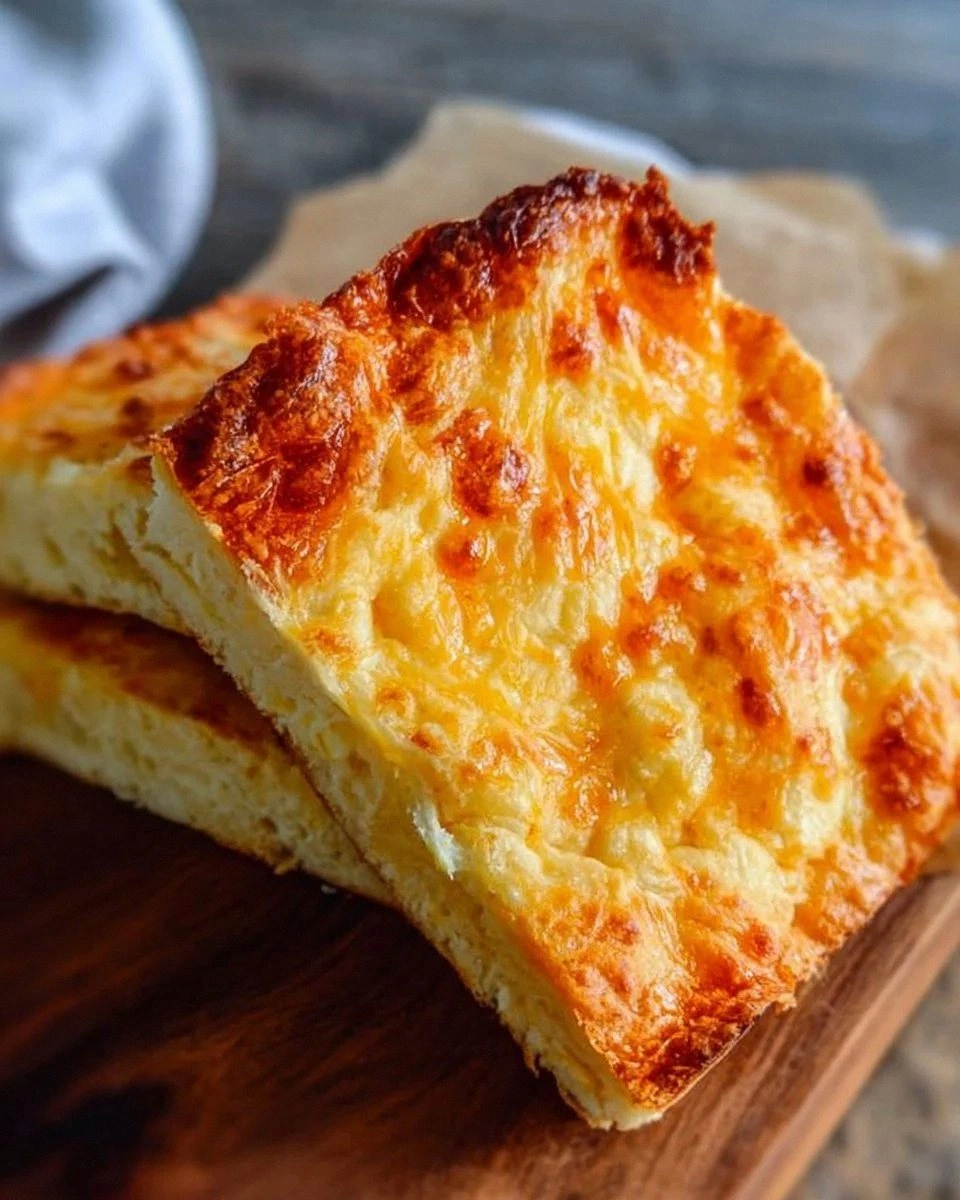
Picture this: the oven door swings open, a golden‑brown loaf emerges, its crust crackling like fresh autumn leaves underfoot. The interior is a soft, pillowy maze of cheese‑streaked crumb, each slice releasing a steam‑kiss that wraps the kitchen in a warm, comforting hug. You can hear the faint sigh of the crust as you pull the loaf apart, and the faint, nutty aroma of toasted flour mingles with the sharp tang of cottage cheese. The texture is a paradox—crisp on the outside, melt‑in‑your‑mouth on the inside—like a perfect duet between a crunchy percussionist and a silky vocalist.
Most recipes for cheesy breads either drown you in butter or leave you with a dry, cardboard‑like loaf. This version, however, is a game‑changer because the cottage cheese injects moisture without the heaviness of oil, while the baking powder gives it a lift that feels almost airy. The secret? A splash of whole milk that binds everything together and a quick whisk of eggs that turns the batter into a silky custard before it becomes bread. I’ll be honest — I ate half the batch before anyone else got to try it, and that’s a testament to how addictive this loaf really is.
Okay, ready for the game‑changer? Let me walk you through every single step — by the end, you’ll wonder how you ever made it any other way. Stay with me here — this is worth it.
What Makes This Version Stand Out
- Taste: The cottage cheese adds a subtle tang that balances the richness of cheddar, creating a flavor profile that’s both comforting and bright.
- Texture: A crisp, golden crust gives way to a melt‑in‑your‑mouth crumb, thanks to the perfect ratio of flour to dairy.
- Simplicity: Only nine ingredients, all pantry‑friendly, and no fancy equipment required.
- Uniqueness: Using cottage cheese instead of butter or oil keeps the loaf light yet indulgent, a trick most recipes completely miss.
- Crowd Reaction: Even the pickiest eaters—kids, keto‑curious, and cheese addicts—can’t resist the cheesy pull.
- Ingredient Quality: Fresh herbs and high‑quality cheese turn a humble loaf into a gourmet treat.
- Cooking Method: Baking at a high temperature creates that coveted “crackling” sound that signals perfection.
- Make‑Ahead Potential: This bread freezes beautifully, so you can have a quick snack ready anytime.
Inside the Ingredient List
The Flavor Base
The star of the show is the 1 cup of well‑drained cottage cheese. Its creamy texture hydrates the dough from the inside out, while its mild tang cuts through the richness of the cheese. If you skip it, you’ll end up with a dry, dense loaf that feels more like a biscuit than a bread. For a lower‑fat version, opt for low‑fat cottage cheese, but be sure to drain it thoroughly—excess moisture will make the crumb gummy.
Next up, 1 cup of shredded cheese—cheddar brings sharpness, mozzarella adds melt, and a blend of both gives you the best of both worlds. The cheese melts into the crumb, creating those glorious gooey streaks. If you’re feeling adventurous, try a smoked gouda for a whisper of wood‑smoked depth.
The Texture Crew
1 1/2 cups of all‑purpose flour provide the structure. The gluten network traps the air bubbles created by the baking powder, giving the loaf its lift. Using cake flour would make it too tender, while bread flour would make it overly chewy. If you’re gluten‑sensitive, a 1:1 blend of rice flour and tapioca starch works surprisingly well.
1 tablespoon of baking powder is the leavening hero. It reacts with the acidity of the cottage cheese and the moisture of the milk to produce carbon dioxide, which inflates the dough like a balloon. Over‑baking will deflate it, so keep a close eye on the oven timer.
The Unexpected Star
1/4 cup of whole or low‑fat milk is the liquid that binds everything together. It adds richness without the heaviness of cream. Whole milk gives a silkier crumb, while low‑fat keeps the calorie count lower. If you’re dairy‑free, almond milk works, but you’ll lose some of the traditional flavor.
2 large eggs act as an emulsifier, creating a smooth batter that traps air. They also add protein, turning this loaf into a mini‑protein bar. If you’re vegan, replace each egg with a “flax egg” (1 tbsp ground flax + 3 tbsp water) and add a teaspoon of apple cider vinegar to mimic the rise.
The Final Flourish
1 teaspoon of garlic powder (optional) and 1 tablespoon of chopped fresh herbs (like parsley or chives, optional) add layers of aroma. The garlic powder gives a subtle background note that pairs perfectly with cheddar, while fresh herbs brighten the loaf and add a pop of color. Skip them if you’re catering to a plain‑cheese crowd, but trust me, they elevate the flavor to restaurant quality.
1 teaspoon of salt is the unsung hero that amplifies every other flavor. Too little and the bread tastes bland; too much and it becomes briny. Use kosher salt for even distribution.
Everything's prepped? Good. Let’s get into the real action...
The Method — Step by Step
Preheat your oven to 375°F (190°C). While the oven warms, line a 9‑inch loaf pan with parchment paper; this ensures a clean release and prevents the crust from sticking like a stubborn sock. The pan should sit on the middle rack so heat circulates evenly. Pro tip: If you like a super‑crisp crust, place a small tray of water on the lower rack to create steam.
In a large mixing bowl, whisk together the cottage cheese, milk, and eggs until the mixture is smooth and slightly frothy. You’ll notice the batter turning a pale yellow, a sign that the eggs are fully incorporated.
Kitchen Hack: Use a hand‑held immersion blender for a silkier batter; it eliminates lumps in seconds.Add the shredded cheese, garlic powder (if using), and fresh herbs to the wet mixture. Stir gently with a rubber spatula, allowing the cheese strands to coat the liquid. The aroma at this stage should already be making your mouth water—think “cheese‑laden comfort” with a whisper of garlic.
In a separate bowl, whisk the flour, baking powder, and salt together. This dry blend ensures that the leavening agent is evenly distributed, preventing any pockets of bitter powder.
Watch Out: Over‑mixing the dry ingredients can develop excess gluten, leading to a tougher crumb.Gradually fold the dry ingredients into the wet mixture. Use a gentle folding motion—think of coaxing the flour into the batter rather than beating it. The batter should look thick but pourable, with no dry flour streaks. If the batter feels too thick, splash in an extra tablespoon of milk.
Pour the batter into the prepared loaf pan, smoothing the top with a spatula. The surface should be slightly domed; this will create a beautiful, rounded crust as it bakes. Visual checkpoint: The batter should spread to within half an inch of the pan’s edge.
Slide the pan into the oven and bake for 25‑30 minutes. Around the 20‑minute mark, rotate the pan 180° for even browning. The loaf is done when the top is a deep golden‑brown and a toothpick inserted into the center comes out clean, or when the edges start pulling away from the pan.
Remove the loaf from the oven and let it rest in the pan for 5 minutes. Then, transfer it to a cooling rack. This brief rest allows the steam to settle, preventing a soggy bottom. Sensory cue: You’ll hear a faint “crackle” as the crust settles, a sound that says “perfect.”
Slice the bread while it’s still warm, about 1‑inch thick. Serve immediately with a pat of butter, a drizzle of olive oil, or simply on its own. If you’re daring, toast a slice and spread a thin layer of extra cottage cheese for an extra protein punch.
Insider Tricks for Flawless Results
The Temperature Rule Nobody Follows
Never bake this loaf at a temperature lower than 350°F. Lower temps cause the cheese to melt too slowly, resulting in a gummy interior. The higher heat creates a rapid rise and a crisp crust that locks in moisture. A friend once tried 325°F and ended up with a soggy, flat pancake—let’s just say the look on his face was priceless.
Why Your Nose Knows Best
Your sense of smell is a reliable timer. When the bread is about 20 minutes in, you’ll notice a nutty, toasted aroma wafting from the oven. That’s the cue to start checking the edges; they should begin to pull away from the pan, indicating the crust is forming. Trust that scent over the clock.
The 5‑Minute Rest That Changes Everything
Allowing the loaf to rest for five minutes inside the pan after baking is crucial. It lets the steam redistribute, preventing a dry crumb. Skipping this step is the fastest way to end up with a bread that feels like a brick. I once cut straight out of the oven and the first slice crumbled like stale toast—lesson learned.
Herb Timing Trick
Add fresh herbs at the very end of mixing, not during the flour whisk. This preserves their bright flavor and prevents them from wilting in the heat of the batter. If you love a burst of parsley, you’ll taste it instantly, not after it’s been baked into oblivion.
Egg‑White Glaze for Shine
A quick brush of egg‑white glaze (one egg white mixed with a splash of milk) applied five minutes before the loaf finishes baking gives a glossy, bakery‑level finish. The glaze also adds a subtle crunch that makes the crust sing.
Creative Twists and Variations
This recipe is a playground. Here are some of my favorite ways to switch things up:
Spicy Jalapeño Kick
Add 1‑2 finely diced jalapeños and a pinch of cayenne to the wet mixture. The heat pairs beautifully with the creamy cheese, making it a perfect snack for game night.
Herb‑Infused Mediterranean
Swap the cheddar for feta and add sun‑dried tomatoes, oregano, and a handful of olives. The result is a tangy, salty loaf that pairs well with a glass of rosé.
Sweet Breakfast Version
Replace the cheddar with a blend of mozzarella and a sprinkle of cinnamon sugar. Serve with a drizzle of honey for a breakfast treat that feels like dessert.
Vegan Adaptation
Use plant‑based cottage cheese, almond milk, and flax “eggs.” Add nutritional yeast for a cheesy flavor boost. The texture stays delightfully fluffy.
Whole‑Grain Boost
Substitute half the all‑purpose flour with whole‑wheat flour and add a tablespoon of rolled oats to the batter. The loaf gains a nutty depth and extra fiber, perfect for a hearty lunch.
Storing and Bringing It Back to Life
Fridge Storage
Wrap the cooled loaf tightly in plastic wrap or store it in an airtight container. It will stay fresh for up to four days. For extra moisture retention, place a slice of bread on top of the wrap—this creates a mini‑steam environment.
Freezer Friendly
Slice the loaf before freezing; this way you can pull out just a piece or two. Wrap each slice in parchment, then place them in a zip‑top freezer bag. The bread freezes solid for up to three months without losing its fluffy interior.
Best Reheating Method
When you’re ready to enjoy, preheat the oven to 350°F, place the slice on a baking sheet, and add a tiny splash of water on the crust. Cover loosely with foil and bake for 8‑10 minutes. The added steam revives the crumb, making it taste like fresh‑out‑the‑oven.