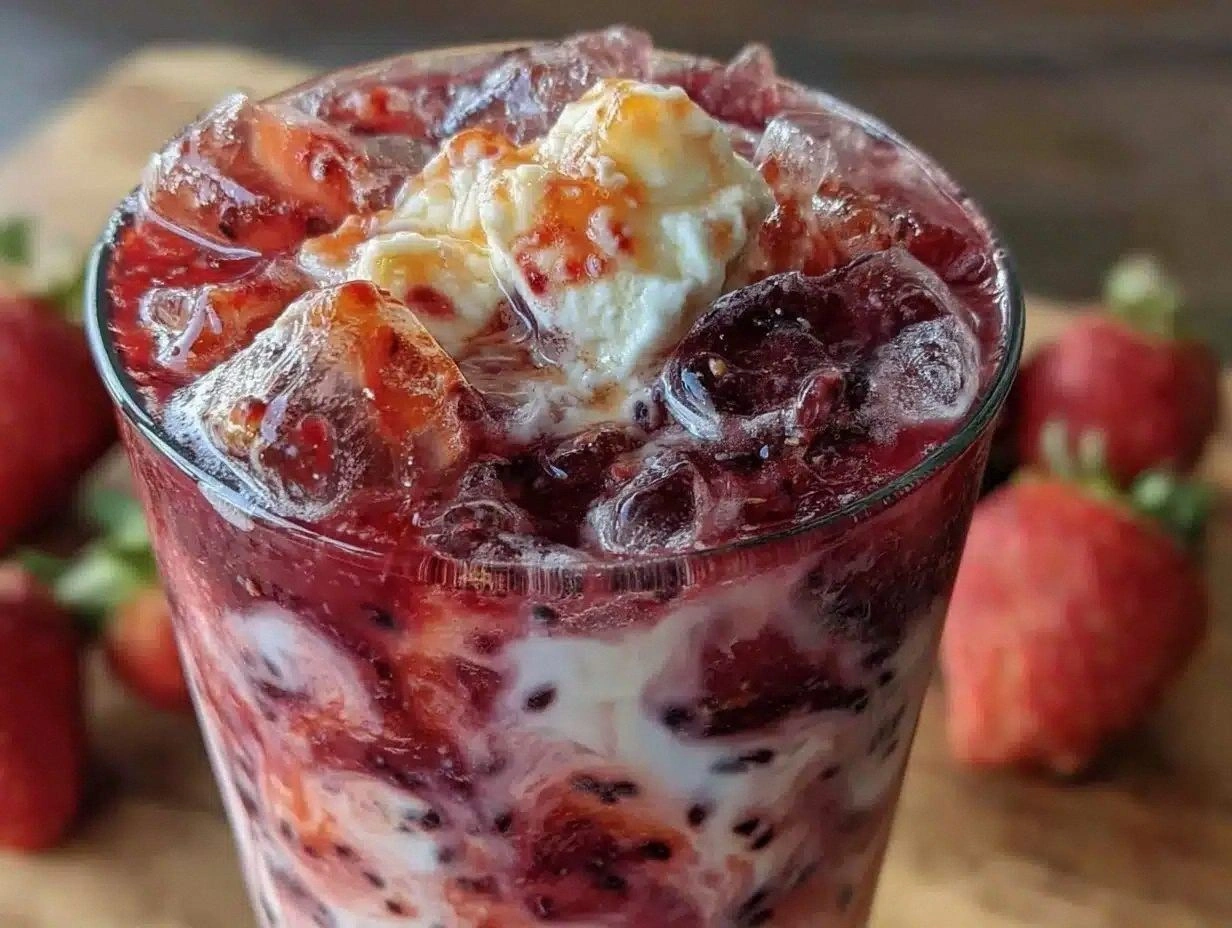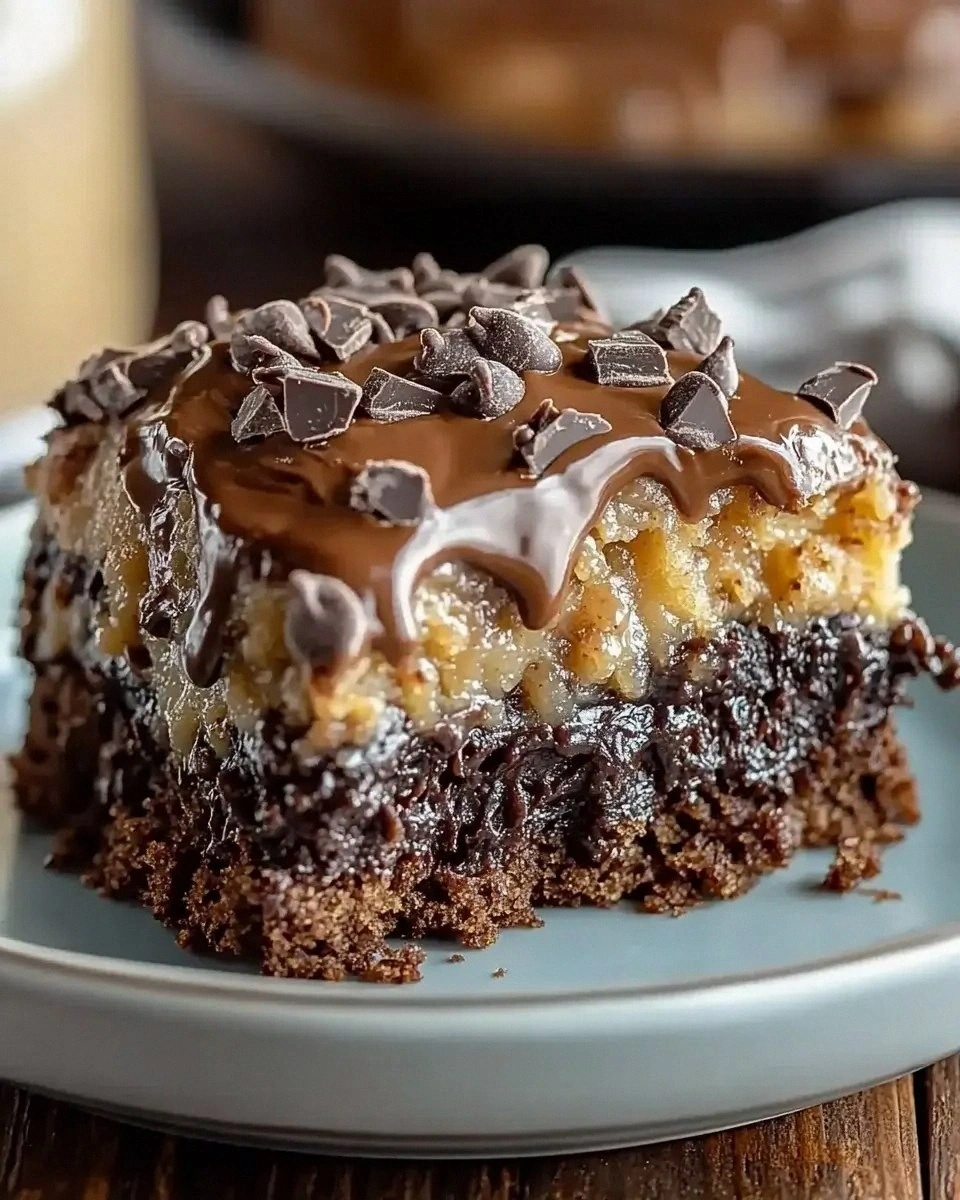
I was in the middle of a Saturday night binge‑watching marathon when my roommate shouted, “You’ve got to try my German chocolate cake!” I laughed, because the last time I attempted a German chocolate cake, the frosting turned into a sticky mess that clung to the pan like a bad ex. The kitchen smelled like burnt sugar and disappointment, and I swear the smoke alarm gave me a standing ovation for the chaos. Then, out of sheer desperation (and a dare that I couldn’t refuse), I dug through my pantry, grabbed a bag of cocoa, a can of sweetened condensed milk, and a stash of shredded coconut, and decided to reinvent the whole thing. The result? A poke‑cake that’s so moist it practically weeps chocolate tears, and a frosting that spreads like silk over a summer sunset.
Picture this: the moment the batter hits the pan, a faint hiss rises, promising caramelized edges, while the aroma of cocoa and vanilla swirls with the nutty perfume of toasted pecans. The oven’s heat works its magic, and when you finally pull the cake out, the top is a glossy, crack‑topped canvas just begging for a poke‑fork. You then drizzle the luscious, coconut‑pecan frosting into those holes, and it seeps in, turning each bite into a layered symphony of textures. The first forkful is a buttery, chocolatey dream that melts on your tongue, followed by a crunchy surprise that snaps like fresh twigs underfoot. Trust me, I dare you to taste this and not go back for seconds.
Most recipes get this completely wrong. They either over‑sweeten the frosting or bake the cake until it’s as dry as a desert road. I’ve tried a dozen variations that left me with a crumbly mess, a soggy bottom, or a frosting that turned into a gluey puddle. What makes this version stand out is the balance of a deep chocolate base, a light yet rich crumb, and a topping that’s both sweet and nutty without being cloying. The secret? A splash of boiling water that unlocks the cocoa’s full flavor, and a simple poke‑technique that lets the frosting soak in just enough to stay glossy but never soggy.
And now the fun part: we’re going to use a technique that most bakers overlook—poking the cake while it’s still warm and letting the frosting seep in like a sponge. This isn’t just a gimmick; it’s pure magic that transforms an ordinary chocolate cake into a decadent, show‑stopping centerpiece. Let me walk you through every single step — by the end, you'll wonder how you ever made it any other way.
What Makes This Version Stand Out
- Flavor Depth: The combination of unsweetened cocoa and boiling water creates a chocolate intensity that rivals boutique patisseries, while the condensed‑milk frosting adds a caramel‑kissed sweetness.
- Texture Harmony: A tender, almost melt‑in‑your‑mouth crumb meets a crunchy coconut‑pecan topping that snaps like thin ice under a winter footstep.
- Simplicity: No fancy equipment required—just a standard 9‑inch round pan, a fork, and a whisk, making it perfect for weekend bakers.
- Unique Poke Technique: The holes act like tiny rivers, guiding the frosting deep into the cake’s core for an even distribution of flavor.
- Crowd Reaction: This cake consistently earns “wow” gasps at parties, and I’ve been known to hear people say “I’ve never tasted anything like this!”
- Ingredient Quality: Using high‑quality cocoa powder and fresh pecans elevates the entire experience without breaking the bank.
- Make‑Ahead Potential: Bake it a day ahead, poke, and frost; the flavors meld even more, delivering a cake that tastes better the next day.
- Versatility: The base can be tweaked for gluten‑free or vegan versions without sacrificing the signature decadence.
Inside the Ingredient List
The Flavor Base
All‑purpose flour is the structural backbone of any cake, providing the necessary gluten network that holds everything together. If you skip it or substitute with a low‑protein flour, the cake will crumble like dry sand. For the best crumb, sift the flour with cocoa powder; this aerates the mixture and prevents clumps. Pro tip: Choose a flour labeled “unbleached” for a slightly richer flavor.
Granulated sugar does more than sweeten; it also contributes to the cake’s tender texture by interfering with gluten formation. Using a fine‑grained sugar helps it dissolve quickly, preventing a grainy mouthfeel. If you prefer a deeper caramel note, swap half the sugar for dark brown sugar, but be aware it will add moisture and a hint of molasses.
Cocoa powder is the soul of this cake. The unsweetened variety delivers a robust, bittersweet chocolate flavor that balances the sweet frosting. A common mistake is using Dutch‑process cocoa, which can make the batter too dark and slightly bitter; stick with natural cocoa for that authentic German chocolate taste.
The Texture Crew
Vegetable oil keeps the crumb moist and gives the cake a silky mouthfeel that butter alone can’t achieve. It also helps the cake stay tender after cooling, unlike butter, which can cause the crumb to firm up. If you’re aiming for a richer flavor, you can replace half the oil with melted butter, but keep the total liquid volume the same.
Eggs act as emulsifiers, binding the oil and water together while adding lift. Using large eggs at room temperature ensures they incorporate fully, creating a uniform batter. For a fluffier texture, separate the yolks and whites; beat the whites to soft peaks and fold them in at the end.
Whole milk provides the necessary liquid for the batter to come together, and its fat content contributes to a tender crumb. If you’re dairy‑free, substitute with almond or oat milk—just make sure it’s unsweetened to avoid altering the flavor balance.
The Unexpected Star
Sweetened shredded coconut and chopped pecans are the iconic duo that give German chocolate cake its name. The coconut adds chewiness and a subtle tropical sweetness, while the pecans contribute a buttery crunch that contrasts beautifully with the soft cake. Toast the pecans lightly before mixing them in to enhance their nutty aroma; the scent will fill your kitchen like a warm hug.
Sweetened condensed milk is the secret weapon in the frosting, turning it into a glossy, caramel‑like glaze that seeps into the cake’s pores. Its thick consistency means you don’t need to add extra sugar, preventing the frosting from becoming overly sweet. If you’re watching sugar, you can use a reduced‑sugar condensed milk, but the texture will be slightly thinner.
The Final Flourish
Chocolate frosting, the finishing touch, should be smooth, glossy, and just sweet enough to complement the cake without overpowering it. Using a high‑quality chocolate frosting ensures a glossy finish and a deep cocoa flavor that matches the cake’s interior. If you can’t find a premade frosting you love, you can whip up a quick glaze by melting chocolate with a splash of cream.
Everything's prepped? Good. Let's get into the real action...
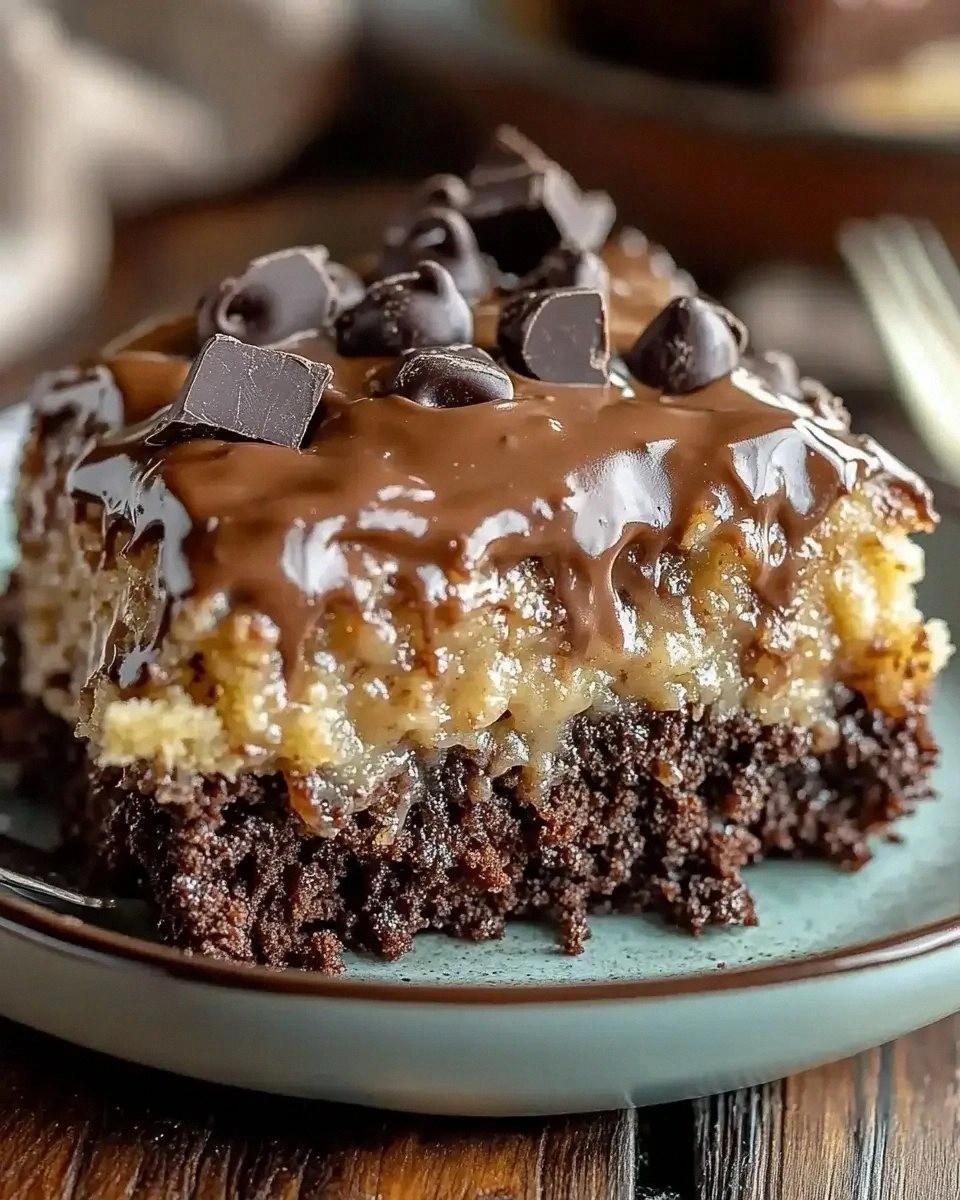
The Method — Step by Step
Preheat your oven to 350°F (175°C) and grease a 9‑inch round cake pan with a thin layer of vegetable oil, then dust it lightly with flour. This prevents the cake from sticking and gives the edges a subtle crust. As the oven warms, you’ll hear the gentle hum of the heating element—an auditory reminder that the magic is about to begin. Pro tip: Place a rack in the middle of the oven for even heat distribution.
In a large mixing bowl, whisk together the flour, cocoa powder, baking powder, baking soda, and salt. The dry ingredients should form a uniform, chocolate‑gray cloud; this is your flavor foundation. Sifting them together eliminates lumps and ensures a smooth batter.
Kitchen Hack: Add a pinch of instant coffee granules to the dry mix; it amplifies the chocolate depth without adding a coffee flavor.In another bowl, combine the sugar, oil, eggs, and vanilla extract. Beat with an electric mixer on medium speed until the mixture is light and fluffy, about 2‑3 minutes. The mixture should pale slightly and increase in volume, a visual cue that the air has been incorporated. This step is crucial because it creates the cake’s tender crumb.
Slowly add the dry ingredients to the wet mixture, alternating with the whole milk, beginning and ending with the dry mix. Stir just until combined; over‑mixing will develop gluten and make the cake tough. The batter should be glossy and thick, resembling a rich chocolate mousse.
Watch Out: Adding the boiling water too early can deflate the batter; wait until the batter is fully combined before pouring the hot water.Once the batter is smooth, carefully stir in the boiling water. The batter will look thin—this is normal and actually helps the cocoa bloom, delivering that deep chocolate flavor. You’ll hear a faint sizzle as the hot water meets the cold batter, a sound that signals the transformation is happening. Keep mixing for another minute until the batter is homogenous.
Pour the batter into the prepared pan, smoothing the top with a spatula. Tap the pan gently on the counter three times to release any large air pockets. The surface should be glossy and slightly domed; this is the perfect canvas for the poke‑fork technique later.
Bake for 30‑35 minutes, or until a toothpick inserted into the center comes out with a few moist crumbs but no wet batter. Around the 20‑minute mark, you’ll notice the edges pulling away from the pan—a visual cue that the cake is almost done. The kitchen will fill with a warm, chocolatey aroma that makes you want to peek inside the oven. Resist the urge to open the door early; every time you do, you lose heat and risk a sunken center.
While the cake is still warm, use a wooden skewer or the handle of a wooden spoon to poke a grid of holes about 1‑inch apart. This is the moment of truth: the holes should be deep enough to let the frosting seep but not so deep that they break through the bottom. Okay, ready for the game‑changer? The warm cake will absorb the frosting like a sponge, creating pockets of gooey caramel‑coconut goodness.
In a saucepan, combine the sweetened condensed milk, shredded coconut, and chopped pecans. Cook over medium heat, stirring constantly, until the mixture thickens and turns a golden caramel color—about 8‑10 minutes. The scent will become irresistibly nutty and sweet, a clear indication that the frosting is ready. Once thickened, remove from heat and let it cool just enough to be spreadable.
Using a spatula, drizzle the warm frosting over the entire cake, allowing it to flow into the poked holes. The frosting will sink, creating a glossy, marbled effect that looks as good as it tastes. If you want an extra layer of decadence, spread a thin coat of chocolate frosting on top before the coconut‑pecan mixture; the two layers will meld into a glossy, multi‑textured crown.
Let the cake cool completely on a wire rack before slicing. This cooling period lets the frosting set and the flavors meld, turning the cake into a cohesive masterpiece. Once cooled, slice with a hot, wet knife for clean cuts that showcase the beautiful frosting veins. And now the fun part—serve, savor, and watch your guests' eyes widen in delight.
That's it — you did it. But hold on, I've got a few more tricks that'll take this to another level...
Insider Tricks for Flawless Results
The Temperature Rule Nobody Follows
Never bake a chocolate cake with cold ingredients. Let the eggs, milk, and oil sit at room temperature for at least 30 minutes before mixing. This ensures the batter emulsifies properly and the cake rises evenly. I once baked with refrigerated milk and ended up with a dense, uneven crumb—lesson learned.
Why Your Nose Knows Best
The moment the cake’s edges start pulling away from the pan, you’ll smell a toasty, caramel‑chocolate scent. That aromatic cue means the interior is set and the cake is ready for the poke. Trust your nose more than the timer; ovens can vary by up to 20 degrees.
The 5‑Minute Rest That Changes Everything
After removing the cake from the oven, let it rest in the pan for five minutes before turning it out. This short rest allows the steam to finish cooking the center gently, preventing a soggy bottom. Skipping this step once left me with a gummy base that never set.
Pecans Toasted to Perfection
Toast pecans in a dry skillet over medium heat for 4‑5 minutes, shaking the pan frequently. The nuts will release a fragrant, buttery aroma and turn a richer amber hue. Over‑toasting can make them bitter, so keep a close eye and remove them as soon as they’re golden.
Frosting Consistency Check
Your coconut‑pecan frosting should coat the back of a spoon without dripping off too quickly. If it’s too thick, add a teaspoon of warm milk; if it’s too runny, return it to low heat for a minute. This balance ensures the frosting seeps into the poke holes without pooling at the bottom.
Creative Twists and Variations
This recipe is a playground. Here are some of my favorite ways to switch things up:
Mocha Madness
Add 1 tablespoon of instant espresso powder to the dry ingredients and swap half the chocolate frosting for a coffee‑infused ganache. The result is a sophisticated mocha cake that’s perfect for brunch or an after‑dinner treat.
White Chocolate Coconut Dream
Replace the unsweetened cocoa with an equal amount of melted white chocolate, and use a white chocolate frosting instead of the chocolate one. The coconut and pecans become the stars, with a buttery vanilla backdrop.
Berry Burst
Fold in 1 cup of fresh raspberries into the batter just before baking, and drizzle a raspberry coulis over the finished cake. The tart berries cut through the richness, offering a bright contrast that’s summer‑ready.
Gluten‑Free Glory
Swap the all‑purpose flour for a 1:1 gluten‑free flour blend, and add ½ teaspoon xanthan gum for structure. The texture remains moist, and the flavor stays true to the original.
Vegan Velvet
Replace eggs with flax “eggs” (1 tablespoon ground flax + 3 tablespoons water per egg) and use coconut oil instead of vegetable oil. Use a dairy‑free chocolate frosting, and the cake becomes fully vegan without losing any decadence.
Storing and Bringing It Back to Life
Fridge Storage
Cover the cake loosely with plastic wrap or store it in an airtight container. It will stay fresh for up to 4 days, and the frosting actually becomes more set, making each slice firm yet creamy. Before serving, let it sit at room temperature for 20 minutes to soften slightly.
Freezer Friendly
Wrap the cake tightly in a double layer of foil, then place it in a freezer‑safe bag. It freezes beautifully for up to 2 months. To thaw, move it to the fridge overnight, then bring it to room temperature for an hour before serving.
Best Reheating Method
Preheat your oven to 300°F (150°C), place a slice on a baking sheet, and add a tiny splash of water (about a teaspoon) to the edge of the slice. Cover loosely with foil and warm for 8‑10 minutes. The steam revives the cake’s moisture, and the frosting regains its glossy sheen.