Standing in the middle of my kitchen, I stared at a soggy pot of leftover chicken and a handful of orzo that had never seen the light of a proper dish. The air was thick with the scent of burnt garlic from last night's experiment, and my taste buds were in a state of distress. I realized then that I could turn this culinary disaster into a comforting masterpiece that would have everyone begging for seconds. The moment of epiphany arrived when I remembered the secret sauce I once made for a pot pie and decided to marry it with orzo. I dared myself to taste this and not go back for seconds, and it proved to be a daring gamble that paid off spectacularly.
I pulled the chicken from the fridge, feeling the cold bite of the meat against my fingers. I diced it into bite-sized pieces, letting the juices run freely, knowing that the butter and olive oil would soon mingle to create a silky base. The orzo, with its tiny, pearl-like shape, promised a satisfying chew that would complement the creamy sauce. The vegetables—celery, carrots, and a half onion—were sliced with precision, each cut adding a layer of texture and flavor. The kitchen hummed with anticipation, and the aroma of butter sizzling on the stove was a clear sign that something delicious was about to happen.
Before I even started, I set the stove to medium heat and tossed the butter into a pan, watching it bubble and froth. The butter’s golden hue signaled that it was ready to coat the vegetables. I added the diced onion, celery, and carrots, letting them soften while the air filled with a savory, almost sweet fragrance. The sautéed veggies released a subtle crunch that would later give the dish an unexpected pop of texture. The moment the vegetables were translucent, I added a splash of olive oil to deepen the flavor and create a glossy sheen.
Once the vegetables were perfectly softened, I sprinkled the onion powder, garlic powder, and paprika over the mixture, letting the spices toast in the butter for a minute. The aroma shifted to a warm, earthy tone that hinted at the depth of flavor to come. I then added the chicken bouillon powder, which dissolved quickly and infused the broth with a savory umami punch. The chicken broth followed, bringing a lightness that balanced the richness of the cream. I let the mixture simmer, allowing the flavors to meld into a harmonious symphony.
At this point, the orzo was ready to join the party. I measured out eight ounces of orzo, a precise amount that would ensure each bite had the right amount of chew. I poured the orzo into the pot, watching it sink into the liquid like a splash of sunshine. The orzo absorbed the broth, swelling slightly but staying firm, creating a creamy base that would carry the sauce. I let the pot simmer for a few minutes, just until the orzo was al dente. The dish began to thicken, and the sauce started to coat the pasta like velvet.
The final touch was the heavy whipping cream, a splash of indulgence that turned the sauce into a silky, luscious coating. I poured half a cup of cream, stirring gently, and watched the sauce thicken to a glossy consistency. The mixture was now a perfect balance of savory, creamy, and comforting. The aroma in the kitchen was heavenly, and I could almost taste the melt-in-your-mouth texture. I set the pot aside for a moment to let the flavors settle, feeling a sense of triumph.
Now, the dish was ready to be plated, and I could already see the crowd reaction. The creamy chicken pot pie orzo would have guests shouting, "This is hands down the best version you'll ever make at home!" The dish was not just a meal; it was an experience, a story of transformation from leftover chaos to culinary delight. Picture yourself pulling this out of the oven, the whole kitchen smelling incredible, and a satisfied sigh escaping from everyone who takes a bite. Let me walk you through every single step — by the end, you'll wonder how you ever made it any other way.
What Makes This Version Stand Out
- Flavor Depth: The combination of chicken bouillon powder and paprika creates a savory base that feels like a home-cooked pot pie, but with a modern twist.
- Texture Play: The orzo provides a unique chew that contrasts beautifully with the silky sauce and tender chicken.
- Time Efficiency: In just 45 minutes, you get a comforting, restaurant-quality dish without the long prep times.
- Ingredient Quality: Using fresh, boneless chicken and real butter elevates the dish beyond the generic canned soup.
- Crowd Pleaser: The creamy sauce and familiar flavors make it a hit at family gatherings or casual dinner parties.
- Make‑Ahead Friendly: The dish can be cooked ahead of time and reheated without losing its silky texture.
- Versatility: Swap in different grains or add herbs for a quick makeover that keeps the core concept intact.
Alright, let's break down exactly what goes into this masterpiece...
Inside the Ingredient List
The Flavor Base
The foundation of this dish is built around a simple yet powerful flavor base that includes onion powder, garlic powder, paprika, and a pinch of chicken bouillon powder. These dry spices release their aroma when toasted in butter, creating a fragrant foundation that carries through the entire dish. Skipping any of these would leave the sauce feeling flat and uninspired. For instance, omitting paprika would remove that subtle smoky warmth that balances the richness of the cream.
When selecting the bouillon powder, choose a low-sodium variety to maintain control over the final saltiness. A good rule of thumb is to taste the broth after adding the powder and adjust with a pinch of salt if needed. This step ensures the dish doesn't end up too salty, which can overpower the delicate orzo. A small tip: keep a measuring spoon handy; a teaspoon of bouillon is usually enough for a pot of broth.
The Texture Crew
Orzo pasta is the star of the texture crew. Its small, rice-like shape holds the sauce beautifully, creating a comforting bite that feels almost like a mini pot pie. The orzo also absorbs the broth, giving it a subtle flavor that complements the chicken. If you prefer a chewier bite, use whole grain orzo, but be aware that it will take slightly longer to cook.
The vegetables—celery, carrots, and a half onion—add a layer of crunch and sweetness that keeps the dish from feeling too creamy. Slicing them into uniform pieces ensures even cooking. If you’re in a hurry, you can use frozen mixed vegetables; just be sure to thaw them first to avoid excess water in the sauce.
The Unexpected Star
Heavy whipping cream is the unexpected star that turns a simple chicken and orzo dish into a luxurious pot pie experience. The cream thickens the sauce, giving it a velvety texture that coats the pasta like velvet. It also balances the acidity of the broth, creating a harmonious mouthfeel. If dairy is a concern, you can substitute half-and-half or a plant-based cream for a lighter version.
Choosing a high-fat cream (around 35% fat) ensures that the sauce stays rich and doesn't separate when heated. A lower-fat cream can result in a thinner sauce that may not cling to the orzo as well. For a vegan twist, coconut cream works surprisingly well, offering a subtle tropical note.
The Final Flourish
The final flourish comes from the butter and olive oil, which together create a glossy, buttery finish that lingers on the palate. The butter adds a deep, savory flavor while the olive oil brightens the dish with a subtle fruity note. Together, they also help the sauce cling to the orzo, preventing it from becoming watery.
When sautéing, keep the heat moderate; too high and the butter will burn, giving the dish a bitter taste. A good indicator is when the butter turns a light golden color and starts to foam. At that point, you’re ready to add the vegetables. This small detail can make the difference between a mediocre dish and a standout meal.
Everything's prepped? Good. Let's get into the real action...

The Method — Step by Step
- Begin by heating a large skillet over medium heat and melting five tablespoons of butter. Once the butter is foamy and turns a light golden hue, add one tablespoon of olive oil to deepen the flavor. The butter’s golden color signals it’s ready to coat the vegetables. This step ensures a silky base that won’t burn.
- Add the half yellow onion, diced carrots, and two celery stalks to the skillet. Sauté them for about 5 minutes, or until they are translucent and fragrant. Stir frequently to prevent sticking. The vegetables should soften but still retain a slight crunch.
- Sprinkle in one teaspoon each of onion powder, garlic powder, and paprika. Let the spices toast for 30 seconds, allowing the aromas to bloom. This subtle toasting brings out their full flavor potential. A quick stir ensures even distribution.
- Introduce one teaspoon of chicken bouillon powder to the mixture, stirring until it dissolves completely. Add two cups of chicken broth and bring the mixture to a gentle simmer. The broth will thin the sauce slightly, creating a harmonious blend of flavors.
- Add the diced chicken breasts, ensuring they are evenly coated with the sauce. Cook for about 5 minutes, until the chicken is just starting to brown on the edges. The chicken should still be slightly pink inside at this stage, as it will finish cooking later.
- Stir in eight ounces of orzo, ensuring it’s submerged in the liquid. Reduce the heat to low and cover the skillet. Let the orzo cook for about 10 minutes, stirring occasionally to prevent sticking. The orzo will absorb the broth and swell slightly.
- Pour in half a cup of heavy whipping cream, stirring gently to combine. The sauce will thicken and take on a silky sheen. Let it simmer for an additional 2 minutes to meld the flavors. The cream should coat the orzo like a velvety blanket.
- Season with salt and black pepper to taste. If the sauce feels too thick, add a tablespoon of water or broth to reach the desired consistency. The final dish should be creamy, yet not soupy. Taste before serving to ensure balance.
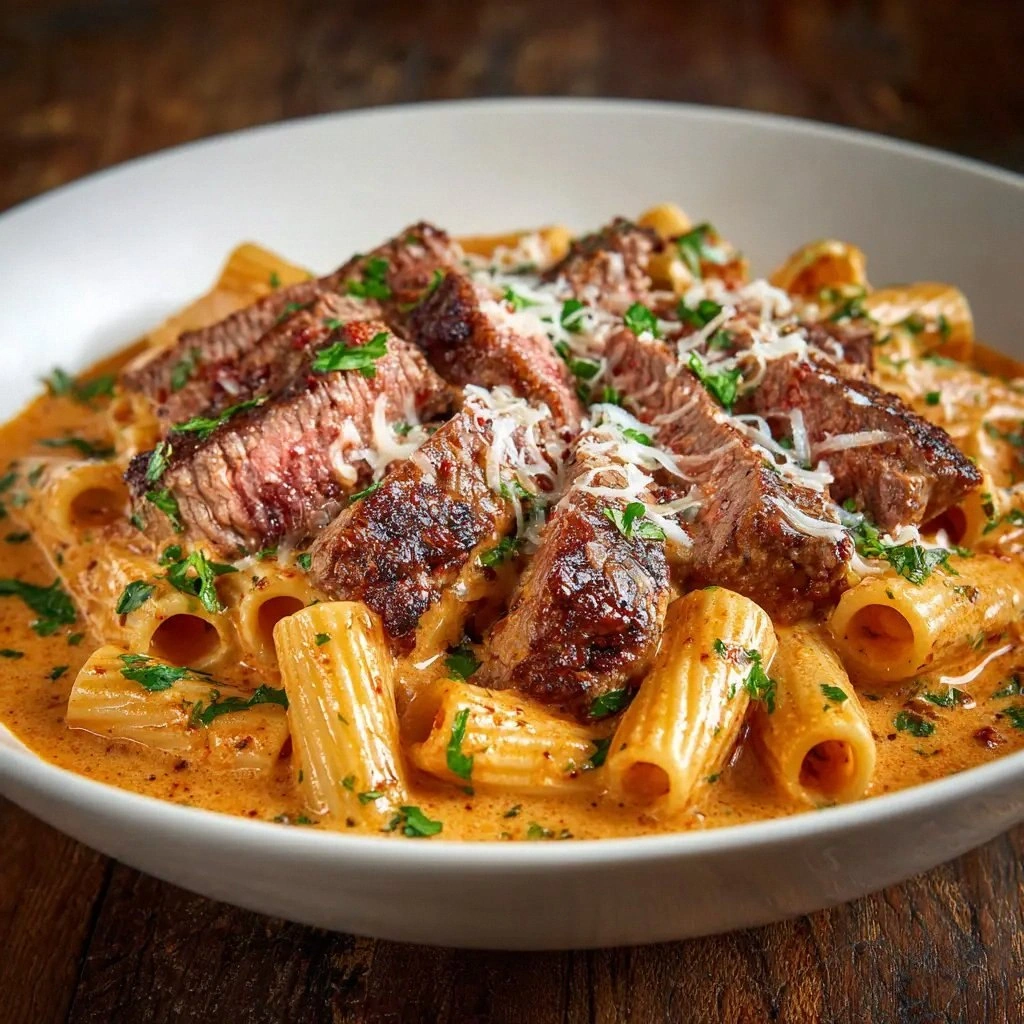
- Serve hot, garnished with freshly chopped parsley or grated Parmesan if desired. The dish pairs beautifully with a crisp green salad or a slice of crusty bread. The aroma alone is enough to make your guests swoon. Enjoy the creamy, comforting bite that feels like a warm hug.
That's it — you did it. But hold on, I've got a few more tricks that'll take this to another level...
Insider Tricks for Flawless Results
The Temperature Rule Nobody Follows
Many cooks think that high heat is the key to a flavorful sauce, but that’s a myth. Cooking the sauce on low, gentle heat preserves the delicate flavors of the broth and cream. When the sauce is heated too quickly, the cream can curdle, and the butter may separate, ruining the silky texture. Keep the heat low and let the flavors develop slowly.
Why Your Nose Knows Best
Before you taste the sauce, give it a sniff. The aroma is a reliable indicator of how well the flavors have melded. A pleasant, buttery scent means the sauce is on track. If you notice a sharp, off-note, it might be a sign that the broth is too salty or the cream has started to curdle.
The 5-Minute Rest That Changes Everything
After cooking, let the dish sit uncovered for five minutes. This brief rest allows the orzo to finish absorbing the sauce, resulting in a more cohesive texture. The rest also lets the flavors settle, making the dish taste even richer. Skipping this step can leave the orzo a bit dry.
Don’t Skip the Sauté
Some people skip sautéing the vegetables to save time, but this step is crucial for depth of flavor. The caramelization that occurs during sautéing adds a subtle sweetness that balances the richness of the cream. Trust me, the extra five minutes are worth it.
Use Fresh Chicken for the Best Texture
Fresh boneless, skinless chicken breasts provide the best texture when cooked slowly. They stay moist and tender, unlike frozen or pre-cooked alternatives that can become rubbery. If you’re short on time, a quick sear on high heat for 1-2 minutes per side can lock in moisture.
Creative Twists and Variations
This recipe is a playground. Here are some of my favorite ways to switch things up:
Cheesy Crust Variation
Top the dish with a layer of shredded cheddar or mozzarella before baking for a crispy, golden crust. This adds a delightful crunch and a melty, cheesy finish that pairs wonderfully with the creamy base.
Herb-Infused Orzo
Stir in fresh herbs like thyme, rosemary, or basil during the last minute of cooking. The herbs infuse the orzo with a fragrant aroma and a bright, fresh note that cuts through the richness.
Spicy Kick
Add a pinch of cayenne pepper or a splash of hot sauce to give the dish a subtle heat. This variation is perfect for those who enjoy a bit of spice without overpowering the creamy sauce.
Vegan Version
Replace the chicken with sautéed mushrooms or tofu, use vegetable broth, and swap the cream for coconut milk. This vegan take retains the comforting feel while offering a plant-based alternative.
Leftover Chicken Surprise
Use leftover roasted chicken for a quick and flavorful twist. The roasted flavor adds depth, and the shredded chicken will reheat beautifully in the creamy sauce.
Storing and Bringing It Back to Life
Fridge Storage
Store the dish in an airtight container for up to three days in the refrigerator. The creamy sauce will thicken slightly, so reheat gently on low heat, stirring frequently to restore the silky texture.
Freezer Friendly
Freeze the dish in a freezer-safe container for up to two months. Thaw overnight in the refrigerator, then reheat on the stovetop or in the microwave, adding a splash of water if the sauce has thickened too much.
Best Reheating Method
Reheat the dish on low heat, stirring continuously, until it reaches the desired temperature. Adding a tiny splash of water before reheating will steam it back to perfection, ensuring the sauce remains creamy.