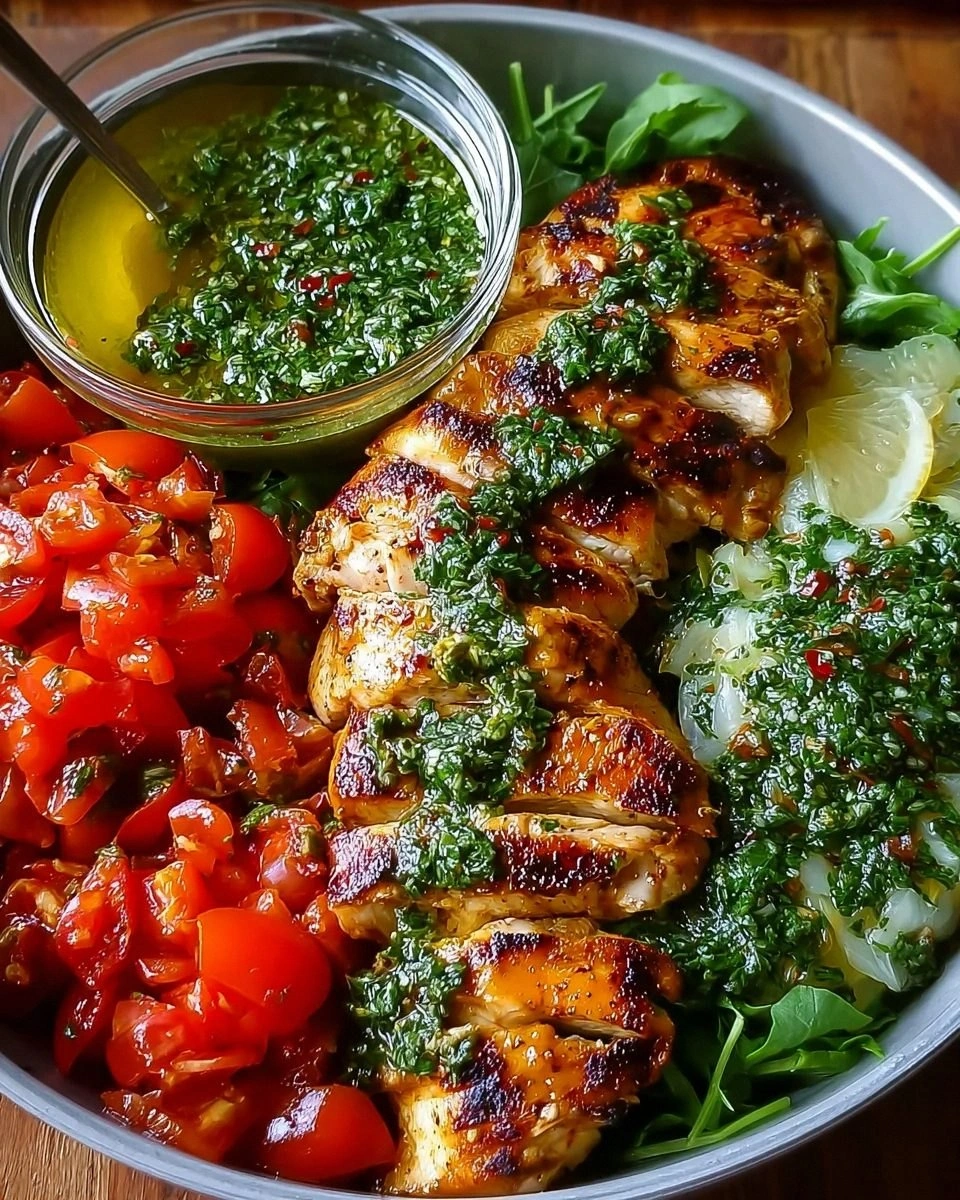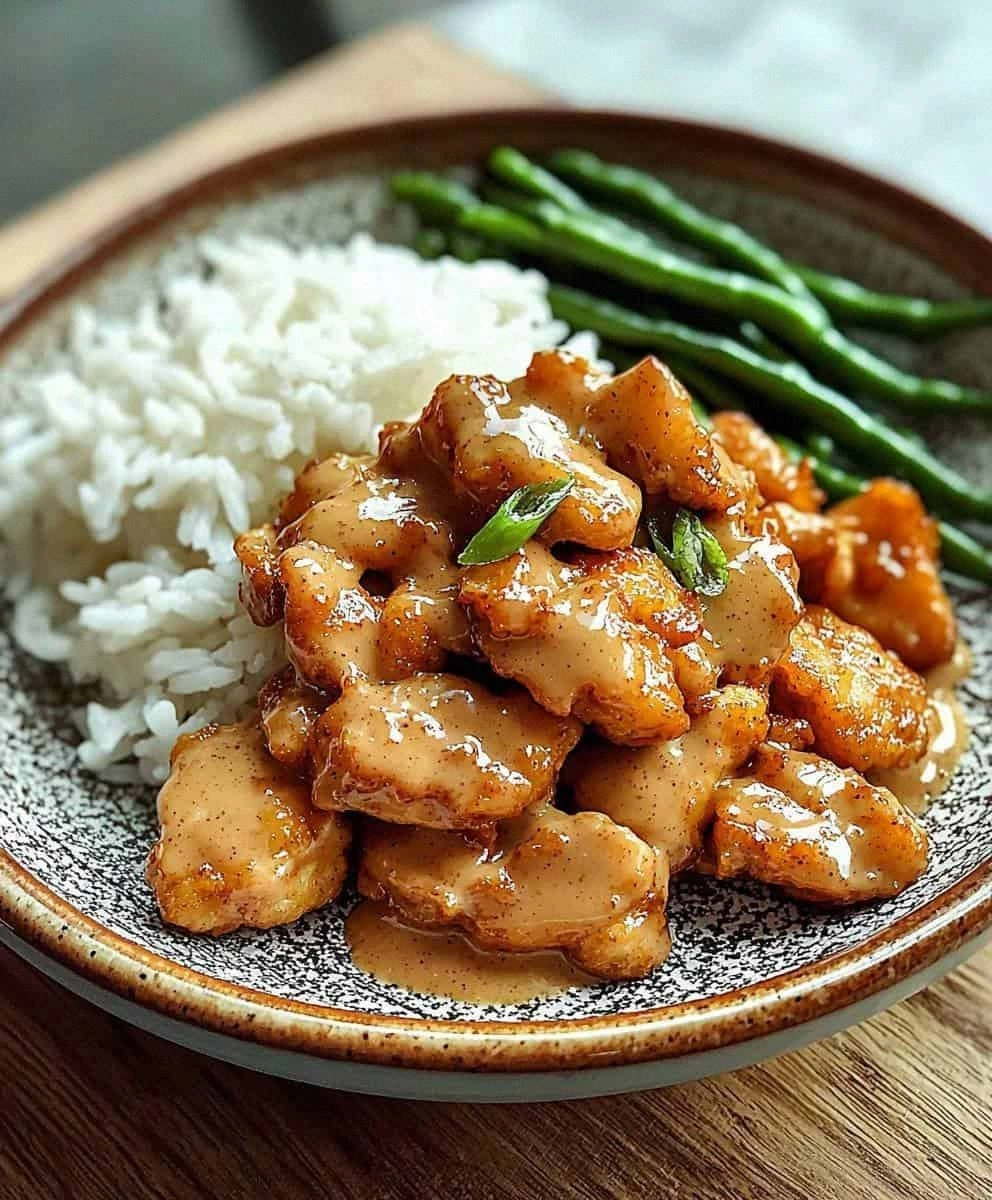
I still remember the moment peanut butter chicken changed my life forever. It was a Tuesday night that smelled like defeat—my fridge held nothing but a half-eaten rotisserie bird, a jar of peanut butter, and a can of coconut milk that had been eyeing me for weeks. My roommate had just texted that she was bringing her new boyfriend over for dinner in an hour, and my stomach was performing Olympic-level gymnastics. In a panic, I started throwing things into a pan like some sort of culinary Jackson Pollock. Ten minutes later, the most incredible aroma wafted through my apartment—rich, nutty, with hints of ginger and lime dancing through the air like they owned the place. One bite and I forgot all about impressing guests; I was too busy trying not to lick the pan clean in front of company.
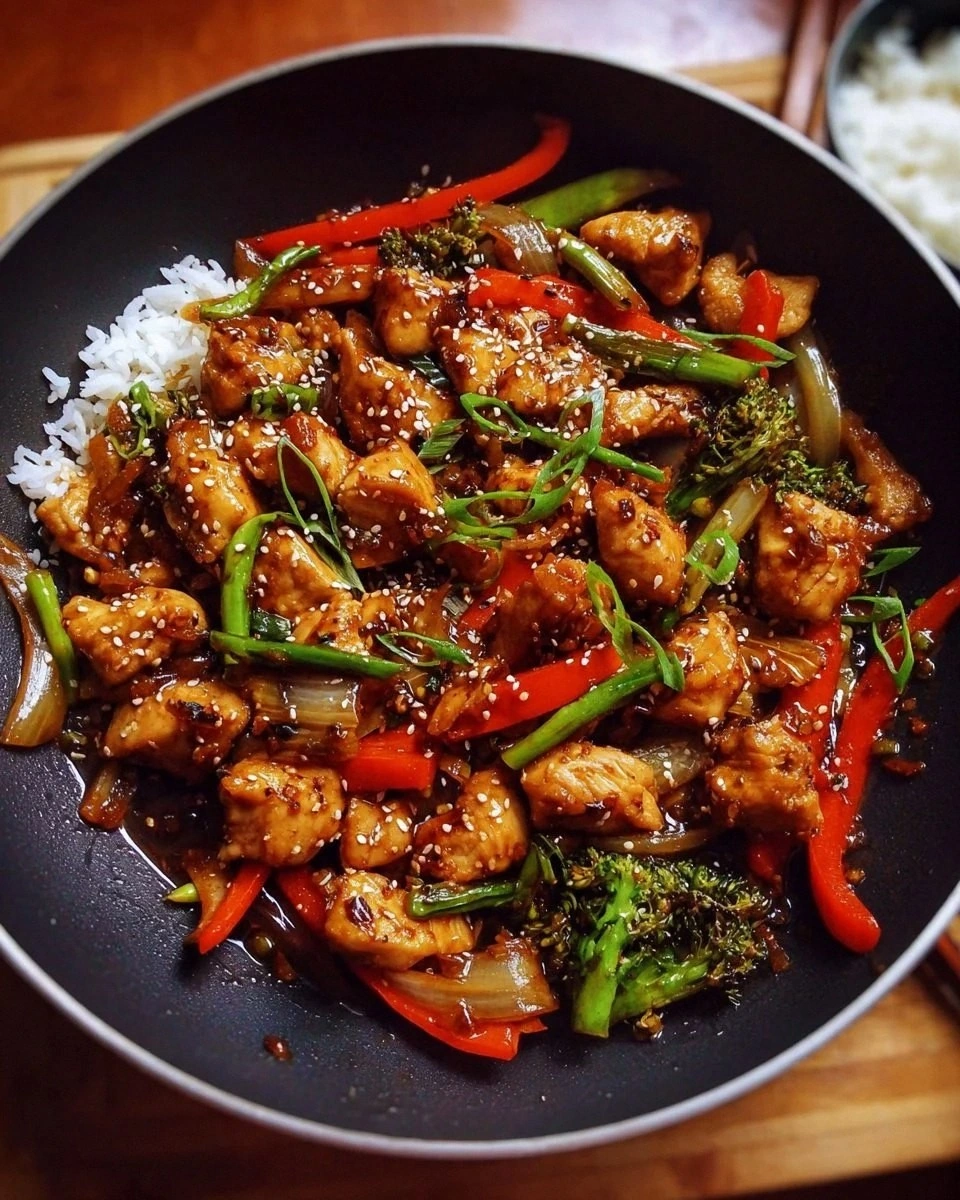
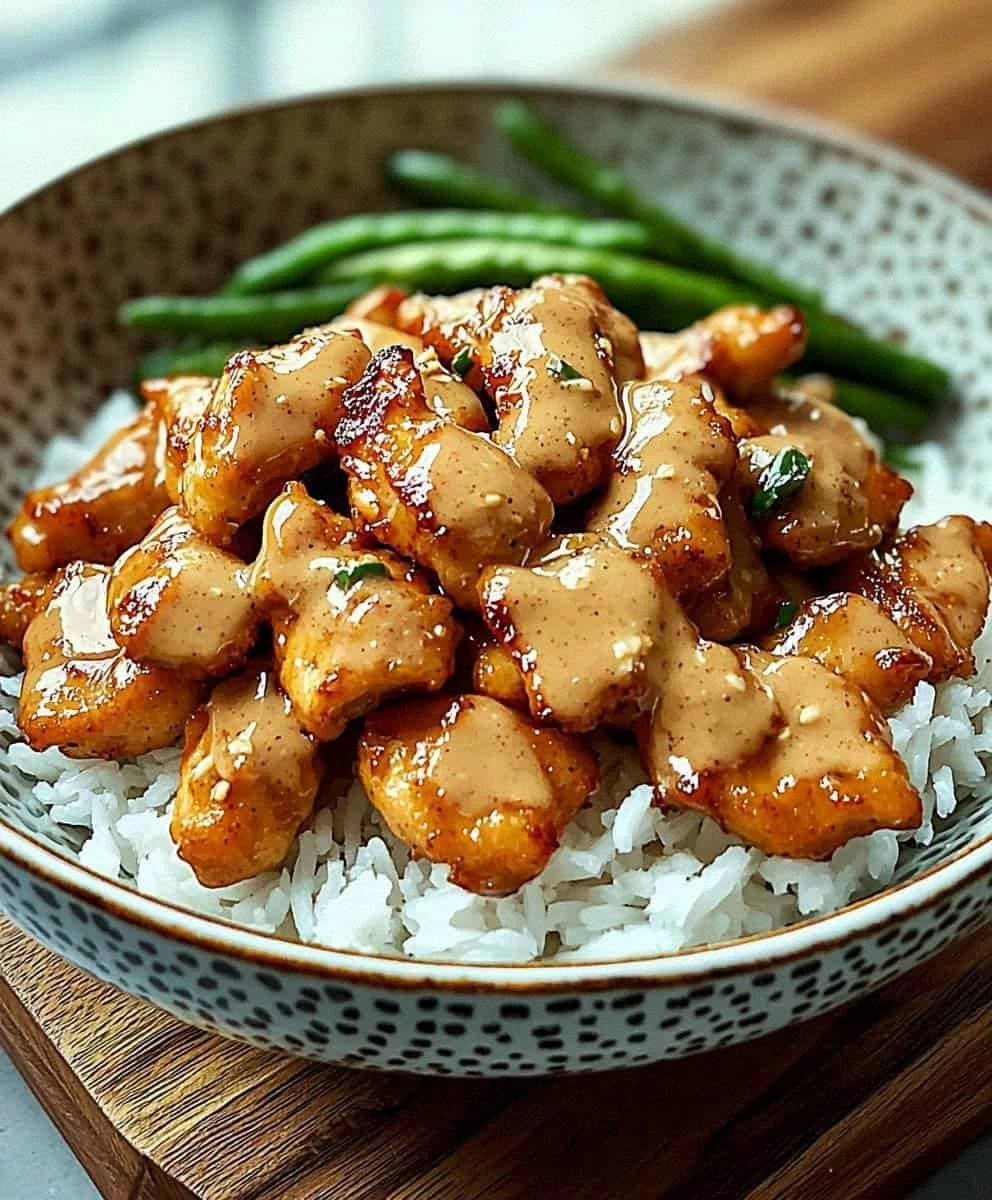
Fast forward to today, and I've refined that desperate college experiment into what I honestly believe is the most addictive, crowd-pleasing, make-it-every-week chicken recipe you'll ever meet. The sauce coats each piece like liquid velvet, balancing sweet, savory, and just enough heat to make your taste buds sit up and pay attention. Picture this: tender chunks of chicken swimming in a glossy, mahogany sauce that tastes like someone took your favorite Thai restaurant's secret recipe and made it ten times better. The peanut butter doesn't hit you over the head—it whispers its nutty complexity through layers of coconut, ginger, and just enough lime to keep things bright. Every time I serve this, someone inevitably asks, "Wait, is there really peanut butter in here?" followed immediately by, "Can I have the recipe?"
Here's the thing that makes me borderline evangelical about this dish: most peanut butter chicken recipes are either too bland (apologizing for the peanut butter) or too cloying (dumping in sugar like it's dessert). This version walks the perfect tightrope. The sauce thickens into this luxurious consistency that clings to rice like it never wants to let go, while the chicken stays juicy and tender even if you accidentally overcook it by a minute or two. If you've ever struggled with dry chicken or sauces that separate into an oily mess, you're not alone—and I've got the fix. The secret lies in building flavors layer by layer, coaxing the most out of every ingredient until they sing in harmony.
Okay, ready for the game-changer? We're going to toast the peanut butter in the pan before adding liquids, which transforms it from sticky sandwich spread into something deeply caramelized and complex. That sizzle when it hits the hot oil? Absolute perfection. By the end of this recipe, you'll understand exactly why I call this my "desert island" dish—the one I'd happily eat every week for the rest of my life. Let me walk you through every single step—by the end, you'll wonder how you ever made it any other way.
What Makes This Version Stand Out
Flavor Bomb: Most recipes treat peanut butter like background noise; we let it be the bass line that everything else grooves around. By caramelizing it in the pan first, you unlock nutty, almost coffee-like notes that meld with coconut milk into something transcendent. The result is a sauce that tastes like it simmered for hours, even though dinner's on the table in under 45 minutes.
Texture Magic: Instead of tough, stringy chicken, we use a technique borrowed from Chinese stir-fries—quick searing over high heat locks in juices, then gentle simmering in sauce keeps everything tender. The sauce itself thickens just enough to coat a spoon without becoming gloppy. Each bite delivers that perfect contrast: saucy, creamy coating with meat that yields to your teeth like it was made for this moment.
Weeknight Friendly: Despite tasting like restaurant fare, this entire recipe comes together in one pan with ingredients you probably already own. No specialty store trips required, no obscure spices you'll use once. I've timed this recipe dozens of times; if you can chop an onion in under two minutes, you'll have dinner on the table in 35 minutes flat.
Unexpected Depth: The addition of lime juice at the end doesn't just brighten—it creates this incredible high note that makes the peanut butter taste more peanut-y, the coconut more coconut-y. It's like turning up the contrast on a photo, except for your taste buds. People will ask if you used some special imported ingredient; you'll know it was just a humble lime.
Crowd-Pleasing Flexibility: Kids love it because it's creamy and mildly sweet. Adults love it because it's sophisticated and just spicy enough. Vegetarians can swap the chicken for tofu and still achieve nirvana. I've served this to picky eaters, food snobs, and everyone in between—the clean plates speak for themselves.
Make-Ahead Champion: The sauce actually improves after a day in the fridge, as flavors meld and deepen. Make a double batch on Sunday, and you've got instant gourmet meals all week. It reheats like a dream, travels well for lunch, and freezes beautifully for those nights when even ordering takeout feels like too much effort.
Ingredient Integrity: Using natural peanut butter (the kind that separates) makes all the difference. The oil integrates smoothly into the sauce, while commercial brands with stabilizers can turn grainy. Trust me—once you taste the difference, you'll never go back to the processed stuff.
Inside the Ingredient List
The Flavor Base
Chicken thighs are the unsung hero here—more forgiving than breasts, they stay juicy even if you get distracted by a text message or a needy cat. The fat content keeps everything moist, and they absorb flavors like tiny edible sponges. If you're a die-hard breast person, I won't judge, but know that thighs will make you look like a better cook than you actually are. Boneless and skinless keeps things weeknight-easy, though bone-in would add even more flavor if you've got time to spare.
Onion forms the aromatic foundation that makes your kitchen smell like something incredible is happening. I prefer yellow onions for their balance of sweetness and sharpness, but white onions work in a pinch. The key is chopping them finely so they melt into the sauce rather than standing out as obvious chunks. A food processor makes quick work of this, or embrace the meditative practice of knife work after a long day.
Garlic and ginger are the dynamic duo that transform peanut butter from playground food to sophisticated sauce base. Fresh ginger adds bright heat and citrusy notes that powdered can't touch. When grating, keep the skin on—it's thin enough to grate easily and adds subtle earthiness. Three cloves of garlic might seem like overkill, but they mellow beautifully and provide essential background notes that make people ask, "What is that amazing flavor?"
The Texture Crew
Coconut milk is what turns peanut butter into a silken sauce that coats every grain of rice. Full-fat is non-negotiable here—light coconut milk will leave you with a thin, sad sauce that separates faster than a cheap sweater in the wash. The fat emulsifies with the peanut butter, creating that restaurant-quality gloss. Shake the can vigorously before opening, or warm it briefly in a bowl of hot water to reincorporate the cream if it's separated.
Peanut butter is obviously the star, but not all jars are created equal. Natural peanut butter (ingredients: peanuts, salt) integrates smoothly and tastes like actual peanuts. The processed stuff with palm oil and sugar will give you a sauce that tastes like candy. If you're allergic to peanuts, almond butter works beautifully, though it will taste more sophisticated and less nostalgic. Tahini creates an entirely different but equally delicious Middle-Eastern direction.
The Unexpected Star
Soy sauce provides the umami backbone that makes this taste like it simmered for hours. I prefer low-sodium varieties because we reduce the sauce significantly, and regular soy can make things taste like a salt lick. Tamari works for gluten-free friends, and coconut aminos create a slightly sweeter profile. Don't skip this—it adds that mysterious depth that makes people unable to stop eating.
Honey or maple syrup balances the savory elements and helps the sauce caramelize slightly. Honey adds floral notes, while maple contributes a subtle smokiness. Brown sugar works in a pinch, though it won't dissolve as smoothly. Start with two tablespoons and adjust to taste—some peanut butters are sweeter than others, and personal preference varies wildly.
The Final Flourish
Lime juice added at the end is the difference between good and mind-blowing. It brightens all the rich elements and creates a perfect balance. Bottled juice works if that's all you've got, but fresh limes are cheap and make you feel fancy. Zest a little of the peel in too for extra citrus oils that perfume the whole dish.
Red pepper flakes let you control the heat level precisely. Start with half a teaspoon if you're spice-shy, or go up to two if you like to live dangerously. The heat builds slowly, so taste and adjust. For a different kind of heat, try a minced Thai chili or a dash of sriracha in the final minutes of cooking.
Everything's prepped? Good. Let's get into the real action...
The Method — Step by Step
- Start by patting your chicken thighs absolutely dry with paper towels—this is the difference between sad, gray meat and gorgeous golden sear. Cut them into generous bite-sized chunks, about 1-inch pieces. Season aggressively with salt and pepper; this is your only chance to season the meat itself. Heat your largest skillet over medium-high heat until a drop of water sizzles away instantly. Add the oil and swirl to coat—this should take about 30 seconds. You're looking for the oil to shimmer and move like water, not smoke. If you've ever wondered why restaurant chicken has that perfect crust, this high-heat sear is the secret.
- Lay the chicken pieces in the pan like you're tucking them in for bed—make sure they each have their own personal space. If you crowd them, they'll steam instead of browning, and you'll miss out on those crispy edges that shatter like thin ice. Let them cook undisturbed for 3-4 minutes until the bottoms develop a deep caramel color. Resist the urge to poke, prod, or flip too early. The chicken will tell you when it's ready—it releases easily from the pan when the sear is complete. Transfer to a plate; they'll finish cooking later in the sauce.
- In the same pan (don't you dare wash it—those brown bits are liquid gold), reduce heat to medium and add your chopped onion. Scrape the bottom with a wooden spoon to release all the chicken flavor that's clinging there. The onions should sizzle gently, not scream—if they're browning too fast, lower the heat. Cook for 4-5 minutes until they turn translucent and start to smell sweet. Add the garlic and ginger, stirring constantly for another minute. You'll know it's ready when your kitchen suddenly smells like a fancy Asian restaurant. This is the aromatics doing their magic dance.
- Now comes the moment of truth—push the aromatics to the sides and add the peanut butter directly to the center of the pan. Let it sit for 30 seconds to toast and develop those nutty, complex flavors. Stir it into the onions; it will look like a hot mess at first, all clumpy and weird. Keep stirring and it will transform into a fragrant paste that smells like peanut butter's sophisticated older cousin. This step is what separates good peanut butter chicken from life-changing peanut butter chicken.
- Pour in the coconut milk slowly, whisking constantly to create an emulsion. The sauce will seize up initially—that's normal and means you're doing it right. Keep whisking and it will relax into a smooth, glossy sauce that coats the back of a spoon. Add the soy sauce, honey, and red pepper flakes. Bring to a gentle simmer, not a rolling boil, which can cause the sauce to break. The color should deepen to a beautiful mahogany that makes you want to dive in face-first.
- Nestle the chicken pieces back into the sauce, spooning some over the top like you're tucking them into a peanut butter bed. Reduce heat to low, cover partially, and let it simmer for 10-12 minutes. This is where the magic happens—the chicken finishes cooking while absorbing all those incredible flavors. The sauce should thicken enough to coat the chicken but still be pourable. If it gets too thick, splash in a tablespoon of water. Too thin? Remove the lid and let it reduce for a few more minutes.
- Just before serving, squeeze in the lime juice and stir in half the cilantro. Taste and adjust seasoning—this is crucial because peanut butters vary wildly in saltiness. You might need more lime for brightness, more honey for sweetness, or more soy for depth. The sauce should taste balanced, with no single flavor shouting over the others. Serve over hot rice, garnished with remaining cilantro. Watch as everyone falls silent, too busy shoveling food into their mouths to make conversation.
That's it—you did it. But hold on, I've got a few more tricks that'll take this to another level...
Insider Tricks for Flawless Results
The Temperature Rule Nobody Follows
Most home cooks are terrified of high heat, and their food tastes like it—pale, flabby, and sad. But here's the thing: your pan needs to be hot enough to make the chicken sizzle the moment it hits the oil. Not smoking, not lukewarm—sizzling. Test by flicking a drop of water in the pan; it should dance and evaporate instantly. Once you add the chicken, resist turning down the heat. Let it do its thing. Those brown bits on the bottom? They're not burnt—they're concentrated flavor bombs that will make your sauce taste like it took hours, not minutes.
Why Your Nose Knows Best
Stop relying on timers and start trusting your nose. When the onions smell sweet instead of sharp, they're ready. When the garlic smells fragrant instead of harsh, it's time to move on. That toasty aroma when the peanut butter hits the pan? That's the moment when ordinary ingredients transform into something extraordinary. A friend tried skipping this step once—let's just say it didn't end well. Her sauce tasted like elementary school sandwiches instead of sophisticated comfort food. Your nose is your most underutilized kitchen tool.
The 5-Minute Rest That Changes Everything
After you add the lime juice and cilantro, turn off the heat and let the sauce rest for exactly five minutes. This isn't some chef-y nonsense—it's science. The flavors need time to meld and marry. The sauce will thicken slightly as it cools, achieving that perfect consistency that clings to rice without sliding off. Plus, your chicken will be the perfect eating temperature—not mouth-scorching hot, but warm and comforting. Use this time to set the table, open a bottle of wine, or just breathe and appreciate what you've created.
The Salt Timing Secret
Never salt your sauce until the very end. As the liquid reduces, flavors concentrate—including salt. What tastes perfectly seasoned at the beginning can turn into a salt lick by the time it hits the table. Wait until after you've added the lime juice, then taste and adjust. You might be surprised how little additional salt you need, especially if you used regular (not low-sodium) soy sauce. This is the difference between amateur and restaurant-quality results.
Creative Twists and Variations
This recipe is a playground. Here are some of my favorite ways to switch things up:
The African Adventure
Add a tablespoon of tomato paste with the onions, swap the soy sauce for fish sauce, and finish with a handful of chopped roasted peanuts. The tomato adds acidity that makes the peanut butter taste even nuttier. Add okra in the last five minutes for authentic West African vibes. This version tastes like someone took the best parts of groundnut stew and made it weeknight-friendly.
The Spicy Thai Version
Replace the red pepper flakes with one minced Thai chili, add a stalk of lemongrass while simmering, and finish with Thai basil instead of cilantro. A teaspoon of fish sauce adds that authentic umami punch you can't quite identify but definitely miss when it's gone. This version pairs perfectly with jasmine rice and a cold Singha beer.
The African-Indian Mashup
Add a teaspoon each of ground coriander and cumin with the aromatics, then stir in a handful of spinach at the end. The earthy spices complement the peanut butter beautifully, while the spinach wilts into the sauce for extra nutrition. A dollop of Greek yogurt on top takes it to another level of creamy indulgence.
The Kid-Friendly Mild
Omit the red pepper flakes entirely, add an extra tablespoon of honey, and stir in some frozen peas during the last two minutes. The sweetness appeals to young palates while still introducing them to new flavors. My nephew calls this "peanut butter chicken candy" and requests it weekly. Serve it over alphabet noodles for maximum kid appeal.
The Fancy Dinner Party
Use chicken breast cut into elegant strips, add a splash of cognac after sautéing the aromatics, and finish with a swirl of coconut cream. Serve over black rice with a side of roasted broccolini. Your guests will think you ordered from a restaurant, and you'll know it took less effort than most weeknight meals.
The Vegetarian Powerhouse
Swap the chicken for firm tofu that's been pressed and cubed, add a can of chickpeas for extra protein, and throw in some cauliflower florets during the last ten minutes. The tofu absorbs flavors beautifully, and the chickpeas add satisfying texture. Even dedicated carnivores have requested this version.
Storing and Bringing It Back to Life
Fridge Storage
Let the chicken cool completely before transferring to an airtight container—warm food creates condensation that leads to sad, separated sauce. It will keep for up to four days in the refrigerator, though honestly, mine never lasts more than two because people keep "sampling" it. Store the rice separately to prevent it from becoming gummy. The sauce will thicken considerably when cold; this is normal and actually makes reheating easier because it won't splatter everywhere.
Freezer Friendly
This recipe freezes beautifully for up to three months, making it perfect for meal prep. Portion it into freezer bags, squeeze out excess air, and lay flat to freeze in thin sheets—this allows for quick thawing. Label with the date and a note about serving size, because three months from now you'll thank yourself for this foresight. Thaw overnight in the refrigerator or use the defrost setting on your microwave, stirring every minute to prevent hot spots.
Best Reheating Method
Add a splash of water or coconut milk to loosen the sauce, then warm gently over medium-low heat, stirring frequently. The microwave works in a pinch, but the stovetop maintains better texture. Add a squeeze of fresh lime and a sprinkle of cilantro to brighten flavors that dulled in storage. That sizzle when it hits the hot pan? Absolute perfection, even the second time around.