Picture this: the kitchen is a war zone after a holiday party, the air thick with the scent of burnt sugar and the faint echo of last night’s laughter. I was scrolling through recipe blogs, craving something that could turn that chaos into a comforting triumph. Then, like a flash of inspiration, I remembered the orange zest that had slipped off a fresh fruit bowl and the way it had danced in my memory the night before. That single moment sparked a recipe that would not only rescue my kitchen but also elevate my holiday spread to legendary status.
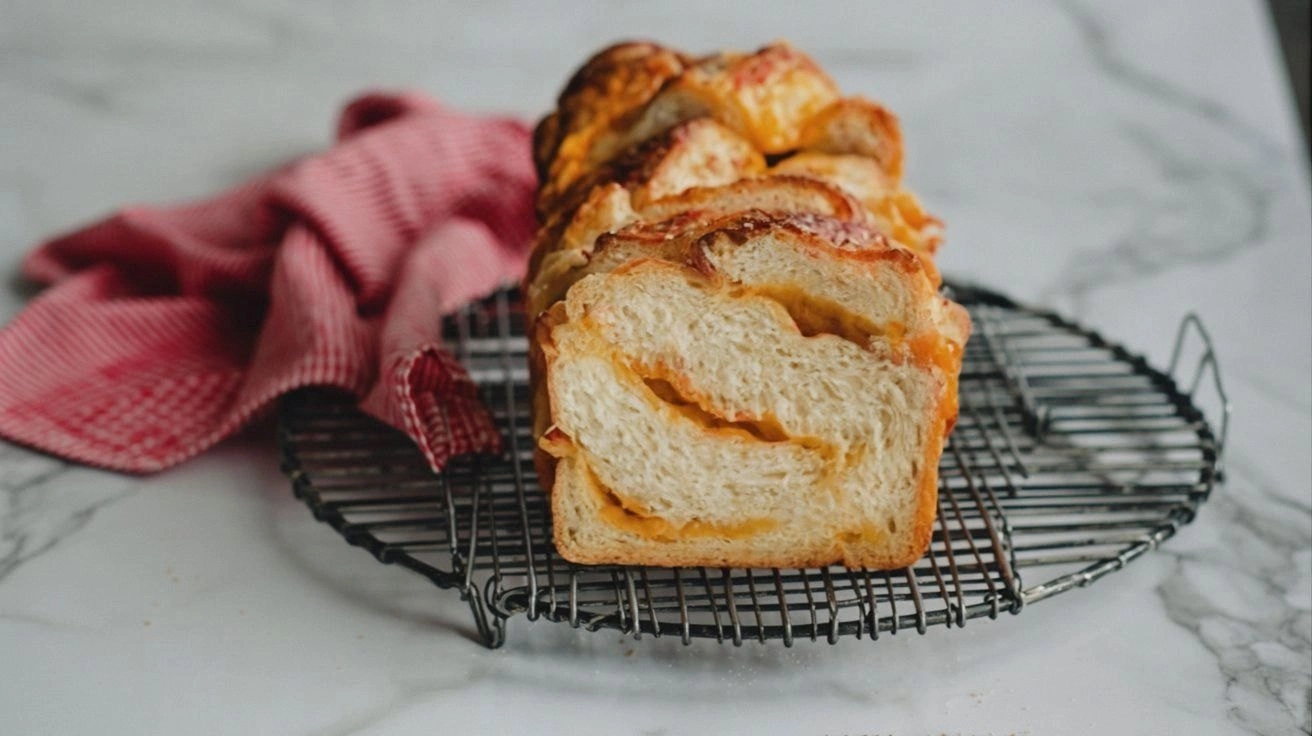
I’m talking about a loaf that feels like a hug in loaf form—crisp on the outside, moist and fragrant inside, with a citrusy punch that cuts through the sweetness like a bright winter wind. The aroma alone can turn a weary, post‑party kitchen into a cozy living room, the scent of orange and spice mingling with the faint crackle of a fireplace. When you take your first bite, the subtle heat of cinnamon and nutmeg wraps around the bright citrus, creating a flavor profile that’s both nostalgic and surprisingly fresh. That is the secret sauce that makes this loaf more than just a dessert; it’s an experience.
Why does this version stand out from every other recipe you’ve tried? Because it balances sweetness and spice without overwhelming either, it’s simple enough for a novice yet sophisticated enough to impress a seasoned baker. The orange zest is not just a garnish; it’s the backbone that infuses every crumb with a bright, citrusy depth. The method is straightforward, the ingredients are common, and the final product is a loaf that can be served warm with a dusting of powdered sugar or cooled and sliced for a more refined presentation.
I dare you to taste this and not go back for seconds. That’s the bold claim I make, and I’m not exaggerating. Most recipes get this completely wrong by over‑sugaring or under‑spicing, but I’ve found the sweet spot that makes every bite a celebration. Picture yourself pulling this out of the oven, the whole kitchen smelling incredible, and the first slice revealing a golden crust that cracks like a perfect winter sunrise.
What Makes This Version Stand Out
Flavor: The orange zest and juice create a bright, citrusy core that balances the warm spices. The subtle sweetness is tempered by a gentle bitterness from the zest, preventing the loaf from becoming cloying.
Texture: A moist, tender crumb with a slightly crisp top that holds its shape even when sliced. The oil keeps the loaf from drying out, while the eggs bind everything together for a silky finish.
Simplicity: Only ten ingredients, all pantry staples. No need for exotic spices or specialty flours—everything you need is likely already in your kitchen.
Uniqueness: The combination of orange zest, orange juice, and a pinch of nutmeg creates a flavor profile that feels like a holiday memory in every bite. It’s a twist on classic orange bread that feels fresh and festive.
Crowd Reaction: At family gatherings, this loaf becomes the centerpiece. Guests rave about the bright citrus notes and the comforting warmth of the spices.
Make‑Ahead: Bake it a day ahead and reheat lightly; it stays moist and flavorful. The loaf’s structure holds up well, making it ideal for meal prep or holiday leftovers.
Alright, let’s break down exactly what goes into this masterpiece…
Inside the Ingredient List
The Flavor Base
All-purpose flour is the backbone of this loaf, providing structure and a neutral canvas for the spices. If you want a slightly denser crumb, switch to bread flour for added chewiness. Skipping flour would leave you with a sticky batter that won’t hold its shape.
Granulated sugar is the sweetener that balances the citrus acidity. Too little sugar will make the loaf taste sour; too much will drown the spices. For a healthier twist, consider using coconut sugar, though the flavor profile will shift subtly.
Baking powder is the leavening agent that gives the loaf its rise. If you forget it, the loaf will turn out flat and dense. You can substitute baking soda with double‑acting baking powder if you have it on hand.
The Spice Crew
Ground cinnamon adds a sweet, woody warmth that pairs naturally with orange. A pinch less can make the loaf feel more citrus‑heavy; more can dominate the flavor. Use freshly ground cinnamon for the best aroma.
Ground nutmeg brings a subtle heat and nutty undertone. It’s the spice that ties the orange zest to the cinnamon, creating a harmonious blend. If you’re allergic to nutmeg, a dash of allspice can serve as a suitable substitute.
Salt is the flavor enhancer that brings the sweetness into balance. A pinch of sea salt on top after baking can elevate the taste. Skipping salt will result in a flat, bland loaf.
The Unexpected Star
Fresh orange zest is the star that gives this loaf its signature brightness. It’s the difference between a bland orange loaf and one that sings. Use a microplane for the finest zest; larger pieces can make the loaf gritty.
Freshly squeezed orange juice adds moisture and a bright, tart flavor that cuts through the sweetness. If you can’t find fresh oranges, a splash of high‑quality orange juice concentrate works, but it may be slightly sweeter.
The Final Flourish
Vegetable oil keeps the loaf moist and tender, preventing it from drying out. Olive oil can be used for a slightly fruity note, but it may alter the flavor balance. Oil is essential; skipping it will lead to a crumbly texture.
Vanilla extract adds depth, complementing the orange and spices. A vanilla bean would give a more complex aroma, but a few drops of extract are sufficient. If you’re vegan, a splash of almond extract can replace vanilla for a nutty twist.
Powdered sugar is the finishing touch that coats the loaf in a sweet glaze. It also adds a soft, slightly crunchy texture on the surface. If you prefer a less sweet finish, reduce the powdered sugar or dust lightly.
Everything’s prepped? Good. Let’s get into the real action…

The Method — Step by Step
- Preheat your oven to 350°F (175°C). Line a 9x5‑inch loaf pan with parchment paper, leaving some overhang on the sides. This will make removal effortless and keep the loaf from sticking. Let the oven heat fully before placing the pan inside.
- In a large mixing bowl, whisk together flour, sugar, baking powder, cinnamon, nutmeg, and salt. The dry mix should feel like a fine sifted powder. This step ensures even distribution of leavening and spices.
- In a separate bowl, combine the eggs, orange zest, orange juice, vegetable oil, and vanilla extract. Beat until the mixture is smooth and the eggs are fully incorporated. The liquid mixture should look silky, not runny.
- Pour the wet mixture into the dry ingredients and stir with a wooden spoon or spatula until just combined. Overmixing will develop gluten and make the loaf tough. You’ll see a few streaks of flour; that’s okay.
- Transfer the batter into the prepared loaf pan, smoothing the top with a spatula. Tap the pan lightly on the counter to release any air bubbles. This ensures a uniform rise.
- Bake for 30–35 minutes, or until the loaf is golden brown and a toothpick inserted into the center comes out clean. The aroma during baking should be warm, citrusy, and comforting. Keep an eye on the edges; they should not brown too quickly.
- Remove the loaf from the oven and let it cool in the pan for 10 minutes before transferring to a wire rack to cool completely. This step lets the steam escape and prevents a soggy bottom.
- Once cooled, dust the loaf with powdered sugar. The glaze should coat the loaf lightly, adding a sweet finish. Slice and serve warm or at room temperature.
That’s it — you did it. But hold on, I’ve got a few more tricks that will take this to another level…
Insider Tricks for Flawless Results
The Temperature Rule Nobody Follows
Many bakers bake at 375°F, but that can cause the crust to brown too quickly while the inside remains undercooked. By baking at 350°F, the loaf cooks evenly, allowing the spices to bloom and the citrus to release its oils. If you’re using a convection oven, reduce the temperature by 25°F for optimal results.
Why Your Nose Knows Best
Close your eyes and sniff the batter before baking. A strong citrus aroma indicates that the zest and juice are balanced. If it smells too sweet, let the batter rest for 10 minutes; the flavors will meld and mellow.
The 5-Minute Rest That Changes Everything
After baking, let the loaf rest in the pan for exactly five minutes. During this brief pause, the crumb sets and the steam condenses, preventing the loaf from becoming soggy at the bottom. It also makes slicing smoother.
The Perfect Dusting
Instead of powdered sugar, try a mixture of powdered sugar and a pinch of ground ginger for a subtle kick. This adds a warm, spicy note that complements the orange. Sprinkle lightly for a decorative finish.
The Oil Swap
If you prefer a lighter loaf, replace vegetable oil with unsweetened applesauce. The applesauce adds moisture without extra fat, making the loaf slightly lower in calories. The flavor profile remains close, with a subtle apple undertone.
Creative Twists and Variations
This recipe is a playground. Here are some of my favorite ways to switch things up:
Nutty Orange Loaf
Add 1/2 cup of chopped walnuts or pecans to the batter for crunch. The nuts pair beautifully with the orange and spices, adding a satisfying texture. Toast the nuts beforehand for extra flavor.
Chocolate Orange Surprise
Fold in 1/3 cup of dark chocolate chips just before baking. The chocolate melts into the loaf, creating pockets of rich flavor. Choose a chocolate with at least 70% cacao for a bittersweet contrast.
Coconut Cream Finish
Swirl 1/4 cup of coconut cream into the batter before baking. The result is a silky, tropical twist that complements the citrus. Serve with a dollop of whipped coconut cream for extra indulgence.
Spiced Apple Orange Loaf
Add 1/2 cup of diced apples and a pinch of allspice to the batter. The apples soften during baking, releasing their own sweetness and pairing well with the orange zest. This version is a great way to use leftover apples.
Gluten‑Free Edition
Swap the all-purpose flour for a gluten‑free blend that includes xanthan gum. Keep the rest of the recipe unchanged. The loaf will have a slightly denser crumb but still retain the citrusy flavor.
Storing and Bringing It Back to Life
Fridge Storage
Wrap the cooled loaf tightly in plastic wrap or store it in an airtight container. It will stay fresh for up to 5 days in the refrigerator. The moisture will keep the crumb from drying out.
Freezer Friendly
Slice the loaf before freezing for convenience. Place slices in a freezer‑safe bag, removing as much air as possible. The loaf can be frozen for up to 3 months without losing flavor.
Best Reheating Method
To reheat, preheat your oven to 350°F and place the loaf or slices on a baking sheet. Warm for 10 minutes, then sprinkle a tiny splash of water over the top. The water steams the loaf back to moist perfection, preventing it from drying out.