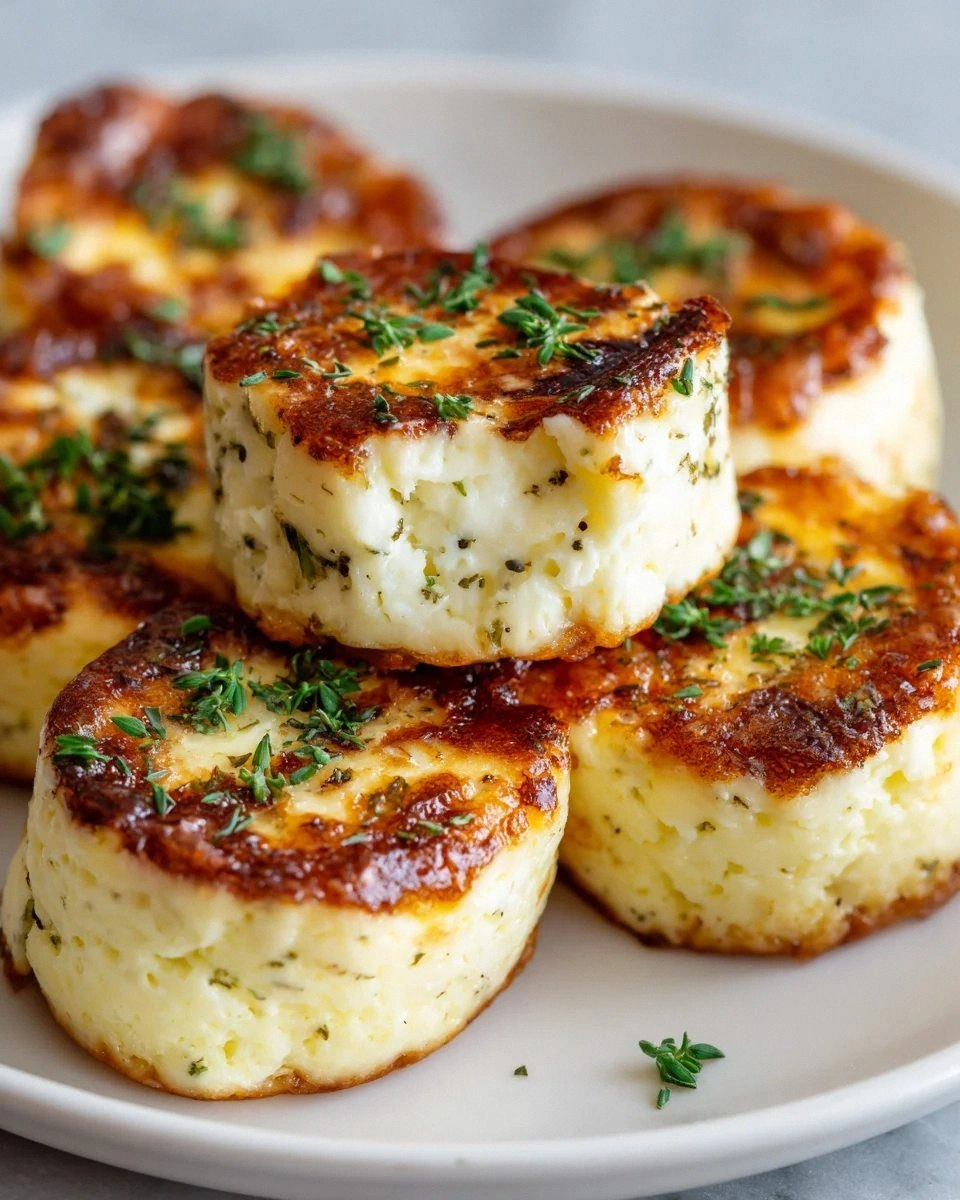
Picture this: a Tuesday night, the fridge is a barren wasteland, and the only thing that could salvage the evening is a loaf of bread that somehow turns ordinary into extraordinary. I was standing over a pot of boiling water, muttering about how my last batch had turned out as a sad, dry slab, when a friend dared me to make a cheese‑laden loaf that would melt on your tongue and leave everyone begging for a slice. The challenge was simple, but the stakes were high—my kitchen would be judged by the aroma that fills the air before the first bite.
I set the timer, whisked the yeast into the warm water, and let it froth like a tiny, bubbly volcano. The moment the dough began to rise, the kitchen smelled of butter, garlic, and the comforting promise of cheddar. The sound of the dough stretching was a rhythmic drumbeat, and the texture felt like a silky, elastic ribbon that begged to be folded and kneaded. Every sense was on high alert: the heat of the oven, the crackle of the crust, the sharp tang of cheese—this loaf was a sensory orchestra.
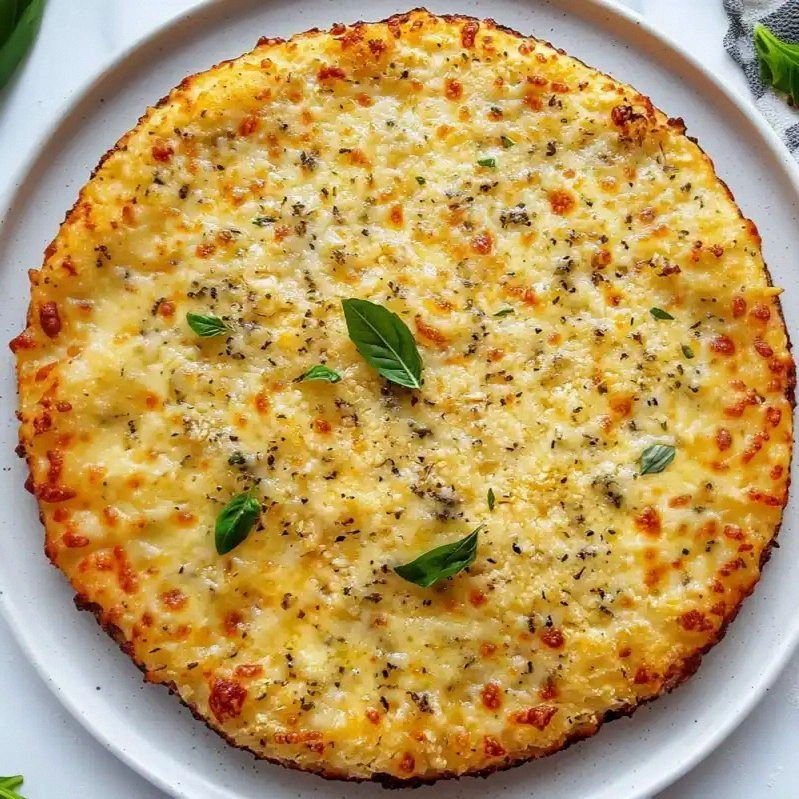
Why does this version stand out? Because I didn’t settle for the standard “cheese bread” formula. I added a secret blend of cheeses, a touch of smoked paprika for depth, and a garlic‑butter swirl that makes the crust irresistibly crisp while the interior remains airy and moist. The result is a loaf that feels like a warm hug and tastes like a savory, cheesy explosion. I dare you to taste this and not go back for seconds—once you do, you’ll never go back to the bland, store‑bought varieties.
Let me walk you through every single step—by the end, you’ll wonder how you ever made it any other way. From the first pinch of yeast to the final glistening glaze, each moment is a revelation, and I’ll share the little tricks that make the difference between good and unforgettable. Ready? Let’s dive in.
What Makes This Version Stand Out
- Flavor Depth: A curated mix of sharp cheddar, mild mozzarella, and smoked paprika creates a complex taste profile that feels both comforting and adventurous.
- Texture Mastery: The dough’s elasticity and the butter‑garlic swirl give a crust that’s crisp and golden, while the inside stays soft, airy, and cheese‑filled.
- Ingredient Quality: Using fresh, high‑quality cheeses and a touch of olive oil elevates the loaf beyond ordinary, ensuring each bite bursts with real flavor.
- Time Efficiency: The entire process takes just 45 minutes, making it an ideal weekend treat or a quick weekday dinner companion.
- Make‑Ahead Friendly: The dough can be refrigerated overnight or frozen for later, so you never have to wait for fresh bread.
- Versatility: It pairs beautifully with soups, salads, or even as a base for grilled cheese, making it a multi‑purpose staple.
- Visual Appeal: The golden crust and cheesy pull when sliced are Instagram‑worthy, turning every meal into a showcase.
- Community Love: Friends and family rave about the first bite—most say it’s the best cheese bread they’ve ever tasted.
Alright, let's break down exactly what goes into this masterpiece…
Inside the Ingredient List
The Flavor Base
All-purpose flour is the backbone of this loaf, providing structure without overpowering the cheese. It’s the canvas that absorbs the buttery, garlicky flavors. Skipping the flour would result in a sticky, unstructured mess—think of it as the dough’s skeleton. For the best results, sift the flour to eliminate clumps and give the dough a lighter feel. If you’re craving a gluten‑free version, try a 1:1 blend of gluten‑free flour and xanthan gum; the texture will stay surprisingly close.
The Texture Crew
Warm water activates the yeast, creating bubbles that give the bread its airy interior. The yeast must be active—test it with a pinch of sugar before mixing. Butter adds richness and a tender crumb; melted butter also helps the dough rise evenly. Olive oil gives a subtle fruity note and prevents the dough from drying out. The egg used for glazing adds a glossy shine and a slight protein boost, turning the crust into a golden masterpiece.
The Unexpected Star
Garlic, minced finely, is the unsung hero that lingers in every bite. Its sharpness cuts through the richness of the cheeses, creating a balanced flavor profile. If you’re a garlic purist, double the amount; if you’re more reserved, reduce it to a single clove. The paprika and cayenne pepper add a smoky undertone and a hint of heat, making the loaf feel like a cozy campfire treat.
The Final Flourish
Cheddar and mozzarella are the star cheeses. Cheddar brings sharpness and depth, while mozzarella offers a smooth melt that keeps the loaf moist. Fresh parsley adds a pop of color and a herbal brightness that cuts through the richness. Dried oregano and smoked paprika give the loaf a rustic, Mediterranean feel. A pinch of salt balances all the flavors, but be careful not to overdo it—too much can make the loaf taste flat.
Everything's prepped? Good. Let's get into the real action…
The Method — Step by Step
- In a large mixing bowl, combine 1 cup warm water (about 110°F), 2 tsp active dry yeast, and 1 tsp sugar. Let sit for 5 minutes until the mixture is frothy—this is the yeast’s “wake‑up” call. If the mixture doesn’t foam, the yeast may be dead; start over with fresh yeast. This step sets the foundation for a fluffy crumb.
- Add 3 cups all‑purpose flour, 1 tsp salt, 0.25 cup melted butter, and 1 tbsp olive oil to the yeast mixture. Stir until a shaggy dough forms. The butter’s fat coats the flour proteins, creating a tender crumb, while the olive oil keeps the dough from drying out. Use a wooden spoon or your hands to mix until the dough pulls away from the bowl’s sides.
- Transfer the dough onto a floured surface and knead for 8–10 minutes. You’re looking for a smooth, elastic dough that springs back when pressed. This kneading process develops gluten, which traps the air bubbles for a light interior. If the dough feels sticky, sprinkle a little more flour, but be careful not to add too much.
- Place the dough in a greased bowl, cover with a damp kitchen towel, and let rise in a warm spot for 45 minutes. The dough should double in size. If you’re in a cooler kitchen, put the bowl in an oven that’s been turned off and preheated to 200°F—this creates a gentle, even heat.
- While the dough rises, mix 1 cup shredded sharp cheddar, 0.5 cup shredded mozzarella, 2 minced garlic cloves, 1 tsp dried oregano, 0.5 tsp smoked paprika, and 1 tsp salt in a bowl. The cheeses will melt into a silky sauce once baked. Keep the mixture aside; it’s the heart of the loaf.
- Punch down the risen dough and turn it onto a lightly floured surface. Roll it into a rectangle about 12x8 inches. Spread the cheese mixture evenly over the dough, then roll it up tightly like a jelly roll. Pinch the seam to seal. This rolling technique ensures every bite is packed with cheese.
- Place the rolled loaf seam‑side down on a parchment‑lined baking sheet. Cover loosely with foil and let rise for another 15 minutes. This second rise gives the loaf volume and a better crust. The foil protects the loaf from over‑browning before the final bake.
- Preheat the oven to 375°F. Brush the loaf with 1 beaten egg (for glaze). Bake for 25–30 minutes, or until the crust is golden brown and the internal temperature reaches 190°F. The glaze gives a shiny, appetizing finish while the cheese inside melts into a gooey center.
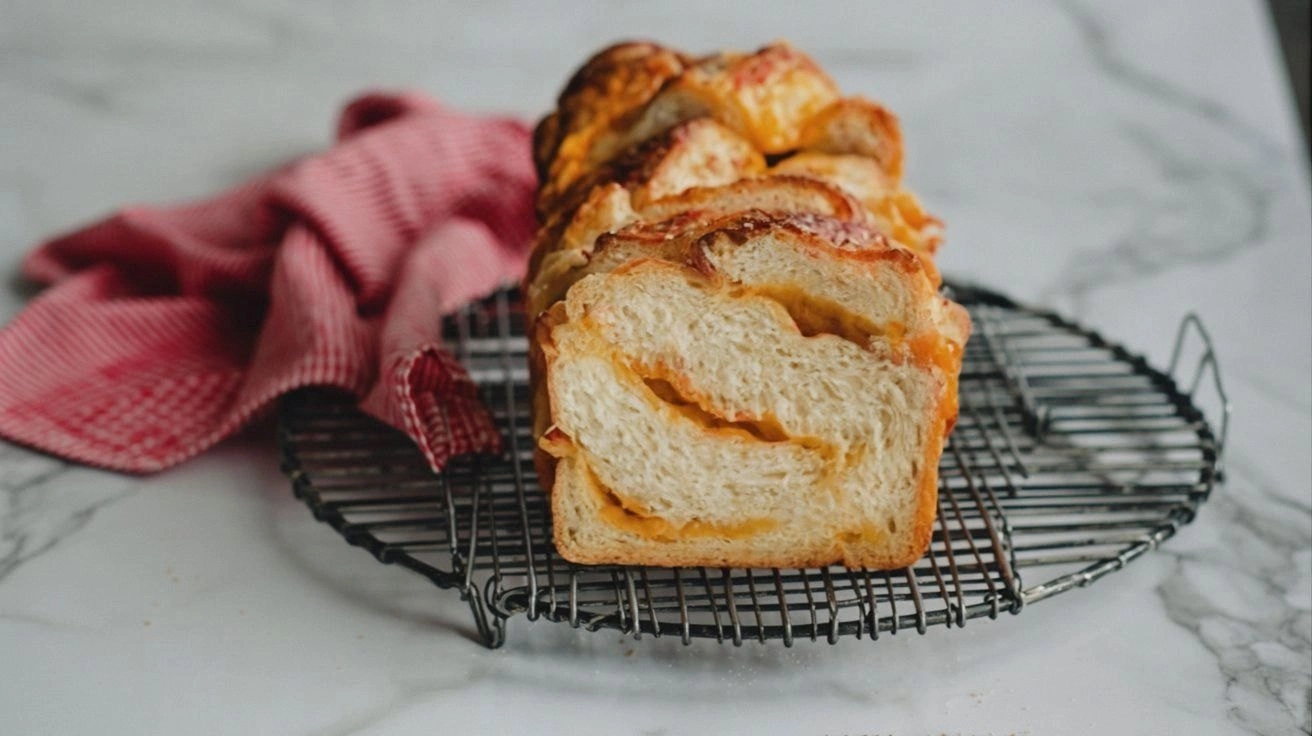
- Let the loaf cool on a wire rack for 10 minutes before slicing. The cooling time allows the cheese to set slightly, preventing a gooey mess. Slice with a serrated knife to preserve the loaf’s shape. The moment you cut into it, the aroma of melted cheese and garlic will flood the kitchen—pure perfection.
- Serve warm with a side of tomato soup or a fresh salad. The bread’s savory, cheesy flavor pairs wonderfully with a variety of dishes. For a dramatic presentation, drizzle a little extra olive oil over the slices and sprinkle chopped parsley for a pop of color.
That's it — you did it. But hold on, I've got a few more tricks that'll take this to another level…
Insider Tricks for Flawless Results
The Temperature Rule Nobody Follows
Many bakers assume any warm water will do, but the yeast’s performance is highly temperature‑dependent. The ideal range is 105–110°F. Too hot and the yeast dies; too cool and the dough rises sluggishly. Use a kitchen thermometer to check the water temperature before adding yeast. This small step ensures a consistent rise every time.
Why Your Nose Knows Best
During the second rise, sniff the loaf. A faint, sweet yeasty aroma indicates that the dough has reached its peak. If the scent is metallic or off, the dough may have over‑baked or under‑baked. Trusting your nose saves you from a dry loaf and guarantees the perfect crumb.
The 5‑Minute Rest That Changes Everything
After removing the loaf from the oven, let it rest on the rack for exactly 5 minutes before slicing. This brief pause allows the cheese to set slightly, preventing a messy, gooey mess. It also lets the steam redistribute, giving the crust a crisp finish.
The Secret Ingredient Swap
If you’re craving a smoky flavor, swap the smoked paprika for chipotle powder. The heat from the chipotle will give the loaf a subtle kick that pairs beautifully with a creamy dip. For a nutty twist, fold in a handful of toasted walnuts into the cheese mixture before rolling.
The One‑Minute Cooling Trick
Place a clean towel over the loaf for one minute while it cools. This traps steam, keeping the crust soft for the first slice. It’s a quick, low‑effort trick that elevates the overall eating experience.
The Perfect Slice Thickness
Aim for 1/2 inch thick slices. Too thin, and the cheese will spill out; too thick, and the bread may taste doughy. A 1/2 inch slice balances the melt and the bread, making each bite a harmonious bite of flavor.
Creative Twists and Variations
This recipe is a playground. Here are some of my favorite ways to switch things up:
Mediterranean Medley
Swap the cheddar for feta and add chopped sun‑dried tomatoes, olives, and a splash of oregano. The tangy feta and briny olives create a Mediterranean vibe that pairs well with grilled chicken.
Salsa Verde Surprise
Mix in fresh cilantro, diced green chilies, and a spoonful of salsa verde into the cheese blend. The bright green flavor profile gives the loaf a fresh, zesty kick that’s perfect for summer gatherings.
Nutty Caramel Crunch
Fold in toasted pecans or almonds and drizzle a thin layer of caramel sauce over the dough before rolling. The sweet, nutty crunch contrasts wonderfully with the savory cheese.
Herb‑Infused Garlic
Add a teaspoon of dried rosemary or thyme to the cheese mixture. The aromatic herbs elevate the garlic flavor and give the loaf a fragrant, herbaceous note.
Vegan Version
Replace the butter with olive oil, use a plant‑based cheese blend, and substitute the egg glaze with a splash of plant‑based milk. The result is a vegan loaf that still delivers on flavor and texture.
Cheese‑Stuffed Roll‑Ups
Instead of rolling the loaf, cut the dough into squares, place a cheese cube in the center, and roll each square into a bite‑size roll‑up. Bake until golden; the cheese will ooze out like a molten treasure.
Storing and Bringing It Back to Life
Fridge Storage
Store the cooled loaf in an airtight container or a zip‑top bag at room temperature for up to 3 days. If you notice the bread becoming a bit dry, drizzle a teaspoon of water over the loaf before reheating; the steam will revive its softness.
Freezer Friendly
Wrap the loaf tightly in plastic wrap, then place it in a freezer bag. It will keep for up to 3 months. When ready to eat, thaw at room temperature for an hour, then warm in a preheated oven at 350°F for 10 minutes.
Best Reheating Method
Reheat the loaf in a skillet over medium heat for 2–3 minutes per side. The skillet’s direct heat will restore the crust’s crunch while the cheese remains molten. Add a splash of water to the skillet before covering; the steam will keep the bread moist.