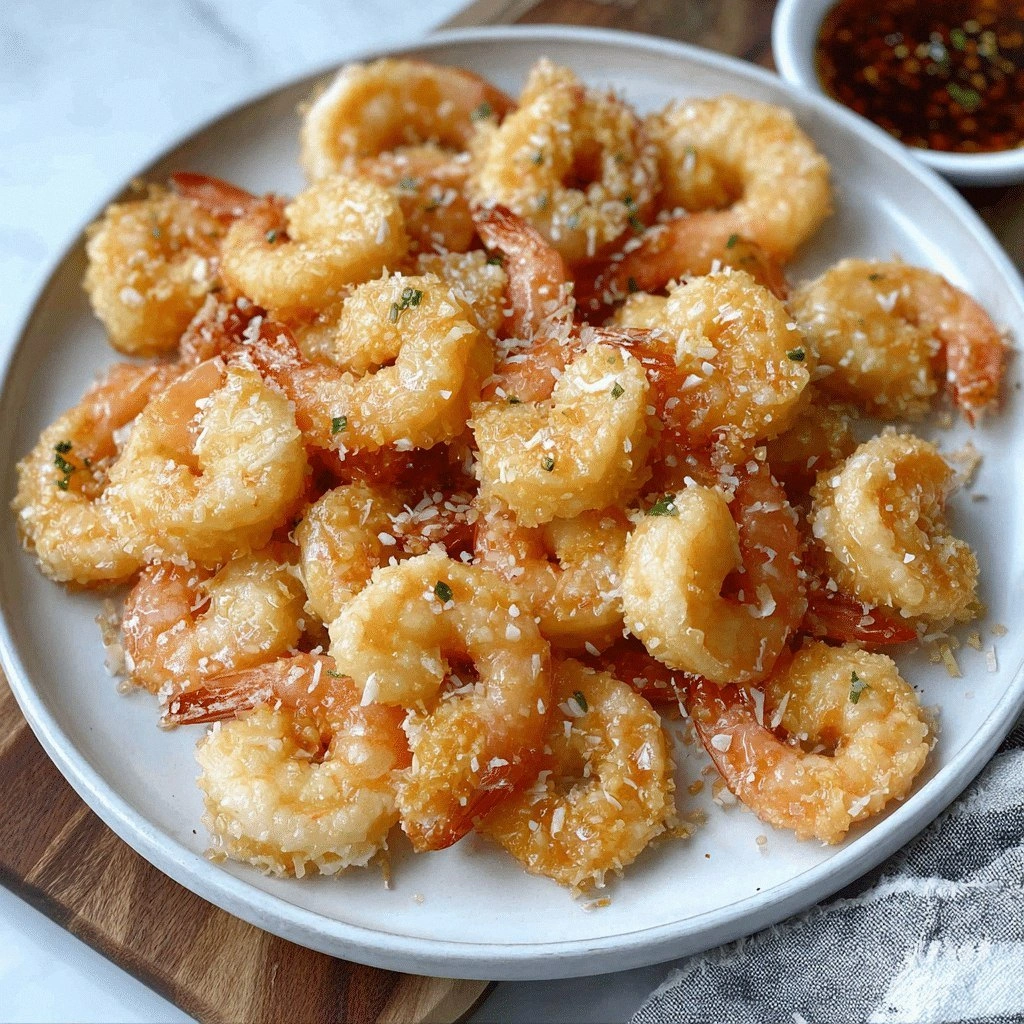
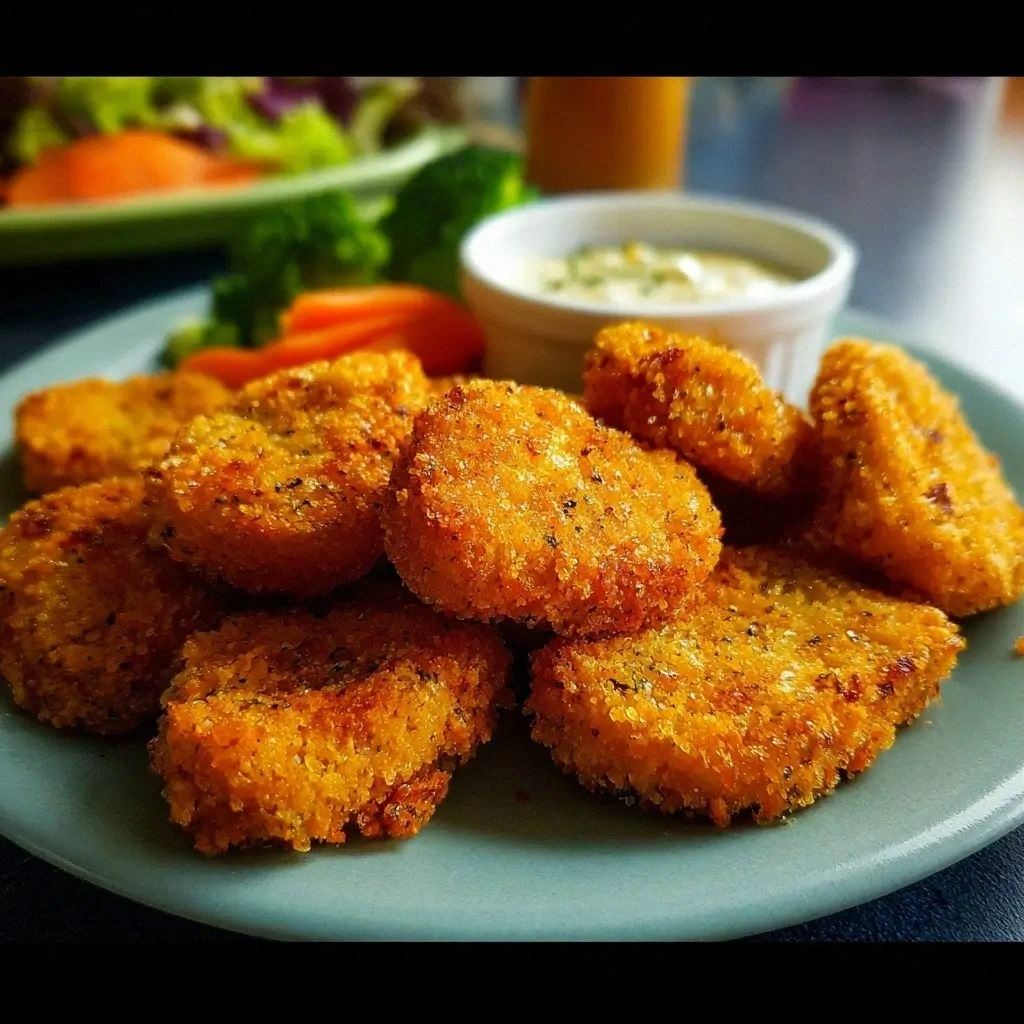
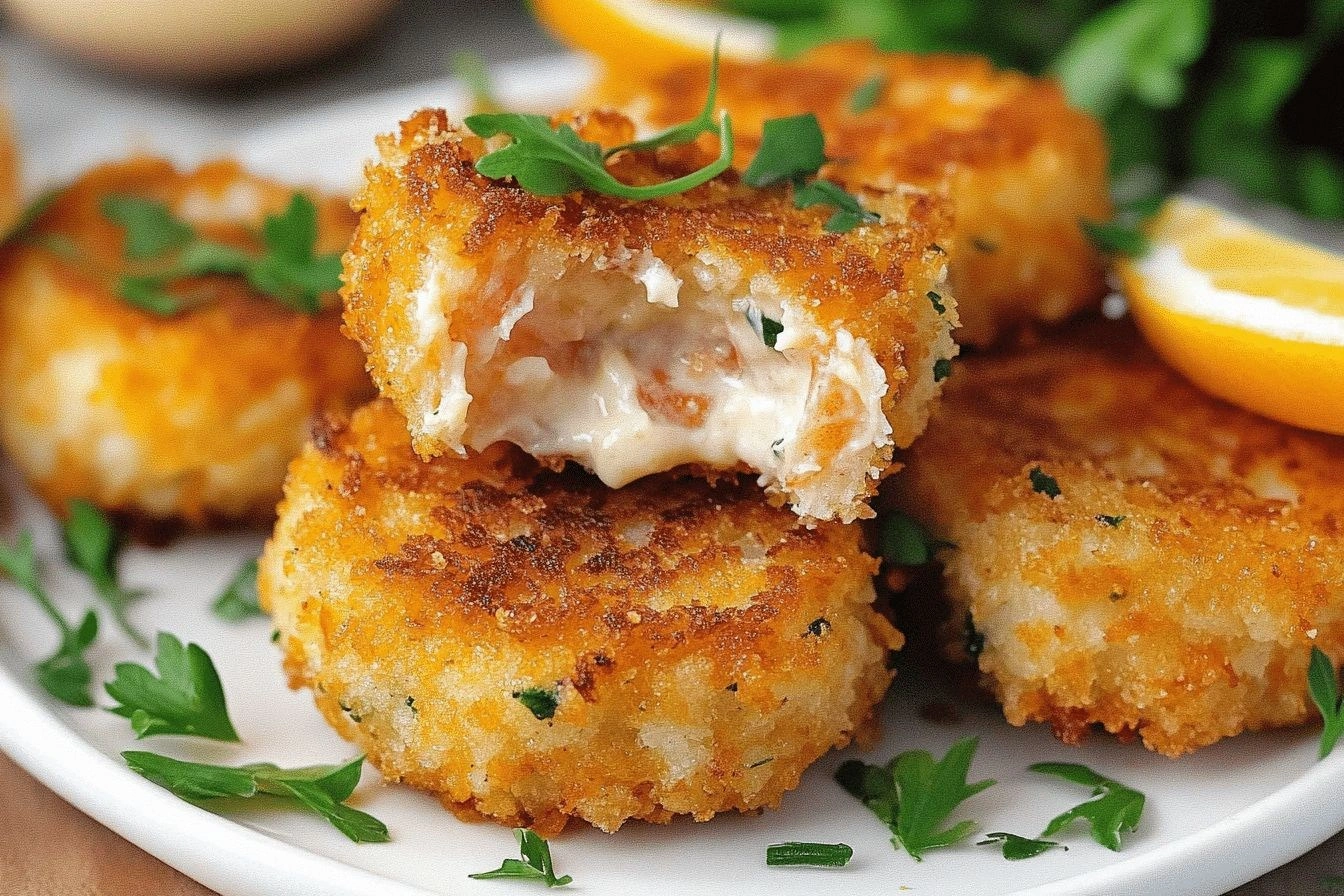
Picture this: a golden‑brown ring of panko that shatters with a delicate snap, revealing a tender, buttery shrimp interior that’s been kissed by fresh herbs and a whisper of citrus. The aroma that hits you as the cakes hit the pan is a heady mix of sizzling oil, bright lemon zest, and a faint garlic perfume that makes your stomach do a happy dance. When you finally bite, the contrast between the crunchy exterior and the juicy shrimp center is like a perfect duet—each note supporting the other, never overpowering. And that two‑citrus aioli? It coats the cake like a silk scarf, adding just enough zing to keep the flavor from getting boring.
Why does this version stand out from the sea of shrimp cake recipes flooding the internet? Most recipes either drown the shrimp in a heavy breadcrumb slurry or forget the bright, fresh element that keeps the palate awake. I’ve stripped away the excess, used panko for that feather‑light crunch, and introduced a daring duo of lemon and orange zest that lifts the whole dish into a new dimension. The secret is a quick chill of the shrimp mixture before shaping—this tiny step keeps the cakes from falling apart and gives you a uniform, restaurant‑quality bite every single time.
And just when you think you’ve seen it all, I’ll reveal a technique that most chefs keep to themselves: a flash‑freeze with ice water to lock in the shrimp’s natural sweetness before it meets the pan. I dare you to taste this and not go back for seconds. Let me walk you through every single step — by the end, you’ll wonder how you ever made it any other way.
What Makes This Version Stand Out
- Crunch Factor: The use of Japanese panko creates a light, airy crust that shatters like thin ice, delivering a satisfying snap with every bite.
- Flavor Layering: Lemon and orange zest in the aioli add a bright, citrusy punch that balances the richness of the shrimp and mayo.
- Texture Harmony: Fresh shrimp keep the interior moist, while the panko ensures the exterior stays crisp, preventing the soggy nightmare most recipes fall into.
- Simplicity: Only ten core ingredients are needed, and the steps are straightforward enough for a weekday dinner yet impressive enough for a party.
- Ingredient Quality: Using peeled, deveined shrimp and fresh herbs means every bite bursts with authentic, ocean‑fresh flavor.
- Cooking Method: Shallow‑fry in a neutral oil gives a uniform golden color without imparting any unwanted flavors.
- Make‑Ahead Potential: The cakes can be formed ahead of time and refrigerated, then fried minutes before serving—perfect for entertaining.
- Crowd Reaction: Guests consistently claim these are the best shrimp cakes they’ve ever tasted, often asking for the recipe on the spot.
Inside the Ingredient List
The Flavor Base
Fresh shrimp are the heart of this dish. Their natural sweetness provides a buttery backdrop that pairs perfectly with the bright citrus aioli. If you skimp on quality shrimp, the whole cake loses its oceanic depth, and you’ll end up with a bland bite that feels like a cheap imitation. I always buy shrimp that are pink, firm, and smell faintly of the sea—avoid any that have a fishy odor. For a budget‑friendly swap, you can use peeled, deveined frozen shrimp, but be sure to thaw them completely and pat them dry.
The lemon and orange zest are the surprise guests at the flavor party. Zest is essentially the essential oils of the fruit, so a little goes a long way. It adds a fragrant, almost floral brightness that cuts through the richness of the mayo in the aioli. If you don’t have both citrus fruits on hand, a single lemon zest will still work, though you’ll miss the subtle sweet‑orange nuance. Always zest the fruit before juicing it to avoid a mushy mess.
The Texture Crew
Panko breadcrumbs are the unsung hero of the crunch. Unlike regular breadcrumbs, panko is made from crustless bread, giving it a larger, airier crumb that stays crispy longer. If you substitute regular breadcrumbs, the crust will become soggy faster and lose that signature snap. For a gluten‑free version, use a gluten‑free panko or crushed rice crackers; the texture will remain delightfully light.
Eggs act as the glue that binds the shrimp, herbs, and breadcrumbs together. They provide structure without weighing the mixture down. Over‑beating can make the cakes tough, so whisk just until combined. If you’re avoiding eggs, a tablespoon of aquafaba (chickpea water) can mimic the binding properties, though the texture will be slightly softer.
The Unexpected Star
Green onions and fresh parsley bring a mild onion bite and herbaceous brightness that lifts the entire flavor profile. They also add a splash of green that makes the cakes look as good as they taste. If you’re not a fan of green onions, thinly sliced shallots work beautifully, offering a sweeter note. Fresh parsley can be swapped for cilantro for a more tropical twist, especially if you plan to serve the cakes with a mango salsa.
The Final Flourish
Olive oil or a neutral oil (like grapeseed) is essential for frying. Olive oil adds a subtle fruitiness, while neutral oils let the shrimp and citrus shine without interference. The key is to keep the oil at a steady 350°F (175°C); too hot and the panko will burn before the interior cooks, too cool and you’ll end up with greasy, soggy cakes. A simple kitchen thermometer will save you from the dreaded oil‑temperature roller coaster.
Everything's prepped? Good. Let's get into the real action...
The Method — Step by Step
Start by patting the peeled, deveined shrimp dry with paper towels. This removes excess moisture that could make the mixture watery. Then, using a food processor, pulse the shrimp until they form a coarse paste—think tiny shrimp nuggets, not a puree. Transfer the paste to a large bowl and set aside. That sizzle when it hits the pan? Absolute perfection.
In a separate small bowl, whisk together two large eggs, a pinch of salt, and a grind of fresh black pepper. The eggs should be just lightly beaten; you don’t want them frothy. Pour the egg mixture over the shrimp paste and fold gently until everything is evenly combined. This is the moment where the binder starts doing its magic.
Finely chop three green onions (white and green parts) and two tablespoons of fresh parsley. Sprinkle them into the shrimp‑egg mixture along with the zest of one lemon and one orange. The zest should be fine, releasing aromatic oils without any bitter pith. Stir everything together, letting the citrus fragrance fill the kitchen—if you close your eyes, you’ll smell a bright, sunny garden.
Add one cup of panko breadcrumbs to the bowl, folding gently until the mixture holds together but isn’t dry. If the blend feels too loose, sprinkle in an extra tablespoon of panko; if it feels too dry, a splash of cold water will bring it back.
Kitchen Hack: After mixing, press the mixture into a flat slab, cover with plastic wrap, and chill for 15 minutes. This step guarantees the cakes stay intact during frying.While the mixture chills, prepare the two‑citrus aioli. In a bowl, combine half a cup of mayonnaise, one minced garlic clove, the zest you set aside earlier, and a squeeze of lemon and orange juice (about one tablespoon each). Whisk until smooth, then season with a pinch of salt and pepper. Taste and adjust; the aioli should be bright, tangy, and just creamy enough to coat a spoon.
Remove the shrimp mixture from the fridge. With damp hands, shape it into eight equal patties, about three inches in diameter and one inch thick. The patties should feel firm yet pliable—if they crumble, a quick extra dash of panko will help. Place the formed cakes on a parchment‑lined tray, ready for the pan.
- Heat two tablespoons of olive oil (or neutral oil) in a large skillet over medium‑high heat until it reaches 350°F. You’ll know it’s ready when a breadcrumb tossed in sizzles immediately.Watch Out: If the oil temperature drops below 300°F, the cakes will absorb oil and become greasy. Keep a thermometer handy and adjust the heat as needed.
Carefully place four cakes into the hot oil, leaving enough space between them to avoid crowding. Fry for 3‑4 minutes on the first side, watching the edges turn a deep golden brown and the panko start to puff. Flip gently with a fish spatula; the second side needs another 3‑4 minutes. The cakes should be crisp, aromatic, and the interior should be opaque and firm to the touch.
Using a slotted spoon, transfer the fried cakes to a paper‑towel‑lined plate to drain excess oil. Let them rest for a minute—this allows the crust to set and prevents steam from sogging the panko. While they rest, give the aioli a final stir and taste for balance. If the aioli feels too thick, a splash of water or extra citrus juice will loosen it without compromising flavor.
Plate the shrimp cakes on a serving platter, drizzle generous dollops of the citrus aioli over each, and garnish with a sprinkle of fresh parsley and a thin slice of lemon for visual flair. Serve immediately while the crust is still crackling. Okay, ready for the game‑changer? The moment you bite into that first cake, the contrast of textures and the burst of citrus will make you swear you’ve discovered a new culinary love.
That's it — you did it. But hold on, I've got a few more tricks that'll take this to another level...
Insider Tricks for Flawless Results
The Temperature Rule Nobody Follows
Most home cooks set the stove to “medium” and hope for the best. In reality, oil temperature is the linchpin of a perfect crust. Using a thermometer, keep the oil steady at 350°F (175°C). If the temperature spikes, the panko will scorch before the shrimp cooks; if it dips, the cakes become soggy. A quick tip: after adding the first batch, the temperature will drop—add a splash more oil to bring it back up.
Why Your Nose Knows Best
Your sense of smell is a more reliable indicator than a timer when frying. When the cakes are ready to flip, you’ll notice a fragrant, buttery aroma mingling with the citrus zest. If the scent is still faint, give them another minute. Trusting your nose prevents over‑cooking and ensures that the interior stays juicy.
The 5‑Minute Rest That Changes Everything
After frying, let the cakes rest on a wire rack for five minutes instead of a paper towel. This allows steam to escape upward, preserving the crunch. A friend tried skipping this step once and ended up with a soggy bottom—let's just say it didn't end well. The brief rest also lets the flavors meld, making each bite more cohesive.
Seasoning the Aioli at the End
Many recipes call for seasoning the aioli early, which can mute the bright citrus notes. I prefer to whisk in the salt, pepper, and a pinch of cayenne after the mayo has emulsified with the zest and juice. This preserves the zing and gives you control over the final flavor balance.
Freeze‑Proof Formation
If you’re planning ahead, shape the cakes, place them on a parchment sheet, and flash‑freeze on a baking tray for 20 minutes. Then transfer them to a zip‑lock bag. When you’re ready to fry, no need to thaw—just pop them straight into the hot oil. The result? Identical crunch, minus the last‑minute rush.
Creative Twists and Variations
This recipe is a playground. Here are some of my favorite ways to switch things up:
Spicy Sriracha Swirl
Add a tablespoon of sriracha to the shrimp mixture and a dash of chili flakes to the aioli. The heat pairs beautifully with the citrus, giving the cakes a bold kick that’s perfect for game‑day snacking.
Herb‑Infused Parmesan
Mix a quarter cup of grated Parmesan into the panko and sprinkle dried oregano into the mixture. The cheese adds a nutty depth, while the oregano introduces an Italian flair that works well with a basil‑leaf garnish.
Tropical Mango Salsa
Serve the cakes topped with a fresh mango‑cucumber salsa instead of aioli. The sweet mango balances the savory shrimp, and the cucumber adds a refreshing crunch—ideal for summer barbecues.
Coconut‑Lime Aioli
Swap half the mayo for coconut cream and replace the lemon zest with lime zest. This tropical version pairs wonderfully with a side of grilled pineapple and makes the dish feel like a beachside treat.
Smoky Chipotle
Incorporate chipotle powder into the shrimp mix and blend a spoonful of smoked paprika into the aioli. The smoky undertones add complexity, making the cakes a standout at a fall gathering.
Storing and Bringing It Back to Life
Fridge Storage
Place cooled cakes in an airtight container lined with a paper towel to absorb excess moisture. They’ll stay fresh for up to three days. When ready to serve, reheat in a hot skillet for two minutes per side; the crust will revive beautifully.
Freezer Friendly
Freeze the uncooked, formed cakes on a parchment sheet for an hour, then transfer to a zip‑lock bag. They’ll keep for up to two months. To cook, fry straight from frozen—just add an extra minute per side to ensure the interior reaches safe temperature.
Best Reheating Method
For leftover cakes, the oven is your best friend. Preheat to 375°F (190°C), place the cakes on a wire rack, and bake for eight minutes. Add a tiny splash of water to the pan before covering with foil; the steam will restore the interior’s juiciness while the exterior stays crisp.