Picture this: you’re juggling a deadline, the kids are demanding snacks, and the pantry looks like a desert. I was in that exact chaos when a friend dared me to “make something that will actually make you forget the stress for at least ten minutes.” I stared at a lone bag of chicken breasts, a bunch of parsley that was about to wilt, and a tub of mayo that had been staring at me for weeks. That moment of desperation turned into a culinary epiphany—an explosion of herb‑laden chimichurri, a silky garlic sauce, and a bowl that feels like a hug from the inside out. I tossed the chicken into a hot skillet, let the sauce sizzle, and the kitchen instantly transformed into a South‑American street market, complete with the aroma of fresh herbs dancing with the tang of vinegar.
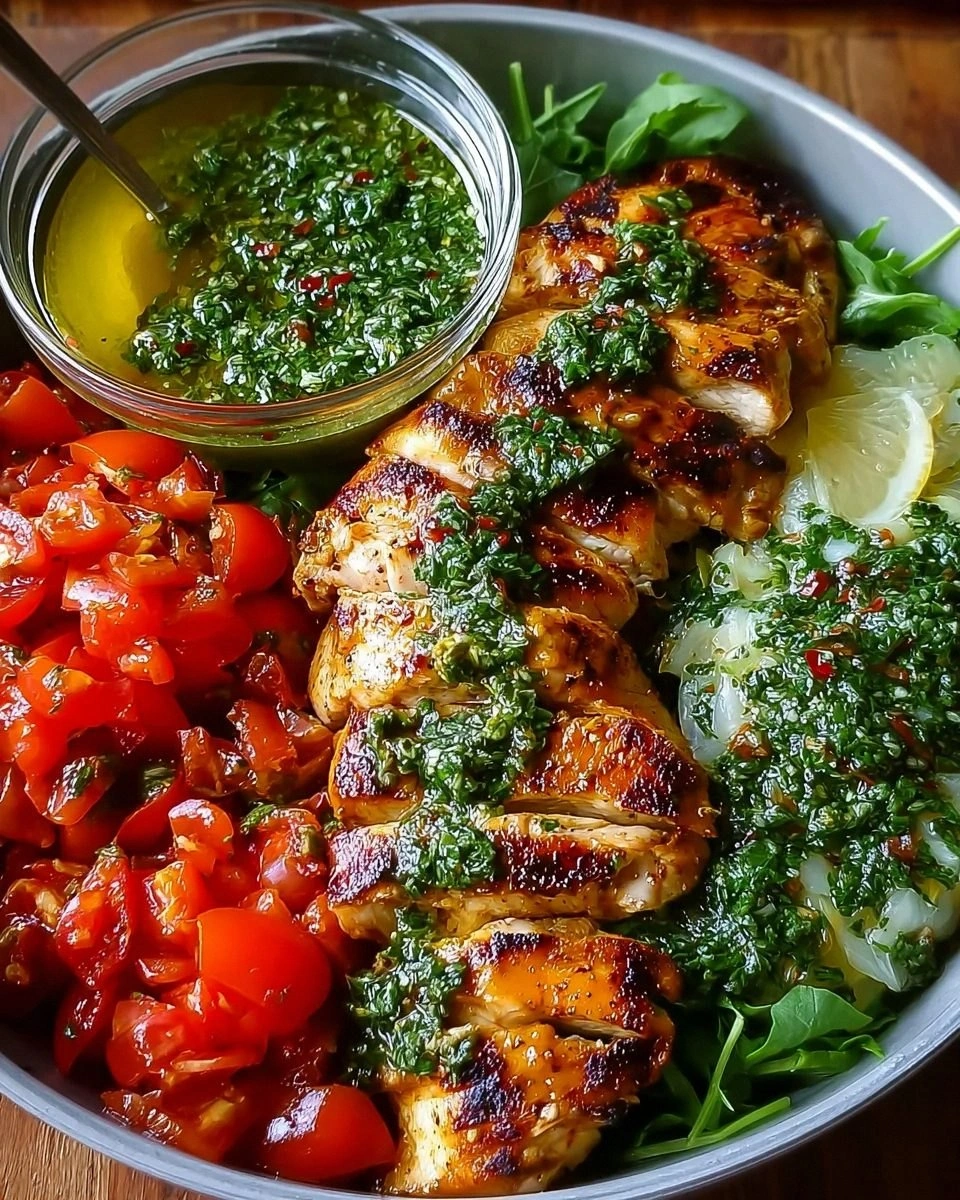
Now, close your eyes and imagine the sound of a gentle hiss as the chicken hits the pan, the bright green of parsley shimmering like a freshly painted fence, the sharp bite of garlic cutting through the air, and the buttery smoothness of mayo blending with sour cream to create a sauce that clings to every bite like a lover’s whisper. The texture? Imagine the chicken’s exterior turning golden and crisp, then giving way to a juicy, tender interior that practically melts on your tongue. The bowl’s base of spinach or arugula offers a peppery crunch that balances the sweet burst of cherry tomatoes, while the chimichurri adds a herbaceous zing that makes your taste buds do a little happy dance.
This isn’t just another chicken bowl; it’s the version that makes every other recipe look like a bland rehearsal. Most recipes get the chimichurri wrong—either they drown it in oil or forget the essential punch of red wine vinegar. I’ve seen bowls that are soggy, sauces that separate, and chicken that’s either dry or overcooked. This one, however, hits every note perfectly: the sauce stays glossy, the chicken stays moist, and the bowl stays vibrant. The secret? A simple, yet game‑changing, technique of marinating the chicken in a whisper of garlic and lemon before searing, and a two‑stage sauce assembly that locks in flavor.
I dare you to taste this and not go back for seconds. I’ll be honest—I ate half the batch before anyone else got a spoonful, and that’s because the combination of tangy chimichurri and creamy garlic sauce is pure, unapologetic decadence. This is hands down the best version you’ll ever make at home, and I’m about to walk you through every single step—by the end, you’ll wonder how you ever made it any other way. Okay, ready for the game‑changer?
What Makes This Version Stand Out
- Flavor Explosion: The chimichurri brings a bright, herbaceous punch while the garlic sauce adds a velvety, tangy richness that coats every bite like silk.
- Texture Harmony: Crispy, caramelized chicken edges meet the tender, leafy greens and juicy tomato bursts for a satisfying mouthfeel.
- Simplicity Meets Sophistication: Only a handful of pantry staples are needed, yet the result feels restaurant‑grade.
- Ingredient Quality: Fresh parsley and high‑quality extra virgin olive oil elevate the sauce from ordinary to unforgettable.
- Crowd‑Pleaser Factor: Whether you’re feeding a family or impressing guests, the bowl’s vibrant colors and bold flavors earn applause every time.
- Make‑Ahead Magic: The sauces keep well for up to three days, letting you prep in advance and assemble the bowl in minutes.
- Versatile Base: Swap spinach for kale, or add roasted sweet potatoes for a heartier twist without losing the core identity.
- Balanced Nutrition: Lean protein, healthy fats, and plenty of greens make this a wholesome, balanced meal.
Inside the Ingredient List
The Flavor Base
Fresh parsley is the soul of chimichurri; its bright, slightly peppery notes lift the entire bowl. If you skip it, you’ll lose that garden‑fresh zing and end up with a sauce that feels flat. For the best flavor, choose bunches that are deep green with firm stems—avoid any that are wilting or yellowed. You can substitute cilantro for a more citrusy twist, but the classic parsley keeps the dish authentic.
The Texture Crew
Boneless chicken breasts are the star protein here. Their lean nature means they soak up the chimichurri without becoming greasy, delivering juicy bites that stay moist. If you prefer a richer mouthfeel, chicken thighs work beautifully, offering extra tenderness. Remember to pat the chicken dry before seasoning; moisture on the surface prevents a proper sear, leading to soggy edges.
The Unexpected Star
The garlic sauce combines mayonnaise, sour cream (or Greek yogurt), lemon juice, and a generous amount of garlic. This creates a creamy, tangy coat that balances the herbaceous chimichurri. Skipping the sour cream for plain mayo will make the sauce too heavy, while using only yogurt will give a lighter, tangier finish. A splash of lemon juice is the secret that prevents the sauce from feeling cloying.
The Final Flourish
Fresh tomatoes add a pop of sweet acidity that cuts through the richness of the sauces, while spinach or arugula provides a peppery crunch and a dose of green goodness. If you use baby spinach, it wilts slightly under the warm bowl, creating a tender base; arugula stays crisp, adding a bite. Skipping the greens would make the bowl feel incomplete, as they also contribute essential nutrients and a refreshing contrast.
Everything's prepped? Good. Let's get into the real action...
The Method — Step by Step
First, gather all your ingredients and give the chicken a quick pat‑dry. In a shallow dish, whisk together 1 tablespoon olive oil, the juice of half a lemon, 2 minced garlic cloves, a pinch of salt, and a dash of black pepper. Coat the chicken breasts evenly and let them sit for 10 minutes; this short marination infuses the meat with subtle brightness that makes the sear pop. That sizzle when it hits the pan? Absolute perfection.
While the chicken marinates, start building the chimichurri. In a food processor, combine 1 cup loosely packed parsley, 4 garlic cloves, 2 tbsp red wine vinegar, ¼ cup extra‑virgin olive oil, and ½ tsp red pepper flakes. Pulse until you achieve a coarse, vibrant green sauce—don’t over‑process; you want a little texture. Taste and adjust with a pinch more salt or vinegar if needed.
Kitchen Hack: Add the olive oil in a slow, steady stream while the processor runs to emulsify the sauce perfectly.Next, whip up the garlic sauce. In a bowl, blend ½ cup mayonnaise, ¼ cup sour cream (or Greek yogurt for a tangier note), the juice of 1 tablespoon lemon, and 2 minced garlic cloves. Stir until smooth, then season with a pinch of salt and a grind of black pepper. This sauce will stay glossy and cling to the chicken like a luxurious coat.
Watch Out: Over‑mixing can cause the sauce to split; stop as soon as it’s smooth and creamy.Heat a large skillet over medium‑high heat and add 1 tablespoon olive oil. Once shimmering, place the marinated chicken breasts into the pan. Let them sear undisturbed for about 4‑5 minutes; you’ll hear a faint crackling that signals the Maillard reaction kicking in. Flip and cook another 4‑5 minutes, or until the internal temperature hits 165°F (74°C). The exterior should be golden‑brown, the edges slightly crisp, while the inside remains juicy.
While the chicken finishes, prep the bowl base. Toss 4 cups of fresh spinach or arugula with a drizzle of olive oil, a pinch of salt, and a squeeze of lemon juice. The greens will wilt just enough to become tender yet retain a bright color. Add 2 cups of halved cherry tomatoes, which will soften slightly from the residual heat of the chicken.
When the chicken is done, transfer it to a cutting board and let it rest for 5 minutes. This rest period allows the juices to redistribute, preventing a dry bite. Then slice the chicken into generous strips, each piece showcasing that perfect sear.
Now the assembly begins. Divide the dressed greens and tomatoes evenly among four large bowls. Lay the sliced chicken on top, then drizzle each serving with a generous spoonful of chimichurri, followed by a swirl of garlic sauce. The sauces should mingle on the surface, creating a marbled effect that looks as good as it tastes.
Give the bowl a quick toss just before eating so every bite gets coated in that herb‑garlic symphony. The moment the fork meets the chicken, you’ll hear a subtle crunch from the greens and a burst of tang from the tomatoes. I dare you to taste this and not go back for seconds.
Serve immediately, and watch as your guests’ faces light up. The aroma of fresh parsley, garlic, and lemon will fill the room, making the kitchen feel like a lively patio in Buenos Aires. And remember—if you have leftovers, the sauces keep their brilliance for up to three days, so you can enjoy this bowl all week long.
Insider Tricks for Flawless Results
The Temperature Rule Nobody Follows
Never start with a cold pan. Pre‑heat your skillet for at least two minutes on medium‑high before adding oil. This ensures the chicken sears instantly, forming a crust that locks in juices. I once tried to “save time” by adding the chicken to a cold pan; the result was a sad, soggy piece that never developed that coveted caramelized edge.
Why Your Nose Knows Best
Trust the aroma as your ultimate doneness cue. When the chicken starts to smell nutty and slightly sweet, you’re close to the perfect sear. If the scent turns overly smoky, you’ve overshot it. This sensory checkpoint beats any timer because every stove behaves a little differently.
The 5‑Minute Rest That Changes Everything
Resting the chicken after cooking isn’t optional—it’s essential. Those five minutes allow the fibers to relax, so the meat stays tender instead of spitting out juices onto the plate. I once sliced the chicken immediately; the result was a dry, disappointing bite that ruined an otherwise stellar bowl.
Garlic Power Boost
For a deeper garlic flavor without bitterness, lightly sauté the minced garlic in the olive oil before adding it to the chimichurri. This mellows the raw bite and adds a subtle caramel note that elevates the whole sauce. Just keep the heat low and watch it closely; burnt garlic turns bitter fast.
Layering Flavors Like a Pro
Instead of dumping all the sauces at once, drizzle the chimichurri first, let it sit for a minute, then add the garlic sauce. This layering creates a flavor hierarchy where the herbaceous notes lead, followed by the creamy tang. The result is a bowl that feels complex yet harmonious.
Creative Twists and Variations
This recipe is a playground. Here are some of my favorite ways to switch things up:
Spicy Inferno
Swap the red pepper flakes for a teaspoon of chipotle powder and add a sliced jalapeño to the bowl. The smoky heat pairs beautifully with the fresh parsley, giving the dish a bold, fiery edge that will thrill pepper lovers.
Smoky BBQ Fusion
Replace the chimichurri with a smoky BBQ sauce and add a handful of corn kernels. The sweet‑smoky flavor complements the garlic sauce, creating a Southern‑Meets‑South‑American hybrid that’s perfect for backyard gatherings.
Mediterranean Delight
Swap the parsley for a mix of fresh basil and mint, and add crumbled feta cheese on top. The herb combo brings a Mediterranean vibe, while the feta adds a salty creaminess that pairs nicely with the lemony garlic sauce.
Vegan Version
Use firm tofu or tempeh marinated in the same lemon‑garlic mix, and replace the mayo and sour cream with vegan mayo and cashew cream. The result is a plant‑based bowl that still delivers the same bold flavors and satisfying texture.
Grain‑Boosted Bowl
Serve the chicken and sauces over a bed of cooked quinoa or farro instead of just greens. The nutty grains add heft and make the bowl a complete meal for those who need extra carbs after a workout.
Roasted Veggie Remix
Add roasted sweet potatoes, zucchini, and red bell peppers to the bowl. The caramelized veggies bring a natural sweetness that balances the tangy sauces, making each bite a delightful contrast.
Storing and Bringing It Back to Life
Fridge Storage
Separate the components: keep the chicken, chimichurri, garlic sauce, and greens in airtight containers. The sauces stay fresh for up to three days, while the chicken can be refrigerated for four days. When ready to eat, simply reheat the chicken and toss everything together.
Freezer Friendly
The cooked chicken freezes beautifully. Portion it into freezer bags with a drizzle of olive oil to prevent sticking, and store for up to two months. The sauces also freeze; just thaw them in the fridge overnight and give a quick stir before using.
Best Reheating Method
To revive the chicken, place it in a skillet over medium heat with a splash of water or broth—this creates steam that keeps the meat moist. For the sauces, a quick whisk in a microwave‑safe bowl (30‑second bursts) restores their creamy consistency. Add a tiny splash of water to the bowl before the final toss; it helps the greens stay vibrant and prevents the sauces from thickening too much.