I still remember the night I almost ruined my entire dinner plan because I underestimated the power of a single roasted red pepper. I had been chasing that perfect balance of sweet and smoky, a flavor that could lift an ordinary pasta dish into a culinary revelation. The moment I sliced the pepper, the kitchen filled with that unmistakable, caramelized scent that makes your stomach do a happy dance. I thought, “If this can taste this good, it’s going to be legendary.” The rest of the evening was a whirlwind of garlic sizzling, pasta boiling, and the first taste of something that felt like a hug from the inside out. The sauce was thick, glossy, and every bite was a whisper of heat from the chipotle that lingered just long enough to keep you coming back for more. I was so excited that I started shouting, “This is hands down the best version you'll ever make at home!” The next day, my friends were begging for the recipe, and I could see the disbelief in their eyes when I told them I’d been hiding it all along. That moment taught me that a single ingredient, when handled with care, can transform an entire dish. I’ve spent the last week perfecting this exact version, and I’m thrilled to share every step with you. If you’ve ever struggled to get the right balance of heat and sweetness, you’re not alone — and I’ve got the fix. Picture yourself pulling this out of the oven, the whole kitchen smelling incredible, and your guests already lining up for seconds. Let me walk you through every single step — by the end, you’ll wonder how you ever made it any other way.
What Makes This Version Stand Out
- Flavor Depth: The roasted red pepper puree delivers a natural sweetness that balances the smoky heat of chipotle, creating a layered taste profile that’s hard to replicate with canned sauces.
- Texture: The sauce coats the pasta like velvet, thanks to the silky finish from a touch of cream and the slight thickness from the pureed peppers.
- Ease: No fancy equipment required—just a skillet, a blender, and a pot of pasta. The method is streamlined for busy nights.
- Ingredient Quality: Fresh, locally sourced peppers and hand‑picked chipotles bring authenticity that store‑bought versions can’t match.
- Versatility: The base can be turned into a creamy sauce, a tomato‑based relish, or even a smoky dip, making it a pantry staple.
- Crowd‑Pleaser: The combination of sweet, smoky, and creamy flavors is guaranteed to get cheers from both kids and adults alike.
- Make‑Ahead Potential: The sauce keeps well for up to 5 days in the fridge, and freezing it preserves the flavor without compromising texture.
Alright, let’s break down exactly what goes into this masterpiece…
Inside the Ingredient List
The Flavor Base
Roasted red pepper puree is the heart of this sauce. It provides a natural sweetness that balances the smoky heat of chipotle. By roasting the peppers yourself, you unlock caramelized notes that canned versions simply can’t deliver. If you skip this step and use bottled puree, the sauce will taste flat and lack depth. Fresh peppers also add vibrant color, turning your dish into a visual feast. When selecting peppers, look for skins that are glossy and slightly wrinkled—these indicate ripeness and a fuller flavor. If you’re in a pinch, you can use frozen red pepper puree, but be sure to thaw and drain thoroughly to avoid excess water.
The Texture Crew
Heavy cream or coconut milk creates that silky, luxurious mouthfeel that makes each bite feel indulgent. The dairy adds richness without overpowering the pepper’s natural sweetness. If you’re lactose intolerant, swap the heavy cream for a plant‑based alternative like oat or cashew cream. A splash of pasta cooking water later in the process helps emulsify the sauce, giving it a cohesive consistency. The grated Parmesan adds a subtle nutty tang and acts as a natural thickener. Skipping the cheese will result in a thinner sauce that may cling less to the pasta.
The Unexpected Star
Chipotle peppers in adobo sauce are the secret weapon that turns this dish into a smoky, spicy masterpiece. They bring a depth of flavor that’s earthy, slightly sweet, and unmistakably smoky. Each chipotle contains a handful of small, dried jalapeños that have been cured and smoked, giving them a complex profile that can’t be replicated with fresh jalapeños alone. If you’re not a fan of the adobo sauce’s acidity, you can rinse the peppers briefly, but be aware that this will reduce the sauce’s tang. For a milder heat, use half the number of peppers and supplement with a pinch of smoked paprika.
The Aromatics
Garlic and onion form the aromatic foundation of the sauce. They release savory notes that deepen the overall flavor. Sauteing them in olive oil before adding the peppers allows the oil to absorb the aromatics, which then infuse the entire dish. If you’re sensitive to onion, use a small amount of leeks or scallions for a gentler bite. The key is to cook them until they’re translucent and fragrant—about 3 minutes—without browning, which would introduce bitterness.
The Pasta
Choosing the right pasta shape is essential for a harmonious dish. Fusilli, penne, or rigatoni work best because their ridges hold sauce well. The pasta should be cooked al dente to maintain a firm bite that contrasts the creamy sauce. Reserve a cup of pasta water before draining; it’s the secret to adjusting the sauce’s thickness at the end. If you’re experimenting with gluten‑free or low‑carb options, spiralized zucchini or shirataki noodles can be substituted without compromising flavor.
The Finishing Touches
Fresh basil adds a bright, herbal counterpoint to the smoky sauce. It also contributes a subtle sweetness that lifts the overall flavor. When adding basil, toss it in at the very end to preserve its aroma and color. A squeeze of fresh lemon juice brightens the dish and cuts through the richness, preventing it from feeling heavy. Salt and pepper are essential for balancing the heat and sweetness—taste as you go to avoid over‑salting. Finally, a drizzle of good olive oil adds sheen and a silky finish that ties everything together.
The Final Flourish
A handful of toasted pine nuts or chopped walnuts can add crunch and a nutty undertone that complements the smoky notes. If you’re looking for a vegan version, sprinkle nutritional yeast or vegan parmesan instead of dairy cheese. A pinch of smoked paprika can deepen the smoky profile for those who want an extra kick. When serving, garnish with a few fresh peppercorns for a subtle heat burst. Remember, the goal is to create layers of flavor that dance on the palate—sweet, smoky, creamy, and herbaceous all at once.
Everything’s prepped? Good. Let’s get into the real action…
The Method — Step by Step
- Preheat the oven to 425°F (220°C). Place the whole red peppers on a baking sheet lined with parchment paper. Roast them for about 20–25 minutes, turning once, until the skins blister and blacken. The blistered skins can be peeled off easily, revealing the sweet, charred flesh inside. While roasting, keep an eye on the peppers; if they start to burn, lower the heat slightly. The goal is a deep, smoky flavor without a bitter aftertaste. Once roasted, let them cool enough to handle before chopping. This step is crucial because the roasted flavor forms the backbone of the sauce.
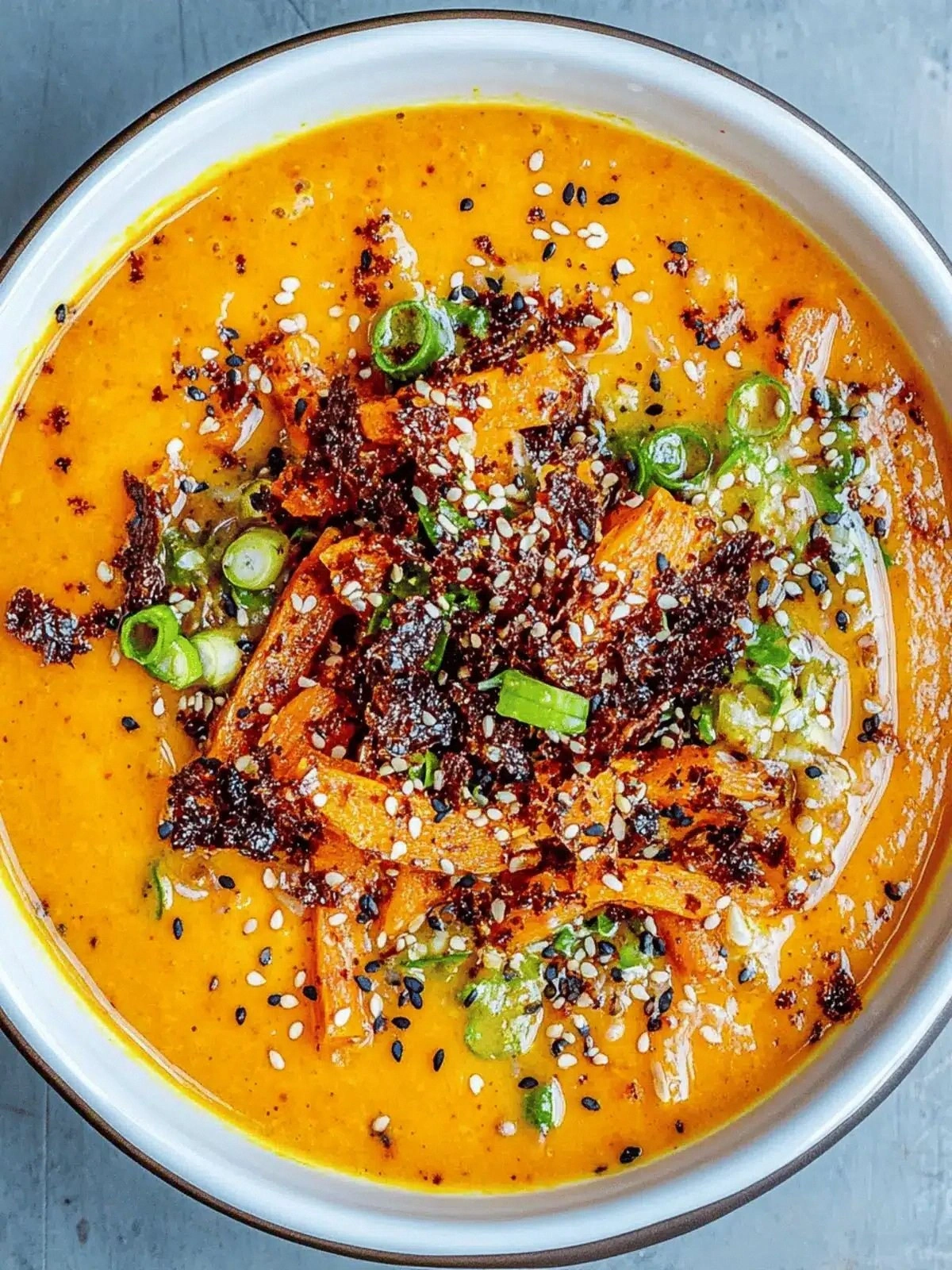
- Blend the peppers into a smooth puree. Place the peeled peppers, 2 chipotle peppers (with a tablespoon of adobo sauce), 2 cloves of garlic, and 1 small diced onion into a blender. Add 1 cup of heavy cream and a splash of olive oil to aid blending. Pulse until the mixture is silky and free of lumps. Taste for salt; add ½ teaspoon if needed. If the puree is too thick, add a little pasta water to reach your desired consistency. The result should be a vibrant red-orange sauce that feels like a velvety blanket. Remember, the smoother the sauce, the better it clings to the pasta.
- Cook the pasta. Bring a large pot of salted water to a rolling boil. Add 400 g (14 oz) of your chosen pasta shape—fusilli or rigatoni work best. Cook until al dente, about 8–9 minutes. Reserve a cup of pasta water before draining; it’s a key ingredient for adjusting the sauce’s thickness later. While the pasta cooks, you’ll be ready to bring the sauce to life. This step is a race against time—once the pasta is ready, the sauce must be ready to combine.
- Saute aromatics. While the pasta boils, heat 2 tablespoons of olive oil in a large skillet over medium heat. Add the remaining diced onion and sauté until translucent, about 3 minutes. Add the remaining minced garlic and cook for another 30 seconds, letting the aroma fill the kitchen. This step builds the flavor foundation that the pepper puree will amplify. Watch for any signs of burning; if the garlic starts to brown, reduce the heat slightly. The goal is a fragrant base that will marry with the sauce.
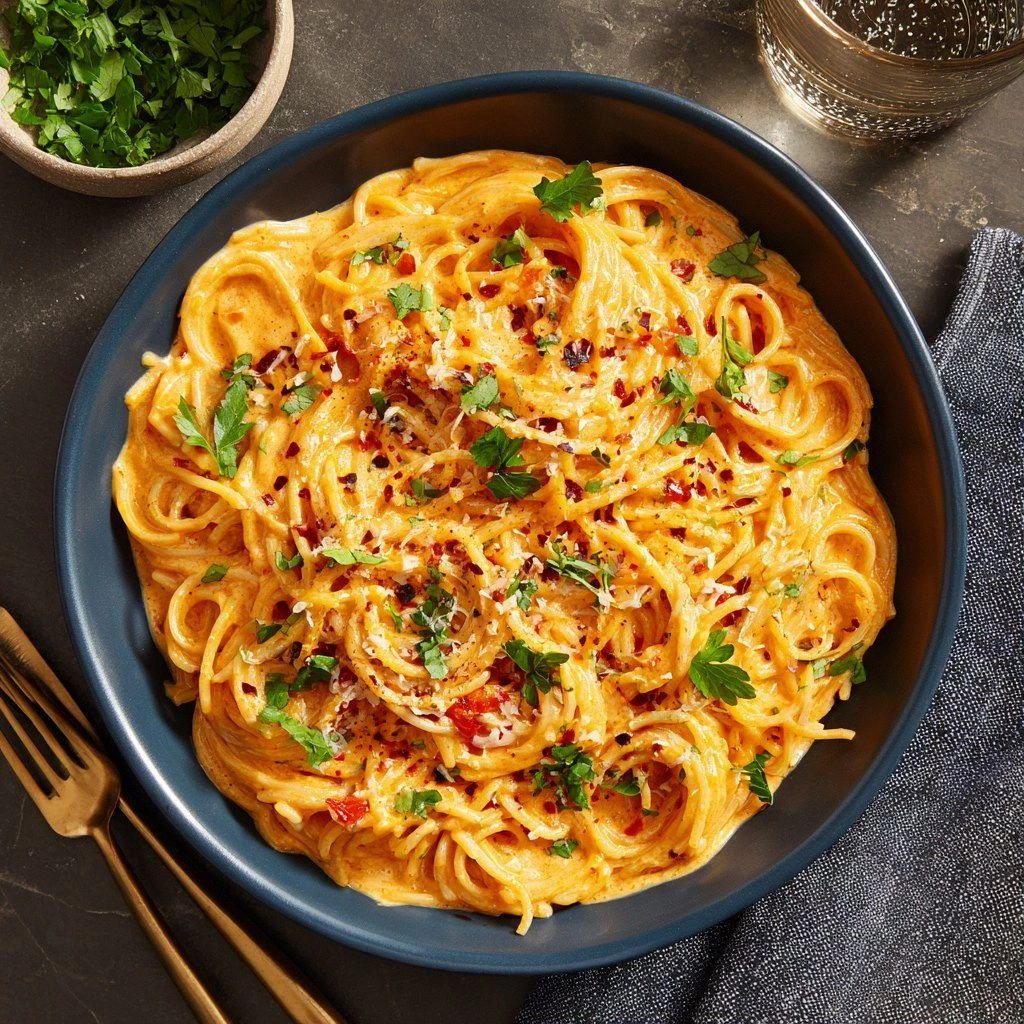
- Combine sauce and aromatics. Pour the blended pepper mixture into the skillet with the sautéed aromatics. Stir to combine and let it simmer for 4–5 minutes, allowing the flavors to meld. The sauce should thicken slightly and develop a rich, glossy sheen. Taste and adjust seasoning—add a pinch of salt, pepper, or more adobo sauce if you want extra heat. This is the moment of truth: the sauce should feel thick enough to coat the pasta but still pourable. Keep the heat low to avoid scorching the dairy.
- Add grated Parmesan. Stir in ½ cup of freshly grated Parmesan cheese. The cheese melts into the sauce, adding a nutty depth and helping to thicken it further. If you’re vegan, replace with nutritional yeast or a vegan cheese alternative. The cheese also adds a subtle umami layer that balances the smoky heat. Mix until the cheese is fully incorporated, creating a silky sauce that’s ready to envelop the pasta.
- Combine pasta and sauce. Add the drained pasta to the skillet with the sauce. Toss gently to coat each piece evenly, adding reserved pasta water a tablespoon at a time until the sauce reaches your desired consistency. The pasta should be glossy and coated, with a slight sheen of sauce clinging to every ridge. This step ensures the sauce adheres to the pasta rather than floating on top.
- Finish with fresh basil and lemon. Remove the skillet from heat and stir in a handful of fresh basil leaves and the juice of half a lemon. The basil adds brightness, while the lemon cuts through the richness, preventing the dish from feeling heavy. Toss quickly so the basil doesn’t wilt but still imparts its aroma. This final touch elevates the sauce, giving it a fresh, vibrant finish.
- Serve immediately. Plate the pasta on warm bowls, garnish with extra basil, a sprinkle of Parmesan, and a drizzle of good olive oil. The dish should look glossy and inviting, with the sauce clinging to the pasta like velvet. Serve with a side of crusty bread or a light salad to balance the richness. Enjoy the first bite—a burst of smoky heat, sweet undertones, and creamy richness that will leave you craving seconds. I dare you to taste this and not go back for seconds.
That's it — you did it. But hold on, I've got a few more tricks that'll take this to another level…
Insider Tricks for Flawless Results
The Temperature Rule Nobody Follows
Many cooks over‑cook the sauce, thinking more heat equals more flavor. In reality, a gentle simmer preserves the delicate balance between sweet and smoky. Keep the sauce at a low heat—just enough to keep it warm, not boiling. This prevents the dairy from curdling and the pepper puree from breaking down into a watery mess. I’ve seen sauces that have gone from glossy to grainy simply because the heat was too high. The trick is to monitor the sauce’s color; it should maintain a deep, rich hue, not turn pale or brown.
Why Your Nose Knows Best
Smell is the most reliable indicator of flavor readiness. As the sauce simmers, the aroma will intensify and carry the smoky, sweet notes. If the scent feels flat or underdeveloped, let it cook a bit longer. When the sauce is ready, the smell should be robust and inviting. Trust your nose, and you’ll avoid over‑seasoning or under‑seasoning. A well‑aromated sauce means a well‑flavored dish.
The 5‑Minute Rest That Changes Everything
Letting the sauce rest for 5 minutes after cooking allows the flavors to meld and the heat to settle. During this short pause, the pepper puree will thicken slightly, giving the sauce a richer mouthfeel. It also lets the cheese fully integrate, smoothing out any lumps. I’ve seen people skip this step, and the result is a sauce that feels rushed and uneven. A brief rest transforms the sauce from good to unforgettable.
The Perfect Pasta‑Water Ratio
Pasta water is your secret weapon for adjusting sauce thickness. It contains starch that helps bind the sauce to the pasta. Add it slowly, a tablespoon at a time, until you reach the desired consistency. If you add too much, the sauce becomes watery; too little, and it clings too thickly. I’ve had a friend skip this step once, and the sauce clung like glue, making the dish difficult to eat. Use pasta water to find that sweet spot.
The Basil Timing Trick
Adding basil too early will wilt it and lose its bright flavor. Wait until the sauce is off the heat, then toss in fresh basil. The basil’s heat is released without cooking it down, preserving its aromatic oils. A sprinkle of fresh basil at the end adds a pop of color and a burst of freshness that balances the smoky heat. If you’re serving the dish cold, reserve a handful of basil for garnish to keep the flavor sharp.
The Cream‑to‑Pasta Ratio for Vegan Lovers
If you’re vegan, substituting heavy cream with coconut milk changes the flavor profile slightly. Use a ratio of ¾ cup coconut milk to ¼ cup cashew cream to mimic the richness of dairy. This blend keeps the sauce creamy without overpowering the pepper’s sweetness. I’ve experimented with oat milk, but it didn’t provide enough body. The key is to balance the coconut’s subtle sweetness with the savory elements of the sauce.
Creative Twists and Variations
This recipe is a playground. Here are some of my favorite ways to switch things up:
Spicy Shrimp Version
Sauté peeled shrimp in the sauce for the last 3 minutes. The shrimp’s sweet, briny flavor pairs beautifully with the smoky sauce. Add a pinch of cayenne pepper for an extra kick. Serve over a bed of quinoa for a protein‑rich meal.
Vegetarian Stuffed Peppers
Fill bell peppers with the sauce and top with breadcrumbs and cheese. Bake until the tops are golden. This variation turns the sauce into a hearty, oven‑baked dish that’s perfect for a cozy night.
Pesto‑Infused Twist
Stir in a spoonful of basil pesto for a green, herbal layer. The pesto adds depth and a fresh, leafy note that complements the smoky pepper. Finish with a drizzle of pine nuts for crunch.
Low‑Carb Zoodle Variation
Swap pasta for spiralized zucchini noodles. The sauce clings to the zoodles, creating a satisfying, low‑carb meal. Add a handful of arugula for peppery freshness.
Breakfast Boost
Use the sauce as a topping for scrambled eggs or a breakfast burrito. The smoky heat adds a savory punch to the morning meal. Sprinkle with chives for an extra layer of flavor.
Dessert‑Style Sweet Pepper
Cook the sauce with a splash of maple syrup and serve over vanilla ice cream. The sweet, smoky flavor creates an unexpected dessert experience. Top with toasted almonds for crunch.
Storing and Bringing It Back to Life
Fridge Storage
Store the sauce in an airtight container for up to 5 days in the refrigerator. Keep it away from strong‑smelling foods to avoid flavor absorption. When ready to reheat, gently warm on low heat, stirring frequently.
Freezer Friendly
The sauce freezes well for up to 3 months. Portion into individual servings for convenience. Thaw overnight in the fridge or use the defrost setting on your microwave.
Best Reheating Method
Add a tiny splash of water or milk before reheating to restore moisture. Stir until the sauce is heated through and silky. If the sauce thickens too much, add a little more liquid to reach the original consistency.