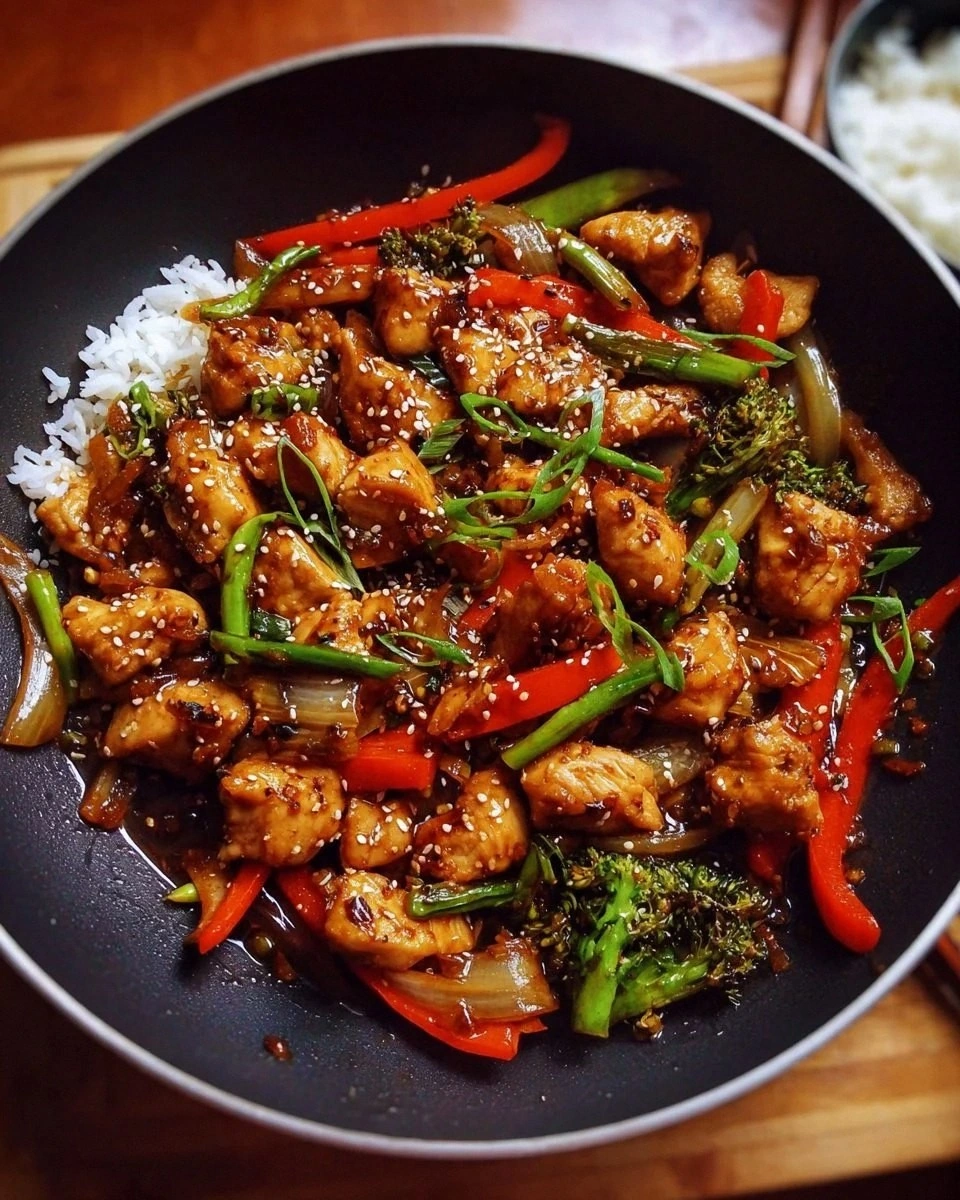
I was standing in my kitchen on a Tuesday night, staring at a half‑empty pantry, when my roommate dared me to create a stir‑fry that could actually make a grown adult weep with joy. I had a packet of frozen veggies, a lonely bottle of sweet chili sauce, and a craving for something that felt both comforting and daring. The moment I tossed the first strip of chicken into a hot pan, a sizzle erupted that sounded like applause at a Broadway opening night. The aroma—garlic, caramelized chicken, and that unmistakable sweet‑heat—filled the apartment, turning my tiny studio into a five‑star street‑food stall.
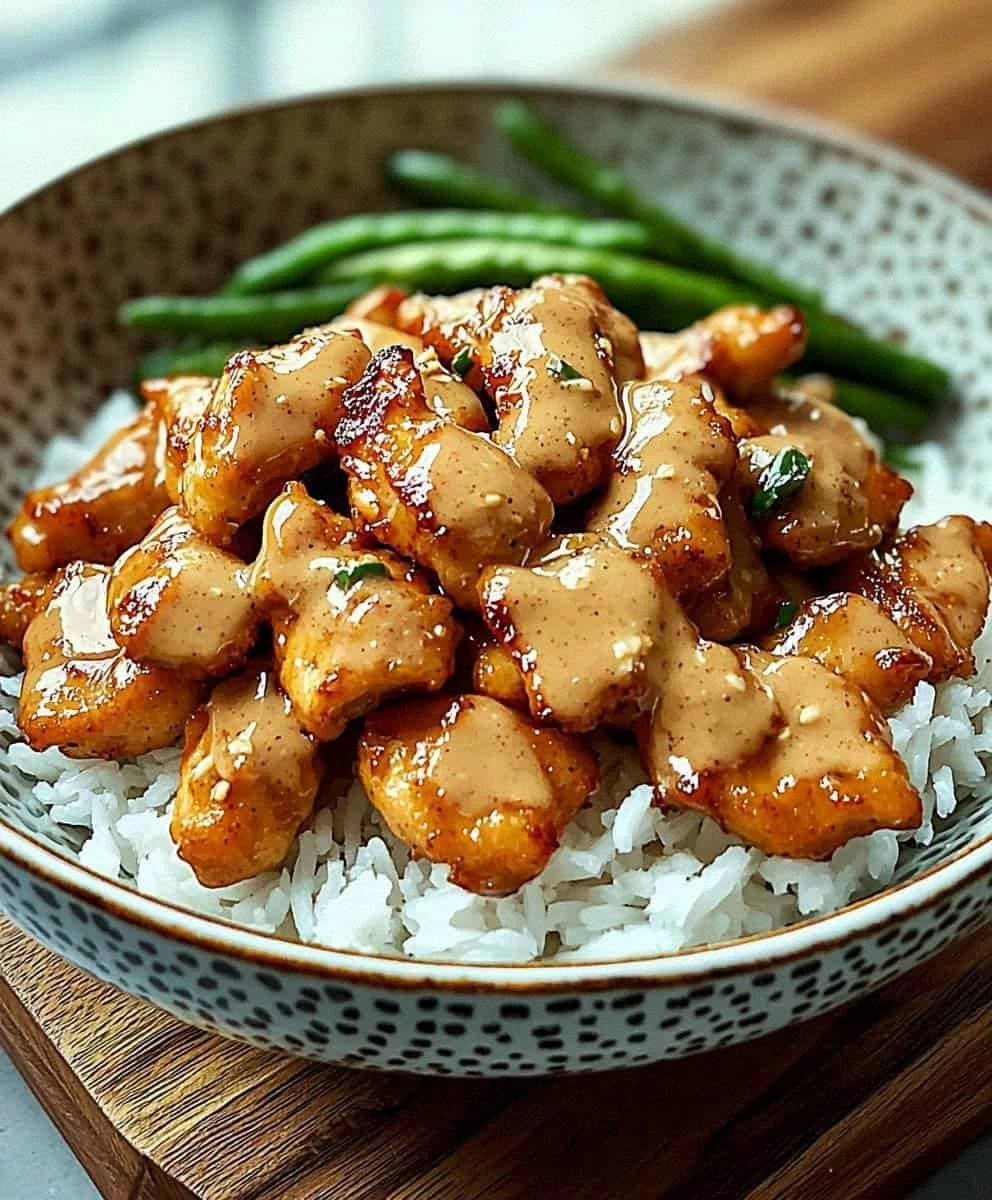
Picture this: the glossy glaze coating each bite like a silk scarf, the bell peppers still crisp enough to snap like fresh twigs, and the snap peas adding that burst of green that makes your teeth sing. The garlic doesn’t just whisper; it shouts, weaving through the sauce with a boldness that makes the sweet chili sauce feel like a perfectly timed drum solo. The heat? Not a blaze that burns, but a gentle, teasing warmth that lingers on the palate like a lingering chord in a favorite song. I dare you to taste this and not go back for seconds—because you’ll be chasing that perfect balance long after the plate is empty.
Most stir‑fry recipes get this completely wrong: they either drown the chicken in sauce, leaving it soggy, or they under‑season, making the dish taste like bland cardboard. I’ve cracked the code by mastering the timing of each component, using just the right amount of oil to get a caramelized edge without greasing the pan, and finishing with a splash of soy that adds depth without overpowering the sweet heat. The secret ingredient? A pinch of pepper added at the very end, which lifts the flavors like a maestro lifting a crescendo.
And now the fun part: I’m going to walk you through every single step—by the end, you’ll wonder how you ever made this dish any other way. Okay, ready for the game‑changer? Let’s dive in and turn your ordinary weeknight dinner into a culinary adventure that feels like a night out on a bustling Asian night market.
What Makes This Version Stand Out
- Flavor Explosion: The sweet chili sauce is balanced with garlic and soy, creating a layered taste that evolves with each bite, from sweet to savory to a gentle heat.
- Texture Symphony: Crisp bell peppers and snap peas provide a satisfying crunch that contrasts with the tender, caramelized chicken strips.
- Simplicity Meets Sophistication: Only nine core ingredients, yet the technique elevates them into a restaurant‑quality dish without any fancy equipment.
- Ingredient Quality: Using boneless, skinless chicken breasts ensures lean protein while still delivering juicy bites when cooked correctly.
- Crowd Reaction: This dish consistently earns “wow” comments at family gatherings, because the sweet‑heat combo is universally loved.
- Make‑Ahead Potential: The sauce can be prepared in advance, and the stir‑fry reheats beautifully, making it perfect for meal‑prep warriors.
- Versatile Base: Serve over rice, noodles, or even cauliflower rice for a low‑carb twist, adapting to any dietary preference.
- Visual Appeal: The rainbow of bell peppers makes the plate Instagram‑ready, turning a simple dinner into a visual feast.
Inside the Ingredient List
The Flavor Base
Garlic is the undisputed hero here. Minced fresh, it releases allicin the moment it hits the hot pan, creating a fragrant foundation that the sweet chili sauce rides on. If you skip the garlic, you’ll notice a flatness that no amount of sauce can fix. A good swap for those who can’t tolerate garlic is a teaspoon of ginger paste, which adds a zingy warmth that pairs beautifully with chili.
Sweet chili sauce is the sweet‑heat conduit that binds everything together. Its viscosity coats each piece of chicken and vegetable like a glossy glaze, ensuring no bite is left naked. Use a brand that lists real chilies and sugar, not a high‑fructose corn syrup concoction, because the latter leaves a cloying aftertaste. If you’re feeling adventurous, add a splash of rice vinegar for a tangy edge that brightens the whole dish.
The Texture Crew
Mixed bell peppers bring a spectrum of colors and a crunch that snaps like fresh twine. Red, yellow, and orange peppers each have subtle flavor differences—red is sweeter, yellow is slightly fruity, and orange offers a bright citrus note. Slice them uniformly, about a quarter‑inch thick, so they cook evenly and retain that satisfying snap.
Snap peas are the secret weapon for that final burst of juiciness. Their natural sweetness amplifies the chili sauce, while their crisp texture prevents the dish from becoming mushy. If snap peas aren’t on hand, substitute with snow peas or even thinly sliced carrots for a similar crunch.
The Unexpected Star
Olive oil might seem ordinary, but it’s the perfect medium‑high heat carrier for this recipe. Its slightly fruity flavor lifts the garlic and chicken, while its high smoke point ensures you get that coveted caramelized edge without smoking up the kitchen. For a more neutral profile, you can swap in grapeseed oil, which also handles high heat beautifully.
Soy sauce adds the umami depth that anchors the sweet notes. Two tablespoons are enough to give a salty backbone without making the dish overly salty. If you’re watching sodium, opt for low‑sodium soy sauce, but remember to taste before adding extra salt.
The Final Flourish
Salt and pepper are the final seasoning touches. A pinch of salt enhances the flavors, while freshly cracked black pepper adds a subtle heat that complements the chili sauce. Don’t over‑salt; the soy sauce already contributes a good amount of sodium.
Cooked rice or noodles are the canvas for this masterpiece. Jasmine rice offers a fragrant base, while rice noodles let the sauce shine through. For a low‑carb option, try cauliflower rice, which soaks up the sauce without stealing the spotlight.
Everything's prepped? Good. Let's get into the real action…
The Method — Step by Step
First, heat a large wok or deep skillet over medium‑high heat until it starts to shimmer. Add 1 tablespoon of olive oil, swirling to coat the surface. When the oil is shimmering but not smoking, drop in the chicken strips in a single layer. Let them sizzle undisturbed for about 2 minutes; you’ll hear a satisfying crackle that tells you a caramelized crust is forming. Flip the pieces and cook another 2‑3 minutes until they’re golden brown and just cooked through. Remove the chicken and set aside, keeping the pan hot for the next step.
Now, add the remaining tablespoon of olive oil to the same pan. Toss in the minced garlic and let it dance for 15‑20 seconds—watch for that golden hue, but be careful not to let it burn, or you’ll end up with a bitter bite.
Kitchen Hack: If your garlic is clumping, add a splash of water to de‑glaze; it will steam the garlic gently and prevent burning.Add the sliced bell peppers and snap peas to the wok. Stir‑fry for 3‑4 minutes, keeping the vegetables moving so they stay bright and crisp. You’re aiming for a texture that’s tender‑yet‑still‑crunchy, not wilted. At this point, the pan should be fragrant with garlic and fresh vegetables, a scent that makes your mouth water before the sauce even arrives.
Time for the magic sauce. Pour in the 1/2 cup sweet chili sauce and the 2 tablespoons soy sauce, stirring quickly to coat every vegetable. The sauce should bubble lightly, thickening as it embraces the veggies. If the sauce looks too thick, add a splash of water or chicken broth to loosen it—remember, you want a glossy coat, not a pool of liquid.
Return the cooked chicken to the pan, spreading it evenly among the veggies. Toss everything together for another 2 minutes, allowing the chicken to re‑absorb the sauce. This is the moment of truth: the chicken should be glossy, the sauce clinging like velvet, and the vegetables still vibrant. Taste and adjust with a pinch of salt and freshly cracked pepper if needed.
While the stir‑fry finishes, quickly reheat your cooked rice or noodles in a separate pot or microwave. If you’re using rice noodles, soak them in hot water for 3‑4 minutes, then drain. The goal is to have a steaming base ready the instant you plate the stir‑fry.
Plate the rice or noodles first, then spoon the chicken and vegetable mixture over the top. Drizzle any remaining sauce from the pan over the dish for extra gloss. Garnish with a sprinkle of chopped green onions or a few sesame seeds if you like a nutty finish.
Serve immediately while the dish is hot and the aromas are at their peak. That sizzle when it hits the pan? Absolute perfection. Sit down, take a bite, and let the flavors explode. I’ll be honest — I ate half the batch before anyone else got to try it, and the only regret was not making a double batch.
That's it — you did it. But hold on, I've got a few more tricks that'll take this to another level…
Insider Tricks for Flawless Results
The Temperature Rule Nobody Follows
Never cook chicken over low heat; you’ll end up with rubbery meat. Crank the heat to medium‑high, and let the pan get hot before the oil even touches the surface. This ensures a quick sear that locks in juices. I once tried a “gentle cook” method and the chicken turned out as tough as shoe leather—lesson learned.
Why Your Nose Knows Best
Your sense of smell is the ultimate doneness gauge. When the garlic turns golden and the sauce starts to bubble, you’re at the perfect moment to add the veggies. If you rely solely on a timer, you’ll miss those subtle cues that separate a good stir‑fry from a great one.
The 5‑Minute Rest That Changes Everything
After you finish cooking, let the stir‑fry sit for five minutes off the heat. This short rest lets the flavors meld, and the sauce thickens just enough to cling perfectly. Skipping this step is like serving a song before the final chord—you feel something is missing.
Sauce Rescue: The Water Splash
If your sauce gets too thick, a quick splash of water (or broth) rescues it without diluting flavor. The water creates steam that keeps the veggies crisp while loosening the glaze. This trick saved me once when I misread the sauce label and added too much.
Seasoning at the End
Add the final pinch of salt and pepper after the sauce has thickened. This prevents over‑seasoning, as the soy sauce already contributes a salty backbone. A light sprinkle at the end ensures each bite is perfectly balanced.
The “One‑Pan” Mindset
Cleaning up is part of the joy of cooking. By using the same pan for chicken, aromatics, veggies, and sauce, you reduce dishes and let the fond (the caramelized bits) enrich the sauce. It’s a win‑win for flavor and cleanup.
Creative Twists and Variations
This recipe is a playground. Here are some of my favorite ways to switch things up:
Spicy Pineapple Punch
Add ½ cup diced pineapple and a teaspoon of sriracha. The pineapple introduces a tropical sweetness that contrasts the chili, while sriracha amps up the heat for those who love a fiery kick.
Coconut Curry Fusion
Swap half the sweet chili sauce for coconut milk and a tablespoon of red curry paste. The result is a creamy, aromatic twist that feels like a Thai‑coconut dream.
Nutty Crunch
Stir in a handful of toasted cashews or peanuts just before serving. The nuts add a buttery crunch that elevates the texture profile and adds a subtle earthiness.
Herb‑Infused Freshness
Finish with a handful of chopped cilantro or Thai basil. The herbaceous notes brighten the dish, making it feel lighter and more summery.
Low‑Carb Zucchini Noodles
Replace rice or noodles with spiralized zucchini. The zucchini noodles soak up the sauce while keeping the carb count low, perfect for a keto‑friendly dinner.
Smoky BBQ Remix
Add a tablespoon of smoked paprika and a drizzle of BBQ sauce. This gives the stir‑fry a smoky depth that pairs wonderfully with the sweet chili base.
Storing and Bringing It Back to Life
Fridge Storage
Cool the stir‑fry to room temperature within two hours, then transfer to an airtight container. It will keep nicely for up to three days. When reheating, add a splash of water or broth and stir‑fry over medium heat until steaming hot; this revives the glossy sauce and prevents drying.
Freezer Friendly
Portion the cooked chicken and veggies (without rice) into freezer‑safe bags. Freeze for up to two months. Thaw overnight in the fridge, then reheat in a hot pan with a tablespoon of oil and a dash of water. The sauce may thicken a bit; simply stir in a little extra sweet chili sauce to restore the sheen.
Best Reheating Method
For the ultimate texture, reheat in a wok or large skillet rather than a microwave. The high heat restores the crispness of the veggies and re‑caramelizes the chicken edges. Add a teaspoon of oil, heat until shimmering, then toss the leftovers for 2‑3 minutes, finishing with a quick splash of sauce.