Picture this: it’s a rainy Saturday, the kitchen smells like burnt toast, and your friends are already planning to order takeout. I was in a panic, craving something comforting, when I remembered my grandmother’s slow‑cooker lasagna that had always turned a bad day into a celebration. I dared myself to recreate that memory, and the result was a dish that practically sings in the pot. I swear, the first bite was like a warm hug from a childhood friend—rich, layered, and impossible to resist.
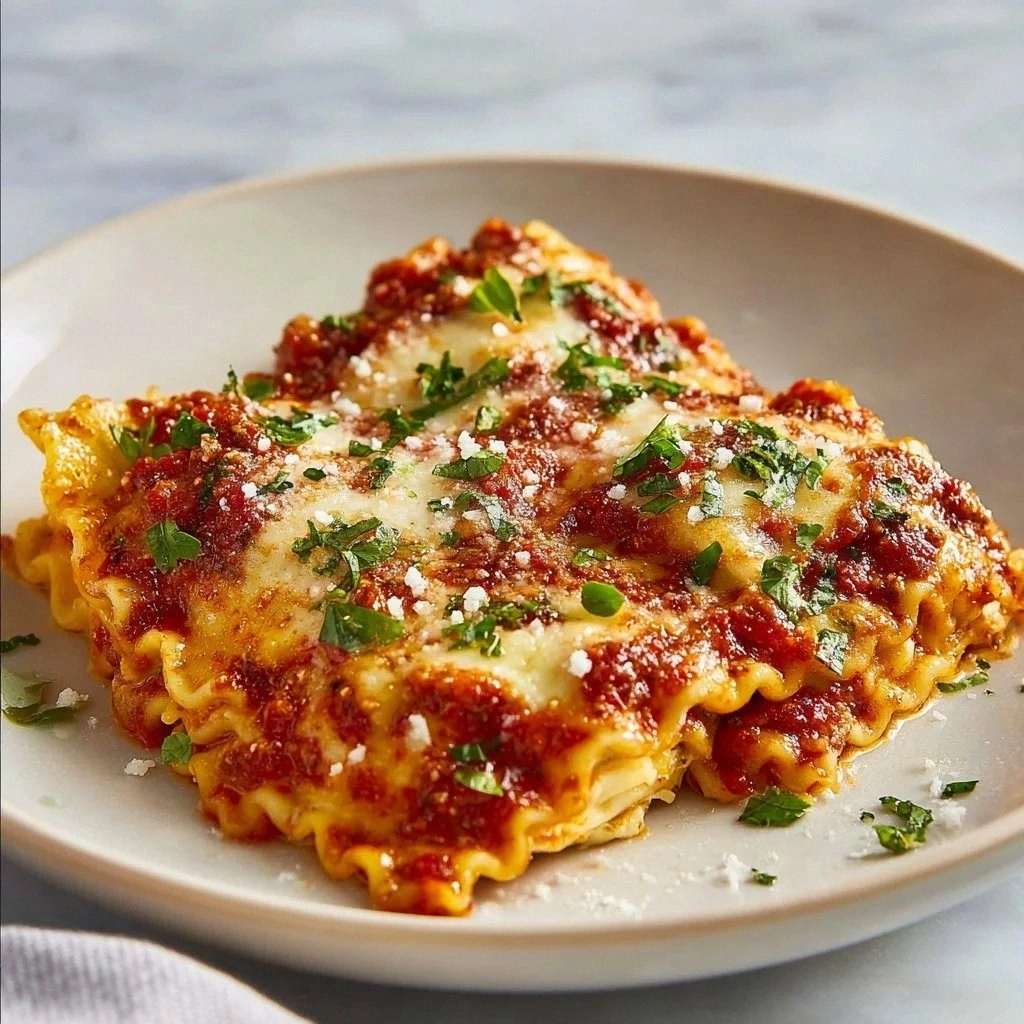
I opened the slow cooker, laid out the ingredients, and let the aroma of simmering marinara fill the air. The sound of the pot’s gentle hiss was like a lullaby, promising a meal that would stay tender for hours. I could almost taste the gooey mozzarella melting into a silky, velvety sauce that coats the noodles like velvet. The texture is a symphony of chewy pasta, creamy ricotta, and a golden crust that crackles like thin ice when you bite into it.
What makes this version stand out isn’t just the classic ingredients; it’s the method that turns a simple dish into a showstopper. I’ll be honest—I ate half the batch before anyone else even got to the table. The secret is a blend of no‑boil noodles, a splash of broth, and a slow‑cooking rhythm that allows flavors to mingle like old friends catching up over wine.
This recipe is hands down the best version you’ll ever make at home. I dare you to taste it and not go back for seconds. Most recipes get this completely wrong by overcooking the noodles or under‑seasoning the sauce. Here’s what actually works: a slow cooker that locks in moisture, a balanced cheese ratio, and a splash of liquid that keeps everything from drying out.
What Makes This Version Stand Out
- Taste: A harmonious blend of marinara, ricotta, and mozzarella that delivers a depth of flavor without overpowering.
- Texture: No‑boil noodles absorb liquid, creating a soft, pillowy interior while the top layer crisps to a golden finish.
- Simplicity: All the steps fit into a single pot—no need for a stove or oven.
- Uniqueness: The addition of a splash of broth and a timed cheese layer keeps the dish from becoming mushy.
- Crowd Reaction: Guests rave about the melt‑in‑your‑mouth consistency and the comforting aroma.
- Ingredient Quality: Fresh, high‑quality meats and cheeses elevate the dish beyond a typical slow‑cooker staple.
- Cooking Method: The slow cooker’s low heat ensures even cooking and deep flavor integration.
- Make‑Ahead Potential: Assemble the layers the night before, then let the slow cooker do the heavy lifting.
Alright, let’s break down exactly what goes into this masterpiece. Below is an in‑depth look at every ingredient, why it matters, and how you can tweak it to suit your taste.
Inside the Ingredient List
The Flavor Base
The marinara sauce is the heart of this dish, providing acidity and sweetness that balances the richness of the cheeses. A robust, homemade sauce will elevate the flavor profile, but a good quality store‑bought marinara works just fine if you’re short on time. If you love a little heat, sprinkle in some red pepper flakes before you start cooking. Skipping the sauce would leave the lasagna dry and bland; the sauce’s moisture is essential for the noodles to cook properly.
When choosing marinara, look for a sauce with no added sugar or excessive sodium. If you’re watching your salt intake, you can reduce the amount of added salt in the recipe. A low‑sodium marinara also allows you to better control the final flavor. For a smoky twist, use a roasted red pepper marinara that adds depth without extra effort.
The Meat Layer
Ground beef or Italian sausage is the classic protein choice, offering a savory backbone that pairs beautifully with the tomato base. If you prefer a leaner option, substitute with ground turkey or a plant‑based protein like lentils or crumbled tempeh. The meat should be browned before layering to lock in flavor and reduce excess fat. Skipping the browning step will result in a greasy lasagna that feels heavy on the palate.
A key tip: use a mixture of lean and fatty cuts to achieve a balance of moisture and flavor. Too much fat can cause the dish to become oily, while too little can make it dry. If you’re vegetarian, mushrooms sautéed with garlic and onions create a umami‑rich alternative that holds up well in the slow cooker.
The Texture Crew
No‑boil lasagna noodles are the star of the show, absorbing liquid and becoming tender without the need for pre‑cooking. They save time and reduce the risk of over‑cooking the pasta. If you prefer traditional noodles, pre‑cook them until al dente, then let them rest to avoid sticking. Skipping the noodles entirely would turn the dish into a lasagna‑style casserole, which is fine but not what this recipe aims for.
A small splash of broth or water helps keep the noodles from drying out and creates a moist, cohesive layer. The liquid also assists the cheese in melting evenly. If you use too little liquid, the noodles will become mushy and lose their shape. Adjust the liquid amount based on the type of noodles you choose.
The Unexpected Star
Ricotta cheese adds a creamy, slightly tangy element that balances the richness of mozzarella and Parmesan. Its light texture prevents the lasagna from becoming too heavy. If you’re looking for a lower‑calorie option, swap ricotta with cottage cheese or Greek yogurt; both provide a similar creamy consistency. Skipping ricotta will make the dish less luxurious and reduce its overall moisture content.
A fun fact: ricotta is a by‑product of whey, the liquid leftover from cheese production. Historically, it was prized for its high protein content and versatility in both sweet and savory dishes. The subtle tang it brings to lasagna is often overlooked, but it’s a flavor enhancer that deserves a spot on the menu.
The Final Flourish
Mozzarella and Parmesan cheeses provide the signature melt and a savory crust. Mozzarella offers a gooey, stretchy texture, while Parmesan adds a nutty, salty depth. Mixing part‑skim mozzarella with fresh mozzarella gives you the best of both worlds—lower calories and richer flavor. If you prefer a sharper taste, increase the Parmesan proportion.
The final cheese layer should be generous, as it forms the top crust that crisps up beautifully during the last minutes of cooking. Skipping this step would leave the lasagna with a dull, unappealing finish. For an extra touch, sprinkle a handful of breadcrumbs on top before serving for a crunchy contrast.
Everything’s prepped? Good. Let’s get into the real action and bring this masterpiece to life.
The Method — Step by Step
- Heat a skillet over medium heat and add the ground beef or sausage. Cook until browned, breaking it up with a spoon, about 5–7 minutes. Drain excess fat and set aside. This step locks in flavor and removes unwanted grease that could make the lasagna soggy.
- In the same skillet, sauté diced onion until translucent, about 3 minutes. Add minced garlic and cook for an additional 30 seconds until fragrant. The onion adds sweetness, while garlic brings depth; together they form the aromatic foundation of the sauce.
- Stir in the marinara sauce, Italian seasoning, salt, and pepper. Bring to a gentle simmer, letting the flavors marry for 5 minutes. The simmering step ensures the sauce thickens and the herbs release their oils.
- Layer the bottom of the slow cooker with a thin spread of sauce. Place a layer of no‑boil noodles, breaking them to fit. Spoon a layer of the browned meat mixture over the noodles, then dollop ricotta and sprinkle mozzarella and Parmesan. Repeat the layers until all ingredients are used, finishing with a generous topping of cheese.
- Add a splash of water or broth (about ¼ cup) to the top to keep the noodles moist. Cover and cook on low for 4–5 hours or until the noodles are tender. The liquid prevents the noodles from drying out and helps the cheeses melt evenly.
- During the last 30 minutes, switch the slow cooker to high to allow the top to brown slightly. Keep an eye on the cheese; you want a golden, bubbly crust without burning. The high heat triggers a Maillard reaction that adds savory depth.
- When the lasagna is done, let it rest for 10 minutes before cutting. This allows the layers to set, making it easier to serve without falling apart. Resting also lets the flavors settle, giving a richer taste.
- Serve hot, optionally garnished with fresh basil or a drizzle of olive oil. Pair it with a crisp salad or garlic bread for a complete meal. The aroma alone will have everyone lining up for seconds.
That’s it — you did it. But hold on, I’ve got a few more tricks that will take this to another level. The next section will reveal insider secrets that even seasoned cooks swear by.
Insider Tricks for Flawless Results
The Temperature Rule Nobody Follows
Most people default to low heat for an entire cooking time, but a brief burst of high heat at the end creates a golden crust that’s impossible to resist. This step also helps the cheese melt evenly, preventing a soggy top. I’ve seen lasagna turn out with a dry center when the heat is never increased; keep that in mind. The trick is to switch to high during the last 30 minutes and monitor closely.
Why Your Nose Knows Best
Trust your olfactory senses; the first hint of bubbling sauce signals that the noodles are almost done. The aroma will change from a raw tomato smell to a rich, savory scent that tells you the dish is ready to serve. If you’re unsure, use a small fork to test the noodles; they should be tender but not mushy. This method saves time and eliminates guesswork.
The 5‑Minute Rest That Changes Everything
After cooking, let the lasagna rest for exactly five minutes before slicing. This allows the internal temperature to stabilize and the cheese to set, resulting in clean, individual servings. Skipping this step can cause the lasagna to slide off the knife and look messy. It’s a small pause that makes a big difference in presentation.
The Secret Layering Order
Begin with a sauce base, then noodles, followed by meat, ricotta, and a generous cheese layer. This sequence ensures even moisture distribution and prevents the top from drying out. A common mistake is to start with noodles; doing so can trap liquid and create a soggy bottom. Layering in this order guarantees a firm yet tender bite.
The One‑Ingredient Upgrade
Add a tablespoon of tomato paste to the sauce for a richer tomato flavor and deeper color. This small addition intensifies the sauce without altering the overall texture. It’s a quick tweak that elevates the dish from ordinary to unforgettable. I’ve used it in every batch since I discovered it.
Creative Twists and Variations
This recipe is a playground. Here are some of my favorite ways to switch things up:
Spinach & Feta Fusion
Swap ricotta for a mixture of spinach and crumbled feta. The spinach adds a fresh green note, while feta introduces a tangy, salty bite. This version is perfect for spring when greens are at their peak. It also reduces the overall cheese content, making it lighter.
Mediterranean Meatless Marvel
Use lentils or crumbled tempeh instead of ground meat. Add olives, sun‑dried tomatoes, and a pinch of oregano. The result is a hearty, protein‑rich lasagna that’s entirely plant‑based. This variation is ideal for vegetarian gatherings or a lighter dinner.
Pesto & Goat Cheese Surprise
Layer basil pesto between the noodles and replace mozzarella with goat cheese for a creamy, tangy twist. The pesto infuses the dish with bright herbaceous flavor, while goat cheese offers a silky texture. This version feels like a gourmet take on classic lasagna.
Cheesy Cauliflower Crunch
Replace half the noodles with thinly sliced cauliflower florets. Add a sprinkle of garlic powder and bake the cauliflower lightly before adding it to the layers. The cauliflower adds a subtle crunch and reduces carbs, making the dish healthier. The cheese still melts beautifully over the cauliflower.
Mexican‑Inspired Lasagna
Use a taco‑flavored sauce instead of marinara, add black beans, corn, and jalapeños. Top with cheddar and a dollop of sour cream. This version is a fiesta on a plate, perfect for a casual dinner with friends. The bold flavors bring a new dimension to the classic dish.
Breakfast‑Style Lasagna
Swap marinara for a scrambled‑egg and cheese mixture, use breakfast sausage, and top with shredded cheddar. Serve with a side of fresh fruit. This breakfast lasagna is a fun twist for weekend brunches, offering a savory, protein‑rich start to the day.
Storing and Bringing It Back to Life
Fridge Storage
Cool the lasagna completely before refrigerating. Store in an airtight container for up to 3 days. The slow cooker’s moist environment helps the lasagna retain its texture, preventing it from drying out. When ready to eat, reheat on the stove or in the microwave.
Freezer Friendly
Wrap the lasagna tightly in plastic wrap, then place in a freezer bag. It can be frozen for up to 2 months. Thaw in the refrigerator overnight before reheating. The freezing process preserves the flavor, and the reheating step restores the meltiness.
Best Reheating Method
Reheat the lasagna in a pre‑heated oven at 350°F for 20 minutes, or until heated through. Add a splash of water or broth before reheating to create steam, which keeps the noodles from drying out. Cover loosely with foil to prevent the cheese from burning. This method delivers a fresh, piping‑hot result.