I’ll be honest — I ate half the batch before anyone else got to try it, and that was only because I was terrified that the oven would betray me. It all started on a rainy Tuesday when I tried to impress a friend with a quick side dish, but the pan I grabbed was too small and the zucchini turned into soggy mush. I stared at the limp vegetables, heard the clock ticking, and thought, “I dare you to taste this and not go back for seconds.” That moment sparked a fire under my skillet, and after a few frantic experiments, I finally nailed a version that makes the kitchen smell like a Mediterranean garden in full bloom. This is hands down the best version you’ll ever make at home, and it only takes 45 minutes from start to finish.
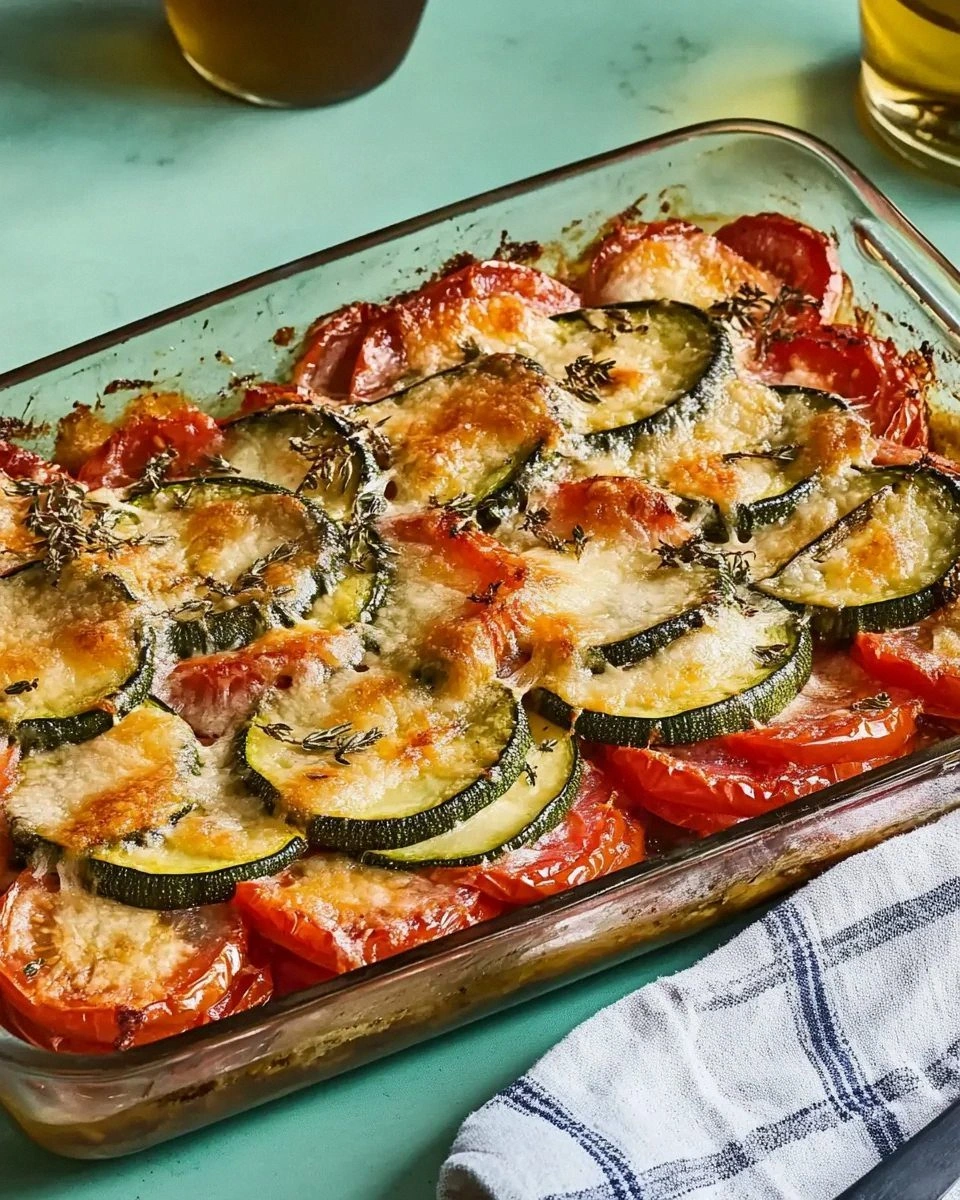
Picture yourself pulling this out of the oven, the whole kitchen smelling incredible, the cheese bubbling like a golden sunrise, and the edges crisping to a perfect, caramelized crunch. The first bite is a symphony of sweet tomato acidity, buttery zucchini, and a salty, nutty finish from the Parmesan that lingers on the palate like a lingering applause. Most recipes get this completely wrong by either over‑cooking the zucchini or drowning the dish in sauce, but I’ve discovered the sweet spot where the vegetables stay firm yet tender, and the cheese forms a glorious crust without turning rubbery. The secret? A quick sauté of garlic in olive oil that infuses the base with aromatic depth, and a strategic layering technique that ensures every bite gets a little bit of everything.
What truly sets this gratin apart is the balance between simplicity and sophistication. You don’t need a culinary degree, a sous‑vide machine, or a pantry full of exotic spices to achieve restaurant‑quality results. All you need is a sharp knife, a sturdy baking dish, and the confidence to trust your instincts when the cheese starts to brown just right. I’m about to walk you through every single step — by the end, you’ll wonder how you ever made it any other way. Okay, ready for the game‑changer?
What Makes This Version Stand Out
- Flavor Fusion: The marriage of sweet, sun‑kissed tomatoes with buttery zucchini creates a taste that feels both familiar and exciting, like a summer romance you never saw coming.
- Texture Triumph: You get a tender interior that yields to the fork, while the top forms a crisp, golden crust that shatters like thin ice when you dig in.
- Simplicity Supreme: Fewer than ten ingredients, no fancy equipment, and a single‑pan approach keep the prep line sleek and stress‑free.
- Ingredient Integrity: Fresh, high‑quality produce shines through; the dish never relies on hidden additives or processed sauces.
- Crowd‑Pleaser Factor: Even the pickiest eaters are drawn in by the melty mozzarella and the aromatic basil that finishes the dish with a pop of green.
- Make‑Ahead Magic: Assemble the night before, pop it in the oven when you get home, and you have a hot, comforting side ready in minutes.
- Versatile Vessel: Works equally well in a cast‑iron skillet, a glass baking dish, or even a ceramic casserole — whatever you have on hand.
- Seasonal Flexibility: While it shines in summer, you can swap in roasted butternut squash for a cozy autumn twist without losing the core appeal.
Inside the Ingredient List
The Flavor Base
Olive oil – 2 tablespoons. This isn’t just a cooking medium; it’s the carrier of flavor that coats the garlic and vegetables, creating a glossy foundation. If you swap it for butter, you’ll get a richer taste but lose that bright, Mediterranean note that makes the dish sing. Look for extra‑virgin olive oil with a peppery finish for the most aromatic result.
The Texture Crew
Zucchini. The star of the show, zucchini brings a subtle sweetness and a delicate bite that holds up under heat. Choose firm, medium‑sized zucchinis with glossy skin; avoid those with blemishes or soft spots, as they’ll release too much water. If you can’t find fresh zucchini, frozen works in a pinch but be sure to thaw and pat dry thoroughly.
Garlic. A single clove, minced fine, infuses the oil with a pungent, savory depth that underpins the entire gratin. Too much garlic can dominate, so stick to the modest amount unless you’re a true garlickophile. Freshly minced garlic releases allicin, the compound responsible for that characteristic bite.
The Unexpected Star
Mozzarella cheese. Its meltability creates that gooey, stretchy pull that makes every forkful feel indulgent. Opt for low‑moisture mozzarella; it browns better and doesn’t water down the dish. If you love a stringier texture, a blend of fresh mozzarella and provolone adds an extra layer of complexity.
Tomatoes. Ripe, juicy tomatoes provide acidity that cuts through the richness of the cheese, balancing the flavor profile. Plum tomatoes are ideal because they have less water than beefsteak varieties. When in season, you’ll notice a brighter, sweeter flavor that can’t be replicated with canned alternatives.
The Final Flourish
Parmesan cheese. A generous sprinkle of grated Parm adds a nutty, umami punch that caramelizes at the edges, creating those coveted crispy shards. Freshly grated Parmesan releases more aroma than pre‑grated packets, which often contain anti‑caking agents.
Fresh basil. Torn just before serving, the basil injects a herbaceous perfume that lifts the entire dish. Choose bright green leaves without brown spots; a quick rinse and gentle pat‑dry preserves its flavor.
Salt – To Taste and Freshly ground black pepper – To Taste. These seasonings are the silent architects of flavor, enhancing each component without stealing the spotlight. Season in layers: a pinch in the sauté, a dash on the vegetables, and a final grind before serving.
Everything's prepped? Good. Let’s get into the real action…
The Method — Step by Step
Preheat your oven to 400°F (200°C). While the oven warms, line a large baking dish with parchment or lightly oil it; this prevents sticking and makes cleanup a breeze. The heat will be intense enough to create that golden crust we all crave, but not so fierce that the vegetables burn before they soften. That sizzle when the oil hits the pan? Absolute perfection. Let’s get the stage set.
Slice the zucchini lengthwise into ¼‑inch rounds. Keep the slices uniform; uneven pieces cook at different rates and you’ll end up with a patchy texture. After slicing, sprinkle lightly with salt and let them rest on a paper towel for five minutes to draw out excess moisture.
Kitchen Hack: Pat the zucchini dry with a clean kitchen towel after the salt rest; this step alone keeps the bottom from turning soggy.Core and slice the tomatoes into ¼‑inch thick rounds as well. If you’re using plum tomatoes, you’ll notice less juice, which means a dryer, crisper gratin. For larger beefsteak tomatoes, consider removing the seeds to avoid excess liquid. Remember, the goal is a harmonious bite, not a watery mess.
Heat a large skillet over medium heat and add the 2 tablespoons of olive oil. Toss in the minced garlic and sauté for about 30 seconds, just until it turns fragrant and lightly golden. Don’t let it brown too much or it’ll turn bitter. This is the moment where the aromatics start doing their magic, coating the pan like a silky veil.
Begin layering: start with a thin layer of sliced zucchini at the bottom of the dish, followed by a row of tomato slices, then sprinkle a handful of shredded mozzarella and a dusting of Parmesan. Repeat the layers until you’ve used all the vegetables, finishing with a generous blanket of cheese on top. The layering ensures every bite gets a bit of both vegetables and cheese, creating a balanced flavor explosion.
Drizzle a little more olive oil over the top, then season generously with salt and freshly ground black pepper. Toss a few torn basil leaves over the surface for a burst of fresh green aroma.
Watch Out: If you add too much basil before baking, it can burn and turn bitter; add most of it after the gratin is out of the oven.Slide the dish into the preheated oven and bake for 25‑30 minutes, or until the cheese is bubbling and the edges are pulling away from the sides of the dish. Around the 20‑minute mark, rotate the dish for even browning. You’ll know it’s ready when the top is a deep golden‑brown and you can see the cheese forming crispy shards that crackle under the fork.
Remove the gratin from the oven and let it rest for 5‑7 minutes. This resting period allows the juices to settle, preventing a soggy bottom when you cut into it. While it rests, give the remaining basil a quick toss with a drizzle of olive oil and sprinkle it over the top for a fresh finish.
Serve hot, straight from the dish, or let it cool slightly for a sliceable, firm texture. Pair with a crisp white wine or a simple green salad, and watch as guests line up for seconds. I dare you to taste this and not go back for seconds — it’s that good.
That's it — you did it. But hold on, I've got a few more tricks that'll take this to another level...
Insider Tricks for Flawless Results
The Temperature Rule Nobody Follows
Most home cooks set the oven to 350°F and hope for the best, but a hotter 400°F blast creates a caramelized crust faster, sealing in moisture. The high heat also encourages the Maillard reaction, giving the cheese those beautiful, nutty notes. If you’re using a convection oven, you can drop the temperature by 25°F and still achieve the same effect.
Why Your Nose Knows Best
When the cheese starts to turn a deep amber and you catch that nutty aroma, you’re at the perfect finish line. Trust your sense of smell more than the timer; ovens vary, and the visual cue of bubbling cheese is a reliable indicator. If you’re unsure, lift the dish briefly to check the color — it should be a rich, golden hue, not burnt.
The 5‑Minute Rest That Changes Everything
Allowing the gratin to rest after baking lets the juices redistribute, preventing a watery bottom and giving you clean, defined slices. This short pause also lets the cheese set slightly, making it easier to serve without the top collapsing. Skipping this step is a common mistake that leads to a sloppy presentation.
Layer Like a Pro
Instead of dumping all the vegetables in one chaotic heap, alternate layers of zucchini and tomato. This not only looks prettier but ensures even cooking; each slice gets a touch of oil and cheese, resulting in uniform flavor. A friend once tried a single‑layer approach and ended up with soggy spots — lesson learned.
Basil Timing
Add most of the basil after baking; the heat will wilt it just enough to release its aroma without turning it black. A small amount can be tossed in before baking for a subtle infusion, but the majority should be fresh on top for that bright pop.
Creative Twists and Variations
This recipe is a playground. Here are some of my favorite ways to switch things up:
Mediterranean Medley
Swap half the mozzarella for crumbled feta and sprinkle a handful of Kalamata olives between the layers. The salty feta adds a briny contrast that pairs beautifully with the sweet tomatoes, creating a dish that feels like a Greek island sunset.
Spicy Kick
Add a pinch of red pepper flakes to the garlic oil, and incorporate thin slices of jalapeño between the vegetable layers. The heat builds gradually, giving each bite a gentle sting that’s balanced by the cooling effect of the cheese.
Herb Garden
Introduce fresh thyme and oregano along with the basil for an herbaceous explosion. These woody herbs complement the zucchini’s mild flavor and add depth without overwhelming the palate.
Cheesy Double‑Deck
Layer a thin sheet of ricotta mixed with a drizzle of lemon zest between the zucchini and tomato layers. The ricotta adds a creamy, tangy layer that lifts the dish into a more decadent territory.
Autumn Harvest
Replace the tomatoes with roasted butternut squash cubes and add a pinch of nutmeg. The sweet, earthy flavor of squash pairs wonderfully with the cheese, turning this summer classic into a cozy fall comfort.
Storing and Bringing It Back to Life
Fridge Storage
Cool the gratin completely, then cover tightly with foil or a reusable lid. It will keep fresh for up to 3 days. Reheat individual slices in the microwave for 1‑2 minutes, or place the whole dish in a 350°F oven for 10‑12 minutes.
Freezer Friendly
Portion the cooled gratin into freezer‑safe containers, leaving a small gap for expansion. It freezes well for up to 2 months. When ready to enjoy, thaw overnight in the fridge, then bake at 375°F for 20‑25 minutes until heated through and the cheese re‑bubbles.
Best Reheating Method
Add a tiny splash of water (about a tablespoon) around the edges before reheating; this creates a gentle steam that revives the vegetables without drying them out. Cover loosely with foil for the first half of reheating, then uncover to restore the crispy top.