I was standing in my kitchen, half‑heartedly scrolling through a dozen chicken recipes, when a friend dared me to make something that would “make the whole house smell like a cozy Italian bistro.” I laughed, tossed a jar of pepperoncini on the counter, and thought, “Challenge accepted.” The next hour turned into a symphony of sizzling butter, the sharp snap of onions, and the buttery whisper of heavy cream meeting a splash of chicken stock. That first whiff? It was like a warm hug from a nonna who just pulled a fresh batch of sauce from the stove.
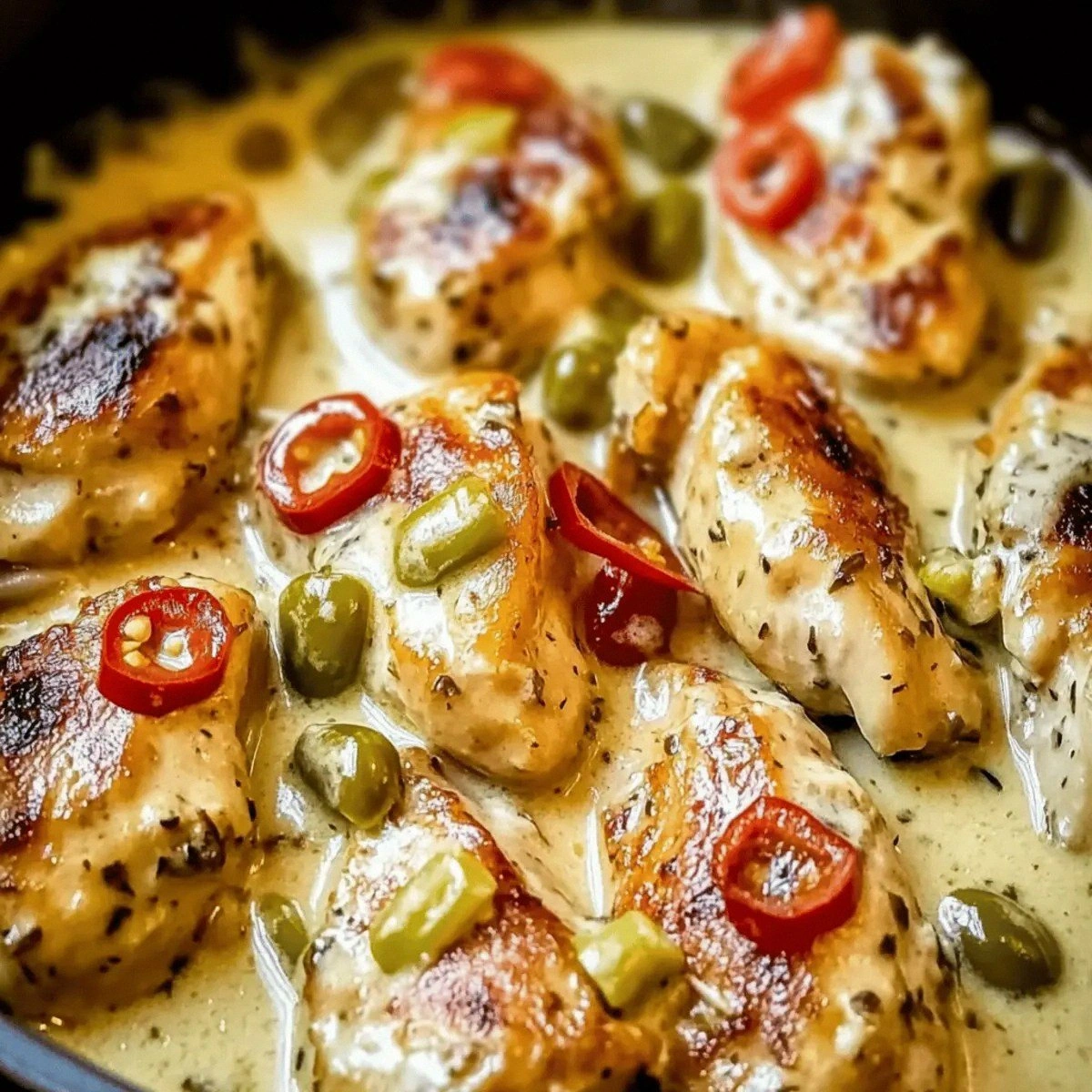
Imagine the scene: a skillet humming on medium‑high, the chicken strips turning golden, the pepperoncini peppers lounging in a creamy pool that looks like liquid sunshine. The sound of the sauce thickening is a gentle, steady bubbling that tells you everything is going right, while the aroma drifts through the kitchen, coaxing every passerby to peek inside. I dare you to taste this and not go back for seconds because the balance of tangy pepperoncini, sweet roasted red pepper, and a velvety Parmesan finish is nothing short of addictive. Most recipes get this completely wrong. Here’s what actually works.
Why does this version stand out? First, I swapped the usual heavy cream‑only base for a combo of chicken stock and cream, giving the sauce a silky depth without drowning the chicken’s natural juices. Second, the pepperoncini isn’t just a garnish – it’s the star that adds that bright, briny pop that cuts through the richness like a perfectly timed joke. And the best part? You only need one skillet, so cleanup is a breeze, and you can serve it straight over pasta, rice, or even a bed of sautéed greens. I’ll be honest — I ate half the batch before anyone else got to try it, and that’s a testament to how irresistible it is.
Okay, ready for the game‑changer? I’m about to walk you through every single step — by the end, you’ll wonder how you ever made it any other way. The secret weapon? A tiny splash of chicken stock that prevents the cream from curdling, plus a quick deglaze that lifts every caramelized crumb from the pan, turning them into flavor fireworks. Stay with me here — this is worth it.
What Makes This Version Stand Out
- Flavor Explosion: The pepperoncini delivers a tangy zip that dances with the sweet roasted red pepper, creating a sauce that sings louder than a choir of angels.
- Creamy Texture: The blend of heavy cream and chicken stock creates a coating that clings to the chicken like velvet, ensuring each bite is luxuriously smooth.
- One‑Pan Simplicity: No extra pots, no juggling. Everything happens in a single skillet, making cleanup faster than a sprint to the fridge.
- Bold Visuals: The speckles of red pepper and the glossy pink of pepperoncini make the dish look as good as it tastes, perfect for Instagram bragging rights.
- Crowd‑Pleaser: Even picky eaters fall in love because the heat is gentle, the tang is bright, and the cheese adds a comforting familiarity.
- Ingredient Quality: Using real butter and freshly shredded Parmesan elevates the dish from “okay” to “wow” without adding complexity.
- Make‑Ahead Potential: The sauce actually deepens in flavor after a short rest, so you can prep ahead and reheat for a flawless dinner.
- Versatile Base: Swap the chicken for pork or tofu, and you have a whole new meal that still carries the same comforting sauce.
Inside the Ingredient List
The Flavor Base
Butter is your aromatic foundation. The moment it melts, it creates a glossy surface that helps the chicken develop that coveted golden crust. If you skip the butter and use oil instead, you’ll lose that buttery depth and the sauce won’t have that buttery sheen. For a dairy‑free twist, try ghee – it offers the same nutty richness without the milk solids.
White onion, diced finely, releases sugars as it sweats, turning the skillet into a sweet‑savory playground. The onion’s natural moisture helps prevent the chicken from sticking, and its mellow flavor balances the pepperoncini’s bite. If you’re out of onions, a shallot works beautifully, though it adds a slightly sharper note.
Garlic, diced, is the aromatic sidekick that brings a warm, earthy undertone. Freshly minced garlic releases allicin, which not only tastes great but also adds a subtle health boost. Avoid pre‑minced jarred garlic if you can; the flavor can be muted and the texture a bit mushy.
The Texture Crew
Chicken strips, cut into uniform pieces, ensure even cooking and a consistent bite. Using boneless, skinless chicken thighs adds extra juiciness, but I prefer breast for its lean profile. If you buy frozen strips, thaw them completely and pat dry, otherwise you’ll end up steaming rather than searing.
Heavy cream is the luxurious element that transforms the sauce from runny to decadently thick. It coats each chicken strip like a silk scarf, making every mouthful feel indulgent. For a lighter version, substitute half-and-half, but expect a slightly thinner sauce.
Parmesan cheese, shredded, adds a salty, nutty finish that deepens the umami. Freshly grated cheese melts more smoothly than pre‑grated, which often contains anti‑caking agents that can grain the sauce. If you’re out of Parmesan, Pecorino Romano offers a sharper edge.
The Unexpected Star
Pepperoncini peppers, drained and tossed in at the end, bring a briny tang that cuts through the richness like a bright chorus in a mellow ballad. Their mild heat is perfect for most palates, but if you crave more kick, slice a few jalapeños alongside them. Skipping the pepperoncini means losing that signature zing that makes this dish unforgettable.
Roasted red peppers, drained and sliced, contribute a sweet, smoky depth that rounds out the pepperoncini’s acidity. Their natural sugars caramelize quickly, adding subtle caramel notes to the sauce. If fresh roasted peppers aren’t on hand, a good quality jarred version works just as well.
The Final Flourish
Italian seasoning is a blend of dried herbs like oregano, basil, and thyme that ties the entire flavor profile together. It’s the invisible hand that guides the dish toward Mediterranean comfort. Feel free to add a pinch of smoked paprika for an extra layer of complexity.
Chicken stock, half a cup, is the secret liquid that prevents the cream from curdling and adds a savory backbone. Using low‑sodium stock lets you control the salt level more precisely. If you’re out of stock, a splash of white wine followed by water works in a pinch.
Everything's prepped? Good. Let’s get into the real action…
The Method — Step by Step
Heat a large skillet over medium‑high heat and melt the 2 tbsp of butter until it foams and turns a light golden color. The moment the butter hits the pan, you’ll hear that satisfying sizzle that says “we’re about to build flavor.” Add the diced white onion and let it sweat for about 3‑4 minutes, stirring occasionally until it becomes translucent and starts to caramelize at the edges. This is the foundation; if the onions burn, the whole sauce will carry a bitter note, so keep the heat steady.
Throw in the diced garlic and let it cook for just 30 seconds – you’ll notice the aroma turning sharp and inviting, a quick reminder that garlic doesn’t like to sit too long or it’ll turn bitter. Then, increase the heat slightly and add the chicken strips in a single layer, making sure not to crowd the pan. You should hear a confident sear; the chicken will develop a golden crust that locks in juices. Cook for 4‑5 minutes, stirring once, until the pieces are nicely browned on all sides but not fully cooked through.
Season the chicken and onions with 1 tsp sea salt and 1 tsp ground pepper, sprinkling the Italian seasoning over the top. This is where the magic starts to happen – the herbs begin to release their essential oils, perfuming the entire skillet. Power transition: Okay, ready for the game‑changer? Now we’ll deglaze the pan to capture every caramelized crumb.
Kitchen Hack: After adding the stock, scrape the bottom of the pan with a wooden spoon to lift the fond – those brown bits are flavor gold.Pour in 0.5 cup chicken stock, letting it bubble and steam as it loosens the browned bits. Let the mixture reduce by about half, which should take 2‑3 minutes. The reduction concentrates the savory notes and prepares the skillet for the cream without risking curdling.
Reduce the heat to medium‑low and stir in 1 cup heavy cream, watching the sauce thicken slowly. This is the trickiest step: if the heat is too high, the cream can separate, leaving a grainy texture.
Keep stirring gently; you’ll see the sauce coat the back of a spoon, a perfect sign that it’s ready for the next layer.Watch Out: Do not let the sauce come to a rapid boil after adding the cream, or you’ll lose the silky texture.Stir in the sliced roasted red pepper, 0.5 cup shredded Parmesan, and 1 tbsp Italian seasoning. The cheese will melt into the cream, adding a salty depth that makes the sauce almost glossy. Let everything simmer for another 2 minutes, allowing the flavors to marry. At this point, the chicken should be fully cooked, and the sauce will have a luscious consistency that clings to each piece like a velvety blanket.
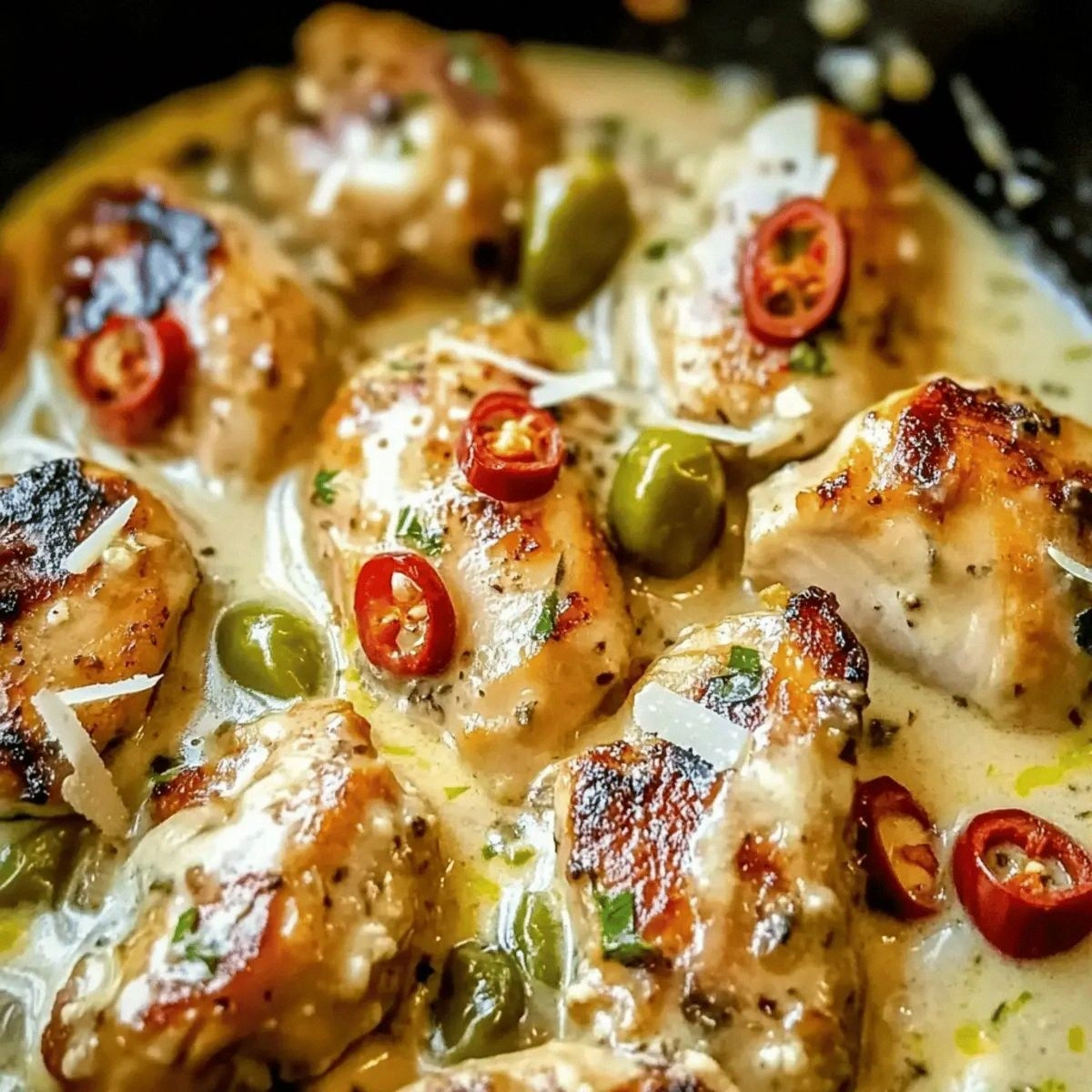
Kitchen Hack: Toss the pepperoncini in at the very end and give a quick stir – this keeps their bright crunch intact.Finally, add the 0.5 cup drained pepperoncini peppers, stirring just enough to distribute them without breaking them apart. The pepperoncini should retain a slight snap, offering a contrast to the creamy sauce. Taste and adjust seasoning if needed – a pinch more sea salt or a dash of black pepper can elevate the dish. Once satisfied, remove the skillet from the heat and let it rest for a minute; this brief rest allows the sauce to thicken just a touch more.
Serve the skillet hot, spooning generous amounts of sauce over your choice of pasta, rice, or a bed of sautéed greens. The sauce will coat everything like a luxurious veil, and the pepperoncini will provide that signature pop that makes every bite exciting. And now the fun part: garnish with an extra sprinkle of Parmesan and a few fresh basil leaves for color. Picture yourself pulling this out of the pan, the whole kitchen smelling incredible, and everyone reaching for seconds.
That's it — you did it. But hold on, I've got a few more tricks that'll take this to another level...
Insider Tricks for Flawless Results
The Temperature Rule Nobody Follows
Keep the heat moderate when you add the cream. A sudden high flame can cause the dairy to separate, leaving a curdled mess. I always start at medium‑low and only raise the temperature if the sauce needs a quick thickening push. A gentle simmer is your best friend here, ensuring the sauce stays smooth and glossy.
Why Your Nose Knows Best
Your sense of smell is a more reliable indicator than a timer when the onions are ready. When they start to smell sweet and slightly caramel, you know the base is perfect. Trust that nose cue; it prevents over‑cooking and keeps the flavor bright.
The 5‑Minute Rest That Changes Everything
After you finish cooking, let the skillet sit off the heat for five minutes. This short rest allows the sauce to thicken naturally and the flavors to meld. A friend once skipped this step and complained the sauce was “watery” – lesson learned!
Pepperoncini Timing
Add the pepperoncini at the very end, just before serving. If you toss them in too early, they’ll lose their crunch and become soggy, stealing the textural contrast that makes the dish special. A quick stir at the end preserves that bright bite.
The Ultimate Cheese Melt
Grate Parmesan yourself rather than using pre‑grated. Freshly grated cheese melts uniformly, creating a silkier sauce. If you want extra richness, stir in a tablespoon of cream cheese right after the Parmesan; it adds a subtle tang without overpowering the pepperoncini.
Creative Twists and Variations
This recipe is a playground. Here are some of my favorite ways to switch things up:
Spicy Sriracha Swirl
Add a tablespoon of sriracha to the cream for a subtle heat that complements the pepperoncini. The sauce takes on a reddish hue and a lingering warmth, perfect for those who love a bit of kick.
Mushroom Medley
Sauté a cup of sliced cremini or shiitake mushrooms with the onions. The earthy mushrooms absorb the sauce, adding depth and a meaty texture that’s great for vegetarians who still crave protein.
Tuscan Sun-Dried Tomato
Replace the roasted red pepper with an equal amount of chopped sun‑dried tomatoes. The tangy, concentrated flavor gives the dish a Mediterranean twist that pairs beautifully with fresh basil.
Pasta Fusion
Instead of serving over rice, toss the skillet contents with cooked penne or farfalle. The sauce clings to the pasta grooves, making each forkful a creamy, peppery delight.
Herb‑Infused Finish
Stir in a handful of fresh chopped parsley or oregano just before plating. The herbaceous burst adds a fresh contrast to the rich sauce and brightens the visual appeal.
Storing and Bringing It Back to Life
Fridge Storage
Let the skillet cool to room temperature, then transfer to an airtight container. It will keep for up to 4 days. When reheating, add a splash of chicken stock or water and warm gently over low heat, stirring until the sauce regains its silky sheen.
Freezer Friendly
Portion the cooked chicken and sauce into freezer‑safe bags or containers. Freeze for up to 3 months. To reheat, thaw overnight in the fridge, then warm in a skillet over medium heat, adding a bit of water or stock to loosen the sauce.
Best Reheating Method
The secret to a perfect reheated sauce is gentle heat and a splash of liquid. Place the leftovers in a saucepan, add 2‑3 tbsp of water or stock, and stir over low‑medium heat until steaming hot. This steam‑back technique restores the original creaminess without turning the sauce grainy.