I was standing in my kitchen, staring at a pile of raw beef short ribs, when the alarm on my phone blared a reminder: “Dinner is ready.” I had promised myself a simple Sunday roast, but the reality was a chaotic mess of overcooked ribs and a pot of burnt onions. That night, I decided to turn my culinary misstep into a triumph by slinging the ribs into a crockpot with a handful of pantry staples. The result? A melt‑in‑your‑mouth, sauce‑coated masterpiece that still makes my family reach for seconds.
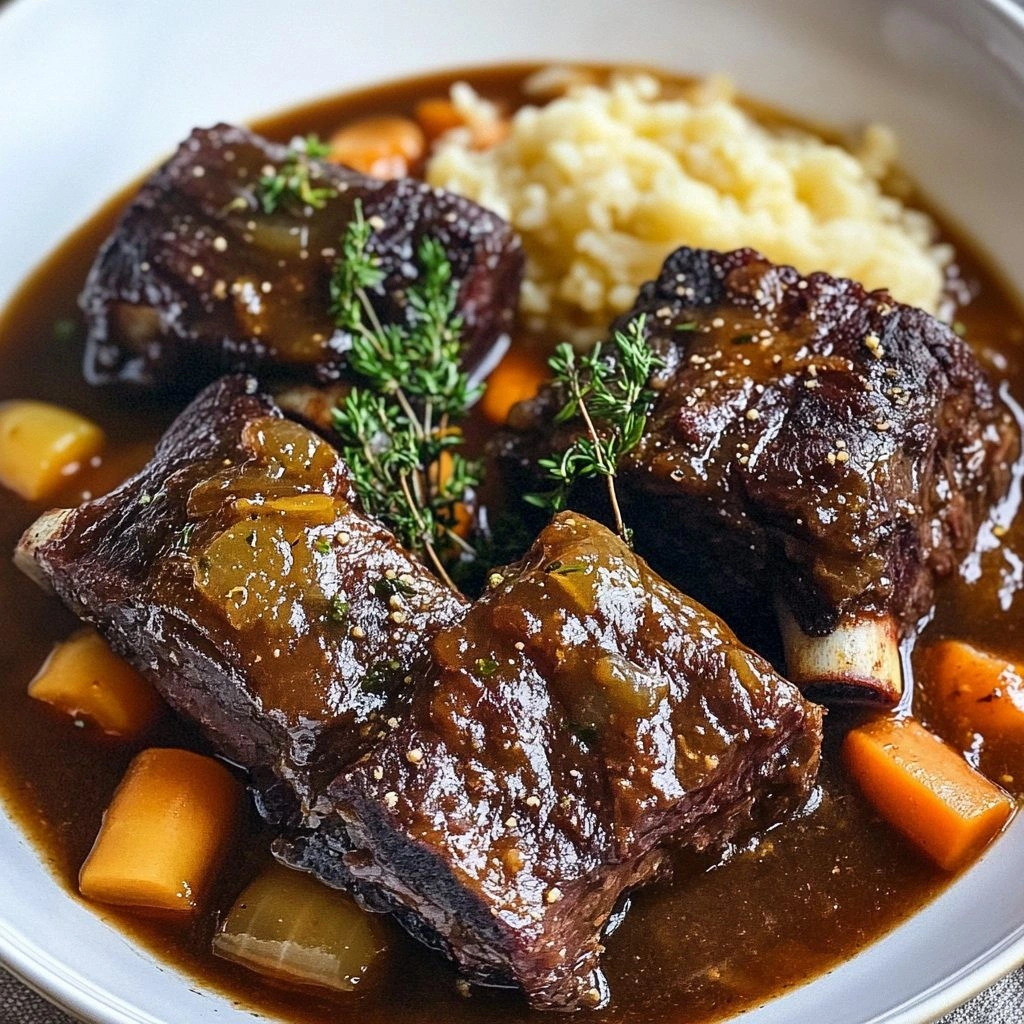
Picture this: the scent of caramelized onions mingling with the deep, earthy aroma of beef broth and red wine, drifting through the kitchen like a comforting hug. The sound of the crockpot humming is a steady metronome, while the gentle bubbling of the liquid creates a rhythmic lullaby. When you finally pull the ribs out, they look glossy, the sauce clinging like a velvet coat that gleams under the kitchen lights. The first bite is a symphony of tender meat, sweet‑savory glaze, and a hint of herbaceous warmth that lingers on the palate.
Most short‑rib recipes drown in a single sauce, but this version layers flavors like a well‑composed song. I’ve added a splash of tomato paste to deepen the umami, a touch of Worcestershire for that briny kick, and a dash of thyme that gives the dish a subtle forest note. The technique of searing the ribs before slow cooking locks in juices, producing a silky texture that contrasts with the crunchy edges of the vegetables. The result is a dish that’s both comforting and sophisticated—hands down the best version you'll ever make at home.
One secret ingredient you won’t expect to see in a classic short‑rib recipe is a small amount of dark chocolate, which adds a subtle depth of flavor that feels like a hidden layer in a chocolate cake. I dare you to taste this and not go back for seconds. Let me walk you through every single step—by the end, you'll wonder how you ever made it any other way.
What Makes This Version Stand Out
- Flavor Depth: The combination of tomato paste, Worcestershire sauce, and a hint of dark chocolate creates a sauce that is both rich and complex. Each spoonful reveals layers of sweetness, acidity, and savory umami that dance together on the tongue. This depth sets it apart from ordinary slow‑cooked ribs that rely on a single seasoning.
- Texture Contrast: By searing the ribs first, the meat develops a caramelized crust that stays firm even after hours of cooking. The inside remains melt‑in‑your‑mouth, while the vegetables provide a satisfying bite. The result is a harmonious play of soft and crunchy that elevates every forkful.
- Time Efficiency: A crockpot does all the heavy lifting, letting you set it and forget it while you attend to other tasks. The total active time is under 30 minutes, and the passive cooking time is just a few hours, making this recipe perfect for busy weeknights.
- Make‑Ahead Friendly: The dish can be assembled the night before, refrigerated, and cooked in the morning, saving you precious minutes when you need to serve a crowd. The flavors actually deepen overnight, giving you an extra boost of taste.
- Ingredient Quality: Using high‑grade beef short ribs and fresh aromatics ensures that the final product is nothing short of spectacular. The quality of the broth and wine also plays a pivotal role in the richness of the sauce.
- Versatility: Whether you prefer a leaner cut or a fattier one, this recipe adapts without compromising flavor. It also works well with different crockpot models, from electric to stovetop.
- Crowd Appeal: The dish is a guaranteed hit at potlucks and family dinners alike, because the sauce is so flavorful that it pairs beautifully with mashed potatoes, polenta, or even a simple side of green beans.
- Ease of Cleanup: Since everything cooks in one pot, you’ll have fewer dishes to wash, making post‑meal cleanup a breeze.
Inside the Ingredient List
The Flavor Base
At the heart of this recipe lies the sauce, a marriage of beef broth, red wine, tomato paste, and Worcestershire sauce. The broth provides a savory foundation, while the wine adds acidity and depth. Tomato paste thickens the mixture and brings a subtle sweetness, and Worcestershire sauce injects a briny complexity that elevates the overall profile. Skipping any of these would leave the dish feeling flat and one‑dimensional.
The Texture Crew
Short ribs are the star, but the supporting cast—carrots, celery, and onions—adds layers of texture and flavor. The vegetables absorb the sauce, becoming tender yet retaining a slight bite that contrasts with the silky meat. If you prefer a cleaner presentation, you can strain the liquid before serving, but keeping the vegetables in the sauce enhances the rustic feel.
The Unexpected Star
Dark chocolate may sound like a dessert ingredient, but a small amount (about one ounce) melts into the sauce, creating a subtle depth that mimics a chocolate‑infused beef stock. It balances the acidity of the wine and the sweetness of the tomato paste, giving the dish a complex, almost velvety finish. If you’re cautious about chocolate, start with a teaspoon and adjust to taste.
The Final Flourish
A dusting of all‑purpose flour on the ribs before searing creates a caramelized crust that locks in juices. Unsalted butter added at the end of cooking enriches the sauce, giving it a glossy sheen and a buttery finish. Salt and pepper are essential for seasoning, but feel free to adjust to your preference. The bay leaf, thyme, and rosemary add aromatic undertones that linger long after the meal.
Everything's prepped? Good. Let's get into the real action...
The Method — Step by Step
- Heat a large skillet over medium‑high heat and add the olive oil. Once shimmering, lay the short ribs in a single layer. Don’t overcrowd; you’ll need room for the Maillard reaction to work its magic. This step creates the caramelized crust that’s the foundation of flavor.
- Season the ribs generously with salt, pepper, and a pinch of dried thyme. The seasoning sticks to the meat’s surface and builds depth as it cooks. A well‑seasoned crust will keep the juices from escaping during the slow‑cooking phase.
- Sear the ribs for about 3–4 minutes on each side until a dark brown crust forms. If you’re short on time, you can skip this step, but the flavor payoff is worth the effort. Watch the meat closely; the goal is a deep brown, not a burnt brown.
- Remove the ribs and set them aside. In the same skillet, add the diced onion, minced garlic, sliced carrots, and celery. Sauté until the onions are translucent and the vegetables start to brown, about 5–7 minutes. The caramelization of the vegetables will add a sweet undertone to the sauce.
- Pour in the red wine to deglaze the pan, scraping up all the browned bits. Let the wine reduce by half, concentrating the flavor. This step also lifts the savory bits into the sauce, enhancing depth.
- Stir in the tomato paste, Worcestershire sauce, and a tablespoon of dark chocolate, then add the beef broth. Mix until the paste dissolves completely. The mixture should be thick enough to coat the back of a spoon.
- Place the seared ribs back into the crockpot, nestling them among the vegetables. Pour the sauce over the top, ensuring each rib is well‑covered. Seal the lid and cook on low for 6–7 hours, or on high for 4–5 hours, until the meat is fork‑tender.
- Once the cooking time is complete, remove the ribs and let them rest for 10 minutes before serving. While resting, pour the remaining liquid into a saucepan and reduce over medium heat until it thickens to a glaze consistency. Stir in the butter for a glossy finish. The sauce should cling to the ribs like a velvet coat.
- Serve the ribs with the reduced sauce spooned over the top, accompanied by mashed potatoes, polenta, or a simple green‑bean side. Garnish with fresh thyme or a drizzle of olive oil if desired. The final presentation is rustic yet refined, ready to impress even the most discerning palates.
That's it — you did it. But hold on, I've got a few more tricks that'll take this to another level...
Insider Tricks for Flawless Results
The Temperature Rule Nobody Follows
While most people rely on the crockpot’s low setting, I’ve found that a gentle high setting (around 200°F) actually speeds up the tenderizing process without drying out the meat. The key is to monitor the internal temperature; the ribs should reach 190°F for optimum tenderness.
Why Your Nose Knows Best
During the first hour of cooking, keep your nose close to the pot. If the aroma becomes overly acidic, add a splash of beef broth to balance it. Your nose is a reliable indicator of the sauce’s balance, and a quick tweak can prevent a sour mishap.
The 5‑Minute Rest That Changes Everything
After removing the ribs from the crockpot, let them rest for exactly five minutes before cutting. This allows the juices to redistribute, resulting in a moist, succulent bite. Cutting too soon will cause the juices to escape, leaving the meat dry.
The Secret Butter Finish
Adding a knob of cold, unsalted butter at the end of the sauce reduction creates a silky sheen and a buttery flavor that elevates the dish. The butter also helps stabilize the sauce’s emulsion, preventing separation.
The Quick Deglaze Trick
When deglazing the skillet, use a splash of red wine first, then add the broth. The wine lifts the fond (the browned bits) more efficiently, ensuring you capture every flavor pocket before it’s lost.
The No‑Mess Sealing Technique
If you’re worried about a mess, line the crockpot with parchment paper before adding the ribs. This makes cleanup a breeze and keeps the pot free of stuck-on sauce.
Creative Twists and Variations
Asian‑Inspired Glaze
Swap the red wine for a mixture of soy sauce and mirin, and add a tablespoon of fresh ginger. This gives the ribs a sweet, umami‑laden glaze that pairs beautifully with steamed rice and bok choy.
Spicy Cajun Kick
Introduce a tablespoon of Cajun seasoning to the seasoning mix and finish with a dash of hot sauce. The smoky heat adds a lively contrast to the savory broth, perfect for those who like a bit of bite.
Herb‑Infused Mediterranean
Replace the thyme and rosemary with oregano and basil, and stir in a handful of chopped sun‑dried tomatoes. The Mediterranean herbs give the sauce a bright, aromatic profile that feels like a sunny day.
Vegetarian “Ribs” with Seitan
Use seitan chunks instead of beef ribs for a plant‑based version that still delivers a chewy, meaty texture. Follow the same searing and slow‑cooking steps for a hearty, cruelty‑free dish.
Gluten‑Free Twist
Omit the flour dusting and use a gluten‑free thickening agent like arrowroot powder or cornstarch to achieve the same silky sauce. This ensures the dish remains safe for gluten‑sensitive diners.
Dessert‑Style Chocolate Ribs
Increase the dark chocolate to two ounces and add a splash of heavy cream at the end of the sauce reduction. The result is a decadent, dessert‑style dish that blurs the line between sweet and savory.
Storing and Bringing It Back to Life
Fridge Storage
Cool the ribs and sauce to room temperature, then store in airtight containers for up to four days in the refrigerator. The sauce will thicken slightly; a quick stir before reheating restores its silky consistency.
Freezer Friendly
Pack the ribs and sauce separately in freezer bags, labeling each with the date. They will keep for up to three months. Thaw overnight in the fridge before reheating.
Best Reheating Method
Reheat the ribs in a skillet over medium heat, adding a splash of beef broth or water to keep them moist. For the sauce, gently warm it in a saucepan, stirring until it reaches a glaze‑like consistency. A tiny splash of water before reheating helps restore the sauce’s original texture.