I was halfway through a disastrous midnight snack experiment when I realized I had forgotten the one thing that turns a bland bowl of rice into a crowd‑pleaser: the right balance of crunch, umami, and that subtle sweet‑spicy kick that makes your taste buds do a happy dance. I stared at the pot, the rice looking like a soggy gray carpet, and decided to turn this kitchen blunder into a revelation. That decision sparked a culinary epiphany: what if the classic American fried rice could be elevated to a dish that feels like a warm hug in a bowl?
Picture this: a sizzling skillet, the golden sheen of freshly cracked eggs, the aromatic snap of garlic as it hits the hot oil, and the unmistakable scent of toasted sesame oil that wafts up like a promise of comfort. The sound of the rice popping, the crackle of onions caramelizing, all combine into a symphony that turns the ordinary into extraordinary. Every bite delivers a burst of savory, a whisper of sweetness, and a satisfying crunch that lingers long after the last spoonful. If you’ve ever felt that your fried rice lacked that “wow” factor, you’re about to see what a little tweak can do.
What sets this version apart isn’t a secret ingredient buried in a pantry; it’s a deliberate layering of flavors and textures that respects the dish’s humble roots while injecting bold, modern twists. I’ve spent years tweaking fried rice for my friends, and this iteration is the culmination of that experience—an honest, unapologetic celebration of what fried rice can be. The result? A dish that’s hands down the best you’ll ever make at home, and I dare you to taste this and not go back for seconds.
Hold onto your apron, because I’m about to walk you through every single step. By the end, you’ll wonder how you ever made it any other way. Let’s dive in, shall we?
What Makes This Version Stand Out
- Flavor Depth: Each ingredient is chosen for its ability to layer complexity—soy sauce for umami, sesame oil for aroma, and a touch of rice vinegar for brightness. The result is a sauce that coats the rice like velvet, leaving every grain infused.
- Texture Contrast: The combination of silky eggs, crisped onions, and crunchy peas creates a mouthfeel that dances between smooth and bite‑worthy. It’s the kind of contrast that keeps you coming back for more.
- Ingredient Quality: Using high‑grade soy sauce, fresh garlic, and premium rice sets the foundation for a dish that feels premium without breaking the bank.
- Time Efficiency: The method is streamlined to fit a 45‑minute window, making it a perfect weeknight dinner that doesn’t compromise on flavor.
- Make‑Ahead Friendly: The rice can be cooked ahead, and the dish reheats beautifully, preserving that crispy edge that’s the hallmark of a great fried rice.
- Audience Appeal: Whether you’re a seasoned home cook or a kitchen newbie, the clear steps and helpful hints make this dish approachable and rewarding.
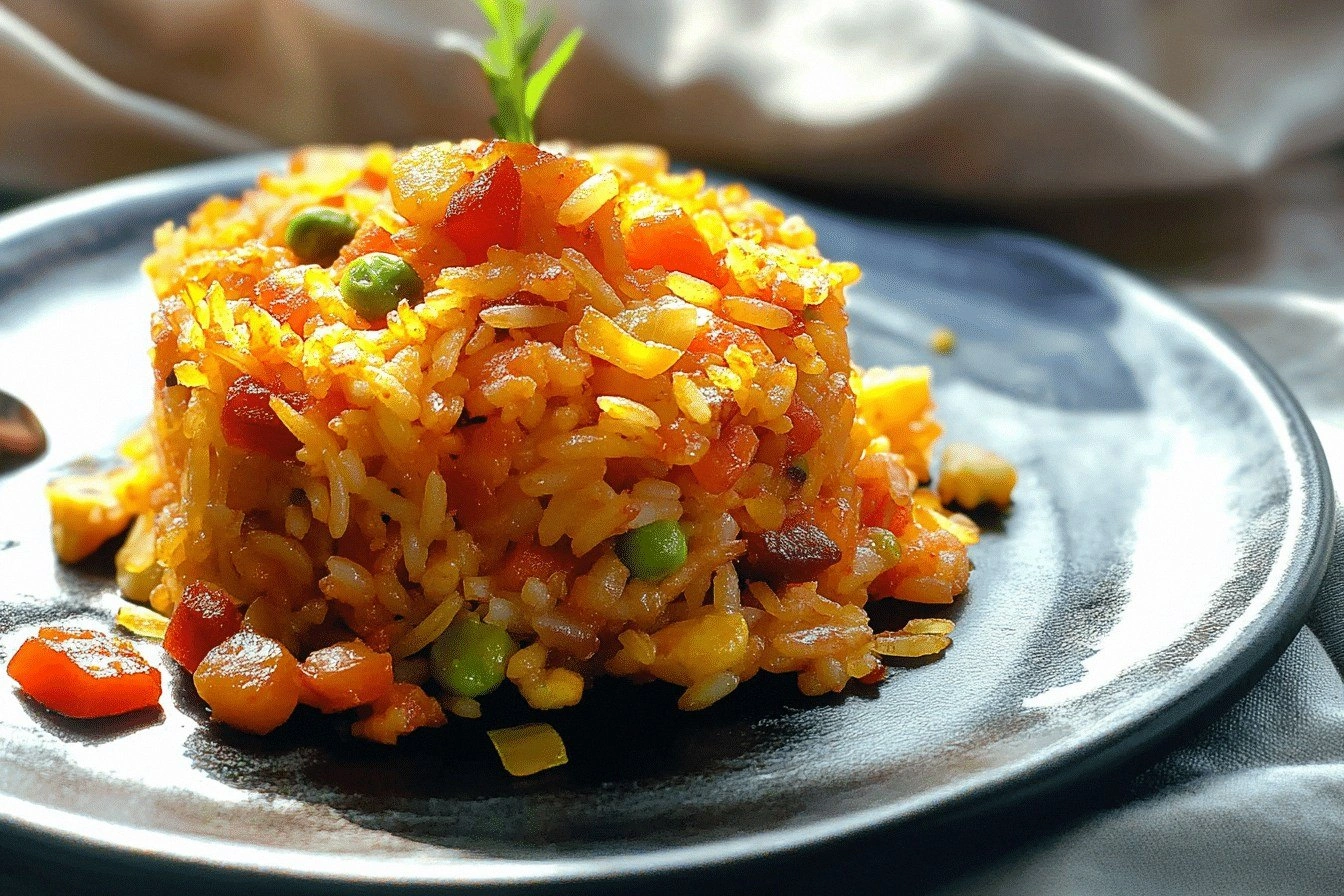
- Visual Impact: The final presentation is a riot of color—bright green peas, golden onions, and a sprinkle of scallions that make the dish Instagram‑ready.
- Flavor Flexibility: The base recipe can be tweaked to suit dietary preferences—gluten‑free, low‑sodium, or even vegan—with minimal adjustments.
Alright, let's break down exactly what goes into this masterpiece...
Inside the Ingredient List
The Flavor Base
Soy sauce is the backbone of any fried rice, providing that deep, savory umami that lingers on the palate. A splash of rice vinegar adds a subtle tang that cuts through the richness of the sesame oil, balancing the dish. A pinch of sugar helps caramelize the onions, creating a sweet contrast that rounds out the flavor profile. If you’re watching sodium, you can swap regular soy sauce for low‑sodium or tamari, but keep the ratio the same to maintain depth.
The Texture Crew
Rice is the star, and it’s crucial that you use day‑old rice that’s been chilled. Fresh rice tends to clump, whereas day‑old rice separates easily, giving you that coveted fluffy texture. Peas and carrots add a pop of color and a burst of sweetness; frozen mixes are convenient and retain their nutrients. Scallions provide a bright, oniony finish, while a dash of sesame oil brings a nutty aroma that lingers. Butter is used sparingly to add a silky finish to the eggs, preventing them from drying out.
The Unexpected Star
Oyster sauce is optional but highly recommended. Its rich, slightly sweet flavor adds depth that you can’t get from soy sauce alone. If you’re vegan, replace it with a mushroom-based sauce or a splash of hoisin for a similar umami kick. A pinch of cayenne pepper or a drizzle of sriracha can turn the dish into a fiery adventure for spice lovers. These small additions transform a familiar recipe into something memorable.
The Final Flourish
Eggs are the binder, keeping the rice cohesive while adding protein and a silky texture. Be sure to whisk them lightly with a splash of water or milk to keep them fluffy. The final touch is a squeeze of fresh lime or lemon juice—just a few drops—to brighten the dish just before serving. This tiny tweak lifts the entire flavor profile and adds a fresh note that balances the richness.
Everything's prepped? Good. Let's get into the real action...
The Method — Step by Step
- Prepare the rice. Use day‑old, chilled rice so each grain stays separate. If you’re cooking fresh rice, let it cool completely and spread it out on a tray to dry for 10 minutes. This step prevents clumping and gives you that ideal fluffy texture. I always keep a bowl of cold rice on hand for nights when I need a quick dinner.
- Heat the skillet. Place a large non‑stick skillet over medium‑high heat and add a tablespoon of sesame oil. Let the oil shimmer but not smoke. The high heat is key for that caramelized flavor on the onions and the slight crisp on the rice edges.
- Sauté aromatics. Toss in minced garlic and diced onions. Cook until the onions are translucent and slightly golden, about 2 minutes. The garlic should release its aroma, filling the kitchen like a warm hug. Watch for any burning; if it starts to brown too quickly, lower the heat.
- Introduce the veggies. Add frozen peas and carrots. Stir them in, letting them heat through and slightly caramelize. The peas should stay bright green, giving a pop of color that makes the dish visually appealing. A quick splash of water can help them steam evenly.
- Scramble the eggs. Push the veggie mixture to one side of the pan. Add a tablespoon of butter and let it melt. Beat the eggs with a splash of water, then pour them into the pan. Stir gently until they’re just set, then fold them into the rice mixture. The eggs should be soft and fluffy, not dry.
- Combine rice and sauce. Add the rice to the skillet. Drizzle soy sauce, oyster sauce (if using), and a touch of rice vinegar. Toss everything together until the rice is evenly coated. This is the moment of truth—if the sauce isn’t distributed, the dish will taste uneven.
- Season and finish. Sprinkle salt, pepper, and cayenne pepper (if using). Stir in a splash of lime juice just before turning off the heat. The acidity brightens the dish and balances the richness. Taste and adjust seasoning as needed.
- Serve. Transfer the fried rice to a serving platter. Garnish with sliced scallions, a drizzle of sesame oil, and a sprinkle of toasted sesame seeds. The final presentation should look vibrant and inviting. Serve immediately for the best texture.
That's it — you did it. But hold on, I've got a few more tricks that'll take this to another level...
Insider Tricks for Flawless Results
The Temperature Rule Nobody Follows
Many cooks think a lower heat will keep the rice from burning, but the secret is to start high and then dial it down once the rice is in. High heat caramelizes the onions and creates that coveted crispy edge. Once the rice is in, reduce to medium to keep the mixture from sticking.
Why Your Nose Knows Best
Your nose is a reliable judge of doneness. When the rice starts to smell toasted and slightly nutty, that’s the sign it’s ready for the next step. If you’re unsure, give it a quick stir and let the aroma develop further.
The 5‑Minute Rest That Changes Everything
After cooking, let the fried rice rest for five minutes before serving. This allows the flavors to meld and the rice to firm up, giving you a more cohesive bite. I’ve found that this simple pause makes the dish taste richer.
Don’t Skimp on the Oil
Oil is the conductor of flavor. Using too little can result in a dry, clumpy rice. I recommend at least 2 tablespoons of sesame oil or a combination of sesame and a neutral oil to keep the texture silky.
Use a Wide Pan
A wide, shallow pan ensures even heat distribution and gives the rice more surface area to crisp. This is especially important if you’re cooking a large batch; a deep pan can cause the rice to steam rather than fry.
Creative Twists and Variations
This recipe is a playground. Here are some of my favorite ways to switch things up:
Tex‑Mex Fusion
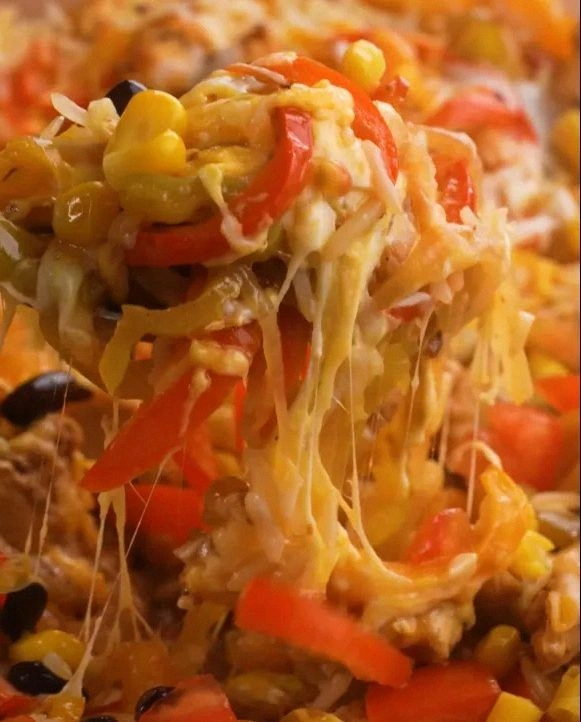
Swap the peas and carrots for corn and diced bell pepper. Add a tablespoon of cumin and a pinch of smoked paprika. Top with shredded cheddar and a dollop of sour cream for a creamy finish.
Asian Street Food
Add diced pineapple and a splash of hoisin sauce. Finish with a sprinkle of crushed peanuts and a drizzle of sriracha for heat. The sweetness of pineapple balances the savory and spicy notes.
Vegan Delight
Replace eggs with crumbled tofu, seasoned with turmeric for color. Use a plant‑based soy sauce and a splash of coconut milk to keep the dish creamy. This version is just as satisfying and entirely plant‑based.
Low‑Carb Option
Use cauliflower rice instead of regular rice. Keep the same seasoning and cooking method. The texture will be slightly different but still delicious and keto‑friendly.
Seafood Sensation
Add shrimp or scallops during the last two minutes of cooking. Season with a touch of lemon zest and finish with fresh dill. The seafood adds a luxurious twist to the classic fried rice.
Breakfast Boost
Serve the fried rice with a fried or poached egg on top. Add a sprinkle of chives and a dash of hot sauce. This turns the dish into a hearty breakfast that satisfies both sweet and savory cravings.
Storing and Bringing It Back to Life
Fridge Storage
Cool the fried rice to room temperature, then transfer it to an airtight container. Store in the refrigerator for up to 3 days. The rice will stay fresh, and the flavors will deepen over time.
Freezer Friendly
For longer storage, divide the rice into single‑serving portions and freeze for up to 2 months. Thaw overnight in the refrigerator before reheating. This is perfect for busy weeknights.
Best Reheating Method
Reheat in a skillet over medium heat, adding a splash of water or broth to keep the rice from drying out. Toss frequently until heated through. A quick 2‑minute rest before serving will restore the crispy edges.
Add a tiny splash of water before reheating — it steams back to perfection, giving you that fresh, fluffy texture you love. And don’t forget to give it a final stir to redistribute the seasoning.