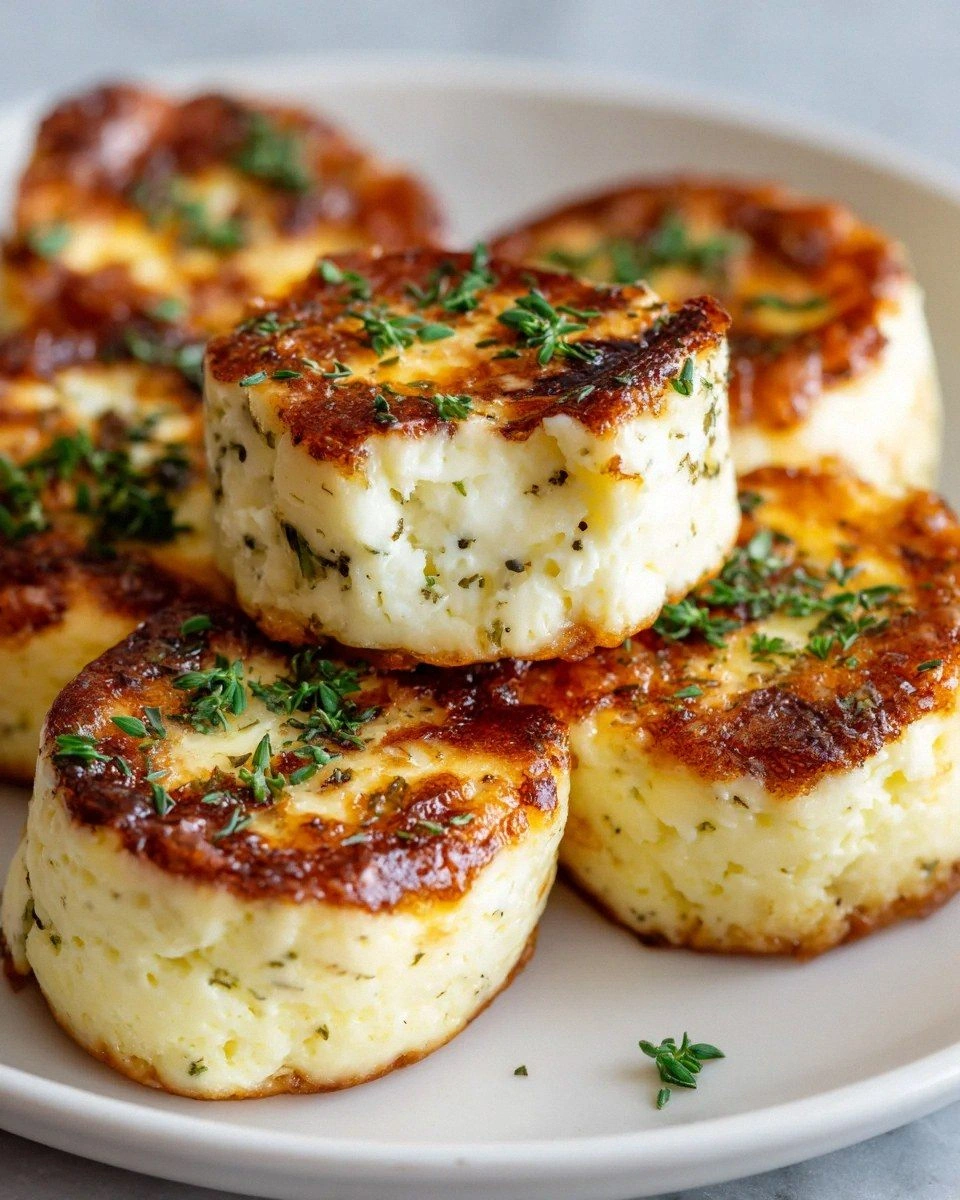
I still remember the morning I discovered this recipe — it was one of those chaotic Sundays where my fridge looked like a crime scene and my stomach was staging a full-on rebellion. The eggs were staring at me judgmentally, the cottage cheese was two days from expiration, and I had exactly twenty minutes before my brunch guests arrived. In a moment of desperation, I threw everything together, tossed it in the oven, and prayed to the kitchen gods. What emerged was nothing short of miraculous: a puffy, golden cloud of protein-packed perfection that made everyone at the table fall silent mid-conversation. That hush? That's when you know you've stumbled onto something special.
Here's the thing about most baked egg recipes — they're either rubbery disasters that bounce off your fork or they're so bland you need a gallon of hot sauce just to get through breakfast. But this version? This is the Goldilocks of egg bakes. The cottage cheese melts into these tiny pockets of creamy goodness, while the eggs puff up like a soufflé's more approachable cousin. And don't even get me started on those crispy edges where the Parmesan meets the pan — they're like the corner piece of brownie, but make it breakfast. I dare you to taste this and not go back for seconds. Actually, I double-dog dare you.
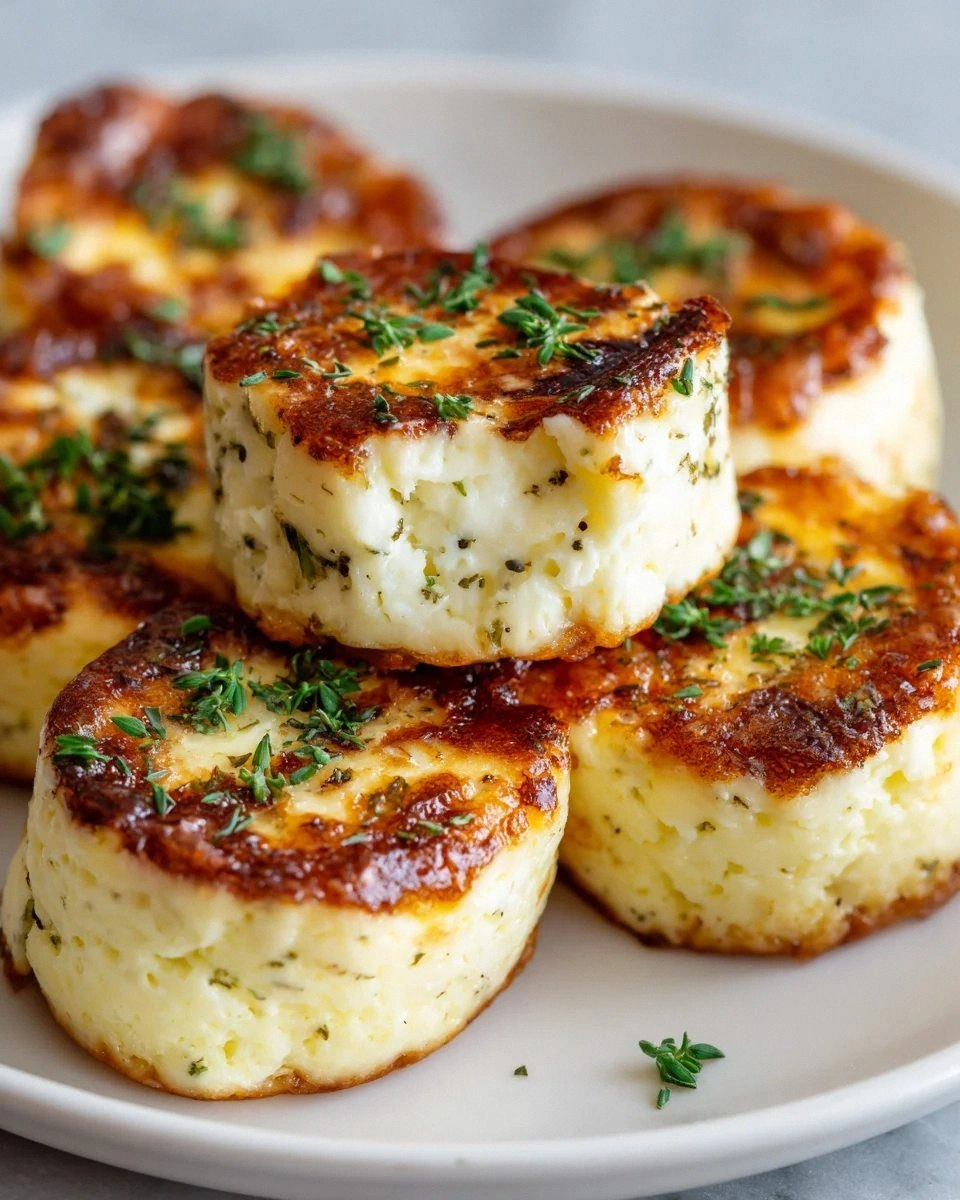
Picture yourself pulling this out of the oven, the whole kitchen smelling like a French bakery collided with a farmers market. The top is blistered and golden, the edges are bubbling like a happy volcano, and your family is already hovering with forks in hand. This isn't just another egg recipe — it's the answer to your meal prep prayers, your brunch party savior, and your weekday morning motivation all rolled into one. Stay with me here — this is worth it. Okay, ready for the game-changer? Let me walk you through every single step — by the end, you'll wonder how you ever made it any other way.
What Makes This Version Stand Out
Cloud-Like Texture: The cottage cheese creates these magical pockets that keep everything impossibly light and fluffy, unlike those dense egg bakes that sit in your stomach like a brick. When you cut into this, it practically sighs with tenderness.
Protein Powerhouse: With cottage cheese, eggs, and Parmesan, you're looking at nearly 30 grams of protein per serving. That's more than most protein shakes, and it actually tastes like real food. Take that, chalky powder.
One-Bowl Wonder: Everything mixes in one bowl and bakes in one dish. No whisking egg whites separately, no complicated techniques, no mountain of dishes. Most recipes get this completely wrong — they overcomplicate something that should be simple.
Make-Ahead Magic: I'll be honest — I ate half the batch before anyone else got to try it, but the rest kept beautifully in the fridge for three days. Breakfast for the week, sorted. Future pacing: imagine waking up and having this waiting for you.
Veggie Ninja Move: The bell peppers and spinach disappear into the mixture, meaning even the pickiest eaters get their vegetables. If you've ever struggled with getting kids (or stubborn adults) to eat greens, this is your secret weapon.
Crispy Edge Game: The Parmesan creates these lacy, crispy edges that shatter like thin ice under your fork. It's textural contrast at its finest, and it's what separates the pros from the amateurs.
Endless Versatility: Once you master the base, you can swap in any vegetables, any herbs, any cheese. I've made Mediterranean versions, Mexican versions, even a Thanksgiving leftover version that had my family fighting over the last piece.
Leftover Transformation: This reheats like a dream, and I've even been known to cube it cold for lunch boxes. It becomes almost like a frittata's cooler, more sophisticated cousin. Alright, let's break down exactly what goes into this masterpiece...
Inside the Ingredient List
The Flavor Base
The cottage cheese is the unsung hero here, and not all tubs are created equal. You want the full-fat version, not that sad watery stuff that looks like it's been crying in the container. Full-fat cottage cheese has these gorgeous, creamy curds that melt into the eggs and create little pockets of heaven. Skimp here, and you'll end up with something that tastes like diet food from the 1980s. Trust me, I tried the low-fat version once — it tasted like disappointment and rubber bands.
The eggs need to be fresh, fresh, fresh. I'm talking about the kind that come from chickens who have names and probably Instagram accounts. Old eggs have watery whites that make your bake weep like a disappointed parent. When you crack them, the yolks should stand up proudly like little orange suns, not flatten out like sad pancakes. And here's the thing — four large eggs is perfect for a 9-inch dish, but if your eggs are on the smaller side, throw in an extra. This is not the place to be stingy with nature's perfect food.
The Texture Crew
Parmesan is your textural secret weapon, but not the stuff that's been pre-grated and sitting in a plastic tub since the Ice Age. Buy a wedge and grate it yourself — it takes thirty seconds and makes a difference you can taste. The pre-grated stuff has cellulose added to prevent clumping, which is basically sawdust. Your eggs deserve better than sawdust. Fresh Parmesan melts into these gorgeous lacy patterns that create crispy edges and gooey centers in the same bite.
The bell peppers aren't just there for color — they provide these sweet, juicy pops that break up the richness. I use a mix of red and yellow because I'm fancy like that, but any color works. Dice them small, about the size of a pea, so they distribute evenly and cook through. Big chunks mean raw pepper in your eggs, and nobody wants that morning surprise. And now the fun part — the spinach wilts down to almost nothing, so don't be shy. That whole cup becomes these delicate green ribbons that make you feel virtuous while eating something delicious.
The Unexpected Star
Sun-dried tomatoes are the ingredient that makes people ask, "What is that amazing flavor?" They're like concentrated summer in tomato form, all sweet and tangy and intense. Don't use the ones packed in oil for this recipe — they'll make everything greasy. The dry-packed ones rehydrate perfectly in the custard and distribute like little jewels throughout. Chop them into raisin-sized pieces so you get that punch of flavor in every bite without overwhelming the delicate eggs. This next part? Pure magic.
Chives are the sophisticated older sister of green onions, with a more delicate flavor and these gorgeous green specks that make everything look restaurant-worthy. If you've only been using green onions, you're missing out. Fresh chives have this subtle oniony flavor that doesn't overpower anything, just whispers "I'm fancy" in every bite. And here's what actually works — don't add them at the beginning. Fold them in right before baking so they stay bright green and fresh-tasting.
The Final Flourish
Garlic powder and paprika are your background singers — they don't demand the spotlight, but the whole performance falls apart without them. Garlic powder gives that savory depth that makes people ask, "What's in this?" Paprika adds color and this subtle warmth that builds as you eat. Don't substitute fresh garlic here — it'll burn and turn bitter. And that paprika? Make sure it's fresh. If it's been in your spice cabinet since the Bush administration, treat yourself to a new jar. Everything's prepped? Good. Let's get into the real action...
The Method — Step by Step
- Preheat your oven to 375°F (190°C) and position the rack in the center. This temperature is crucial — too hot and your eggs will soufflé up then collapse into a rubbery mess, too cool and they won't get those gorgeous golden peaks. While it's heating, grease a 9-inch pie dish with butter or non-stick spray. Don't use oil here — butter adds flavor and helps the edges crisp up like a croissant's crust. That sizzle when it hits the pan? Absolute perfection.
- Whisk the eggs in a large bowl until they're completely homogenous and slightly frothy. You want them to be a uniform pale yellow with no streaks of white or yolk. This should take about 45 seconds of vigorous whisking — think of it as your morning arm workout. The froth incorporates air that helps everything puff up in the oven. Most recipes get this completely wrong — they barely mix the eggs, resulting in streaky, uneven custard.
- Add the cottage cheese and whisk until it's mostly incorporated but you can still see small curds. These curds are what create those delightful pockets of creaminess in the final dish. If you whisk until it's completely smooth, you've gone too far. You want it to look like a lumpy custard — not pretty now, but trust the process. The mixture should be thick and spoonable, not runny like scrambled eggs.
- Fold in the Parmesan, chives, garlic powder, paprika, salt, and pepper. Use a spatula, not the whisk — you want to maintain some texture. The Parmesan should be evenly distributed but not completely melted yet. Season aggressively here — eggs need more salt than you think. I use about a teaspoon of kosher salt and several grinds of black pepper. Remember, the cottage cheese is bland, so don't be shy with seasoning.
- Stir in the diced bell peppers and chopped sun-dried tomatoes. The colors should look like a confetti party in your bowl — bright red, yellow, and orange against the pale yellow custard. Make sure everything is evenly distributed so you don't get a big bite of just peppers. The vegetables will sink to the bottom during baking, which is why we dice them small — they'll cook through without staying crunchy.
- Fold in the spinach last, and don't be alarmed when it seems like way too much. Spinach has this magic trick of wilting down to almost nothing, so that mountain will become gentle ribbons throughout the custard. If you're using baby spinach, you can leave the leaves whole. If you're using mature spinach, give it a rough chop first. Those tough stems? Remove them — they'll stay fibrous and stringy.
- Pour the mixture into your prepared dish and give it a gentle shimmy to distribute everything evenly. The mixture should fill the dish about three-quarters full — it will puff up during baking but shouldn't overflow. If it looks too full, you've either got the wrong size dish or you've been overzealous with your vegetables. Better to have two smaller dishes than one volcanic overflow situation.
- Bake for 25-30 minutes, rotating halfway through. Don't open the oven door for the first 20 minutes — you want that initial heat to set the custard properly. When it's done, the center should jiggle slightly when you shake the pan, like Jell-O. The edges will be golden brown and pulling away from the sides. If you insert a knife in the center, it should come out mostly clean with just a few moist crumbs.
- Let it rest for 5 minutes before serving. This is torture, I know — it smells incredible and you're starving. But those few minutes let the custard finish setting and make it much easier to slice. It will deflate slightly as it cools, which is completely normal. Use this time to set the table, make coffee, or just stand there inhaling the incredible aroma like a normal person.
Insider Tricks for Flawless Results
The Temperature Rule Nobody Follows
Room temperature ingredients aren't just chef-speak — they're the difference between smooth custard and lumpy disappointment. Cold cottage cheese straight from the fridge will seize up when it hits the eggs, creating little white nuggets that never quite incorporate. Let everything sit out for 15-20 minutes while you prep your vegetables. If you're impatient (and I usually am), you can submerge the cottage cheese container in warm water for 5 minutes. Same with the eggs — a quick 5-minute bath in warm water brings them up to speed without cooking them.
Why Your Nose Knows Best
The doneness test isn't just visual — it's olfactory. When this is perfectly baked, your kitchen will smell like a French bakery had a baby with an Italian grandmother's kitchen. If you can smell the Parmesan turning nutty and the eggs getting custardy, you're about 3 minutes away from perfection. Trust your nose more than your timer — ovens are like snowflakes, no two are exactly alike. A friend tried skipping this step once — let's just say it didn't end well. She ended up with something that tasted like sweet egg-flavored rubber bands.
The 5-Minute Rest That Changes Everything
I know, I know — when something smells this incredible, waiting feels like torture. But those five minutes are when the magic happens. The custard finishes setting, the flavors meld together, and the whole thing becomes sliceable instead of spoonable. Think of it like a steak — you wouldn't cut into a steak right off the grill, and this deserves the same respect. Use this time wisely: make coffee, set the table, or just stand there inhaling the aroma like a normal person. Future pacing: picture yourself serving this to guests, and it actually holds its shape instead of collapsing into an egg puddle.
The Grating Game-Changer
Microplaned Parmesan versus box-grated Parmesan is like comparing a sports car to a bicycle — technically they'll both get you there, but one is infinitely more exciting. The microplane creates feathery shavings that melt instantly into the custard, while box-grated cheese can sink and create dense pockets. If you don't have a microplane, use the smallest holes on your box grater. And here's what actually works: grate the Parmesan directly over the bowl so those lacy shavings don't have time to clump together. Once you've tasted the difference, you'll never go back to pre-grated cheese again.
Creative Twists and Variations
This recipe is a playground. Here are some of my favorite ways to switch things up:
Mediterranean Magic
Swap the bell peppers for roasted red peppers, use feta instead of Parmesan, and add a handful of chopped olives and some fresh oregano. The briny olives against the creamy eggs is like a vacation in Greece without the expensive plane ticket. Sun-dried tomatoes already give you that Mediterranean vibe, but the roasted peppers take it over the top. This version is incredible served with warm pita bread and a cucumber-tomato salad on the side.
Southwestern Fiesta
Replace the chives with cilantro, swap the bell peppers for roasted poblano peppers, and add a cup of corn kernels and some cumin. Use pepper jack cheese instead of Parmesan for that melty, spicy kick. Serve it with salsa on top and suddenly you've got a brunch dish that'll have people asking for your secret. The corn adds these sweet pops that balance the heat from the poblanos perfectly. If you really want to go wild, add some chorizo — but cook it first and drain the fat, or you'll have a greasy mess.
French Onion Dream
Caramelize onions until they're deep golden and sweet as candy, then fold them into the custard with Gruyère cheese instead of Parmesan. Skip the bell peppers and sun-dried tomatoes — this is all about that oniony, cheesy decadence. The onions need about 30 minutes to caramelize properly, but you can do this ahead of time. This version tastes like French onion soup and quiche had a beautiful baby, and it's sophisticated enough for your most judgy foodie friends.
Green Goddess
Load it up with every green thing in your fridge — zucchini, asparagus tips, green onions, even broccoli florets cut small. Use goat cheese instead of Parmesan and add a handful of fresh dill. The different shades of green make it look like spring in a dish, and the goat cheese adds this tangy note that makes everything taste fresher. This is the version I make when I need to clean out the vegetable drawer, and it never fails to impress.
Everything Bagel Remix
Everything bagel seasoning is having a moment, and for good reason. Mix it right into the custard, use cream cheese instead of cottage cheese (but keep some cottage cheese for texture), and add some smoked salmon on top after baking. The seasoning gives you all those flavors you love about everything bagels — garlic, onion, sesame, poppy — without having to actually buy a bagel. Top it with some capers and red onion, and you've basically turned Sunday brunch into a New York deli experience.
Thanksgiving Leftover Special
This is what I make the day after Thanksgiving when I can't face another turkey sandwich. Mix in some chopped turkey, use sage instead of chives, and add a handful of dried cranberries. The sweet-tart cranberries against the savory custard is like Thanksgiving dinner in every bite. Use some stuffing crumbs on top for crunch, and suddenly leftovers become the most anticipated meal of the weekend. My family now makes extra stuffing just so we can have this the next day.
Storing and Bringing It Back to Life
Fridge Storage
Let the baked eggs cool completely before storing — about an hour on the counter. Cut it into individual portions and store them in airtight containers. It'll keep for up to 4 days, though honestly, it never lasts that long in my house. The key is to let it cool uncovered first, then cover it once it's at room temperature. Trapping steam while it's still hot will make it soggy. If you're storing the whole thing, cover it with plastic wrap pressed directly onto the surface to prevent that weird skin from forming.
Freezer Friendly
This freezes beautifully, which makes it perfect for meal prep. Cut it into individual portions, wrap each piece in plastic wrap, then foil, then pop them all into a freezer bag. They'll keep for up to 2 months, though the texture is best within the first month. Thaw overnight in the fridge before reheating. Pro tip: freeze individual portions in muffin tins, then pop them out once frozen — you've got egg muffins ready for busy mornings. Just add 5 extra minutes to the reheating time.
Best Reheating Method
The microwave works in a pinch, but the oven is where it's at. Add a tiny splash of water before reheating — it steams back to perfection. Cover with foil and reheat at 300°F for about 10-12 minutes if it's from the fridge, 15-20 if it's from frozen. The microwave makes it rubbery if you overdo it, so if you must use it, go low and slow — 50% power for 2-3 minutes. Add a fresh sprinkle of cheese on top before reheating for that just-baked experience.