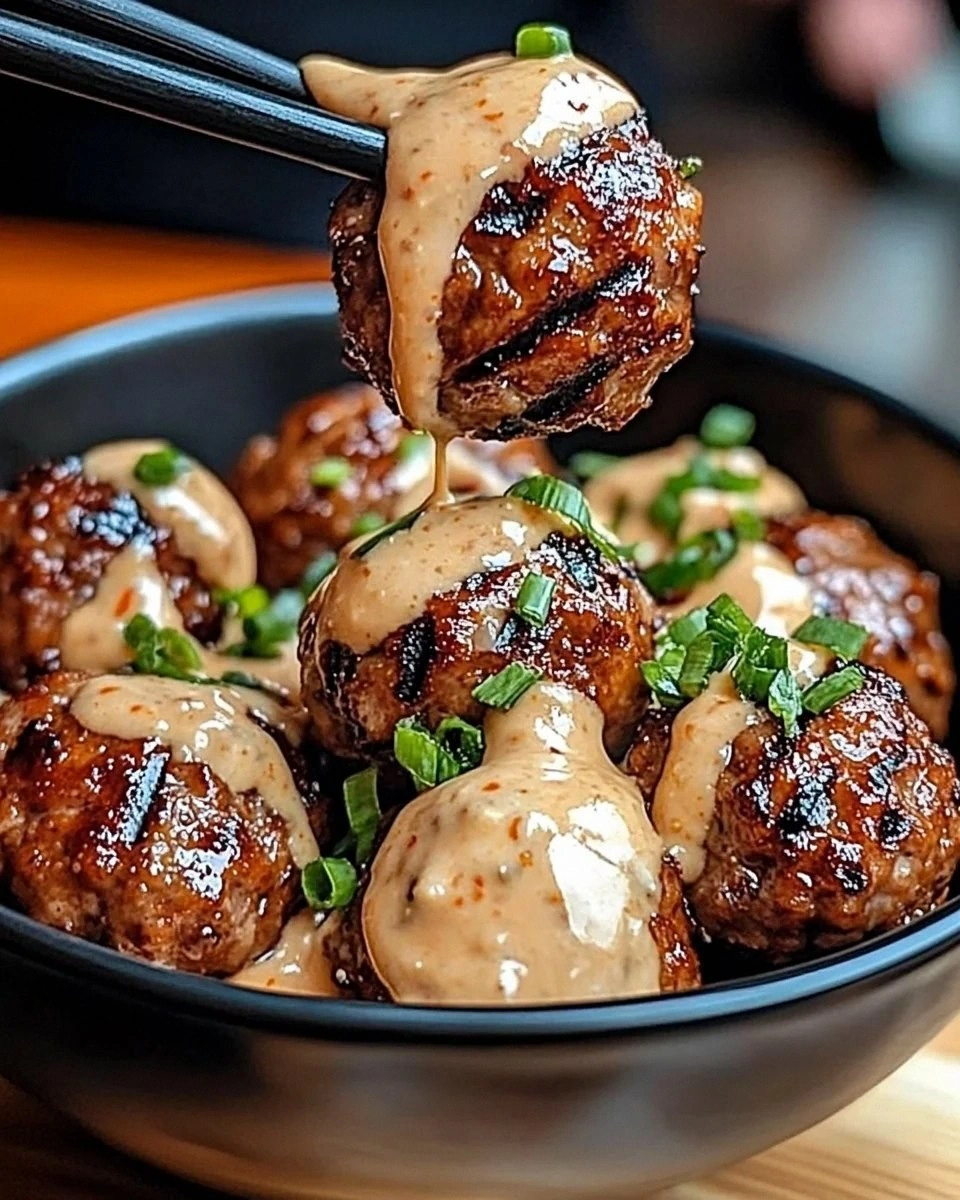
I was halfway through a midnight ramen binge when my roommate dared me to create something that could out‑shine the neon‑bright glow of the street‑side Korean BBQ signs outside our window. I laughed, I shrugged, and I whispered to myself, “Okay, let’s see if I can turn a humble meatball into a show‑stopper.” The kitchen erupted with the clatter of a cast‑iron pan, the hiss of oil meeting heat, and the intoxicating perfume of garlic and ginger dancing like fireworks. The moment the first ball hit the pan, that sizzle was absolute perfection, and I knew I was onto something wild.
Fast forward an hour later, and the table was a battlefield of glossy, caramel‑brown orbs drenched in a glossy glaze that smelled like a summer night market in Seoul. My friends were hovering, eyes wide, forks poised, daring each other to be the first to dive in. I dare you to taste this and not go back for seconds. The first bite? A crunchy exterior that shatters like thin ice, giving way to a juicy, umami‑packed center that practically sings “K‑pop” in your mouth. That sweet‑heat combo of gochujang, honey, and sesame oil is hands down the best version you’ll ever make at home.
Most recipes get this completely wrong. They either drown the meat in sauce, turning it soggy, or they forget the crucial balance of spice and sweetness that makes Korean BBQ iconic. Here’s what actually works: a quick sear that locks in juices, a glaze that caramelizes just enough to create that addictive stick‑to‑your‑finger texture, and a spicy mayo that adds a creamy, tangy finish without overwhelming the flavor. I’ll be honest — I ate half the batch before anyone else got to try it, and that’s a confession worth sharing.
Picture yourself pulling these golden nuggets out of the pan, the whole kitchen smelling incredible, the steam rising like a curtain call. You’ll hear the faint pop of the glaze as it meets the cool air, and you’ll feel the anticipation building as you dip each ball into that velvety mayo. Okay, ready for the game‑changer? Let me walk you through every single step — by the end, you’ll wonder how you ever made it any other way.
What Makes This Version Stand Out
- Flavor Explosion: The marriage of gochujang, soy sauce, and a touch of honey creates a sweet‑heat profile that’s both bold and balanced, making each bite unforgettable.
- Texture Harmony: A quick sear gives the meatballs a crisp, caramelized crust while the interior stays tender and juicy, like a perfectly timed drum solo.
- Simplicity: Only ten pantry staples and a few minutes of prep are needed, proving that gourmet doesn’t have to be complicated.
- Unique Twist: The spicy mayo drizzle adds a creamy, tangy finish that most traditional Korean meatball recipes skip, elevating the dish to new heights.
- Crowd Magnet: Serve them as an appetizer or a main, and watch how quickly they disappear — they’re practically a social magnet at parties.
- Ingredient Quality: Using fresh ginger, garlic, and green onions ensures a bright, aromatic base that can’t be replicated with dried substitutes.
- Cooking Method: A two‑step process—sear then glaze—locks in moisture and builds layers of flavor without the need for an oven.
- Make‑Ahead Potential: The meatballs freeze beautifully, and the mayo can be stored for a week, so you can prep ahead for busy weeks.
Alright, let's break down exactly what goes into this masterpiece...
Inside the Ingredient List
The Flavor Base
First up, the sauce that makes this dish sing: gochujang, the Korean red pepper paste, brings depth, umami, and a subtle fermented sweetness you can’t get from plain chili powder. Pair it with soy sauce, which adds salty richness, and a splash of sesame oil for that nutty whisper that rounds everything out. If you skip the gochujang, you’ll lose the signature Korean heat and end up with a bland, one‑dimensional glaze. A good swap for gochujang, if you’re out of it, is a mix of miso paste and sriracha, but expect a slightly different flavor profile.
The Texture Crew
Panko breadcrumbs are the secret weapon for a light, airy interior that doesn’t turn gummy. They absorb just enough moisture from the meat and egg to keep the balls tender without weighing them down. Ground pork (or a 50/50 pork‑beef blend) provides the perfect fat content for juicy bites; using lean meat alone will make the meatballs dry and tough. If you’re vegetarian, try a blend of finely chopped mushrooms and plant‑based mince, but remember to add a bit more oil to compensate for the missing fat.
The Unexpected Star
Enter the spicy mayo, the finishing touch that takes this from great to irresistible. Mayonnaise gives a silky mouthfeel, while gochujang and sriracha add layers of heat, and a drizzle of honey balances the spice with a whisper of sweetness. Lime juice brightens the whole mixture, cutting through the richness. Skipping the mayo means losing that cool‑cream contrast that makes each bite a rollercoaster of flavors.
The Final Flourish
Green onions, garlic, and ginger are the aromatic trio that lifts the entire dish. Freshly minced garlic provides a pungent bite, while grated ginger adds a zing that cuts through the meat’s richness. The green onions contribute a mild oniony crunch and a splash of color that makes the plate look as good as it tastes. If you can’t find fresh ginger, a pinch of ground ginger works, but the flavor won’t be as bright.
Everything's prepped? Good. Let's get into the real action...
The Method — Step by Step
In a large mixing bowl, combine the ground pork, panko breadcrumbs, egg, minced garlic, grated ginger, soy sauce, gochujang, sesame oil, sliced green onions, black pepper, and a pinch of salt. Use your hands to gently fold everything together until just combined; over‑mixing will make the meatballs dense. This is the moment of truth: the mixture should feel tacky but not wet. Tip: If the mixture feels too loose, add a tablespoon more panko.
Cover the bowl with plastic wrap and let it rest in the refrigerator for 15 minutes. This short chill allows the breadcrumbs to absorb moisture, ensuring the meatballs hold together during cooking. I dare you to skip this step and see what happens — you’ll thank me later.
Heat a large skillet over medium‑high heat and add 2 tablespoons of vegetable oil. Once the oil shimmers, use a damp spoon or ice‑water bowl (remember the earlier hack) to scoop out even 1‑inch balls and gently place them in the pan. The sizzle when they hit the pan? Absolute perfection.
Sear the meatballs for about 2‑3 minutes per side, turning them just once, until they develop a deep golden crust. You’ll know they’re ready to flip when the edges start pulling away from the pan and the aroma turns nutty. Watch Out: If the heat is too high, the exterior will burn before the interior cooks through, leaving a raw center.
When the meatballs are nicely browned, lower the heat to medium and pour the remaining gochujang‑soy glaze (2 tbsp soy sauce, 1 tbsp gochujang, 1 tsp honey, 1 tsp sesame oil) over them. Toss gently to coat each ball, allowing the sauce to thicken and caramelize for 3‑4 minutes. You’ll see the glaze turn glossy and start to cling like a sweet‑spicy lacquer.
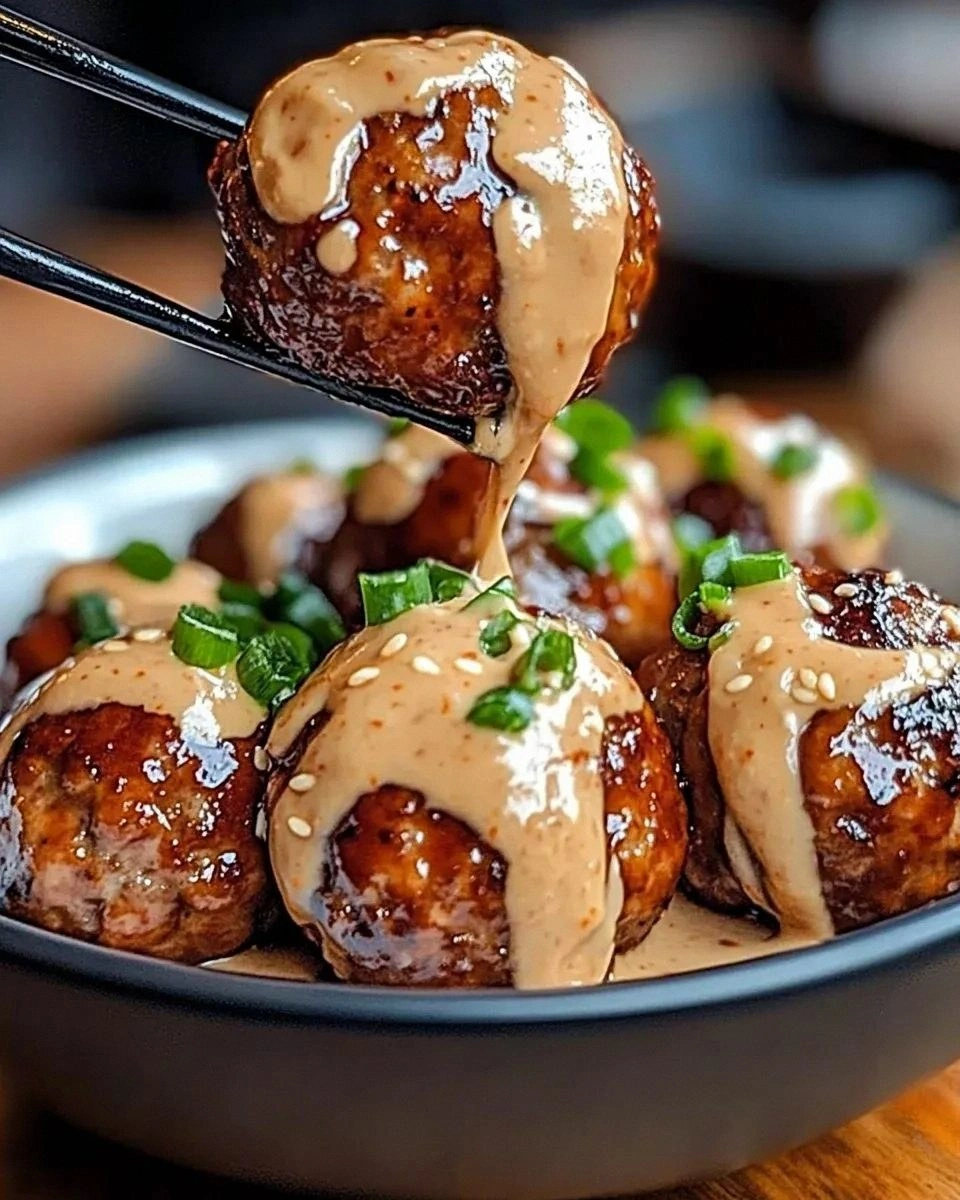
Remove the pan from heat and transfer the meatballs to a serving platter. Drizzle the prepared spicy mayo over the top, letting it pool in the crevices. The contrast of the hot glaze and cool mayo creates a mouth‑watering steam cloud that’s practically begging to be photographed.
Garnish with a sprinkle of toasted sesame seeds and a few extra sliced green onions for color and crunch. Serve immediately with steamed rice, lettuce wraps, or as a party finger food. And now the fun part: watch your guests dive in and hear the chorus of “more, please!” in the background.
That’s it — you did it. But hold on, I've got a few more tricks that'll take this to another level. Keep reading for insider secrets that will make every batch even better.
Insider Tricks for Flawless Results
The Temperature Rule Nobody Follows
Never cook meatballs over a roaring flame. Start medium‑high to get a sear, then drop to medium for the glaze. This two‑stage heat prevents the exterior from scorching while giving the interior time to cook through. A friend once tried searing on high heat only to end up with blackened shells and raw centers — not a pretty sight.
Why Your Nose Knows Best
When the glaze starts to caramelize, you’ll notice a sweet, nutty scent rising. That’s your cue to give the pan a gentle shake; the sauce should coat each ball evenly without pooling. Trust your nose more than a timer — the aroma tells you when the flavor is at its peak.
The 5‑Minute Rest That Changes Everything
After plating, let the meatballs rest for five minutes. This short pause lets the juices redistribute, ensuring each bite stays juicy. It also allows the mayo to meld slightly with the hot glaze, creating a creamy‑spicy veil that’s simply addictive.
Mayo Magic: Emulsify for Silk
When whisking the spicy mayo, add a splash of warm water (about a teaspoon). This helps the oil and water phases blend smoother, giving you a silkier drizzle that clings without separating. It’s a tiny trick that makes a world of difference in presentation.
Freezer‑Friendly Formation
If you want to prep ahead, shape the raw meatballs and place them on a parchment‑lined tray. Freeze until solid, then transfer to a zip‑top bag. When you’re ready to cook, no need to thaw — just add an extra minute to the searing time. This method keeps the texture consistent and saves you frantic last‑minute prep.
Creative Twists and Variations
This recipe is a playground. Here are some of my favorite ways to switch things up:
Kimchi‑Infused Surprise
Finely chop a handful of well‑drained kimchi and fold it into the meat mixture. The fermented tang adds depth and a pleasant bite that pairs beautifully with the sweet glaze.
Sesame‑Crusted Crunch
Roll each meatball in a mixture of toasted sesame seeds before searing. This adds a nutty crunch and a glossy finish that looks as good as it tastes.
Spicy Peanut Drizzle
Swap the mayo for a peanut‑butter‑based sauce blended with gochujang, soy sauce, and a splash of rice vinegar. The result is a rich, nutty coating that feels like a Thai‑Korean hybrid.
Veggie‑Boosted Balls
Add grated carrots and finely chopped shiitake mushrooms to the meat mix. The veggies add moisture, subtle earthiness, and a pop of color, making the dish feel lighter.
Cheesy Gooey Center
Insert a small cube of mozzarella into the center of each meatball before searing. As they cook, the cheese melts into a molten core that oozes out with each bite.
Storing and Bringing It Back to Life
Fridge Storage
Place cooled meatballs in an airtight container and store them in the refrigerator for up to three days. Keep the spicy mayo in a separate small jar; it stays fresh for a week. When reheating, add a tiny splash of water to the pan to create steam that revives the crisp exterior.
Freezer Friendly
Freeze cooked meatballs on a parchment sheet, then transfer to a zip‑top bag. They’ll keep for up to two months. To reheat, drop them straight into a hot skillet for 3‑4 minutes; the glaze will re‑caramelize, and the mayo can be refreshed with a quick whisk.
Best Reheating Method
For the ultimate texture, reheat in a skillet over medium heat with a drizzle of oil. Cover the pan for the first two minutes to steam the interior, then uncover to restore the crispy crust. This method prevents the meatballs from drying out while preserving that coveted caramelized glaze.