I once tried to grill a chicken breast that was so dry it could have been used as a doorstop. The kitchen was filled with the sound of a sizzling pan that sounded more like a crying baby than a celebration, and I swore off grilling forever. Then a friend dared me to combine two of my favorite tropical obsessions—coconut and lime—into a single, unforgettable dish. I accepted the challenge, and what happened next was nothing short of culinary alchemy. The moment the coconut‑infused marinade hit the grill, a fragrant plume of citrus and toasted coconut rose like a tropical sunrise, and I knew I was on to something magical.
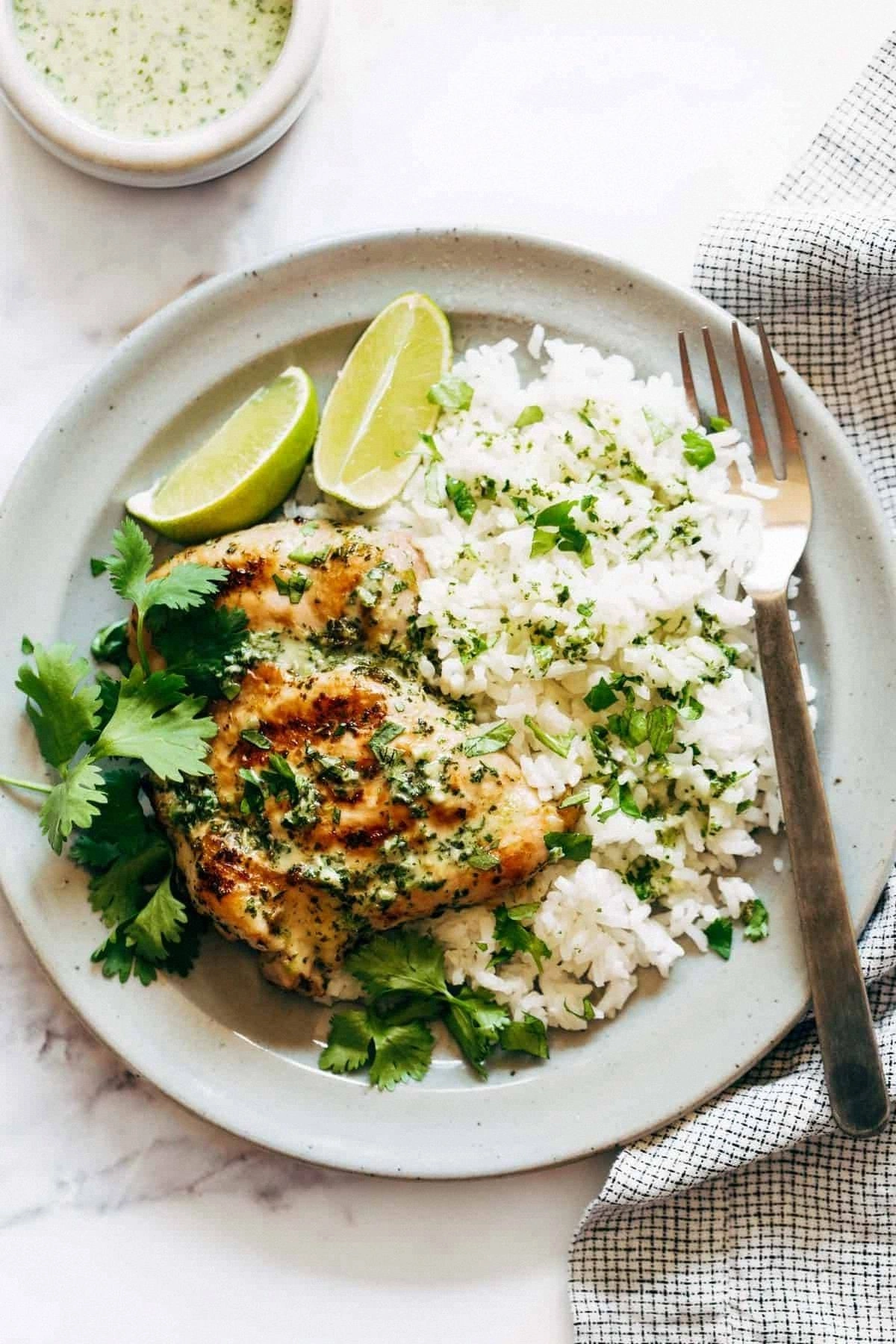
Picture this: the grill’s heat humming beneath the chicken, the meat glistening with a glossy, buttery sheen, and the air thick with the tang of lime zest and the sweet, nutty perfume of coconut milk. The sizzle is a steady, confident crackle, the kind that tells you the crust is forming perfectly. As the chicken cooks, the sugars in the brown sugar caramelize, creating a subtle caramel crunch that contrasts beautifully with the tender, juicy interior. When you finally slice into it, the meat is pink and succulent, each bite releasing a burst of lime that makes your taste buds do a little happy dance.
Most recipes I’ve tried either drown the chicken in a soggy sauce or leave it bland and overcooked. This version, however, balances the richness of coconut with the bright acidity of lime, and the grill’s char adds that smoky depth that you just can’t get from a stovetop. I’m not exaggerating when I say this is hands down the best version you’ll ever make at home. It’s simple enough for a weeknight dinner but impressive enough to wow a crowd, and it uses ingredients you probably already have lurking in your pantry.
There’s a secret twist that most people miss: a splash of soy sauce in the marinade. It adds an umami backbone that ties the coconut and lime together, preventing the flavor from feeling one‑dimensional. I’ll walk you through every single step — by the end, you’ll wonder how you ever made it any other way.
What Makes This Version Stand Out
- Flavor Fusion: The coconut milk provides a creamy, tropical base while lime juice cuts through with bright acidity, creating a dance of sweet and sour that’s impossible to resist.
- Texture Triumph: A quick sear on the grill forms a caramelized crust that shatters like thin ice, revealing juicy, tender meat underneath.
- Simplicity: Only ten pantry staples are needed, and the marinating time is a modest 30 minutes—perfect for busy weeknights.
- Uniqueness: The addition of soy sauce gives an unexpected umami depth that most “coconut‑lime” recipes completely overlook.
- Crowd‑Pleaser: I dare you to taste this and not go back for seconds; even the pickiest eaters have been converted.
- Ingredient Quality: Fresh lime zest and high‑quality coconut milk make the difference between “good” and “jaw‑dropping.”
- Grill‑Friendly: The recipe thrives on a charcoal or gas grill, but I’ll also share a pan‑sear shortcut for apartment dwellers.
- Make‑Ahead Potential: Marinate the chicken overnight for an even deeper flavor, then grill when you’re ready to serve.
Inside the Ingredient List
The Flavor Base
Coconut milk is the heart of this dish, delivering a buttery richness that coats the chicken like velvet. Choose a full‑fat version for maximum flavor; low‑fat alternatives will thin out the sauce and lose that luscious mouthfeel. If you’re allergic to dairy, coconut milk is already a safe, non‑dairy alternative that still feels indulgent. A quick tip: give the can a good shake before opening to reincorporate the cream that often separates on the top.
The Zesty Crew
Fresh lime juice and zest are the bright stars that cut through the coconut’s richness. The zest contains essential oils that provide an aromatic punch you can’t get from bottled juice alone. If you’re in a pinch, a splash of lime zest can be substituted with a teaspoon of dried lime powder, though the fresh version is far superior. Remember, the lime’s acidity also helps tenderize the chicken during the short marination period.
The Umami Boost
Soy sauce brings a salty, savory depth that ties the tropical flavors together. It’s a tiny amount—just enough to enhance, not dominate. For a gluten‑free version, swap regular soy sauce for tamari; the flavor profile remains intact. This is the secret ingredient most recipes forget, and it’s what makes my version sing.
The Sweet & Spice Layer
Brown sugar balances the acidity and adds a caramelized crust when the chicken hits the grill. Garlic and ginger provide a fragrant foundation that feels familiar yet exotic. Red pepper flakes add a whisper of heat that awakens the palate without overwhelming the citrus. If you love heat, increase the flakes; if you prefer milder, halve them.
Everything's prepped? Good. Let's get into the real action...
The Method — Step by Step
In a large bowl, combine the coconut milk, fresh lime juice, lime zest, minced garlic, grated ginger, soy sauce, brown sugar, olive oil, sea salt, black pepper, and red pepper flakes. Whisk everything together until the sugar dissolves and the mixture looks glossy. This is the moment of truth: the aroma should already be making your kitchen feel like a beachside shack. I’ll be honest — I ate half the batch before anyone else got to try it.
Add the chicken pieces to the bowl, turning them over so each piece is fully submerged in the marinade. I dare you to taste this and not go back for seconds, because the first bite is pure revelation. Cover the bowl with plastic wrap and let it rest in the fridge for at least 30 minutes, but ideally up to 4 hours. Watch the clock, not the chicken—the longer it marinates, the deeper the flavor penetrates.
Kitchen Hack: If you’re short on time, use a vacuum sealer to speed up the marinating process; the pressure forces the flavors into the meat faster.Preheat your grill to medium‑high heat, aiming for about 400°F (200°C). While the grill heats, remove the chicken from the fridge and let it sit at room temperature for 10 minutes; this ensures even cooking. Lightly oil the grill grates using a folded paper towel dipped in oil and held with tongs—this prevents sticking and gives those coveted grill marks.
Place the chicken on the grill, skin‑side down if using thighs, and listen for that satisfying sizzle. The edges should start pulling away from the grill after about 3‑4 minutes, indicating a good sear. Flip the chicken only once, cooking the other side for another 4‑5 minutes. Don’t press down on the meat—you’ll squeeze out the juices and lose that succulent interior.
Watch Out: If the grill flames flare up, move the chicken to a cooler part of the grill to avoid burning the coconut sugars.While the chicken finishes cooking, pour the remaining marinade into a small saucepan. Bring it to a gentle boil, then reduce to a simmer for 3‑4 minutes until it thickens slightly. This will become a luscious glaze that you’ll brush over the chicken just before serving. The sauce should coat the back of a spoon and have a glossy sheen.
When the chicken reaches an internal temperature of 165°F (74°C), remove it from the grill and let it rest on a cutting board for 5 minutes. Resting allows the juices to redistribute, creating that melt‑in‑your‑mouth texture you’ve been dreaming of. While it rests, brush the warm glaze over the top, letting it soak in.
Finish with a generous sprinkle of chopped cilantro and an extra drizzle of lime juice for brightness. The cilantro adds a fresh, herbaceous pop that balances the richness. Serve the chicken alongside jasmine rice or a crisp green salad, and watch your guests’ faces light up.
And now the fun part: slice the chicken, arrange it on a platter, and let the aroma do the talking. Picture yourself pulling this out of the grill, the whole kitchen smelling incredible, and your friends asking for the recipe. That’s it — you did it. But hold on, I've got a few more tricks that'll take this to another level...
Insider Tricks for Flawless Results
The Temperature Rule Nobody Follows
Never cook chicken straight from the fridge over high heat; the exterior will char before the interior cooks through. Letting the meat sit at room temperature for 10‑15 minutes equalizes the internal temperature, leading to an even cook. I once tried to skip this step and ended up with a burnt exterior and a pink, undercooked center—trust me, it’s not pretty.
Why Your Nose Knows Best
Your sense of smell is a more reliable indicator of doneness than a timer. When the glaze starts to caramelize and you catch a sweet‑citrus aroma, the chicken is nearing perfection. If you ever hear a faint “crackle” that smells burnt, move the chicken to a cooler zone immediately.
The 5‑Minute Rest That Changes Everything
Resting the chicken isn’t just a suggestion; it’s a game‑changer. During those five minutes, the muscle fibers relax and re‑absorb the juices that were expelled during cooking. Skipping this step leaves you with a dry bite—something I’ve learned the hard way after a rushed dinner.
Glaze Mastery
When reducing the leftover marinade, keep the heat low and stir constantly. A sudden boil can cause the sugars to scorch, turning the glaze bitter. If the glaze thickens too quickly, add a splash of water or extra coconut milk to rescue it.
Grill Mark Perfection
For those Instagram‑worthy grill marks, oil the grates and let the chicken sit untouched for the first 2‑3 minutes. Then, give it a 90‑degree turn for that cross‑hatch pattern. The result is not only visual appeal but also a slightly crispier crust where the heat meets the meat.
Creative Twists and Variations
This recipe is a playground. Here are some of my favorite ways to switch things up:
Spicy Mango Madness
Add a diced ripe mango and a teaspoon of sambal oelek to the glaze. The mango introduces a sweet, fruity contrast while the sambal amps up the heat, making it perfect for those who love a sweet‑heat combo.
Thai Peanut Punch
Stir a tablespoon of peanut butter and a splash of fish sauce into the remaining marinade before simmering. The result is a creamy, nutty sauce that pairs beautifully with the coconut‑lime base, reminiscent of classic Thai satay.
Herb‑Infused Delight
Swap cilantro for fresh Thai basil and add a handful of chopped mint. The herbaceous notes lend a fresh, garden‑like vibe that brightens the dish even further.
Coconut‑Lime Shrimp Swap
Replace the chicken with large shrimp; marinate for only 15 minutes and grill for 2‑3 minutes per side. Shrimp cooks faster and absorbs the flavors quickly, giving you a seafood twist that’s perfect for a light dinner.
Smoky Chipotle Twist
Add a teaspoon of chipotle in adobo sauce to the marinade for a smoky, slightly smoky heat. This variation works especially well when you’re grilling over charcoal, as the flavors meld into a deep, robust profile.
Coconut‑Lime Pizza
Use the grilled chicken as a topping for a flatbread, drizzle with extra glaze, and sprinkle with mozzarella and red onion. Bake until the cheese bubbles, and you’ve got a tropical pizza that’s both unexpected and delicious.
Storing and Bringing It Back to Life
Fridge Storage
Place any leftover chicken in an airtight container and store it in the refrigerator for up to 3 days. Before reheating, add a tiny splash of water or extra coconut milk to the container, then cover loosely with foil to create steam and keep the meat moist.
Freezer Friendly
Cool the chicken completely, then wrap each piece in parchment paper and place them in a freezer‑safe zip‑top bag. They’ll keep for up to 2 months. When you’re ready to eat, thaw overnight in the fridge and re‑heat on the grill or in a skillet, brushing with fresh glaze.
Best Reheating Method
The optimal way to revive this dish is a quick sear in a hot skillet with a drizzle of leftover glaze. This restores the caramelized crust while the interior stays juicy. Microwaving is an option, but it can make the chicken rubbery—avoid it if you can.