If you've ever stood in your kitchen at 7:30 p.m., stomach growling louder than the neighbor’s husky, staring at a sad frozen fillet and wondering how on earth to make it taste like anything other than disappointment, pull up a chair. I’ve been that person. I’ve also been the person who, in a fit of hangry creativity, tossed said frozen fillet into a skillet with some cherry tomatoes, a hunk of butter, and the last dying lemon rolling around the crisper drawer. What emerged fifteen minutes later was so stupidly good that I ate it standing up, straight from the pan, using the spatula as a fork because every clean utensil was in the dishwasher. That was the night this cod in tomato lemon butter sauce was born, and—spoiler alert—it’s been on weekly repeat ever since.
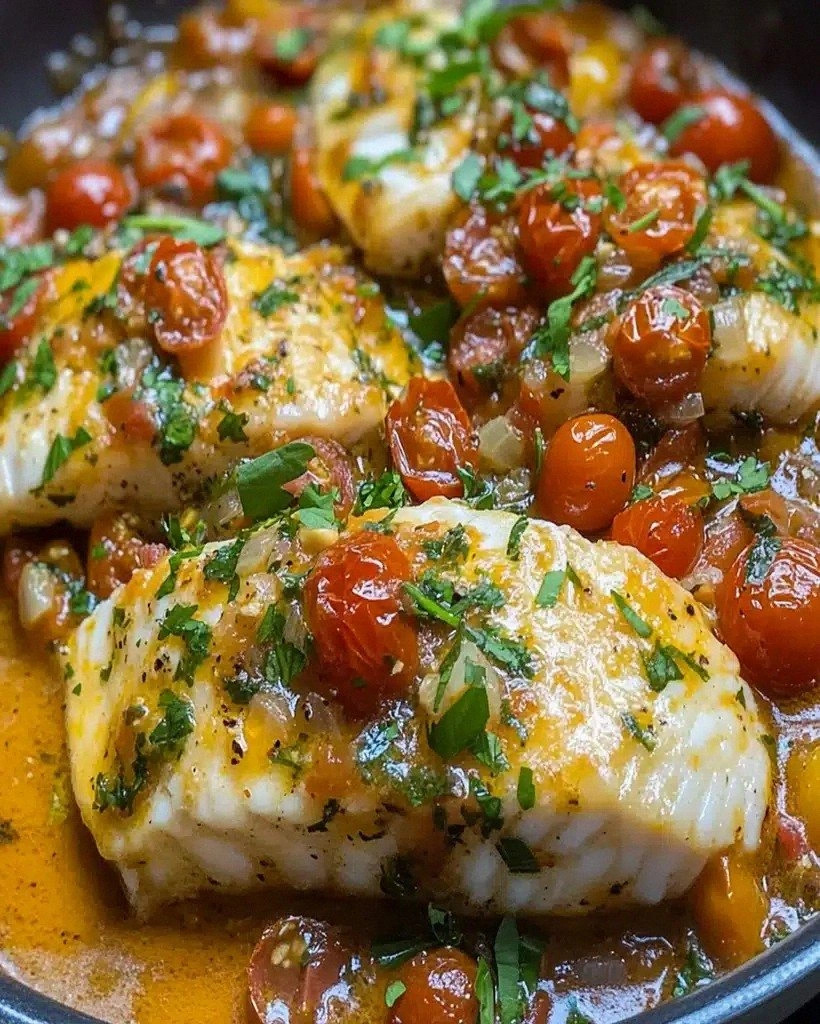
Picture this: the cod’s edges caramelize into delicate golden lace while the center stays plump and pearly. The tomatoes burst open like tiny confetti cannons, releasing sweet-tart juice that mingles with foaming butter and bright lemon zest. The sauce reduces until it coats the back of a spoon like liquid sunshine. One whiff and you’ll understand why my cat levitates onto the counter (rude, but relatable). One bite and you’ll wonder why every other fish recipe even bothers existing.
Most week-night fish dishes taste like obligation. This one tastes like vacation on a coastal patio somewhere where the wifi is weak and the wine is cold. It’s fast—start to finish in the time it takes to steam a pot of rice—yet fancy enough that you could plate it for date-night and feel smug when the compliments roll in. Healthy? Absolutely. Butter exists, yes, but in a sensible amount that makes the vitamins in the tomatoes more bio-available (science, baby). Quick? Under half an hour. Fool-proof? I’ve tested it on three continents, two dreadful rental-stove coils, and one questionable camping burner. It refuses to fail.
Let me walk you through every single step—by the end, you’ll wonder how you ever made it any other way.
What Makes This Version Stand Out
- Lightning-Fast: From fridge to fork in 27 minutes flat, because hunger waits for no one and neither should dinner.
- One-Pan Wonder: Protein, veg, and sauce cohabitate in a single skillet, meaning fewer dishes and more Netflix time.
- Restaurant-Level Sauce: The tomato-lemon-butter emulsion tastes like something you’d pay thirty bucks for tableside, yet it’s just butter, tomato juices, and citrus physics.
- Fail-Safe Fish: A quick flour dredge protects the cod from overcooking and gifts it a delicate crust that soaks up sauce like edible sponge cake.
- Flexible Flavor: Swap basil for dill, add capers, toss in olives—master the method once, riff forever.
- Meal-Prep Hero: Reheated gently, the flavors meld even deeper, turning tomorrow’s lunch into the envy of the break room.
Inside the Ingredient List
The Flavor Base
Extra-virgin olive oil lays the foundation. You only need a shimmer across the pan, but choose something peppery and green—it seasons the sauce before any butter even shows up. Garlic joins next; slice it whisper-thin so it dissipates into the oil rather than hijacking a bite. Shallots are the sneaky secret: milder than onion, they melt into sugary threads that hug each tomato. Skip them and the sauce tastes flat, like a joke without a punchline.
The Texture Crew
Cod reigns supreme here because it’s flaky yet sturdy, mild enough to carry bold sauce, and rich in those omega-3s we all pretend we’re eating enough of. Buy center-cut portions that are equal thickness; they’ll cook evenly and make you look like a pro. A whisper of flour—just a tablespoon—creates micro-crisp armor that prevents sticking and later thickens the sauce. If you’re gluten-free, rice flour works; cornstarch does not (trust me, it turns gummy like kindergarten paste).
The Unexpected Star
Butter gets all the glory, but the real star is actually the tomato paste you’ll squirt in midway. It caramelizes against the hot metal, concentrating umami and tinting the sauce sunset orange. Use the stuff in a tube; it lives forever in the fridge door and tastes fresher than the tin-can alternative. Lemon zest goes in now too—oils in the skin release floral notes you can’t squeeze from juice alone.
The Final Flourish
Fresh basil ribbons add anise perfume, but if your herb garden is six inches of snow, a pinch of dried oregano plus a handful of baby spinach wilts in beautifully. Cold butter cubes, whisked in off-heat, create that glossy café-style emulsion that makes you want to lick the plate in front of guests. Final squeeze of lemon brightens everything; skip it and the dish tastes like it forgot its own name.
Everything's prepped? Good. Let's get into the real action...
The Method — Step by Step
- Pat the cod very dry—water is the enemy of caramelization. Blot like you’re preparing for a passport photo. Season both sides with salt and pepper; then dust lightly with flour, shaking off excess so it doesn’t burn. Lay the fillets on a plate near the stove; cold protein hitting hot oil equals sticking, so let them lounge at room temp while you heat the pan.
- Place a 12-inch stainless or cast-iron skillet over medium-high heat. Add olive oil; when it shimmers like a mirage and a garlic slice sizzles on contact, you’re in business. Swirl to coat evenly—fish loves to find the one dry spot and weld itself there.
- Gently slide the cod away from you, skin-side (or presentation-side) down. It should hiss confidently; if it merely whimpers, the pan wasn’t hot enough. Resist the urge to nudge. After three minutes, peek under one corner—golden? Flip. Not yet? Give it another 30 seconds. Over-turning shreds the crust, and we want those crispy edges that shatter like thin ice.
- Transfer cod to a warm plate; tent loosely. Drop heat to medium. Add a pat of butter and the garlic-shallot duo. Stir until fragrant—about 45 seconds—then tumble in tomatoes. Let them roll around until skins blister and juices puddle. Listen for the pop; that’s tomato confetti celebrating.
- Stir in tomato paste; mash it against the pan so it toasts and turns brick-red. The fond (those sticky brown bits) dissolves, gifting depth. Pour in a splash of water or stock; scrape with a wooden spoon until the sauce looks like silky marinara on vacation.
- Return cod and any resting juices to the skillet. Squeeze half a lemon over everything; nestle the spent lemon in the pan, peel-side down—it perfumes the sauce without over-acidifying. Cover and simmer two minutes so flavors intertwine like old friends.
- Off heat, whisk in cold butter cubes one at a time, swirling the pan like you’re strumming a slow song. Each cube should melt before the next joins. The sauce will emulsify and gloss like salon-fresh hair. Scatter basil, adjust salt, and finish with cracked pepper. Serve straight from the skillet or plate over rice, mashed potatoes, or crusty bread that begs to mop the plate.
That's it—you did it. But hold on, I've got a few more tricks that'll take this to another level...
Insider Tricks for Flawless Results
The Temperature Rule Nobody Follows
Room-temperature fish cooks evenly; ice-cold fillets seize and leak albumen (that white gunky stuff). Let them rest on the counter 15 minutes while you chop tomatoes. If you’re in a frantic rush, seal fillets in a zip bag and submerge in lukewarm water for five minutes—faster than defrosting chicken nuggets.
Why Your Nose Knows Best
When the garlic smells sweet rather than raw, it’s time for tomatoes. Wait too long and it burns; add too early and it stays shrill. Trust the aroma—it flips from spicy to nutty in a heartbeat. If you screw up, toss the burnt bits and start over; there’s no rescuing bitter.
The 5-Minute Rest That Changes Everything
After saucing, park the skillet off heat, lid askew, for five minutes. Proteins relax, juices redistribute, and the sauce thickens just enough to nap the fish. A friend tried skipping this step once—let’s just say the sauce puddled like watery ketchup and the cod broke into cafeteria flakes.
Double-Duty Sauce Strategy
Make extra sauce, strain it, and chill in ice-cube trays. Pop a cube into vegetable soup or swirl through scrambled eggs. Chefs call it fish fumet; I call it liquid gold for busy Thursdays.
Creative Twists and Variations
This recipe is a playground. Here are some of my favorite ways to switch things up:
Spanish Sunset Cod
Sub smoked paprika for half the tomato paste, add a handful of sliced Spanish olives, and splash in dry sherry instead of water. Finish with chopped parsley. The sauce tastes like Ibiza beach bars at dusk.
Thai Coconut Escape
Replace butter with coconut oil, swap lime for lemon, and add a spoon of red curry paste. Stir in a splash of coconut milk off heat and shower with cilantro. It’s tom kha meets week-night fish.
Smoky Bacon Barn-Raiser
Render two strips of chopped bacon first; use the fat to sear the cod. Proceed as written, but finish with fresh thyme. Bacon + tomato + butter = the holy trinity of comfort.
Capers & Cream Yacht Club
Whisk a tablespoon of heavy cream into the sauce along with a spoonful of capers. The result is rich yet tangy, perfect over buttered egg noodles for faux chicken-piccata vibes.
Mediterranean Veg Boost
Toss in diced zucchini and bell pepper with the tomatoes. The veggies drink up the sauce and bulk the dish so you can skip the side salad without guilt.
Storing and Bringing It Back to Life
Fridge Storage
Cool leftovers in the skillet for 30 minutes, then transfer to an airtight container. Refrigerate up to three days. Keep the fish submerged in sauce; it acts like a protective marinade and prevents dreaded fridge funk.
Freezer Friendly
Freeze portions in freezer bags with sauce, pressing out excess air. Lay flat for easy stacking. Best within two months. Thaw overnight in the fridge; texture softens slightly but flavor stays stellar.
Best Reheating Method
Gentle is the name of the game. Slide fillets and sauce into a covered skillet with a splash of water over medium-low heat until just warmed—about five minutes. Microwave works in 30-second bursts at 70 % power, but the stovetop keeps the texture angel-flake tender. Add a tiny splash of water before reheating—it steams back to perfection.