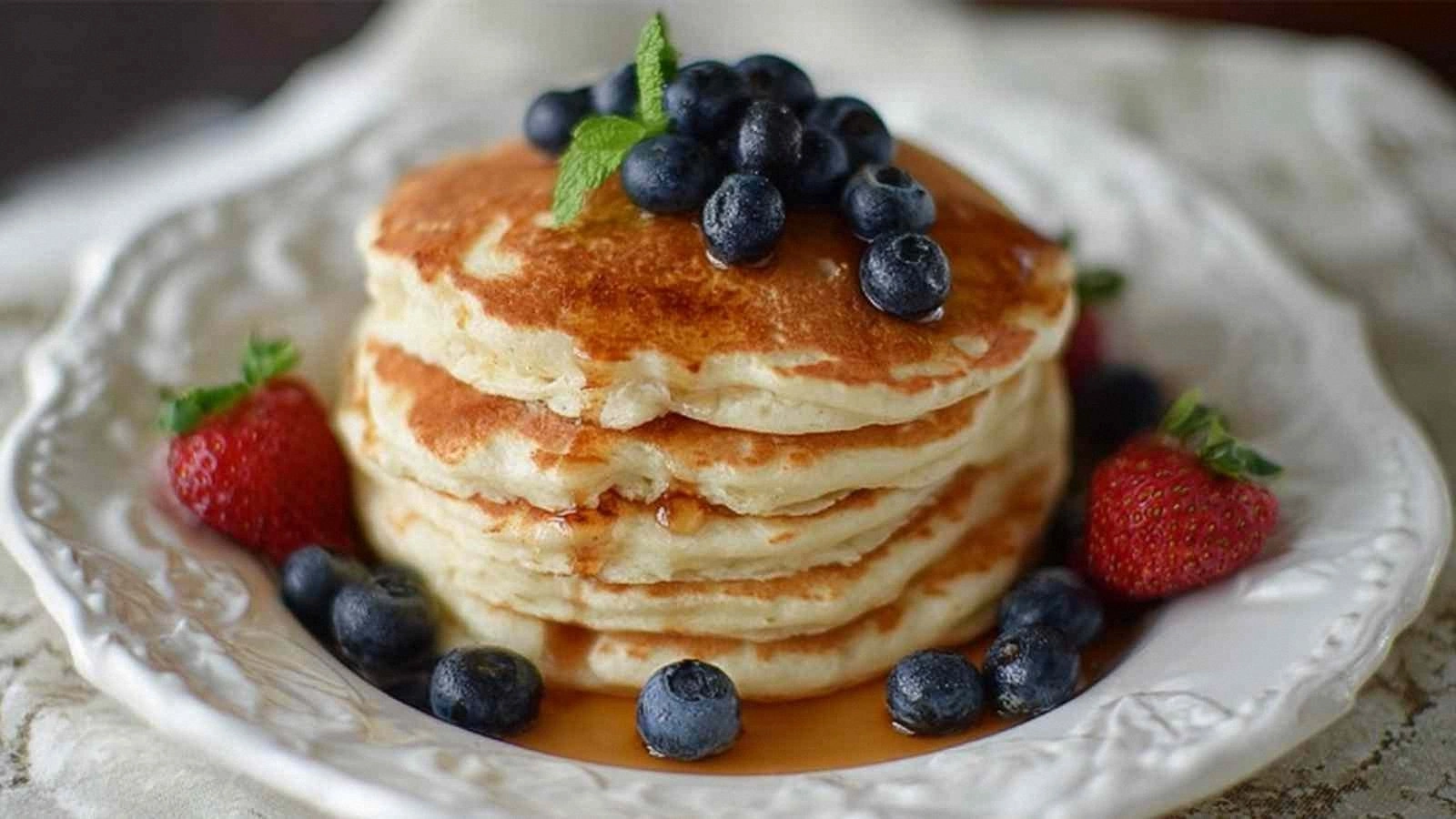
Fluffy Greek Yogurt Pancakes
Picture this: it’s a Sunday morning, the kitchen light is bright, and you’re chasing that sweet craving that’s been simmering all week. You open the fridge, grab a tub of Greek yogurt, and whisper a dare to yourself, “I’ll make the fluffiest pancakes you’ve ever tasted.” The moment the batter hits the pan, a golden puff of steam rises like a gentle cloud, and the aroma of vanilla and fresh flour fills the room. That scent alone can turn a sleepy brunch into an instant celebration.
Now, let’s be honest—most pancake recipes feel like a tug-of-war between fluff and flavor. You either end up with a dense, dry stack or a soggy, overcooked mess that looks more like a pancake pancake. I’ve tried countless variations: the classic buttermilk, the protein-packed protein powder, the banana‑syrup swirl. Every time, the result was either underwhelming or too experimental. Then I discovered Greek yogurt as the secret weapon. It adds a subtle tang, a protein punch, and, most importantly, a lightness that makes the pancakes rise like clouds.
What sets this version apart? First, the yogurt is the hero, not a sidekick. It replaces a portion of the liquid, giving the batter a thicker consistency that holds its shape. Second, I use white whole wheat flour, which balances the heaviness of whole wheat with the brightness of white flour, creating a silky crumb. Third, the baking powder is measured precisely to avoid bitterness. Fourth, I fold the batter gently—no whisking frenzy, just a careful stir that preserves the air. Fifth, I let the batter rest for five minutes, a simple step that unlocks a dramatic rise. Finally, I cook on a medium‑low heat, giving the pancakes a golden crust while keeping the inside tender.
Imagine the first bite: a fluffy, pillowy bite that melts in your mouth, a burst of vanilla, a whisper of yogurt tang, and a subtle crunch from the crisp edges. I dare you to taste this and not go back for seconds. This is hands down the best version you’ll ever make at home, and I’ve got the proof. If you’ve ever struggled with pancake fluff, you’re not alone—and I’ve got the fix. Picture yourself pulling this out of the pan, the whole kitchen smelling incredible, and the family or friends gathering around with anticipation. Okay, ready for the game‑changer? Let me walk you through every single step—by the end, you’ll wonder how you ever made it any other way.
What Makes This Version Stand Out
- Fluff Factor: The yogurt replaces part of the liquid, creating a batter that expands beautifully without becoming airy or overbaked. The result is a pancake that feels like a cloud on your tongue.
- Flavor Depth: A splash of vanilla extract and a pinch of salt enhance the subtle tang of the yogurt, turning each bite into a balanced, savory-sweet experience.
- Texture Mastery: White whole wheat flour gives a light crumb while the whole wheat portion adds nuttiness and fiber, so you don’t sacrifice taste for health.
- Simple Prep: No need for pre‑mixing or complex measurements—just whisk, fold, rest, and cook. The recipe is straightforward enough for a novice but refined enough to impress.
- Make‑Ahead Friendly: The batter can rest for up to 30 minutes, making it perfect for busy mornings or pre‑prepping for guests.
- Crowd‑Pleaser: Whether you serve them to kids, adults, or a mix of both, these pancakes receive rave reviews—often the first thing people ask for in the kitchen.
- Versatile Toppings: They pair wonderfully with fresh berries, maple syrup, honey, or a dollop of whipped cream, letting you tailor each stack to the occasion.
- Nutrition Boost: With 25 grams of protein per serving, these pancakes keep you full and energized, making them a smart breakfast choice.
Alright, let’s break down exactly what goes into this masterpiece…
Inside the Ingredient List
The Flavor Base
Greek yogurt is the cornerstone of this recipe. It provides a tangy brightness that balances the sweetness of vanilla and sugar. The thicker consistency of Greek yogurt also reduces the amount of liquid needed, which helps the pancakes stay fluffy. If you’re vegan or lactose‑free, a dairy‑free yogurt with a similar thickness works just as well, but be sure to choose one with no added sugars.
The Texture Crew
White whole wheat flour is a hybrid that offers the best of both worlds. The whole wheat component adds fiber and a nutty undertone, while the white flour keeps the batter from becoming too dense. Skipping the whole wheat entirely will yield a lighter texture but lose a bit of the wholesome feel. For an extra airy crumb, whisk the flour with a pinch of baking soda before adding the wet ingredients.
The Unexpected Star
Vanilla extract is more than just a sweet note—it’s a flavor enhancer that unlocks the subtle flavors of the yogurt and flour. A teaspoon is enough to give the pancakes a warm, comforting aroma. If you prefer a stronger vanilla flavor, you can use vanilla bean paste or a flavored Greek yogurt instead.
The Final Flourish
Salt is the unsung hero that balances sweetness and deepens overall flavor. A half teaspoon is sufficient; too much salt will overpower the delicate yogurt. Olive oil or butter is used for cooking, ensuring a crisp golden exterior. If you prefer a healthier option, use a light spray of cooking oil; if you love a buttery aroma, melt a small amount of butter in the pan.
Everything’s prepped? Good. Let’s get into the real action…
The Method — Step by Step
- In a medium bowl, whisk together the two large eggs, one cup of Greek yogurt, half a cup of milk, and one teaspoon of vanilla extract until the mixture is smooth and slightly frothy. The eggs provide structure, while the yogurt adds moisture and tang. Make sure the whisking is gentle; you want a silky batter, not a foamy one. At this point, the batter should have a slightly thick consistency—think a thick pancake batter, not a thin crepe mixture.
- In a separate bowl, sift together one cup of white whole wheat flour, one tablespoon of sugar or your chosen sweetener, two teaspoons of baking powder, and half a teaspoon of salt. Sifting removes lumps and ensures even distribution of leavening agents. The sugar balances the yogurt’s tang, and the baking powder is the key to the pancakes’ rise. If you’re using a natural sweetener, adjust the amount to taste.
- Gradually fold the dry mixture into the wet batter, stirring just until combined. Over‑mixing can cause the pancakes to become dense, so stop once the flour is fully incorporated. The batter should still look slightly lumpy—those small lumps help create a light crumb. This gentle folding technique is crucial for the fluffy texture.
- Cover the bowl with plastic wrap and let the batter rest for five minutes. This brief rest allows the flour to hydrate fully and the baking powder to activate, which results in a dramatic rise when cooked. During this time, you can prep your toppings or set the table. The batter will appear a bit thicker after resting, but that’s normal.
- Heat a non‑stick skillet or griddle over medium‑low heat. Lightly oil the surface with a small amount of olive oil spray or a dab of butter. The pan should be hot but not smoking; you can test by sprinkling a few drops of water—if they dance, the pan is ready. A well‑heated pan ensures a golden crust while preventing sticking.
- Pour a ladleful of batter onto the pan, leaving enough space between each pancake. The batter should spread slightly, forming a round shape. When the edges lift and small bubbles form on the surface, it’s time to flip. This usually takes 2-3 minutes, depending on your stove.
- Flip the pancake with a spatula, cooking the second side until it’s golden brown and the interior is set. The flip should feel smooth; if the pancake sticks, give it an extra minute to firm up. The internal temperature should reach 74°C (165°F) for safety, but you’ll know it’s done when the pancake feels firm to the touch.
- Repeat the process with the remaining batter, adjusting the heat as needed to maintain a steady cooking temperature. Stack the finished pancakes on a plate and keep them warm in a low oven (around 90°C or 200°F) while you finish cooking the rest. This keeps them fluffy and prevents them from drying out.
- Serve immediately with your favorite toppings—fresh berries, sliced bananas, a drizzle of maple syrup, or a dollop of whipped cream. The pancakes are best enjoyed hot, when the steam is still rising and the flavor is at its peak.
That's it — you did it. But hold on, I've got a few more tricks that'll take this to another level…
Insider Tricks for Flawless Results
The Temperature Rule Nobody Follows
Many cooks assume higher heat always cooks pancakes faster. In reality, a steady medium‑low temperature allows the batter to expand and set evenly. If you’re on a gas stove, adjust the flame to a gentle hiss rather than a roaring flame. This subtle control ensures a golden crust without burning.
Why Your Nose Knows Best
Before flipping, listen for the first bubble pop—this is the cue that the underside is ready. The aroma will shift from a raw batter scent to a toasted, nutty fragrance. Trust that scent; it’s a reliable indicator that the pancake is cooked through.
The 5‑Minute Rest That Changes Everything
Resting the batter for five minutes may seem trivial, but it’s a game‑changer. The rest allows the gluten to relax, making the pancakes tender, and lets the leavening agents work fully, giving that dramatic puff.
Use a Non‑Stick Surface
A high‑quality non‑stick skillet prevents sticking and reduces the need for excess oil. If you’re using a cast‑iron pan, preheat it for a few minutes before adding batter, and lightly oil the surface. This gives a crisp exterior while keeping the interior soft.
Don’t Rush the Flip
When flipping, wait until the edges lift and bubbles form—flipping too early results in a raw center. A gentle flip with a wide spatula ensures the pancake stays intact and preserves the fluffy interior.
Creative Twists and Variations
This recipe is a playground. Here are some of my favorite ways to switch things up:
Berry Burst
Fold fresh blueberries or raspberries into the batter before cooking. The berries burst with juice, creating a fruity surprise in each bite. This variation is perfect for a spring or summer brunch.
Chocolate Chip Delight
Swirl in a handful of dark chocolate chips after the first pour. The chocolate melts into pockets of sweetness that contrast the tangy yogurt. A sprinkle of sea salt on top gives a sophisticated finish.
Herb‑Infused
Add chopped fresh herbs like mint or basil to the batter for a savory twist. Pair with a dollop of Greek yogurt and a drizzle of honey for a unique flavor profile. This version works well for a brunch with a Mediterranean flair.
Nutty Crunch
Sprinkle chopped walnuts or almonds over the pancakes before serving. The crunch adds texture, while the nuts complement the yogurt’s creaminess. A light dusting of powdered sugar balances the flavors.
Spiced Cinnamon
Stir in a teaspoon of ground cinnamon into the dry mix. The warm spice pairs beautifully with the vanilla, giving the pancakes a cozy, autumnal feel. Add a dash of nutmeg for extra depth.
Storing and Bringing It Back to Life
Fridge Storage
Cool the pancakes completely, then stack them with parchment paper between each layer. Store in an airtight container for up to three days. The parchment prevents sticking and keeps the pancakes fresh.
Freezer Friendly
Place a single pancake on a parchment‑lined tray and freeze until solid. Transfer the frozen pancakes to a freezer bag. They stay good for up to two weeks, making them ideal for a quick breakfast.
Best Reheating Method
To reheat, place pancakes in a preheated oven at 90°C (200°F) for 10 minutes, or microwave on low power for 20‑30 seconds. Add a tiny splash of water before reheating—this steams the pancakes back to perfection, restoring their fluffy texture.